



Zoe Alina
2 weeks ago
Sehr gut organisiertes Team, unkomplizierte Bedienung von Online Unterricht, vielseitiges Informatives Skriptum :) All in all Top !
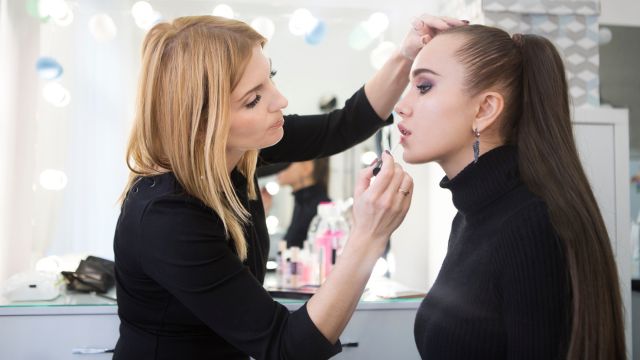
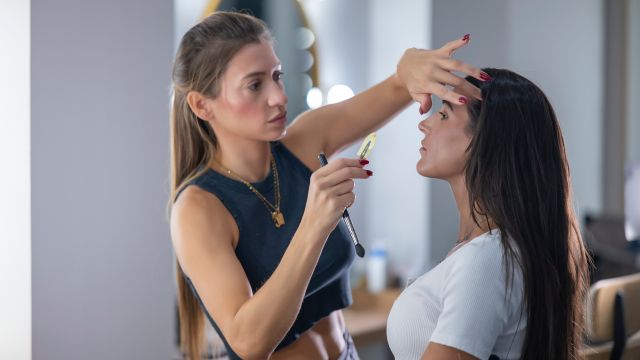
objavljeno na GoogleKako se lice mijenja kada se svjetlo i sjena koriste na ciljan način? Upravo tu na scenu stupa analiza lica . Radi se o svjesnom opažanju proporcija i razumijevanju utjecaja šminke na oblik lica. Naučit ćete prepoznavati i razlikovati različite oblike lica, kao što su ovalni, okrugli, četvrtasti, u obliku srca ili izduženi. To je osnova za kasniji ciljani rad sa svjetlom i sjenom.
Cilj svakog dizajna šminke je stvoriti skladne i uravnotežene proporcije. U umijeću šminkanja ovalni oblik lica smatra se idealnim jer su mu linije meke i ujednačene. Pomoću tehnika konturiranja i isticanja možete vizualno približiti druge oblike lica ovom idealu.
Važan dio cjeline je pomno ispitivanje pojedinih dijelova lica. Analizirate udaljenost između očiju, oblik i visinu obrva, proporcije čela, obraza i brade te linije mosta nosa. Oblik usana i linija čeljusti također imaju ulogu. Svi ti detalji određuju kako lice izgleda: nježno, upečatljivo, otvoreno ili pak kompaktno.
Vježbajte oko da uočava suptilne razlike i razvijte samouvjeren, profesionalan osjećaj za proporcije. To će vam pomoći stvoriti šminku koja naglašava osobnost i oblikuje cjelokupni izgled.


Na temelju Google recenzija 338
Sehr gut organisiertes Team, unkomplizierte Bedienung von Online Unterricht, vielseitiges Informatives Skriptum :) All in all Top !
objavljeno na Google
Ich bin sehr angetan von Flexyfit, immer nette und hilfsbereite Leute. Sehr sympatisch. Vielen Dank, für Eure super Betreuung.
objavljeno na Google
Super Ausbildung und mega nette Leute. Man merkt, wie viel Wert darauf gelegt wird den Kursteilnehmern das nötige Wissen verständlich zu vermitteln. Ich durfte sogar freundlicherweise einen Kurs komplett kostenlos nachholen, nachdem etwas problematische und störende Teilnehmer in meiner Gruppe waren. Ich werde 100%ig in Zukunft noch weitere Kurse bei euch machen, weil das Lernen allen voran dank des freundlichen Personals extremen Spaß macht!
objavljeno na Google
Das gesamte Team von flexyfit ist überaus freundlich, prompt und hilfsbereit. Die Vortragenden sind kompetent und gehen auf die Kursteilnehmer ein. Sämtliche Lernunterlagen wurden übersichtlich und ausreichend detailliert zur Verfügung gestellt. Durch die zusätzlichen Videos ist für jeden Lerntyp etwas dabei. Alles in allem verliefen Ausbildung und Prüfung top. Ich kann flexyfit jedenfalls weiterempfehlen und werde weitere Ausbildungen gerne wieder bei Euch buchen und weiterempfehlen!
objavljeno na Google
Ein super Team - kompetent, freundlich, stets hilfsbereit und unterstützend - hat die praxisnahe Ausbildung hervorragend begleitet. Sehr zu empfehlen! :)
objavljeno na Google
Super Betreuung und umfangreiche Kursinhalte. Sehr zu empfehlen!
objavljeno na Google
Die Ausbildung zum Fitnesstrainer B-Lizenz hat mir dort sehr viel Spaß gemacht. Die gestellten Lehrmaterialien sind super und einwandfrei. Ich habe dort sehr viel neues gelernt und war immer mit Freude an der Sache. Das Team ist super und ist bei Rückfragen immer für einen da!
objavljeno na Google
Das Beste, was mir passieren konnte, ist diese Akademie. Der Zugang zu den Teilnehmern ist hervorragend. Alle Mitarbeiter sind sehr kompetent, sehr professionell und sehr freundlich. Ein Mensch kann so viel lernen, dass es unbeschreiblich gut ist. Ich würde es jedem empfehlen. Als ich in Österreich ankam, war ich auf der Suche nach so etwas und zum Glück habe ich diese Akademie gefunden und mich ohne zu zögern für den Kurs angemeldet. All das, was wir als Gegenleistung bekommen, ist 100-mal mehr wert als das, was wir bezahlen. Unbeschreibliche Erfahrung, unbeschreibliche Menschen, noch einmal und noch 1000 Mal sage ich: Danke für alles, danke für dieses unbeschreibliche Erlebnis. DANKE, DANKE, DANKE <3
objavljeno na Google
Ich konnte im Rahmen meiner Ausbildung bei der Flexyfit Academy sehr viel neues lernen und konnte mich mit meinem ausgewählten Lehrgang einer neuen anspruchsvollen Herausforderung stellen. Die Struktur der Ausbildungen ist sehr verständlich und übersichtlich gestaltet, sodass man ohne Probleme das Fernstudium alleine meistern kann. Bei Fragen, Unklarheiten oder vereinzelten Problemen war das Team der Academy immer schnell zur Seite und man konnte immer eine gemeinsame Lösung finden. Hier und da hätte ich mir noch etwas mehr Praxisbezug gewünscht. Nichtsdestotrotz habe ich mich immer sehr wohl gefühlt, habe tolle Referenten gehabt und mit meinem Abschluss zum Dipl. Medical Sportbetreuer stehen mir nun viele neue Türen offen :)
objavljeno na Google
Konnte meinen gewählten Lehrgang sehr gut und zügig abschließen. Das Team ist sehr schnell und kukant und man bekommt immer eine gute Lösung angeboten, sollte es Unklarheiten geben. Werde bei Gelegenheit wieder buchen und kann die Akademie empfehlen!
objavljeno na Google
Hat sehr viel Spaß gemacht meine Schwimmtrainer Ausbildung bei der Flexyfit zu absolvieren! Das Programm ist sehr umfangreich und die Trainer sind sehr gut ausgebildet.
objavljeno na Google
Die Ausbildung in der Flexyfit war die beste Entscheidung, hab sehr viel in puncto Sport und Ernährung dazugelernt. Die Unterstützung war immer gegeben, sehr kompetentes und nettes Personal/ Trainer. Ich werde die Academy auf alle Fälle weiter Empfehlen. Insbesondere danke an Melanie, Sarah und Daniel
objavljeno na Google
Eine wirklich anspruchsvolle Ausbildung, tolles Material, die Videos sind prima, das Script ergänzt gut. Die Struktur sehr sinnvoll aufgebaut, man findet sich gut zurecht. Lediglich finde ich die Verhältnismäßigkeit der Yogalizenz gegenüber der Pilateslizenz ungünstig. Es werden viel mehr Prüfungen in der Yogalizenz gefordert. Die Abschlussprüfung ebenfalls in der Yogalizenz deutlich schwieriger, Fragen müssten in meinen Augen überdacht werden.
objavljeno na Google
Umfangreiche informative Ausbildung mit super viel Flexibilität und rascher Hilfestellung bei etwaigen Fragen- sehr empfehlenswert!
objavljeno na Google
Danke Flexyfit - sehr kompetent, tolle Unterlagen und auch Unterstützung. Die praktischen Übungen in Innsbruck waren TOP - Danke Matthias. Kann ich nur weiterempfehlen. Ich werde weitermachen. 😉
objavljeno na Google
Qualitativ sehr hochwertige Ausbildung! Die Flexyfit Academy war sehr bemüht auf alle Fragen die im Zuge der Ausbildung entstanden sind einzugehen und genau zu erklären. Kann ich auf jeden Fall weiterempfehlen!
objavljeno na Google
Sehr empfehlenswert 👍🏻 Mit Stolz die Fitnesstrainer-Ausbildung abgeschlossen. :)
objavljeno na Google
Absolut zufrieden! Ich habe mich für das Fernstudium entschieden, da ich persönlich nicht vor Ort sein konnte, und ich kann es wärmstens empfehlen! Alles hat reibungslos funktioniert, die Kontaktaufnahme war schnell, und bei Problemen wurde immer eine Lösung gefunden. Das Team ist super freundlich, und die Profilübersicht ist sehr übersichtlich. Ein kleiner Vorschlag: Es wäre hilfreich, wenn Nutzer, die längere Zeit inaktiv sind, einen Reminder erhalten würden oder eine App zur Verfügung stünde, um auch mobil lernen zu können.
objavljeno na Google
Ich war von der Ausbildung sehr positiv überrascht! Das Fernstudium hat ganz unkompliziert funktioniert und der Service war auch perfekt! Die Unterlagen waren sehr gut und ich habe sehr viel dazugelernt! Kann ich mit gutem Gewissen weiterempfehlen! Update 2024: Nachdem ich nun bereits meine dritte Ausbildung abgeschlossen habe, kann ich meine erste Bewertung nur bestätigen! Als Vollzeit-Berufstätiger war es für mich eine super Möglichkeit nebenberuflich eine Ausbildung zu machen die meiner Leidenschaft entspricht! Ich lese regelmäßig Bücher zum Thema Sport und Gesundheit, und muss sagen dass die Ausbildungen überall auf einem sehr guten und aktuellen Stand sind! Das hat mich doch etwas positiv überrascht! =) Dank Flexyfit kann ich nun mein Hobby zum Beruf machen! Deshalb nochmal eine klare Empfehlung von mir!
objavljeno na Google
Eine tolle Ausbildung, die da angeboten wird, mit einem sehr freundlichen und kompetenten Team. Es war ein Vergnügen mit euren sehr gut aufbereiteten Videos und Skripten zu lernen. Ich freue mich schon auf meine nächste Ausbildung. Kann ich nur sehr weiterempfehlen, von mir gibt es definitv 5 Sterne.
objavljeno na Google
Gut durchdachtes Konzept. Sehr gute Betreuung durch dem Team. Kann ich nur empfehlen.
objavljeno na Google
Hi Leute, das war eine tolle Ausbildung zum Neuro Athletik Trainer. Freu mich schon auf den nächsten Kurs. Danke nochmals für alles!
objavljeno na Google
Tolle Ausbildung, sehr viel gelernt, top online Academy, professionelle Trainer, super Service. Jederzeit wieder eine Ausbildung bei Flexyfit.
objavljeno na Google
Liebe Sarah, Liebe Melanie ich euch nur weiter empfehlen, Danke für alles vielen Dank
objavljeno na Google
Sehr zuvorkommendes Team und ein allseits herzlicher Umgang! Die Ausbildungslehrgänge inkludieren einen interessanten Austausch mit guten, sportlichen Ausbildnern :)
objavljeno na Google
Ich habe die Kindertrainer Ausbildung bei Flexyfit gemacht. Von Beginn an wird man super betreut, die Kommunikation passt perfekt. Alle sind bemüht und freundlich. Online sowie vor Ort hat alles perfekt gepasst. Es wird bestimmt nicht die letzte Ausbildung bzw. Workshop sein, welchen ich bei euch gemacht habe. Freue mich auf ein Wiedersehen. Danke an Daniel, Melanie und Beno :-)
objavljeno na Google
Flexibles lernen leicht gemacht :) Sehr kompetent und freundlich . Sehr schnelle Antworten bei Fragen&wer eine Ausbildung im Sport Bereich machen will würd ich jedem die Flexyfit empfehlen 💪🏾
objavljeno na Google
Ich habe bereits zwei Fernkurse absolviert und ich kann sagen, dass Weiterbilden mit den Flexyfit Kursen einfach Spaß macht. Man lernt im eigenen Tempo und zeitlich und örtlich flexibel.
objavljeno na Google
Super Yoga Pilates Ausbildung!
objavljeno na Google
Ich habe schon 2 Ausbildungen erfolgreich abgeschlossen! Ich kann diese Academy nur weiterempfehlen!
objavljeno na Google
Ich habe mittlerweile zwei Ausbildungen bei der Flexyfit Academy absolviert und würde es sofort wieder machen. Wenn möglich empfehle ich die Präsenzkurse, es ergibt sich einfach ein super spannender Austausch. Service und Betreuung sind top und es wird auf sämtliche Bedürfnisse eingegangen. Mini-Manko: das Online-Lernsystem ist nicht ganz straight-forward, aber man findest sich schnell ein.
objavljeno na Google
➕ Gutes Institut mit toller Online-Academy und einem vielfältigen Ausbildungsangebot. Ich habe bereits 3 Ausbildungen dort absolviert. Gut finde ich den modulartigen Aufbau, sodass div. Basismodule auch für andere Ausbildungen herangezogen werden können. ➖ Leider wurde die Preisstruktur angepasst, sodass bereits absolvierte (Basis-)Module preislich nicht (mehr) in Abzug gebracht werden können. Schade.
objavljeno na Google
ich habe die Ausbildung Health Fitness Personaltrainer A-Lizenz gemacht und finde sehr tolle Ausbildung
objavljeno na Google
Habe bereits zwei Ausbildungen bei der Flexyfit Sports Academy gemacht und bin voll zufrieden! Ein super nettes Team, die Organisation und Unterlagen sind Top - nur zu empfehlen ;)
objavljeno na Google
Tolles Team! Die Organisation rund um die Ausbildung ist unkompliziert und sehr kompetent. Die Vortragenden sind professionell und erfahren und bringen eine gute Mischung aus Theorie und Praxis mit. Im Gesamten nur zu empfehlen.
objavljeno na Google
Unheimlich freundliches Team, immer erreichbar, wahnsinnig hilfsbereit und sehr bemüht, für alles eine Lösung zu finden. Die Lernvideos und Skripten sind gut aufbereitet und easy to follow. Am meisten konnte ich persönlich von den wirklich guten Tutoren im praktischen Teil lernen. Insgesamt bekommt man einen sehr guten Über- und Einblick in die relevanten Themenbereiche, mir persönlich hat der Kurs auch gezeigt, wohin ich mich weiter orientieren & welche Bereiche ich vertiefen möchte. Außerdem: top ausgestattete Lehrsäle & überhaupt sehr ansprechende Räumlichkeiten - alles sehr einladend und familiär. Immer wieder sieht man jemanden aus dem Team gerade vom Laufen oder aus der Kraftkammer zurückkommen - da fühlt man sich gleich wohl! (Ausbildung: Dipl. Medical SportbetreuerIn)
objavljeno na Google
Onlineausbildung war sehr gut. Die Lernvideos waren verständlich und sehr interessant, gut strukturiert. Die Abschlussprüfung war praxisnahe.
objavljeno na Google
Die Ausbildung war top 👍 sehr viel gelernt, sehr nette Leute kennengelernt- ich kann in jeder Hinsicht profitieren Und mir wurde ein Traum erfüllt- DANKE SEHR 😊
objavljeno na Google
Flexibel, kompetent, sehr zu empfehlen!
objavljeno na Google
Bin sehr zufrieden, hatte eine TOP Professorin (was heutzutage keine Selbstverständlichkeit ist). Finde es toll, dass man als Ernährungstrainer anatomische Fächer (nennt sich Sportkompetenz) auch lernen muss. Der Support war auch toll. Sehr hilfsbereites Team! Bin alles in allem sehr zufrieden.
objavljeno na Google
Super schnelles und nettes Service! Jede Frage sofort beantwortet und das auf eine angenehme und wertschätztende Art! Was besser wäre, mehr Zeit für Präsenzunterricht!
objavljeno na Google
Meine Ausbildung bei Flexyfit Sport Academy... Ich habe die beste Unterstützung und Beratung vom kompetentesten, freundlichsten und erfolgreichsten Team erhalten. Vielen Dank an das Top-Team (Büro, Referenten und Coaches). Es war mir eine große Freude, mit Ihnen den Weg zur Verwirklichung meiner eigenen Ziele zu gehen.
objavljeno na Google
Für alle Coaches, die detailiertes Wissen in einem oder mehreren Bereichen aufsaugen wollen. Bin einfach nur sehr begeistert von der Flexyfit Sport Acamedy und habe mich bei den Trainern super aufgehoben gefühlt. Die Begeisterung war selbst bei den Zoom Workshops so greifbar. Egal ob man lieber das Skript liest oder die dazugehörigen Videos anschaut, für jeden Lerntyp ist ein Medium dabei und das Lernmaterial ist super gut aufbereitet. Und sollten doch mal Fragen aufkommen, ist der 'Customer Service' super schnell zur Stelle und antwortet nach ein paar Stunden oder ist mit einem Rat zur Stelle. Einfach empfehlenswert!!! Vielen Dank liebe Flexyfit Sport Academy.
objavljeno na Google
Einfach super und sehr, sehr nett. Alle Mitarbeiter vom Flexyfit Sports Academy Team sind so nett, zuvorkommend und hilfsbereit. Es gibt wirklich binnen Minuten bis einer Stunde eine Hilfe, wenn Fragen beim Online lernen auftreten. Es ist sehr viel zu lernen, aber es zeigt, dass eine Trainer Ausbildung, egal welches Fachgebiet, sehr wohl eine gewisse Grundlage benötigt und ich persönlich finde es genau richtig. Das zeigt für mich von Qualität und dass nicht jeder selbsternannte Profi auch ein Kenner und Könner ist. Augen auf mit wem und wo man trainiert! Es ist unser Körper und auf den sollte jeder Mensch achten und den 'richtigen' Trainer mit Fachwissen an seiner Seite haben. Ich kann Flexyfit Sports Academy nur empfehlen. Vielen herzlichen Dank an alle Flexyfit Sports Academy MitarbeiterInnen, ihr seid toll!!!!!
objavljeno na Google
Unglaublich hilfsbereites Personal! Sogar an Feiertagen extra für mich gearbeitet und Termine vereinbart, sehr zukommend und unterstützend. Absolut empfehlenswert und happy :)
objavljeno na Google
Super Ausbildung mit tollem uns sehr professionellen Team! Gerne wieder!
objavljeno na Google
Die Ausbildung (Dipl. Health Fitness & Personal Trainer) ist wirklich super, wenn ich ein Problem hatte wurde mir immer sehr schnell geholfen. Die Videos in Verbindung mit den Skripten sind sehr hilfreich und gut gestaltet, die Ausbildung insgesamt top aufgebaut, auch mit den Zwischenprüfungen, Übungsaufgaben usw. Dadurch festigt sich das Gelernte noch viel besser! Auch die Vortragenden sind sehr kompetent und meine 2 Prüfer waren sehr freundlich und locker, so dass kein Grund zur Nervosität bestand. Alles in allem sehr empfehlenswert!
objavljeno na Google
Exzellente Ausbildungsmöglichkeiten und hervorragende Erfahrungen: Ich hatte das Vergnügen gleich drei verschiedene Ausbildungen in der Flexyfit Sports Academy zu absolvieren, und es ist ohne Zweifel eine erstklassige Einrichtung für die Weiterentwicklung der sportlichen Fähigkeiten. Hier sind meine persönlichen Gründe, warum ich die Flexyfit Sports Academy so außergewöhnlich finde: Hervorragende Trainer: Die Trainer, die ich kennengelernt habe, sind erstklassig. Alle verfügen über umfangreiches Wissen und Erfahrung in ihren jeweiligen Bereichen und gehen stets auf die individuellen Bedürfnisse der Teilnehmer ein. Die Ausbildung war für mich maßgeschneidert und äußerst effektiv. Vielfältige Ausbildungsangebote: Die Academy bietet eine breite Palette von Ausbildungen an, die für verschiedene Fitnessziele geeignet sind. Egal, ob man nach Kraftaufbau, Flexibilität, oder Ausdauer strebt, hier findet man das passende Programm. Hochmoderne Einrichtungen: Die Einrichtungen in der Flexyfit Sports Academy sind erstklassig und mit modernster Ausrüstung ausgestattet. Sie sorgen für ein optimales Trainingserlebnis und ermöglichen es den Teilnehmern, das Beste aus sich herauszuholen. Eine inspirierende Gemeinschaft: Die Atmosphäre in der Academy ist motivierend und unterstützend. Man fühlt sich als Teil einer engagierten Gemeinschaft, die ein gemeinsames Ziel hat: Fortschritte im Sport und Fitness zu erzielen. Hervorragendes Preis-Leistungs-Verhältnis: Die Qualität der Ausbildung die man erhält, steht in einem ausgezeichneten Verhältnis zu den Kosten. Es ist eine Investition für die Gesundheit und das Wohlbefinden. Ich kann die Flexyfit Sports Academy uneingeschränkt weiterempfehlen. Die Ausbildungen, die ich hier absolviert habe, haben meine Erwartungen übertroffen. Wenn man nach einem Ort sucht, an dem man die sportlichen Ziele erreichen kann, ist dies der richtige Ort. Die Academy verdient die Bestnote, und ich freue mich auf weitere Ausbildungen in der Zukunft.
objavljeno na Google
Die Ausbildung zum Dipl. Fitnesstrainer war sehr lehrreich und interessant. Die Module sind durchgedacht aufgebaut und gehen von Theorie zu Praxis. Die ganze Ausbildung hat unkompliziert funktioniert. Service perfekt, ich kann die Academy nur weiter empfehlen. Melanie und Sarah danke für alles! Einfach top!
objavljeno na Google
Daniel bester Mann
objavljeno na GoogleFlexyfit – fleksibilno učenje, spremno za budućnost.

Molimo odaberite opciju učenja ili unesite pojam za pretraživanje!
Online upit
termin za konzultacije
Demonstracijska obuka
Kontakt telefon/E-pošta
bilten
brošura


* Obavezna polja
Hvala vam
Vaš upit je na putu k nama i mi
odgovoriti ćemo što je prije moguće
! Uzeli smo si slobodu poslati
poslali smo vam potvrdu na e-mail:
Molimo provjerite i svoj SPAM pretinac.
Želimo vam
fleksitastičan dan!


* Obavezna polja
Hvala vam
Vaš termin konzultacije je zabilježen!
Uzetli smo slobodu poslati vam potvrdni e-mail na:
Molimo provjerite i
vaš SPAM folder
Želimo vam
fleksitastičan dan!


* Obavezna polja
Registracijom ne preuzimate nikakve obveze. Pristup automatski istječe.

* Obavezna polja
Vaši podaci
Kod poslan na:
Molimo unesite četveroznamenkasti kod koji ste primili e-poštom i/ili SMS-om. (Molimo provjerite mapu neželjene pošte.).
DA, USPJELI SMO!
Poslali smo e-poštu s poveznicom za besplatan demo pristup na sljedeću adresu e-pošte:
Molimo provjerite i mapu SPAM (može proći do 10 minuta dok e-pošta ne stigne).
Želimo vam fleksitastičan dan!


Možete nas kontaktirati od ponedjeljka do petka od 8:30.
Savjeti i podrška na njemačkom i engleskom jeziku.
International
+43 1 997 27 38
Skenirajte QR kod svojim pametnim telefonom ili kliknite na "Idi na"
 Prekini WhatsApp®
I bit ćete preusmjereni izravno na aplikaciju WhatsApp®.
Prekini WhatsApp®
I bit ćete preusmjereni izravno na aplikaciju WhatsApp®.


* Obavezna polja
Ostanite u toku. Uzbudljive vijesti i trenutni popusti.

Skenirajte QR kod svojim pametnim telefonom ili kliknite na "Pretplatite se na kanal Flexyfit®".


* Obavezna polja
Možete primiti naš ubrošuru o obuci e-poštom.
Hvala vam
Uskoro ćete primiti e-poruku s poveznicom za preuzimanje brošure na:
Molimo provjerite i
vaš SPAM folder
Želimo vam
fleksitastičan dan!

Više od 42.975 zadovoljni diplomanti - od Srbija i 19 druge zemlje Povjerili su nam se od 2007. godine.