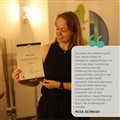
Die Flexyfity Academy ist so gut aufbereitet - die Videos, die Skripte, die Prüfungen - alles ist verständlich, gut strukturiert und es hat so viel Freude gemacht hier zu lernen. Bei technischen Problemen hat sich der Support innerhalb kürzester Zeit zurückgemeldet und ich habe mich stets bestens betreut gefühlt. Auch meine Prüfungsangst war schnell verflogen, weil die Prüfungsdozentin so nett gewesen ist. Ich freue mich schon jetzt auf weiter Kurse in der Academy und empfehle sie weiter.
vor 4 Tagen
Super und unkomplizierter Service!
vor 28 Tagen
Super Beratung, alles hat perfekt funktioniert. Sehr freundlicher und professioneller Service. Ich freue mich schon auf die Ausbildung und kann die Betreuung nur weiterempfehlen!
vor 29 Tagen
Sehr höfliche und sehr schnelle Beratung.
19.05.2026
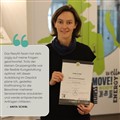
Ich bin mit Flexifit sehr zufrieden.
E-Mails werden immer schnell und hilfreich beantwortet und auch telefonisch bekommt man freundliche und kompetente Auskünfte.
Ich habe auch an den Kursen teilgenommen und fand die Kurse sehr gut organisiert und interessant.
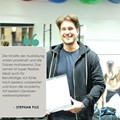
Die Vortragenden waren professionell und hilfsbereit.
Insgesamt bin ich sehr zufrieden und kann Flexifit nur weiterempfehlen.
13.05.2026
Schnelle und unkompliziert Hilfe! Der Kontakt war immer außerordentlich hilfsbereit und freundlich.
24.04.2026
Super Kundendienst
21.04.2026
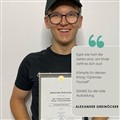
Fundierte Ausbildung, aussagekräftige Skripten und Videos, toller Support!
13.04.2026
Schnell und nicht aufwendig!
01.04.2026
Sehr umfangreiche und interessante Ausbildung.
Sehr nette und kompetente Referenten.
25.03.2026
Die Inhalte sind echt toll wie auch die Trainer. Es ist unkompliziert online eine Ausbildung neben Arbeit und Kindern zu verrichten.
Wenn eine Ausbildung dann wieder über flexifit
13.03.2026
Sehr nettes und kompetentes Team. Tolle Ausbildungen. Danke Euch 🙏🏽🫶🏽
06.03.2026
Bei Rückfragen zu einem Kurs, die ich über die Chat-Funktion gestellt habe, habe ich sofort Antwort bekommen und das Angebot für ein spontanes Telefonat. Da fühlt man sich gleich mal gut aufgehoben.
Nach dem Telefonat habe ich mich gut abgeholt gefühlt und zusätzlich alle besprochenen Punkte per Email schriftlich auch noch erhalten.
Großartig!! Das war der Auslöser, dass ich den Kurs auch sofort gebucht habe
14.02.2026
Kundenservice vorab zur Bestellung durch Melanie - sämtliche Fragen wurden umfassend und sehr rasch beantwortet
10.02.2026
Eine super tolle learning Plattform. Fragen egal welches Thema werden sehr schnell beantwortet.Note 1
05.02.2026
Tolles Service!
04.02.2026
Perfekte Unterlagen, unkompliziertes Verfahren und sehr gute Kursauswahl
29.01.2026
I got every info on time. Thank you
Bindegewebsmassage
Ausbildung
Dipl. Bindegewebsmasseur
Sportmassage Ausbildung: Hinter jedem Spitzensportler steht ein professionelles Betreuungsteam
Ihre Anfrage ist unterwegs zu uns und wir
werden sie so schnell wie möglich beantworten! Wir waren so frei und haben
Ihnen noch eine Bestätigung per Email an:
Bitte überprüfen Sie auch lhren SPAM Ordner
Wir wünschen noch einen flexytastischen Tag
Alle Kurstermine
Finde deinen Präsenzkurs
Auf einen Blick!
Dipl. Bindegewebsmasseur
Dipl. Sportmasseur - Unterstützen Sie Sportler bei Training & Regeneration
Die helfende Hand der Fitnessbranche
Die Sportmassage beschreibt eine spezielle, an die Anforderungen des Sports angepasste Form der Massage. Das Ziel einer Massage ist es, an gezielten Körperstellen die Durchblutung zu fördern und zu aktiveren oder zu entspannen. Erreicht wird dieses Ziel durch die Anwendung bestimmter Techniken an den betroffenen Körperpartien.
Als Sportmasseur unterstützen Sie Sportler bei Ihrem Training, indem Sie mit Präaktivitätsmassagen ihre Durchblutung verbessern, die Muskulatur lockern, und einen erhöhten Wachheitszustand hervorrufen.
Nach dem Training unterstützen Sie Sportler mit Entmüdungsmassagen / Postaktivitäsmassagen. Diese entspannende Massage dient zur Beruhigung und wird nach sportlicher Betätigung angewendet. Zum Ziel hat sie neben der verbesserten Regeneration die physische sowie psychische Bewältigung der erbrachten Leistung.
Was erwartet Sie in unserer Ausbildung?
Als Sportmasseur ist es für die Betreuung von Sportlern wichtig, über die Veränderung des Körpers durch Sport Bescheid zu wissen. Sie werden daher lernen, wie Sportmassagen die Stoffwechselvorgänge in der Muskulatur optimieren und die Regenerationszeit nach sportlicher Belastung verkürzen.
Sowohl Massage als auch Selbstmassage werden Kursinhalte dieses Moduls sein. Dabei wird zwischen Präaktivitätsmassagen und Entmüdungsmassagen differenziert. Wir zeigen Ihnen die richtige Anwendung und Dosierung der Griffe, zeigen wie Sie Funktionsprüfungen durchführen, und vieles mehr.
Auch Taping ist ein wesentlicher Bestandteil dieser Ausbildung. Sowohl funktionelles Taping als auch Kinesiotaping werden intensiv in der Praxis durchgenommen und angewendet.
Teilnahmebedingungen
Online oder schriftliche Anmeldung
Mindestalter 18 Jahre (Bei Teilnehmern unter 18 Jahren ist die schriftliche Zustimmung der Eltern Voraussetzung für die Anmeldung)
Abschlusszeugnis
Unsere Zertifikate sind weltweit gültig und werden in verschiedenen Varianten ausgestellt. Sie erhalten unser Zertifikat auf Wunsch in mehren Sprachen (DE, EN, ES), mit länderspezifischen Informationen sowie mit und ohne Notendruck.
Diese Varianten sind alle kostenlos zum online download verfügbar. Zusätzlich erhalten Sie ein Zertifikat ihrer Wahl gedruckt auf Sonderpapier mit Prägedruck.
Es wird folgende Urkunde (in mehren Sprachen DE, EN, ES) verliehen:
"Diplom Sportmasseur"
"Sportmasseur A-Lizenz"
Sie haben konkrete Fragen zur Ausbildung?
Wir freuen uns, Ihnen per Kontakt telefonisch, via E-Mail oder im Chat weiterhelfen zu können. Vielleicht finden Sie die Antwort auf Ihre Frage aber in unseren allgemeinen FAQ oder Sportmasseur FAQ.
Lehrinhalte - Das lernst du in der Ausbildung
Lernumfang
309 E |
Umfang
MKP
200
Massagekompetenz
PL
4
Präsenz | Selbstsstudium
RE
5
Literaturrecherche
LE
60
Selbststudium (Lerneinheiten)
TE
30
Praktische Umsetzung
AE
10
Zusatzaufgaben & Prüfungen
Unsere Ausbildungen sind grundsätzlich förderfähig. Ob dir eine Förderung genehmigt wird, entscheidet die jeweils zuständige Förderstelle.
Wir unterstützen dich gerne bei der Zusammenstellung aller notwendigen Kursinformationen, die du für deinen Förderantrag benötigst.
Selbstverständlich stehen wir dir während des gesamten Prozesses beratend zur Seite und begleiten dich von der ersten Anfrage bis zur Einreichung deines Antrags. Kontaktiere uns - wir kümmern uns darum, dass du bestmöglich vorbereitet bist!
Hier findest du eine ausführliche Übersicht aller enthaltenen Module, Fächer und Kapitel. Entdecke den gesamten Aufbau und Umfang der Ausbildung und verschaffe dir einen klaren Einblick in die vermittelten Inhalte.
Modul Massagekompetenz
Psychologische Grundlagen (Massage)
Das Unterrichtsfach "Psychologische Grundlagen" im Grundmodul Massagekompetenz vermittelt wesentliche Kenntnisse der Psychologie, die für den professionellen Umgang mit Klienten in der Massagepraxis entscheidend sind.
Die Teilnehmer erhalten Grundkenntnisse der Psychologie, insbesondere im Umgang mit Stress, Entspannung und emotionalen Reaktionen. Die Einführung in die psychologischen Aspekte der Massage hilft den Teilnehmern zu verstehen, wie sie mit Stress und emotionalen Reaktionen der Klienten umgehen können. Zudem werden Techniken zur Förderung von Entspannung und Wohlbefinden vermittelt.
Ein weiterer Schwerpunkt liegt auf den Kommunikationsfähigkeiten und dem Aufbau einer therapeutischen Beziehung. Es wird die Bedeutung der Kommunikation in der Massagepraxis betont und gelehrt, wie man eine therapeutische Beziehung aufbaut und pflegt. Dabei spielen Empathie und die Wahrung einer professionellen Distanz im Umgang mit Klienten eine wichtige Rolle.
Dieses Fach bietet eine fundierte Ausbildung in den Bereichen psychologisches Wissen und Kommunikationsfähigkeiten, um eine vertrauensvolle und unterstützende Umgebung für Klienten zu schaffen und deren Wohlbefinden zu fördern.
Pathologie in der Massage
Das Unterrichtsfach "Pathologie" im Grundmodul Massagekompetenz vermittelt wesentliche Kenntnisse, die für eine sichere und effektive Massagepraxis unerlässlich sind.
Die Grundlagen der Pathologie und häufige Krankheitsbilder werden behandelt, einschließlich:
Einführung in die Pathologie
Wichtige Krankheitsbilder, die bei der Massage berücksichtigt werden müssen
Auswirkungen verschiedener Erkrankungen auf den Körper und die Muskulatur
Darüber hinaus lernen die Teilnehmer die Indikationen und Kontraindikationen für Massagen kennen:
Definition und Bedeutung von Indikationen und Kontraindikationen
Erkennung und Einschätzung von Indikationen
Identifizierung von Kontraindikationen und der Umgang damit
Ein weiterer wichtiger Aspekt ist die Erkennung und der Umgang mit medizinischen Notfällen während einer Massage, einschließlich:
Häufige medizinische Notfälle
Notfallmanagement und Sofortmaßnahmen
Zusammenarbeit mit medizinischem Fachpersonal
Massagetechniken und Griffe
Im Unterrichtsfach "Massagetechniken und Praktiken" werden grundlegende Massagetechniken mittels Online-Lernvideos vermittelt. Diese Videos bieten den Teilnehmern eine umfassende Einführung in die verschiedenen Techniken und ermöglichen es ihnen, sich in ihrem eigenen Tempo mit den Grundlagen vertraut zu machen. Im praktischen Modul "Massagegriffe und Hygiene" werden diese Techniken dann vor Ort intensiv geübt und vertieft.
Die Teilnehmer haben die Möglichkeit, durch die Lernvideos die verschiedenen Massagegriffe kennenzulernen und sich diese Schritt für Schritt anzueignen. Dadurch sind sie optimal auf die praktischen Übungen vorbereitet. Vor Ort können sie das Gelernte anwenden und durch direkte Anleitung von erfahrenen Dozenten und Trainern verbessern.
Berufsethik und Professionalität
Das Unterrichtsfach "Berufsethik und Professionalität" im Grundmodul Massagekompetenz vermittelt wesentliche ethische Grundsätze und Verhaltensregeln, die für eine professionelle Massagepraxis unerlässlich sind. Die Schulung beginnt mit einer Einführung in die berufliche Ethik, wobei die ethischen Grundsätze und deren Bedeutung in der Praxis ausführlich behandelt werden. Teilnehmer lernen, wie sie mit ethischen Dilemmata umgehen und Entscheidungen treffen, die im besten Interesse ihrer Klienten liegen.
Ein weiterer wichtiger Aspekt ist der Umgang mit Klienten, Datenschutz und Vertraulichkeit. Die Schulung umfasst Richtlinien für den professionellen Umgang mit Klienten, die Einhaltung von Datenschutzrichtlinien und die Wahrung der Vertraulichkeit. Es wird betont, wie wichtig Vertrauen und Respekt in der Beziehung zu Klienten sind und wie diese Werte durch professionelle Praxis aufrechterhalten werden können.
Darüber hinaus werden Grundlagen des professionellen Auftretens und effektive Kommunikationsstrategien vermittelt. Die Teilnehmer lernen, wie sie ein professionelles Erscheinungsbild bewahren und eine erfolgreiche Beziehung zu ihren Klienten aufbauen können. Kommunikationsstrategien für den Umgang mit Klienten, einschließlich Techniken für das Konfliktmanagement und die Konfliktlösung, werden ebenfalls behandelt. Dieses Fach legt großen Wert auf die Entwicklung einer professionellen Haltung und die Fähigkeit, in verschiedenen Situationen angemessen und ethisch zu handeln.
Ergonomie und Selbstpflege
Das Unterrichtsfach "Ergonomie und Selbstpflege" im Grundmodul Massagekompetenz fokussiert auf die richtige Körperhaltung und Ergonomie für Therapeuten, um Überlastung und Verletzungen zu vermeiden. Die Bedeutung der Ergonomie in der Massagepraxis wird hervorgehoben, und es werden Techniken zur Vermeidung von Überlastung vermittelt. Praktische Übungen zur Verbesserung der Körperhaltung sind ebenfalls ein zentraler Bestandteil dieses Moduls.
Zusätzlich werden Techniken zur Selbstpflege und Regeneration für Therapeuten gelehrt. Die Wichtigkeit der Selbstpflege wird betont, da sie entscheidend für die langfristige Gesundheit und Leistungsfähigkeit der Therapeuten ist. Es werden Selbstmassagetechniken und Entspannungsübungen vorgestellt, die Therapeuten helfen, sich selbst zu pflegen. Strategien zur Regeneration und Prävention von Verletzungen werden ebenfalls behandelt, um eine nachhaltige Praxis zu gewährleisten und die Gesundheit der Therapeuten zu schützen.
Kundenmanagement und Marketing
Das Unterrichtsfach "Kundenmanagement und Praxisführung" im Grundmodul Massagekompetenz vermittelt wesentliche Kenntnisse für den erfolgreichen Betrieb einer Massagepraxis. Es beginnt mit dem Aufbau und der Pflege einer Klientenkartei, wobei die Bedeutung einer gut gepflegten Klientenkartei hervorgehoben wird. Die Teilnehmer lernen Techniken zur effektiven Verwaltung der Klientendaten sowie die Einhaltung von Datenschutz und rechtlichen Anforderungen.
Ein weiterer Schwerpunkt ist die Gestaltung und Pflege des Arbeitsumfelds. Hier lernen die Teilnehmer, wie sie den Massagebereich optimal gestalten können, um eine einladende Atmosphäre zu schaffen. Es werden hohe Hygiene- und Sauberkeitsstandards vermittelt, und die Notwendigkeit der regelmäßigen Wartung und Pflege der Massageräume und -geräte wird betont.
Der dritte Bereich des Fachs konzentriert sich auf Marketing und Kundenbindung. Die Grundlagen des Marketings für Massagepraxen werden erläutert, und die Teilnehmer entwickeln Strategien zur Gewinnung und Bindung von Kunden. Dabei wird auch die Nutzung von Social Media und anderen digitalen Marketingtools thematisiert, um die Reichweite und Bekanntheit der Praxis zu erhöhen.
Dieses Fach bietet eine umfassende Ausbildung in den Bereichen Kundenmanagement, Praxisführung und Marketing, um den erfolgreichen Betrieb und das Wachstum Ihrer Massagepraxis sicherzustellen.
Hygiene und Sicherheit
Das Unterrichtsfach "Hygiene" im Grundmodul Massagekompetenz behandelt umfassend die wesentlichen Hygienestandards und Sicherheitsmaßnahmen in der Massagepraxis.
Es beginnt mit der Bedeutung der Hygiene in der Massagepraxis, gefolgt von detaillierten Hygienerichtlinien und deren Umsetzung. Die Teilnehmer erhalten praktische Tipps für die Aufrechterhaltung der Hygiene, um eine sichere und saubere Arbeitsumgebung zu gewährleisten.
Ein weiterer Schwerpunkt liegt auf den Sicherheitsmaßnahmen. Hier werden Sicherheitsvorkehrungen für den Praxisalltag vorgestellt, einschließlich spezifischer Schutzmaßnahmen für Masseure und Klienten.
Anatomie
Wir bilden die besten Trainerinnen und Trainer in der Fitnessbranche aus. Von Anfang bis zum Ende und darüber hinaus begleiten und betreuen wir unsere Absolventen/Innen.
Funktionelle Anatomie ist die Grundlage für jeden Trainer/jede Trainerin im Sport und Gesundheitsbereich. Mit diesem Fachkurs erhalten Sie einen umfassenden Einblick in die Anatomie des menschlichen Körpers und erwerben damit ein profundes Wissen.
Der Kurs wird so lebendig und verständlich wie möglich gestaltet, mit Hilfe verschiedener Lehr- und Lerntechniken - angepasst auf die Bedürfnisse von Fitness & PersonaltrainerIn.
Ziel ist es, die Zusammenhänge von Bewegungsabläufen zu erkennen und die wichtigsten lateinischen Fachausdrücke zu verstehen.
Physiologie
Gute Kenntnisse der Physiologie des Menschen und die damit verbundenen Funktionen im Köper sind für alle im Sportbereich tätigen TrainerInnen eine notwendige Voraussetzung zur adäquaten Ausübung ihres Berufes.
Mit diesem Kurs werden Ihnen die Zusammenhänge des menschlichen Organismus "begreifbar" gemacht. Reisen Sie mit uns durch den menschlichen Körper und verstehen Sie die Funktionen des Organismus für Ihr neues Berufsbild im Sport.
Im Unterrichtsfach wird möglichst praxisnah und spannend die Energiebereitstellung des Muskels, das Herzkreislaufsystem und das Atmungssystem erkundet.
Eine gute Sport-Ausbildung beginnt an der Basis mit Anatomie und Physiologie.
Erste Hilfe & Sportverletzung
Da im Sport Verletzungen an der Tagesordnung stehen, ist es wichtig, über die Ursachen und Folgen der häufigsten Verletzungen Bescheid zu wissen. Im Fall der Fälle muss der/die Personaltrainerin schnell und richtig reagieren können!
Außerdem hilft das Verständnis diverser Verletzungsbilder, diese bereits präventiv vermeiden zu können.
Modul Bindegewebsmassage
Grundlagen der Bindegewebsmassage
Die Bindegewebsmassage ist weit mehr als eine manuelle Grifftechnik: Sie gilt als besonders tief wirkender Zugang über Haut und Faszien zum vegetativen Nervensystem. In diesem Unterrichtsfach lernst du, wie diese Methode entstanden ist, warum sie sich in der manuellen Therapie etabliert hat und weshalb sie bis heute in vielen Behandlungskonzepten einen festen Platz einnimmt.
Du erhältst einen strukturierten Überblick über die theoretischen Grundlagen der Bindegewebsmassage und ihre besondere Wirkungsweise. Ein Schwerpunkt liegt auf den reflektorischen Zusammenhängen zwischen Haut, Bindegewebe und inneren Organen: Du verstehst, wie gezielt gesetzte Reize im Gewebe regulierend auf den gesamten Organismus wirken können und warum die Wahrnehmung von Spannung, Zug und Gewebereaktion dabei so wichtig ist.
Außerdem lernst du klar zu unterscheiden, worin sich die Bindegewebsmassage von der klassischen Massage unterscheidet - sowohl in Zielsetzung und Griffqualität als auch in der Art, wie der Körper auf die Behandlung reagieren kann. Damit schaffst du dir eine fundierte Basis, um die folgenden Praxisfächer sicher zu verstehen und die Methode professionell einzuordnen.
Anatomische & physiologische Grundlagen
Wer mit der Bindegewebsmassage arbeitet, braucht mehr als Technik: Du musst verstehen, wie der Körper "in der Tiefe" organisiert ist und warum bestimmte Reize an der Oberfläche reflektorische Effekte im gesamten Organismus auslösen können. In diesem Unterrichtsfach baust du das anatomische und physiologische Fundament auf, das für eine sichere, wirksame und verantwortungsvolle Bindegewebsarbeit notwendig ist.
Du lernst den Aufbau von Haut, Unterhaut und Bindegewebe kennen und verstehst, welche Funktionen diese Schichten übernehmen und wie sie miteinander interagieren. Dadurch kannst du Gewebereaktionen besser einschätzen, Behandlungstechniken gezielter anwenden und die Wirkung der Bindegewebsmassage fachlich korrekt einordnen.
Ein zentraler Schwerpunkt ist die Zuordnung von Dermatomen, Myotomen und Viszerotomen. Du erfährst, wie diese Segmente mit Nervenversorgung, Muskulatur und Organbezügen zusammenhängen und warum sie in der reflektorischen Arbeit so wichtig sind. Ergänzend vertiefst du dein Wissen über das vegetative Nervensystem und lernst, wie Reflexbögen funktionieren. Genau diese neurophysiologischen Zusammenhänge bilden die Grundlage dafür, dass Bindegewebsreize regulierend wirken können.
Dieses Fach liefert dir die nötige Orientierung, um spätere Praxisinhalte nicht nur "nachzumachen", sondern fachlich zu verstehen und in der Anwendung sicher zu bleiben.
Indikationen & Kontraindikationen (BGM)
Professionelle Bindegewebsarbeit beginnt mit einer klaren Entscheidung: Wann ist eine Bindegewebsmassage sinnvoll - und wann nicht? In diesem Unterrichtsfach lernst du, typische Anwendungsbereiche der Bindegewebsmassage fachlich einzuordnen und Behandlungen verantwortungsvoll zu planen.
Du beschäftigst dich damit, bei welchen Beschwerdebildern die Methode häufig eingesetzt wird - zum Beispiel bei Rückenbeschwerden, Durchblutungsstörungen oder funktionellen Organproblemen. Dabei geht es nicht um "Schema F", sondern um ein sicheres Verständnis dafür, welche Ziele mit reflektorischer Arbeit verfolgt werden können und wie du Behandlungsentscheidungen im Praxisalltag nachvollziehbar triffst.
Genauso wichtig ist die Auseinandersetzung mit den Grenzen der Methode. Du lernst, Kontraindikationen zu erkennen, Warnsignale richtig zu bewerten und Verantwortung im gewerblichen Kontext zu übernehmen. Dadurch entwickelst du Sicherheit darin, Situationen zu identifizieren, in denen eine Behandlung nicht geeignet ist oder eine Weiterverweisung an medizinisches Fachpersonal notwendig wird.
Dieses Fach stärkt deine Professionalität und ist eine zentrale Grundlage für einen sicheren, verantwortungsvollen Praxisalltag mit Bindegewebsmassage.
Grifftechniken der Bindegewebsmassage
In der Bindegewebsmassage macht die Technik den Unterschied: Sie entscheidet darüber, wie wirksam eine Behandlung ist, wie sicher du arbeitest und wie professionell das Ergebnis ausfällt. In diesem praxisintensiven Unterrichtsfach lernst du die wichtigsten Grifftechniken der Bindegewebsmassage systematisch kennen und trainierst ihre korrekte Anwendung.
Du übst zentrale Techniken wie Zugtechniken, Schubtechniken und Rolltechniken und entwickelst ein sicheres Gefühl dafür, wie sich oberflächliches und tieferes Bindegewebe anfühlt und wie du gezielt darin arbeiten kannst. Dabei lernst du, Gewebereaktionen wahrzunehmen, Spannungslinien zu erkennen und deine Griffqualität so zu steuern, dass die Behandlung präzise und kontrolliert bleibt.
Ein weiterer Schwerpunkt ist die richtige Dosierung der Reizstärke: Du lernst, Intensität und Tempo an Konstitution, Empfindlichkeit und Ziel der Behandlung anzupassen. Ebenso wichtig ist deine eigene Ergonomie. Du trainierst eine kraftsparende Arbeitsweise, eine stabile Körperposition und saubere Bewegungsabläufe, damit du langfristig gesund arbeiten kannst.
Dieses Fach gibt dir die technische Sicherheit, um Bindegewebsmassage präzise, wirkungsvoll und verantwortungsvoll in der Praxis anzuwenden.
Praktische Anwendung - Körperareale (BGM)
In diesem Praxisfach wird aus Wissen echte Anwendung: Du setzt die erlernten Grifftechniken der Bindegewebsmassage gezielt an unterschiedlichen Körperarealen um und entwickelst Sicherheit in Ablauf, Griffqualität und Behandlungsstruktur.
Du arbeitest intensiv an typischen Schwerpunktregionen wie Rücken- und Beckenbereich, Schulter-Nacken-Zone sowie an den Extremitäten. Dabei lernst du, häufige Spannungs- und Reizzonen zu erkennen, Gewebereaktionen richtig zu interpretieren und die Behandlung so zu dosieren, dass sie wirksam und gleichzeitig kontrolliert bleibt.
Ein wichtiger Teil des Unterrichts ist das Verständnis für Zusammenhänge: Du erfährst, wie einzelne Körperareale funktionell miteinander verbunden sind und warum sich Spannungsmuster oft über mehrere Regionen zeigen. Außerdem trainierst du, Übergänge fließend zu gestalten, damit die Behandlung nicht "stückweise", sondern als stimmiges Gesamterlebnis wirkt.
Zentral ist der Aufbau einer vollständigen Behandlung - von der Vorbereitung über die strukturierte Durchführung bis zum Abschluss. So bekommst du eine klare Praxisroutine, die du später direkt in Studio- oder Praxisalltag übernehmen kannst.
Behandlungsaufbau & Praxisintegration (BGM)
Eine Bindegewebsmassage wirkt am besten, wenn sie nicht nur technisch korrekt ist, sondern auch in einem klaren Konzept stattfindet. In diesem Unterrichtsfach lernst du, Bindegewebsmassagen strukturiert aufzubauen und so in deinen Praxisalltag zu integrieren, dass sie planbar, nachvollziehbar und professionell durchführbar sind.
Du beschäftigst dich mit dem sinnvollen Behandlungsaufbau: Wie du Dauer und Intensität passend wählst, wie eine Serienplanung aussehen kann und wie du die Behandlung an unterschiedliche Ziele und Beschwerdebilder anpasst. Dadurch entwickelst du Sicherheit in der praktischen Umsetzung - egal ob du einzelne Sitzungen anbietest oder Behandlungen als wiederkehrendes Konzept planst.
Ein weiterer Schwerpunkt ist die professionelle Kundenkommunikation. Du lernst, Behandlungen verständlich zu erklären, Erwartungen realistisch zu steuern und deine Vorgehensweise so zu formulieren, dass Kund:innen den Nutzen und den Ablauf klar nachvollziehen können. Ergänzend trainierst du eine saubere Dokumentation, damit deine Arbeit strukturiert bleibt und du Fortschritte sowie Reaktionen besser einordnen kannst.
Außerdem lernst du, wie sich die Bindegewebsmassage mit anderen Massagetechniken kombinieren lässt - als Ergänzung, Schwerpunkt oder sinnvoller Baustein innerhalb eines ganzheitlichen Angebots. So kannst du dein Leistungsportfolio klar positionieren und professionell im Markt auftreten.
Karriere danach - so kann es nach der Ausbildung weitergehen
Was macht ein Sportmasseur?
Ein Sportmasseur betreut Sportler und unterstützt diese in den Bereichen Leistungsfähigkeit und Regeneration. So umfassen die Aufgabenbereiche neben Sportmassage und Entmüdungsmassage auch klassisches und Kinesiotapen. Auch im Bereich der Sporttraumatologie und Wettkampfvorbereitung sind Sportmasseure ausgebildet.
Wo arbeiten Sportmasseure?
Als Sportmasseur können Sie die Sportmassage zusätzlich neben einer Tätigkeit als Fitness- und Personaltrainer nutzen, um Ihre Kunden auch in dem Bereich Massage, Aktivierung oder Regeneration nach dem Training zu betreuen. Sollten Sie anstreben sich mit der Ausbildung selbstständig zu machen, würden Sie zusätzlich den medizinischen Masseur oder Heilmasseur benötigen.
Was verdient ein Masseur?
Für Masseure im Bereich Fitness und Gesundheitsprävention ist ein recht breiter Gehaltsrahmen angesetzt. Das Bruttoeinkommen in einer Festanstellung reicht von €1.400 bis €4.000 monatlich, abhängig vom Arbeitgeber. Dazu kommt oft noch Trinkgeld, welches nicht versteuert werden muss.
In Selbstständigkeit ist der Stundensatz natürlich abhängig davon, welche Leistungen man bietet. Zwischen 50€ und 120€ Stundensatz für Sportmassagen ist ein realistischer Rahmen. Allerdings kommt in der Selbstständigkeit natürlich hinzu, dass man eventuell Räumlichkeiten benötigt.
Wie hilft mir Flexyfit bei der Jobsuche?
Auf unserer Plattform Sportkarriere listen wir immer wieder Job-Inserate von Fitnessstudios. Dort kannst du dich direkt auf Jobs als Fitnesstrainer, Filialleiter, Instructor oder Studiomitarbeiter bewerben.
Förderung & Bildungskarenz - so funktionierts
Kann ich mir die Ausbildung fördern lassen?
Für Ausbildungen an der Flexyfit Sports Academy gibt es eine Vielzahl an Förderungsmöglichkeiten. Bundesländerspezifische und EU-Förderungen sowie steuertechnische Möglichkeiten bilden dafür die Grundlage.
Wir möchten jedoch darauf hinweisen, dass für die Entscheidung über die Vergabe bzw. Förderhöhe ausschließlich die jeweilige Förderstelle verantwortlich ist.
Gerne helfen wir dabei, eine passende Förderstelle zu finden und stellen alle Kursinformationen zusammen, die Sie für einen Förderantrag brauchen. Den Antrag selbst müssen Sie bei den Förderstellen einbringen.
Abhängig vom Förderinstitut werden die Ausbildungskosten nach bestätigtem Förderansuchen entweder direkt übernommen (z.B. AMS), oder Ihnen nach erfolgreichem Ausbildungsabschluss vollständig oder anteilig zurückgezahlt (z.B. waff). Bitte erkundigen Sie sich eigenständig bei den Förderinstituten, wie die Finanzierung funktioniert.
Kann ich mir für die Ausbildung Bildungskarenz nehmen?
Ja, der Großteil unserer Lehrgänge sind für die Bildungskarenz geeignet.
Wenn Sie sich weiterbilden wollen, ohne ihr Arbeitsverhältnis zu kündigen, können Sie mit Ihrer Arbeitgeberin oder Ihrem Arbeitgeber eine Bildungskarenz vereinbaren. Das bedeutet Sie werden für die Dauer der Weiterbildung von der Arbeit freigestellt.
Sie können Ihre Bildungskarenz von maximal 1 Jahr innerhalb von 4 Jahren konsumieren - es gibt 3 Möglichkeiten:
Bildungskarenz auf 12 Monate
Bildungskarenz aufgeteilt, allerdings muss jeder Teil mind. 2 Monate dauern. Die Teile müssen innerhalb von 4 Jahren konsumieren.
Bildungskarenz mit einer Bildungsteilzeit auf 2 Jahre verteilt
Wichtig ist, dass ihr Arbeitgeber mit einer Bildungskarenz einverstanden ist. Sie weisen die von uns ausgestellten Bildungspläne im Ausmaß von 20 Stunden pro Woche bei einer Vollzeit Bildungskarenz, oder mind. 10 Stunden bei einer Teilzeit Bildungskarenz nach.
Sie müssen regelmäßig den Fortschritt der Ausbildung nachweisen. Zum Beispiel in Form von Prüfungen oder Anwesenheitsbestätigung, die Sie von uns ausgestellt bekommen.
Welche Massage Arten, Unterschiede und Ausbildungen gibt es?
Massage ist eine weltweit verbreitete Gesundheitstechnik, die in zahlreichen unterschiedlichen Formen praktiziert wird. Diese Variationen werden oft nach ihrem Ursprungsland benannt, wie beispielsweise die Ayurvedische Massage, oder nach der spezifischen Körperregion, die behandelt wird, wie die Kopfmassage, Nacken- und Schultermassage oder die Rückenmassage. Einige Massagen sind nach dem Entwickler der Technik benannt, wie die Manipulativmassage nach Terrier, andere nach der verwendeten Methode, wie die Lymphdrainage, Reflexzonenmassage, oder den eingesetzten Hilfsmitteln, wie die Honigmassage, Bambusmassage oder die Hot Stone Massage. Außerdem gibt es Massagen, die nach ihrem Ziel benannt sind, wie die Pränaltalmassage (Schwangerschaftsmassage), Heilmassage oder die Sportmassage.
Die Ausbildungsmöglichkeiten in diesem Bereich sind ebenso vielfältig. Sie reichen von der Heilmassage über die chinesische Tuina-Massage, die japanische Shiatsu-Massage, die Thai-Massage bis hin zur hawaiianischen Lomi Lomi Nui-Massage, um nur einige Beispiele zu nennen. Jede dieser Massagetechniken erfordert spezifische Kenntnisse und Fähigkeiten, die Sie bei uns in spezialisierten Lehrgänge erlernt werden können.
Aus welchen Ländern stammen die Ursprünge der verschiedenen Massageformen?
Es gibt viele verschiedene Arten von Massagen, die nach ihrem Herkunftsgebiet benannt sind. Hier sind einige bekannte Beispiele:
Thai-Massage (Thailand): Diese Massage kombiniert Akupressur, ayurvedische Prinzipien und Yogapositionen, um den Energiefluss im Körper zu fördern.
Schwedische Massage (Schweden): Eine weit verbreitete Technik, die durch lange, gleitende Streichbewegungen, Knetungen, Reibungen, Klopfungen und Vibrationen gekennzeichnet ist.
Tibetische Massage (Tibet): Diese Massage basiert auf den Prinzipien der tibetischen Medizin und verwendet spezielle Öle und Techniken, um Körper und Geist in Einklang zu bringen.
Hawaiianische Lomi Lomi Massage (Hawaii): Diese Massage verwendet großflächige, fließende Bewegungen, die oft mit den Unterarmen durchgeführt werden, um tiefe Entspannung und Heilung zu fördern.
Balinesische Massage (Bali, Indonesien): Eine Kombination aus sanften Dehnungen, Akupressur und aromatherapeutischen Ölen, die für ihre entspannenden und revitalisierenden Effekte bekannt ist.
Shiatsu (Japan): Eine japanische Technik, die Druck auf bestimmte Körperpunkte ausübt, um den Energiefluss zu regulieren und das Gleichgewicht im Körper wiederherzustellen.
Tuina (China): Eine traditionelle chinesische Massage, die Druck, Dehnungen und Manipulationen nutzt, um Blockaden im Energiefluss zu lösen und die Gesundheit zu fördern.
Ayurvedische Massage (Indien): Diese Massageform verwendet warme Kräuteröle und Techniken, die auf den Prinzipien der ayurvedischen Medizin basieren, um Körper und Geist zu reinigen und zu revitalisieren.
Koreanische Handmassage (Korea): Eine spezielle Technik, die sich auf die Handflächen konzentriert und Reflexzonen stimuliert, um die allgemeine Gesundheit zu verbessern.
Diese Massagetechniken spiegeln die kulturellen und medizinischen Traditionen ihrer Herkunftsländer wider und bieten unterschiedliche Ansätze zur Förderung von Gesundheit und Wohlbefinden.
Einige Massagearten die auf bestimmt Körperregionen abzielen
Welche Massagen zielen auf welche Körperregionen ab?
Es gibt viele Arten von Massagen, die auf bestimmte Körperregionen abzielen. Hier sind einige Beispiele:
Kopfmassage: Diese Massage konzentriert sich auf Kopf, Gesicht und Nacken, um Spannungen zu lindern und die Durchblutung zu verbessern. Sie kann auch bei Kopfschmerzen und Migräne helfen.
Nacken- und Schultermassage: Diese Massage zielt auf die Muskeln im Nacken- und Schulterbereich ab, um Verspannungen und Schmerzen zu lindern, die oft durch Stress oder eine schlechte Körperhaltung verursacht werden.
Rückenmassage: Eine Massage, die sich auf den Rückenbereich konzentriert und oft zur Linderung von Rückenschmerzen und zur Entspannung der Rückenmuskulatur eingesetzt wird.
Fußreflexzonenmassage: Diese Technik stimuliert spezifische Punkte an den Füßen, die mit verschiedenen Organen und Körperteilen korrespondieren, um das allgemeine Wohlbefinden zu fördern.
Handmassage: Eine Massage, die auf die Hände abzielt, um Spannungen zu lösen und die Durchblutung zu fördern. Sie kann besonders für Menschen hilfreich sein, die viel mit den Händen arbeiten.
Bauchmassage: Diese Massage konzentriert sich auf den Bauchbereich und kann Verdauungsprobleme lindern und die Funktion der inneren Organe unterstützen.
Gesichtsmassage: Diese Massage fördert die Durchblutung und Entspannung der Gesichtsmuskulatur und kann auch zur Verbesserung des Hautbildes beitragen.
Brustmassage: Diese Technik kann helfen, die Atemwege zu öffnen und die Atmung zu verbessern, indem sie die Muskeln im Brustbereich lockert.
Bein- und Fußmassage: Diese Massageform zielt auf die Entspannung und Durchblutung der Beine und Füße ab, was besonders nach langem Stehen oder Gehen wohltuend ist.
Ganzkörpermassage: Diese umfassende Massage behandelt alle Hauptkörperregionen, um eine vollständige Entspannung und Wohlbefinden zu fördern.
Jede dieser Massagen kann an die spezifischen Bedürfnisse und Vorlieben des Einzelnen angepasst werden, um gezielt Verspannungen zu lösen und die Gesundheit zu verbessern.
Massagetechniken die nach ihren Erfindern oder Entwicklern benannt wurden
Es gibt verschiedene Massagetechniken, die nach ihren Erfindern oder Entwicklern benannt sind
Es gibt verschiedene Massagetechniken, die nach ihren Erfindern oder Entwicklern benannt sind. Hier sind einige Beispiele:
Manipulativmassage nach Terrier: Diese Technik wurde von Dr. James Terrier entwickelt und kombiniert manuelle Therapie mit Massage, um die Beweglichkeit und Funktion des Bewegungsapparates zu verbessern.
Rolfing (nach Ida Rolf): Von Dr. Ida Rolf entwickelte strukturelle Integrationstechnik, die darauf abzielt, das Bindegewebe zu reorganisieren und die Körperhaltung zu verbessern.
Alexander-Technik (nach F. M. Alexander): Diese Methode, entwickelt von Frederick Matthias Alexander, konzentriert sich auf die Verbesserung der Körperhaltung und Bewegungsmuster durch bewusste Kontrolle und Wahrnehmung des Körpers.
Bowen-Therapie (nach Tom Bowen): Eine sanfte Technik, entwickelt von Tom Bowen, die durch leichte, präzise Griffe die Selbstheilungskräfte des Körpers anregen soll.
Feldenkrais-Methode (nach Moshe Feldenkrais): Diese Technik, entwickelt von Moshe Feldenkrais, kombiniert sanfte Bewegungen und Bewusstseinsübungen, um das Bewegungsrepertoire zu erweitern und Schmerzen zu lindern.
Esalen-Massage (nach dem Esalen-Institut): Diese Massageform wurde am Esalen-Institut in Kalifornien entwickelt und kombiniert verschiedene Techniken, um eine tief entspannende und integrative Erfahrung zu bieten.
Lomi Lomi Nui (nach den traditionellen hawaiianischen Heilern): Diese hawaiianische Massageform wurde von den Kahunas (traditionelle Heiler) weitergegeben und kombiniert lange, fließende Bewegungen mit Atemtechniken und Ritualen.
Trager-Methode (nach Milton Trager): Diese Technik, entwickelt von Dr. Milton Trager, nutzt sanfte, rhythmische Bewegungen, um die Beweglichkeit zu verbessern und Spannungen zu lösen.
Diese Massagetechniken reflektieren die individuellen Philosophien und Ansätze ihrer Entwickler und bieten eine Vielzahl von Möglichkeiten zur Förderung von Gesundheit und Wohlbefinden.
Massagearten die nach der angewandten Technik benannt wurden
Es gibt viele verschiedene Massagearten, die nach der angewandten Technik benannt sind.
Es gibt viele verschiedene Massagearten, die nach der angewandten Technik benannt sind. Hier sind einige Beispiele:
Akupressur-Massage: Diese Technik basiert auf den Prinzipien der traditionellen chinesischen Medizin und verwendet Druck auf bestimmte Punkte des Körpers, um den Energiefluss zu regulieren und Blockaden zu lösen.
Tiefengewebsmassage: Diese Massage zielt auf die tieferen Schichten der Muskulatur und des Bindegewebes ab, um chronische Verspannungen und Verklebungen zu lösen.
Triggerpunktmassage: Diese Technik konzentriert sich auf spezifische Punkte in den Muskeln, die Schmerzen in anderen Körperbereichen verursachen können. Durch Druck auf diese Triggerpunkte können Schmerzen gelindert und Muskelverspannungen gelöst werden.
Myofasziale Release: Diese Technik zielt darauf ab, die Faszien (das Bindegewebe, das die Muskeln umhüllt) zu lösen und deren Beweglichkeit zu verbessern. Dies geschieht durch langsamen, tiefen Druck und Dehnung.
Shiatsu: Eine japanische Massageform, die Druck, Dehnungen und andere Techniken verwendet, um das Gleichgewicht im Körper zu fördern und den Energiefluss zu regulieren.
Sportmassage: Diese Technik ist speziell auf die Bedürfnisse von Sportlern abgestimmt und verwendet verschiedene Methoden, um die Leistungsfähigkeit zu verbessern, Verletzungen vorzubeugen und die Regeneration zu fördern.
Aromatherapie-Massage: Diese Massage kombiniert sanfte, entspannende Techniken mit ätherischen Ölen, um sowohl körperliche als auch geistige Entspannung zu fördern.
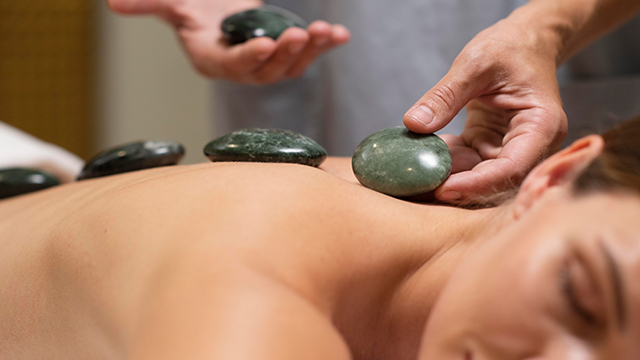
Hot Stone Massage: Diese Technik verwendet erwärmte Basaltsteine, die auf bestimmte Bereiche des Körpers gelegt oder in die Massage integriert werden, um die Muskeln zu entspannen und die Durchblutung zu fördern.
Thai-Yoga-Massage: Diese Technik kombiniert Elemente der Thai-Massage und des Yoga. Der Therapeut verwendet Dehnungen, Druck und Bewegungen, um den Energiefluss zu harmonisieren und die Flexibilität zu verbessern.
Lymphdrainage: Diese sanfte Technik zielt darauf ab, den Lymphfluss zu verbessern und Schwellungen zu reduzieren, indem die Lymphknoten und -gefäße stimuliert werden.
Reflexzonenmassage: Diese Technik stimuliert spezifische Reflexzonen an den Füßen, Händen oder Ohren, die mit anderen Körperteilen korrespondieren, um das allgemeine Wohlbefinden zu fördern.
Jede dieser Techniken hat spezifische Anwendungen und kann individuell angepasst werden, um die Bedürfnisse und Vorlieben des Einzelnen zu berücksichtigen.
Massagearten die nach den verwendeten Mitteln benannt wurden
Es gibt viele Massagearten, die nach den verwendeten Mitteln benannt sind.
Es gibt viele Massagearten, die nach den verwendeten Mitteln benannt sind. Hier sind einige Beispiele:
Hot Stone Massage: Bei dieser Massage werden erwärmte Basaltsteine verwendet, die auf bestimmte Bereiche des Körpers gelegt oder in die Massage integriert werden, um die Muskeln zu entspannen und die Durchblutung zu fördern.
Aromatherapie-Massage: Diese Massage kombiniert sanfte, entspannende Techniken mit ätherischen Ölen, die individuell ausgewählt werden, um sowohl körperliche als auch geistige Entspannung zu fördern.
Kräuterstempel-Massage: Bei dieser Technik werden warme, mit Kräutern gefüllte Stempel verwendet, um die Haut zu massieren und gleichzeitig die wohltuenden Eigenschaften der Kräuter zu nutzen.
Schokoladenmassage: Hierbei wird warme Schokolade auf die Haut aufgetragen und einmassiert, um die Haut zu pflegen und für ein sinnliches Erlebnis zu sorgen.
Honigmassage: Diese Technik nutzt Honig, der auf die Haut aufgetragen und durch spezielle Griffe und Bewegungen einmassiert wird, um die Durchblutung zu fördern und die Haut zu pflegen.
Salzmassage: Bei dieser Massage wird Salz als Peeling verwendet, um abgestorbene Hautzellen zu entfernen und die Haut zu revitalisieren.
Eis- oder Kryomassage: Diese Technik verwendet kalte Gegenstände oder Eis, um Entzündungen zu reduzieren, Schmerzen zu lindern und die Durchblutung zu fördern.
Schröpfmassage: Hierbei werden Schröpfgläser verwendet, die auf die Haut aufgesetzt und sanft bewegt werden, um die Durchblutung zu fördern und Muskelverspannungen zu lösen.
Seifenmassage: Diese Massageform nutzt schäumende Seife, die auf den Körper aufgetragen und einmassiert wird, oft in Verbindung mit einem Dampfbad, um die Haut zu reinigen und zu erfrischen.
Bambusmassage: Bei dieser Technik werden Bambusstäbe verwendet, um Druck und Dehnung auf die Muskeln auszuüben, was besonders tief entspannend und revitalisierend wirken kann.
Ayurvedische Ölmassage (Abhyanga): Diese traditionelle indische Massage verwendet warme Kräuteröle, die großzügig auf den Körper aufgetragen und einmassiert werden, um die Gesundheit und das Wohlbefinden zu fördern.
Diese Massagetechniken bieten eine Vielzahl von Ansätzen, die durch die Verwendung unterschiedlicher Mittel spezifische therapeutische Wirkungen erzielen können.
Es gibt viele verschiedene Massagearten, die nach ihrem Zweck benannt sind
Es gibt viele verschiedene Massagearten, die nach ihrem Zweck benannt sind. Hier sind einige Beispiele:
Heilmassage (Therapeutische Massage): Diese Massageform zielt darauf ab, spezifische gesundheitliche Probleme zu behandeln, wie z.B. Muskelverspannungen, Schmerzen, Verletzungen oder chronische Erkrankungen. Sie wird oft von ausgebildeten Therapeuten durchgeführt und kann Teil eines medizinischen Behandlungsplans sein.
Sportmassage: Diese Technik ist speziell auf die Bedürfnisse von Sportlern abgestimmt. Sie dient zur Verbesserung der Leistungsfähigkeit, zur Vorbeugung von Verletzungen, zur Linderung von Muskelkater und zur Beschleunigung der Regeneration nach sportlichen Aktivitäten.
Entspannungsmassage: Diese Massage hat das Ziel, körperliche und geistige Entspannung zu fördern. Sie verwendet sanfte, beruhigende Techniken, um Stress abzubauen und das allgemeine Wohlbefinden zu steigern.
Schwangerschaftsmassage (Pränatalmassage): Diese spezielle Massage ist für schwangere Frauen konzipiert und zielt darauf ab, typische Beschwerden wie Rückenschmerzen, Schwellungen und Verspannungen zu lindern. Sie ist auf die besonderen Bedürfnisse und Einschränkungen während der Schwangerschaft abgestimmt.
Lymphdrainage: Diese sanfte Massage zielt darauf ab, den Lymphfluss zu verbessern und Schwellungen zu reduzieren. Sie wird oft zur Behandlung von Lymphödemen oder nach Operationen eingesetzt.
Reflexzonenmassage: Diese Technik stimuliert spezifische Reflexzonen an den Füßen, Händen oder Ohren, die mit verschiedenen Organen und Körperteilen korrespondieren. Sie zielt darauf ab, das allgemeine Wohlbefinden zu fördern und die Funktion der inneren Organe zu unterstützen.
Rehabilitationsmassage: Diese Massageform wird oft nach Verletzungen oder Operationen angewendet, um die Heilung zu fördern, die Beweglichkeit zu verbessern und die Muskelfunktion wiederherzustellen.
Kreislaufmassage: Diese Technik zielt darauf ab, die Durchblutung zu verbessern und die Funktion des Herz-Kreislauf-Systems zu unterstützen. Sie kann auch helfen, Schwellungen zu reduzieren und den Blutfluss zu fördern.
Wellness-Massage: Diese Massageform dient dem allgemeinen Wohlbefinden und der Pflege von Körper und Geist. Sie kombiniert oft verschiedene Techniken, um ein umfassendes Entspannungserlebnis zu bieten.
Schmerzlinderungsmassage: Diese Technik konzentriert sich auf die Linderung von chronischen Schmerzen oder spezifischen Schmerzpunkten durch gezielte Massagegriffe und Drucktechniken.
Energetische Massage: Diese Massage zielt darauf ab, das energetische Gleichgewicht im Körper wiederherzustellen. Sie kann Techniken wie Reiki oder Chakra-Balancing umfassen, um den Energiefluss zu harmonisieren.
Jede dieser Massagetechniken ist darauf ausgerichtet, spezifische Bedürfnisse und Ziele zu erfüllen, sei es zur Behandlung von körperlichen Beschwerden, zur Förderung der Entspannung oder zur Unterstützung des allgemeinen Wohlbefindens.
Kontaktiere uns. Wir helfen gerne weiter.
Bis zu 100 % Kursförderung möglich!
Lass dir deine Weiterbildung fördern und starte jetzt durch. Wir beraten dich kostenlos & unverbindlich zu deinen Fördermöglichkeiten - telefonisch oder persönlich.
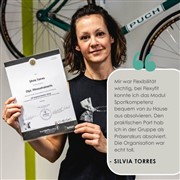
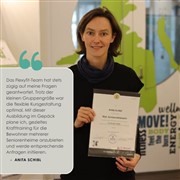
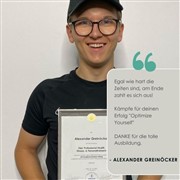
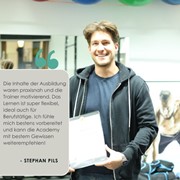
Top Bewertungen
Jetzt kostenlosen Testzugang sichern. Erst probieren, dann studieren!
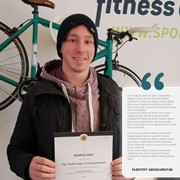
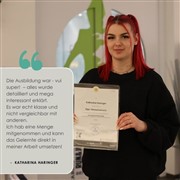
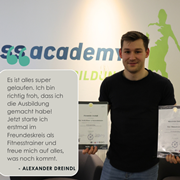
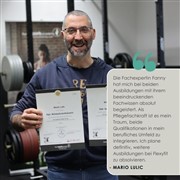
Super Ausbildung und mega nette Leute. Man merkt, wie viel Wert darauf gelegt wird den Kursteilnehmern das nötige Wissen verständlich zu vermitteln. Ich durfte sogar freundlicherweise einen Kurs komplett kostenlos nachholen, nachdem etwas problematische und störende Teilnehmer in meiner Gruppe waren. Ich werde 100%ig in Zukunft noch weitere Kurse bei euch machen, weil das Lernen allen voran dank des freundlichen Personals extremen Spaß macht!
Das gesamte Team von flexyfit ist überaus freundlich, prompt und hilfsbereit. Die Vortragenden sind kompetent und gehen auf die Kursteilnehmer ein. Sämtliche Lernunterlagen wurden übersichtlich und ausreichend detailliert zur Verfügung gestellt. Durch die zusätzlichen Videos ist für jeden Lerntyp etwas dabei. Alles in allem verliefen Ausbildung und Prüfung top. Ich kann flexyfit jedenfalls weiterempfehlen und werde weitere Ausbildungen gerne wieder bei Euch buchen und weiterempfehlen!
Ein super Team - kompetent, freundlich, stets hilfsbereit und unterstützend - hat die praxisnahe Ausbildung hervorragend begleitet. Sehr zu empfehlen! :)
Die Ausbildung zum Fitnesstrainer B-Lizenz hat mir dort sehr viel Spaß gemacht. Die gestellten Lehrmaterialien sind super und einwandfrei. Ich habe dort sehr viel neues gelernt und war immer mit Freude an der Sache. Das Team ist super und ist bei Rückfragen immer für einen da!
Das Beste, was mir passieren konnte, ist diese Akademie. Der Zugang zu den Teilnehmern ist hervorragend. Alle Mitarbeiter sind sehr kompetent, sehr professionell und sehr freundlich. Ein Mensch kann so viel lernen, dass es unbeschreiblich gut ist. Ich würde es jedem empfehlen. Als ich in Österreich ankam, war ich auf der Suche nach so etwas und zum Glück habe ich diese Akademie gefunden und mich ohne zu zögern für den Kurs angemeldet. All das, was wir als Gegenleistung bekommen, ist 100-mal mehr wert als das, was wir bezahlen. Unbeschreibliche Erfahrung, unbeschreibliche Menschen, noch einmal und noch 1000 Mal sage ich: Danke für alles, danke für dieses unbeschreibliche Erlebnis. DANKE, DANKE, DANKE <3
Ich konnte im Rahmen meiner Ausbildung bei der Flexyfit Academy sehr viel neues lernen und konnte mich mit meinem ausgewählten Lehrgang einer neuen anspruchsvollen Herausforderung stellen. Die Struktur der Ausbildungen ist sehr verständlich und übersichtlich gestaltet, sodass man ohne Probleme das Fernstudium alleine meistern kann. Bei Fragen, Unklarheiten oder vereinzelten Problemen war das Team der Academy immer schnell zur Seite und man konnte immer eine gemeinsame Lösung finden. Hier und da hätte ich mir noch etwas mehr Praxisbezug gewünscht. Nichtsdestotrotz habe ich mich immer sehr wohl gefühlt, habe tolle Referenten gehabt und mit meinem Abschluss zum Dipl. Medical Sportbetreuer stehen mir nun viele neue Türen offen :)
Konnte meinen gewählten Lehrgang sehr gut und zügig abschließen. Das Team ist sehr schnell und kukant und man bekommt immer eine gute Lösung angeboten, sollte es Unklarheiten geben. Werde bei Gelegenheit wieder buchen und kann die Akademie empfehlen!
Hat sehr viel Spaß gemacht meine Schwimmtrainer Ausbildung bei der Flexyfit zu absolvieren! Das Programm ist sehr umfangreich und die Trainer sind sehr gut ausgebildet.
Die Ausbildung in der Flexyfit war die beste Entscheidung, hab sehr viel in puncto Sport und Ernährung dazugelernt. Die Unterstützung war immer gegeben, sehr kompetentes und nettes Personal/ Trainer. Ich werde die Academy auf alle Fälle weiter Empfehlen. Insbesondere danke an Melanie, Sarah und Daniel
Eine wirklich anspruchsvolle Ausbildung, tolles Material, die Videos sind prima, das Script ergänzt gut. Die Struktur sehr sinnvoll aufgebaut, man findet sich gut zurecht. Lediglich finde ich die Verhältnismäßigkeit der Yogalizenz gegenüber der Pilateslizenz ungünstig. Es werden viel mehr Prüfungen in der Yogalizenz gefordert. Die Abschlussprüfung ebenfalls in der Yogalizenz deutlich schwieriger, Fragen müssten in meinen Augen überdacht werden.
Danke Flexyfit - sehr kompetent, tolle Unterlagen und auch Unterstützung. Die praktischen Übungen in Innsbruck waren TOP - Danke Matthias. Kann ich nur weiterempfehlen. Ich werde weitermachen. 😉
Qualitativ sehr hochwertige Ausbildung! Die Flexyfit Academy war sehr bemüht auf alle Fragen die im Zuge der Ausbildung entstanden sind einzugehen und genau zu erklären. Kann ich auf jeden Fall weiterempfehlen!
Absolut zufrieden! Ich habe mich für das Fernstudium entschieden, da ich persönlich nicht vor Ort sein konnte, und ich kann es wärmstens empfehlen! Alles hat reibungslos funktioniert, die Kontaktaufnahme war schnell, und bei Problemen wurde immer eine Lösung gefunden. Das Team ist super freundlich, und die Profilübersicht ist sehr übersichtlich. Ein kleiner Vorschlag: Es wäre hilfreich, wenn Nutzer, die längere Zeit inaktiv sind, einen Reminder erhalten würden oder eine App zur Verfügung stünde, um auch mobil lernen zu können.
Ich war von der Ausbildung sehr positiv überrascht! Das Fernstudium hat ganz unkompliziert funktioniert und der Service war auch perfekt! Die Unterlagen waren sehr gut und ich habe sehr viel dazugelernt! Kann ich mit gutem Gewissen weiterempfehlen! Update 2024: Nachdem ich nun bereits meine dritte Ausbildung abgeschlossen habe, kann ich meine erste Bewertung nur bestätigen! Als Vollzeit-Berufstätiger war es für mich eine super Möglichkeit nebenberuflich eine Ausbildung zu machen die meiner Leidenschaft entspricht! Ich lese regelmäßig Bücher zum Thema Sport und Gesundheit, und muss sagen dass die Ausbildungen überall auf einem sehr guten und aktuellen Stand sind! Das hat mich doch etwas positiv überrascht! =) Dank Flexyfit kann ich nun mein Hobby zum Beruf machen! Deshalb nochmal eine klare Empfehlung von mir!
Eine tolle Ausbildung, die da angeboten wird, mit einem sehr freundlichen und kompetenten Team. Es war ein Vergnügen mit euren sehr gut aufbereiteten Videos und Skripten zu lernen. Ich freue mich schon auf meine nächste Ausbildung. Kann ich nur sehr weiterempfehlen, von mir gibt es definitv 5 Sterne.
Sehr zuvorkommendes Team und ein allseits herzlicher Umgang! Die Ausbildungslehrgänge inkludieren einen interessanten Austausch mit guten, sportlichen Ausbildnern :)
Ich habe die Kindertrainer Ausbildung bei Flexyfit gemacht. Von Beginn an wird man super betreut, die Kommunikation passt perfekt. Alle sind bemüht und freundlich. Online sowie vor Ort hat alles perfekt gepasst. Es wird bestimmt nicht die letzte Ausbildung bzw. Workshop sein, welchen ich bei euch gemacht habe. Freue mich auf ein Wiedersehen. Danke an Daniel, Melanie und Beno :-)
Flexibles lernen leicht gemacht :) Sehr kompetent und freundlich . Sehr schnelle Antworten bei Fragen&wer eine Ausbildung im Sport Bereich machen will würd ich jedem die Flexyfit empfehlen 💪🏾
Ich habe bereits zwei Fernkurse absolviert und ich kann sagen, dass Weiterbilden mit den Flexyfit Kursen einfach Spaß macht. Man lernt im eigenen Tempo und zeitlich und örtlich flexibel.
Ich habe mittlerweile zwei Ausbildungen bei der Flexyfit Academy absolviert und würde es sofort wieder machen. Wenn möglich empfehle ich die Präsenzkurse, es ergibt sich einfach ein super spannender Austausch. Service und Betreuung sind top und es wird auf sämtliche Bedürfnisse eingegangen. Mini-Manko: das Online-Lernsystem ist nicht ganz straight-forward, aber man findest sich schnell ein.
➕ Gutes Institut mit toller Online-Academy und einem vielfältigen Ausbildungsangebot. Ich habe bereits 3 Ausbildungen dort absolviert. Gut finde ich den modulartigen Aufbau, sodass div. Basismodule auch für andere Ausbildungen herangezogen werden können. ➖ Leider wurde die Preisstruktur angepasst, sodass bereits absolvierte (Basis-)Module preislich nicht (mehr) in Abzug gebracht werden können. Schade.
Habe bereits zwei Ausbildungen bei der Flexyfit Sports Academy gemacht und bin voll zufrieden! Ein super nettes Team, die Organisation und Unterlagen sind Top - nur zu empfehlen ;)
Tolles Team! Die Organisation rund um die Ausbildung ist unkompliziert und sehr kompetent. Die Vortragenden sind professionell und erfahren und bringen eine gute Mischung aus Theorie und Praxis mit. Im Gesamten nur zu empfehlen.
Unheimlich freundliches Team, immer erreichbar, wahnsinnig hilfsbereit und sehr bemüht, für alles eine Lösung zu finden. Die Lernvideos und Skripten sind gut aufbereitet und easy to follow. Am meisten konnte ich persönlich von den wirklich guten Tutoren im praktischen Teil lernen. Insgesamt bekommt man einen sehr guten Über- und Einblick in die relevanten Themenbereiche, mir persönlich hat der Kurs auch gezeigt, wohin ich mich weiter orientieren & welche Bereiche ich vertiefen möchte. Außerdem: top ausgestattete Lehrsäle & überhaupt sehr ansprechende Räumlichkeiten - alles sehr einladend und familiär. Immer wieder sieht man jemanden aus dem Team gerade vom Laufen oder aus der Kraftkammer zurückkommen - da fühlt man sich gleich wohl! (Ausbildung: Dipl. Medical SportbetreuerIn)
Die Ausbildung war top 👍 sehr viel gelernt, sehr nette Leute kennengelernt- ich kann in jeder Hinsicht profitieren Und mir wurde ein Traum erfüllt- DANKE SEHR 😊
Bin sehr zufrieden, hatte eine TOP Professorin (was heutzutage keine Selbstverständlichkeit ist). Finde es toll, dass man als Ernährungstrainer anatomische Fächer (nennt sich Sportkompetenz) auch lernen muss. Der Support war auch toll. Sehr hilfsbereites Team! Bin alles in allem sehr zufrieden.
Super schnelles und nettes Service! Jede Frage sofort beantwortet und das auf eine angenehme und wertschätztende Art! Was besser wäre, mehr Zeit für Präsenzunterricht!
Meine Ausbildung bei Flexyfit Sport Academy... Ich habe die beste Unterstützung und Beratung vom kompetentesten, freundlichsten und erfolgreichsten Team erhalten. Vielen Dank an das Top-Team (Büro, Referenten und Coaches). Es war mir eine große Freude, mit Ihnen den Weg zur Verwirklichung meiner eigenen Ziele zu gehen.
Für alle Coaches, die detailiertes Wissen in einem oder mehreren Bereichen aufsaugen wollen. Bin einfach nur sehr begeistert von der Flexyfit Sport Acamedy und habe mich bei den Trainern super aufgehoben gefühlt. Die Begeisterung war selbst bei den Zoom Workshops so greifbar. Egal ob man lieber das Skript liest oder die dazugehörigen Videos anschaut, für jeden Lerntyp ist ein Medium dabei und das Lernmaterial ist super gut aufbereitet. Und sollten doch mal Fragen aufkommen, ist der 'Customer Service' super schnell zur Stelle und antwortet nach ein paar Stunden oder ist mit einem Rat zur Stelle. Einfach empfehlenswert!!! Vielen Dank liebe Flexyfit Sport Academy.
Einfach super und sehr, sehr nett. Alle Mitarbeiter vom Flexyfit Sports Academy Team sind so nett, zuvorkommend und hilfsbereit. Es gibt wirklich binnen Minuten bis einer Stunde eine Hilfe, wenn Fragen beim Online lernen auftreten. Es ist sehr viel zu lernen, aber es zeigt, dass eine Trainer Ausbildung, egal welches Fachgebiet, sehr wohl eine gewisse Grundlage benötigt und ich persönlich finde es genau richtig. Das zeigt für mich von Qualität und dass nicht jeder selbsternannte Profi auch ein Kenner und Könner ist. Augen auf mit wem und wo man trainiert! Es ist unser Körper und auf den sollte jeder Mensch achten und den 'richtigen' Trainer mit Fachwissen an seiner Seite haben. Ich kann Flexyfit Sports Academy nur empfehlen. Vielen herzlichen Dank an alle Flexyfit Sports Academy MitarbeiterInnen, ihr seid toll!!!!!
Unglaublich hilfsbereites Personal! Sogar an Feiertagen extra für mich gearbeitet und Termine vereinbart, sehr zukommend und unterstützend. Absolut empfehlenswert und happy :)
Die Ausbildung (Dipl. Health Fitness & Personal Trainer) ist wirklich super, wenn ich ein Problem hatte wurde mir immer sehr schnell geholfen. Die Videos in Verbindung mit den Skripten sind sehr hilfreich und gut gestaltet, die Ausbildung insgesamt top aufgebaut, auch mit den Zwischenprüfungen, Übungsaufgaben usw. Dadurch festigt sich das Gelernte noch viel besser! Auch die Vortragenden sind sehr kompetent und meine 2 Prüfer waren sehr freundlich und locker, so dass kein Grund zur Nervosität bestand. Alles in allem sehr empfehlenswert!
Exzellente Ausbildungsmöglichkeiten und hervorragende Erfahrungen: Ich hatte das Vergnügen gleich drei verschiedene Ausbildungen in der Flexyfit Sports Academy zu absolvieren, und es ist ohne Zweifel eine erstklassige Einrichtung für die Weiterentwicklung der sportlichen Fähigkeiten. Hier sind meine persönlichen Gründe, warum ich die Flexyfit Sports Academy so außergewöhnlich finde: Hervorragende Trainer: Die Trainer, die ich kennengelernt habe, sind erstklassig. Alle verfügen über umfangreiches Wissen und Erfahrung in ihren jeweiligen Bereichen und gehen stets auf die individuellen Bedürfnisse der Teilnehmer ein. Die Ausbildung war für mich maßgeschneidert und äußerst effektiv. Vielfältige Ausbildungsangebote: Die Academy bietet eine breite Palette von Ausbildungen an, die für verschiedene Fitnessziele geeignet sind. Egal, ob man nach Kraftaufbau, Flexibilität, oder Ausdauer strebt, hier findet man das passende Programm. Hochmoderne Einrichtungen: Die Einrichtungen in der Flexyfit Sports Academy sind erstklassig und mit modernster Ausrüstung ausgestattet. Sie sorgen für ein optimales Trainingserlebnis und ermöglichen es den Teilnehmern, das Beste aus sich herauszuholen. Eine inspirierende Gemeinschaft: Die Atmosphäre in der Academy ist motivierend und unterstützend. Man fühlt sich als Teil einer engagierten Gemeinschaft, die ein gemeinsames Ziel hat: Fortschritte im Sport und Fitness zu erzielen. Hervorragendes Preis-Leistungs-Verhältnis: Die Qualität der Ausbildung die man erhält, steht in einem ausgezeichneten Verhältnis zu den Kosten. Es ist eine Investition für die Gesundheit und das Wohlbefinden. Ich kann die Flexyfit Sports Academy uneingeschränkt weiterempfehlen. Die Ausbildungen, die ich hier absolviert habe, haben meine Erwartungen übertroffen. Wenn man nach einem Ort sucht, an dem man die sportlichen Ziele erreichen kann, ist dies der richtige Ort. Die Academy verdient die Bestnote, und ich freue mich auf weitere Ausbildungen in der Zukunft.
Die Ausbildung zum Dipl. Fitnesstrainer war sehr lehrreich und interessant. Die Module sind durchgedacht aufgebaut und gehen von Theorie zu Praxis. Die ganze Ausbildung hat unkompliziert funktioniert. Service perfekt, ich kann die Academy nur weiter empfehlen. Melanie und Sarah danke für alles! Einfach top!
Ihre Anfrage ist unterwegs zu uns und wir
werden sie so schnell wie möglich beantworten! Wir waren so frei und haben
Ihnen noch eine Bestätigung per Email an:
Bitte überprüfen Sie auch lhren SPAM Ordner
Wir wünschen noch einen flexytastischen Tag
* Pflichtfelder
Danke
Ihr Beratungstermin ist notiert!
Wir waren so frei und haben Ihnen noch eine Bestätigung per Email an:
Bitte überprüfen Sie auch lhren SPAM Ordner
Wir wünschen noch einen flexytastischen Tag
* Pflichtfelder
Sie gehen mit der Registrierung keine
Verpflichtung ein. Der Zugang läuft automatisch aus.
* Pflichtfelder
Ihre Daten
Code gesendet an:
Bitte geben Sie den vierstelligen Code ein, den Sie per Email und/oder SMS bekommen haben. (Bitte Spam-Ordner kontrollieren)..
YEAH, GESCHAFFT!
Wir haben ein Email mit dem Link zu lhrem ehrlich kostenlosen Demozugang an folgende
Emailadresse geschickt:
Bitte überprüfen Sie auch lhren SPAM Ordner (Es kann bis zu 10 Minuten dauern, bis die Email eintrifft)
Wir wünschen noch einen flexytastischen Tag!
Sie erreichen uns ab 8:30 von Montag bis Samstag. Unsere Beratungs- & Service Sprache: Englisch | Deutsch
Sie erhalten in Kürze eine Email zur Newsletter Bestätigung an:
Bitte überprüfen Sie auch lhren SPAM Ordner
Wir wünschen noch einen flexytastischen Tag
* Pflichtfelder
Unsere Ausbildungsbroschüre
erhalten Sie per Email.
Danke
Sie erhalten in kurze eine Email mit lhrem Downloadlink zur Broschüre an:
Bitte überprüfen Sie auch lhren SPAM Ordner
Wir wünschen noch einen flexytastischen Tag
Der Schutz Ihrer persönlichen Daten ist uns ein besonderes Anliegen. Ich erkläre mich damit einverstanden, dass meine Angaben für die Kontaktaufnahme verwenden werden. Ich habe die Datenschutzerklärung gelesen und stimme ihnen zu.
Qualität, auf die du vertrauen kannst
Mehr als
42.035zufriedene Absolventen - ausNiederlande
und
19 anderen Ländern, schenken uns ihr Vertrauen, seit 2007.
⚽ WM-Aktion: Sichere dir jetzt limitierte Bildungsgutscheine bis zum Finale!
Ihre Anfrage ist unterwegs zu uns und wir
werden sie so schnell wie möglich beantworten! Wir waren so frei und haben
Ihnen noch eine Bestätigung per Email an:
Bitte überprüfen Sie auch lhren SPAM Ordner
Wir wünschen noch einen flexytastischen Tag
* Pflichtfelder
Danke
Ihr Beratungstermin ist notiert!
Wir waren so frei und haben Ihnen noch eine Bestätigung per Email an:
Bitte überprüfen Sie auch lhren SPAM Ordner
Wir wünschen noch einen flexytastischen Tag
* Pflichtfelder
Sie gehen mit der Registrierung keine
Verpflichtung ein. Der Zugang läuft automatisch aus.
* Pflichtfelder
Ihre Daten
Code gesendet an:
Bitte geben Sie den vierstelligen Code ein, den Sie per Email und/oder SMS bekommen haben. (Bitte Spam-Ordner kontrollieren).
YEAH, GESCHAFFT!
Wir haben ein Email mit dem Link zu lhrem ehrlich kostenlosen Demozugang an folgende
Emailadresse geschickt:
Bitte überprüfen Sie auch lhren SPAM Ordner (Es kann bis zu 10 Minuten dauern, bis die Email eintrifft)
Wir wünschen noch einen flexytastischen Tag!
Sie erreichen uns ab 8:30 von Montag bis Samstag. Unsere Beratungs- & Service Sprache: Englisch | Deutsch
Sie erhalten in Kürze eine Email zur Newsletter Bestätigung an:
Bitte überprüfen Sie auch lhren SPAM Ordner
Wir wünschen noch einen flexytastischen Tag
* Pflichtfelder
Unsere Ausbildungsbroschüre
erhalten Sie per Email.
Danke
Sie erhalten in kurze eine Email mit lhrem Downloadlink zur Broschüre an:
Bitte überprüfen Sie auch lhren SPAM Ordner
Wir wünschen noch einen flexytastischen Tag
Der Schutz Ihrer persönlichen Daten ist uns ein besonderes Anliegen. Ich erkläre mich damit einverstanden, dass meine Angaben für die Kontaktaufnahme verwenden werden. Ich habe die Datenschutzerklärung gelesen und stimme ihnen zu.
Lerninhalte
Details
Über Cookies Cookies sind kleine Textdateien, die von Websites verwendet werden, um die Benutzerfreundlichkeit zu erhöhen.
Das Gesetz erlaubt uns, Cookies auf Ihrem Gerät zu speichern, wenn sie für den Betrieb dieser Website unbedingt erforderlich sind. Für alle anderen Arten von Cookies benötigen wir Ihre Zustimmung. Diese Website verwendet verschiedene Arten von Cookies. Einige Cookies werden von Dritten gesetzt, die auf unseren Seiten erscheinen. Sie können Ihre Einwilligung jederzeit über die Cookie-Erklärung auf unserer Website ändern oder widerrufen.
In unserer Datenschutzerklärung erfahren Sie mehr darüber, wer wir sind, wie Sie uns erreichen können und wie wir personenbezogene Daten verarbeiten.
6
Notwendige Cookies helfen dabei, eine Webseite nutzbar zu machen, indem sie Grundfunktionen wie Seitennavigation und Zugriff auf sichere Bereiche der Webseite ermöglichen. Die Webseite kann ohne diese Cookies nicht richtig funktionieren.
Dieser Cookie wird verwendet, um zwischen Menschen und Bots zu unterscheiden. Dies ist vorteilhaft für die webseite, um gültige Berichte über die Nutzung ihrer webseite zu erstellen.
_cfuvid
Dieses Cookie ist ein Teil der Dienste von Cloudflare - einschließlich Lastverteilung, Bereitstellung von Website-Inhalten und Bereitstellung einer DNS-Verbindung für Website-Betreiber.
Dieses Cookie wird intern von den Besitzern der Website benutzt, wenn Inhalte auf der Website hochgeladen oder erneuert werden.
XSRF-TOKEN
Gewährleistet die Sicherheit beim Browsen für Besucher durch Verhinderung von Cross-Site Request Forgery. Dieser Cookie ist wesentlich für die Sicherheit der Website und des Besuchers.
Dieser Cookie wird verwendet, um zwischen Menschen und Bots zu unterscheiden. Dies ist vorteilhaft für die Website, um gültige Berichte über die Nutzung Ihrer Website zu erstellen.
rc::c
Dieser Cookie wird verwendet, um zwischen Menschen und Bots zu unterscheiden.
3
Präferenz-Cookies ermöglichen einer Webseite sich an Informationen zu erinnern, die die Art beeinflussen, wie sich eine Webseite verhält oder aussieht, wie z. B. Ihre bevorzugte Sprache oder die Region in der Sie sich befinden.
Statistik-Cookies helfen Webseiten-Besitzern zu verstehen, wie Besucher mit Webseiten interagieren, indem Informationen anonym gesammelt und gemeldet werden.
Sammelt Daten über Besuche des Benutzers auf der Website, wie zum Beispiel welche Seiten gelesen wurden.
15
Marketing-Cookies werden verwendet, um Besuchern auf Webseiten zu folgen. Die Absicht ist, Anzeigen zu zeigen, die relevant und ansprechend für den einzelnen Benutzer sind und daher wertvoller für Publisher und werbetreibende Drittparteien sind.
Wird verwendet, um Besucher auf mehreren Webseiten zu verfolgen, um relevante Werbung basierend auf den Präferenzen des Besuchers zu präsentieren.
_uetsid
Sammelt Daten zum Besucherverhalten auf mehreren Webseiten, um relevantere Werbung zu präsentieren - Dies ermöglicht es der Webseite auch, die Anzahl der Anzeige der gleichen Werbung zu begrenzen.
_uetsid_exp
Enthält das Verfallsdatum für das Cookie mit entsprechendem Namen.
_uetvid
Wird verwendet, um Besucher auf mehreren Webseiten zu verfolgen, um relevante Werbung basierend auf den Präferenzen des Besuchers zu präsentieren.
_uetvid
Wird verwendet, um Besucher auf mehreren Webseiten zu verfolgen, um relevante Werbung basierend auf den Präferenzen des Besuchers zu präsentieren.
_uetvid_exp
Enthält das Verfallsdatum für das Cookie mit entsprechendem Namen.
MSPTC
Dieser Cookie registriert Daten des Besuchers. Die Informationen werden verwendet, um die Relevanz der Werbung zu optimieren.
MUID
Weitgehend von Microsoft als eindeutige Benutzer-ID verwendet. Der Cookie ermöglicht Benutzer-Tracking durch Synchronisieren der ID in vielen Microsoft-Domänen.
Verwendet von Google DoubleClick, um die Handlungen des Benutzers auf der Webseite nach der Anzeige oder dem Klicken auf eine der Anzeigen des Anbieters zu registrieren und zu melden, mit dem Zweck der Messung der Wirksamkeit einer Werbung und der Anzeige zielgerichteter Werbung für den Benutzer.
pagead/1p-conversion/#/
Anstehend
pagead/1p-user-list/#
Wird verwendet, um zu tracken, ob der Besucher Interesse an bestimmten Produkten oder Ereignissen auf mehreren Websites gezeigt hat und wie der Besucher zwischen den Websites navigiert - Dies wird zur Messung des Werbeaufwands verwendet und erleichtert die Zahlung von Empfehlungsgebühren zwischen Websites.
test_cookie
Verwendet, um zu überprüfen, ob der Browser des Benutzers Cookies unterstützt.




















 WhatsApp® wechseln"
Und Sie werden direkt Zu WhatsApp®-App Weitergeleitet.
WhatsApp® wechseln"
Und Sie werden direkt Zu WhatsApp®-App Weitergeleitet.