Top Bewertungen
Jetzt kostenlosen Testzugang sichern Erst probieren, dann studieren!







» UnsereLernpakete
Informationen zum Lehrgang


Anerkannt & Zertifiziert


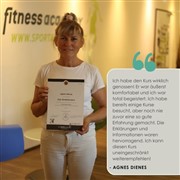
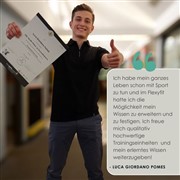
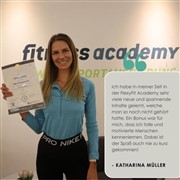
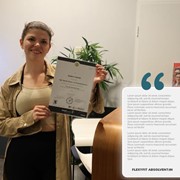
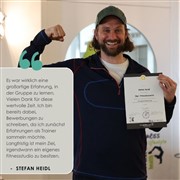
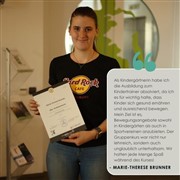
Unsere Absolventen, Partner & Freunde sagen
Unser Team berät Sie gerne jederzeit per Telefon, Chat oder Persönlich


Lernumfang
163 E
EQF-Level
Die Ausbildung orientiert sich an EQF-Level 1 »

Kursstart
Sofort möglich


Lernvariante
Fernstudium
Mögliche
Unterrichtssprache


Lernumfang
124
eLearning | Selbststudium
6
Literaturrecherche
30
Praktische Umsetzung
3
Zusatzaufgaben & Prüfungen
Unsere Ausbildungen sind grundsätzlich förderfähig. Ob Ihnen eine Förderung genehmigt wird, entscheidet die jeweils zuständige Förderstelle.
Wir unterstützen Sie gerne bei der Zusammenstellung aller notwendigen Kursinformationen, die Sie für Ihren Förderantrag benötigen.
Selbstverständlich stehen wir Ihnen während des gesamten Prozesses beratend zur Seite und begleiten Sie von der ersten Anfrage bis zur Einreichung Ihres Antrags. Kontaktieren Sie uns - wir kümmern uns darum, dass Sie bestmöglich vorbereitet sind!
Alle Kapitel der Fächer anzeigen

In der allgemeinen Sporternährung werden unsere Teilnehmer an die Grundzüge der Ernährung herangeführt.
So wird als Basis die Zusammensetzung unserer Ernährung mit Makro- und Mikronährstoffen sowie der Wasserhaushalt besprochen. Um den Zusammenhang zu verstehen, wird detailiert auf den Energiehaushalt eingegangen.
Des weiteren folgen genaue Wirkungen der einzelnen Nahrungsbestandteile auf den menschlichen Körper sowie deren Bedeutung im sportlichen Bereich.

Wir bilden die besten Trainerinnen und Trainer in der Fitnessbranche aus. Von Anfang bis zum Ende und darüber hinaus begleiten und betreuen wir unsere Absolventen/Innen.
Funktionelle Anatomie ist die Grundlage für jeden Trainer/jede Trainerin im Sport und Gesundheitsbereich. Mit diesem Fachkurs erhalten Sie einen umfassenden Einblick in die Anatomie des menschlichen Körpers und erwerben damit ein profundes Wissen.
Der Kurs wird so lebendig und verständlich wie möglich gestaltet, mit Hilfe verschiedener Lehr- und Lerntechniken - angepasst auf die Bedürfnisse von Fitness & PersonaltrainerIn.
Ziel ist es, die Zusammenhänge von Bewegungsabläufen zu erkennen und die wichtigsten lateinischen Fachausdrücke zu verstehen.
Im Fach Berufskunde und Recht" werden die wichtigsten Grundkenntnisse zum Sozialversicherungs-, Steuer- , Arbeits- und Versicherungsrecht vermittelt.
Neben den allgemeinen theoretischen Erläuterungen werden die Besonderheiten der Fitness- und Wellnessbranche herausgearbeitet. Ob selbstständig oder Angestellt erhalten Sie in diesem Kurs wichtige Informationen für Ihr Berufsleben. Aufbauend auf dieses Wissen erweitern sich Ihre Handlungs- und Entscheidungsmöglichkeiten, die sich aus den gesetzlichen Rahmenbedingungen ergeben.
In diesem Fach erfahren Sie, welche Rechte und Pflichten eine Beschäftigung im Sport- und Gesundheitsbereich mit sich bringt.
All diese Fragen und noch viele weitere werden Ihnen in diesem Fach beantwortet.
WICHTIGE STEUERRECHTLICHE BEGRIFFE

Da im Sport Verletzungen an der Tagesordnung stehen, ist es wichtig, über die Ursachen und Folgen der häufigsten Verletzungen Bescheid zu wissen. Im Fall der Fälle muss der/die Personaltrainerin schnell und richtig reagieren können!
Außerdem hilft das Verständnis diverser Verletzungsbilder, diese bereits präventiv vermeiden zu können.

In vielen Unternehmen ist die betriebliche Gesundheitsförderung inzwischen eine beliebte Methode, um die Gesundheit der Mitarbeiterinnen und Mitarbeiter zu stärken, Krankheiten vorzubeugen und so das Wohlbefinden der Mitarbeiter zu stärken.
Warum betriebliche Gesundheitsförderung so wichtig ist, wird in einer Einführung in die betriebliche Gesundheitsförderung aufgezeigt, Herausforderungen der betrieblichen Gesundheitsförderung dargestellt und verbreitete Organisationskrankheiten besprochen.
Außerdem lernen die KursteilnehmerInnen, welche Erfolgsfaktoren der betrieblichen Gesundheitsförderung es gibt, welchen Nutzen die Beschäftigten und das Unternehmen daraus ziehen und natürlich bewährte Vorgehensweisen und Instrumente.
Dazu werden verschiedene Betätigungsfelder und Maßnahmen dazu vorgestellt und den Kursteilnehmern auch erklärt, wie man in solche Firmen kommt, Konzepte erstellt und andere wichtige organisatorische Dinge abklärt.
Die KursteilnehmerInnen bekommen Praktische Beispiele gezeigt und bekommen in dieser Einheit auch die Möglichkeit, das Gelernte in einer Gruppenarbeit anzuwenden.

Bei der Einheit Kundenorientiertes Arbeiten geht es darum, den KursteilnehmerInnen Einblicke in das Marketing zu geben, damit sie sich als Trainer/In später gut am Markt platzieren können und ihnen der Einstieg in den Markt erleichtert wird.
Dazu wird zuerst definiert, was Marketing überhaupt ist und weshalb es auch als PersonaltrainerIn seine Relevanz hat.
Außerdem werden gängige Fachbegriffe aus dem Marketing wie USP, Nutzen, Positionierung etc. und verschiedene Modelle des Marketings wie die SMART-Formel, der Marketingmix 4P und andere erklärt.
Auf die Kommunikation zwischen Trainer/In und Kunden/Innen wird in dieser Einheit natürlich nicht vergessen. Dazu werden verschiedene Aspekte der Kommunikation sowie Regeln für erfolgreiche Kommunikation eingeführt und Beispiele gezeigt.
Am Ende dieser Einheit sollten die KursteilnehmerInnen in der Lage sein, sich und ihr Produkt, die Dienstleistung, anhand einer Marketingstrategie am Markt zu positionieren und erfolgreich zu verkaufen.

Gute Kenntnisse der Physiologie des Menschen und die damit verbundenen Funktionen im Köper sind für alle im Sportbereich tätigen TrainerInnen eine notwendige Voraussetzung zur adäquaten Ausübung ihres Berufes.
Mit diesem Kurs werden Ihnen die Zusammenhänge des menschlichen Organismus "begreifbar" gemacht. Reisen Sie mit uns durch den menschlichen Körper und verstehen Sie die Funktionen des Organismus für Ihr neues Berufsbild im Sport.
Im Unterrichtsfach wird möglichst praxisnah und spannend die Energiebereitstellung des Muskels, das Herzkreislaufsystem und das Atmungssystem erkundet.
Eine gute Sport-Ausbildung beginnt an der Basis mit Anatomie und Physiologie.

In diesem Teil wird das Wissen aus der Vorlesung "Grundlagen der Sporternährung" des Basismoduls vertieft.
Die TeilnehmerInnen lernen die optimale Zusamenstellung der Sporternährung für Ausdauersport und Kraftsport. Darüber hinaus lernen sie über die Wichtigkeit der Bedürfnissunterschiede in der Ernährung während den Belastungs- und Regenerationsphasen von SportlerInnen.
Außerdem werden die ernährungsbedingten Unterschiede von HobbysportlerInnen und LeistungssportlerInnen behandelt, sowie die Bedeutung der Nahrungsergänzungsmittel und deren sinnvolle Anwendung gemeinsam besprochen.
Im Unterricht wird auch das Wissen über den Energiehaushalt wiederholt und mit Kenntnissen über die Energiegewinnung, die Energiebereitstellung und die aerobe/anaerobe Glykolyse im Sport erweitert.

In diesem Kurs werden die TeilnehmerInnen darauf vorbereitet, auf allen Ebenen mit dem Kunden/der Kundin erfolgreich kommunizieren zu können. Außerdem sollen dich die TeilnehmerInnen mit ihren eigenen Zielen und Motiven auseinanderzusetzen, um die der KundInnen besser verstehen zu können.
Das richtige Zielsetzung sowie korrektes Erteilen von Feedback sind ebenfalls Teile der Lehrveranstaltung!
Auch die Stressbewältigung und verschiedene Lernstrategien werden den Teilnehmenden näher gebracht, um diese nach der Ausbildung anwenden zu können.

Im ersten Teil der Trainingslehre werden die Grundlagen des Trainings, wie Trainingsprinzipien, Prinzipien der Trainingsgestaltung, Trainingsmethoden und die Faktoren der sportlichen Leistung vermittelt.
Da die Leistungsfähigkeit, Leistungsdiagnostik, Training und Wettkampf, in enger Wechselwirkung zueinander stehen, werden sie auch dementsprechend im Kurs unterrichtet.
Im zweiten Teil der Trainingslehre wird das Training als komplexer Handlungsprozess und im Zusammenhang mit Planung, Ausführung und Evaluation definiert und bewertet.
Ein wichtiger Teil der Trainingslehre ist nach wie vor die Trainingsplangestaltung, die mit Beispielen über die Möglichkeiten einer Trainingsplangestaltung praktisch vermittelt werden.
Um noch tiefer in die Trainingswissenschaft einzutauchen, haben wir mit internationalen Top-Referenten wie Prof. em. Dr. phil. Dr. med. Dr. h.c. Jürgen Weineck zusätzlich einen Video-Workshop zum Thema Höhentraining entwickelt.
Alle Kapitel der Fächer anzeigen

Das Fach "Geräteunterstütztes Krafttraining" ist Bestandteil der Fitnesstrainer B-Lizenz Ausbildung und behandelt systematisches Krafttraining an stationären Trainingsgeräten. Im Mittelpunkt stehen Bewegungsführung, Belastungssteuerung sowie die individuelle Anpassung des Trainings an unterschiedliche Zielgruppen.
Beim geräteunterstützten Krafttraining erfolgt die Belastung der Muskulatur über mechanisch geführte Bewegungsbahnen. Dies ermöglicht eine gezielte, kontrollierte Beanspruchung einzelner Muskelgruppen und bietet insbesondere Einsteigern, Personen mit Bewegungseinschränkungen oder im rehabilitativen Kontext eine sichere Trainingsform.
Im Rahmen des Faches werden unter anderem folgende Themen behandelt:
Die Inhalte dieses Faches bilden eine Grundlage für die praktische Arbeit im Fitnessstudio oder in Gesundheitseinrichtungen. Absolventinnen und Absolventen sind in der Lage, individuelle Trainingsprogramme mit Geräten zu erstellen, anzuleiten und sicherheitsbewusst umzusetzen.

Die Durchführung von praktischen Trainingseinheiten ist eine wesentliche Komponente, um die Fitnesstrainer B-Lizenz zu erwerben.
Für eine optimale Vorbereitung auf die Prüfung ist das Lernen der Anatomie des menschlichen Körpers, insbesondere der Muskeln mit Ursprung und Ansatz wichtig. Ebenso wichtig ist das Dokumentieren der praktischen Einheiten. Das Protokoll dient dazu, einen Überblick über die geleisteten Trainings, die erreichten Ziele und die persönlichen Erfahrungen der Teilnehmer zu bekommen.
Es sind 30 Trainingseinheiten vorgesehen, in denen die Teilnehmer ihr erlerntes Wissen in die Praxis umsetzen sollen. Jede dieser Einheiten wird von den Teilnehmern eigenverantwortlich protokolliert. Dabei sollen sie zeigen, dass sie in der Lage sind, ein Training selbstständig vorzubereiten, durchzuführen und auszuwerten.
Die Fitnesstrainer B-Lizenz ist eine unserer kleineren Ausbildungen, um Grundlagenwissen in den Bereichen Krafttraining mit Großgeräten, Anatomie, Physiologie, Trainingslehre u.v.m zu erlangen.
Es ist wichtig, das Training so zu gestalten, dass die Teilnehmer die Übungen verstehen und sie sicher ausführen können. Es wird den Teilnehmern für die Praxiseinheiten ein Leitfaden zur Verfügung gestellt, anhand dessen sie das Trainingsprotokoll aufzeichnen können.
Als Beleg der absolvierten Einheiten ist ein Nachweis, wie etwa die schriftliche Bestätigung eines Trainers oder Screenshots aus einer Trainings-App, zu erbringen.
Verfügbare Lernvarianten dieser Ausbildung
Unterrichtssprache
Fachmodul
Sportkompetenz (Online)
Sportkompetenz (Präsenz)
Sportkompetenz Full HD LernVideos
Full HD LernVideos Fitnesstrainer B-Lizenz
Enthaltener Lehrgang
Lernvariante
Lernmethode
auditiver & visueller Lerntyp
kommunikativer & motorischer Lerntyp
Lernzeit
Skripten & Unterlagen als PDF
Vorlesungen als Praxistage aufbuchbar
Support via Onlinecampus, eMail, Chat, Tel.
WhatsApp & vor Ort Support
Testprüfungen
NADA Austria
Höhentraining - Prof. DDDr. Weineck
SPK Zwischenprüfung Online
Abschlussprüfung
Zertifikat auf DE, EN, SP
Zertifikat weltweit & zeitlich unbegrenzt gültig
Onlinecampus lebenlang Verfügbar
Gratis Demokonto / Schnupper-Paket
Urkundenkopien als PDF downloadbar
Urkunden mit Echtheitsprüfung (QR-Code)
Fördermöglichkeiten
Bildungskarenz (AT)
Förderung f. Firmen
Förderung f. Selbständige
Lehrgangsberatung
Kostenvoranschlag f. Förderstelle
Jobvermittlung
umfangreiche Weiterbildungesangebote
Absoluter Bestpreis & Leistungsangebot
DE, EN
Online + Fachgespräch
Optional aufbuchbar
314
55
B-Lizenz
online
visuell
empfohlen
geeignet
flexibel
aufbuchbar
flexibler Termin
bis zu 100%
unverbindlich

Lernumfang
124
eLearning | Selbststudium
6
Literaturrecherche
30
Praktische Umsetzung
3
Zusatzaufgaben & Prüfungen
Unsere Ausbildungen sind grundsätzlich förderfähig. Ob Ihnen eine Förderung genehmigt wird, entscheidet die jeweils zuständige Förderstelle.
Wir unterstützen Sie gerne bei der Zusammenstellung aller notwendigen Kursinformationen, die Sie für Ihren Förderantrag benötigen.
Selbstverständlich stehen wir Ihnen während des gesamten Prozesses beratend zur Seite und begleiten Sie von der ersten Anfrage bis zur Einreichung Ihres Antrags. Kontaktieren Sie uns - wir kümmern uns darum, dass Sie bestmöglich vorbereitet sind!
Alle Kapitel der Fächer anzeigen
In der allgemeinen Sporternährung werden unsere Teilnehmer an die Grundzüge der Ernährung herangeführt.
So wird als Basis die Zusammensetzung unserer Ernährung mit Makro- und Mikronährstoffen sowie der Wasserhaushalt besprochen. Um den Zusammenhang zu verstehen, wird detailiert auf den Energiehaushalt eingegangen.
Des weiteren folgen genaue Wirkungen der einzelnen Nahrungsbestandteile auf den menschlichen Körper sowie deren Bedeutung im sportlichen Bereich.

Wir bilden die besten Trainerinnen und Trainer in der Fitnessbranche aus. Von Anfang bis zum Ende und darüber hinaus begleiten und betreuen wir unsere Absolventen/Innen.
Funktionelle Anatomie ist die Grundlage für jeden Trainer/jede Trainerin im Sport und Gesundheitsbereich. Mit diesem Fachkurs erhalten Sie einen umfassenden Einblick in die Anatomie des menschlichen Körpers und erwerben damit ein profundes Wissen.
Der Kurs wird so lebendig und verständlich wie möglich gestaltet, mit Hilfe verschiedener Lehr- und Lerntechniken - angepasst auf die Bedürfnisse von Fitness & PersonaltrainerIn.
Ziel ist es, die Zusammenhänge von Bewegungsabläufen zu erkennen und die wichtigsten lateinischen Fachausdrücke zu verstehen.
Im Fach Berufskunde und Recht" werden die wichtigsten Grundkenntnisse zum Sozialversicherungs-, Steuer- , Arbeits- und Versicherungsrecht vermittelt.
Neben den allgemeinen theoretischen Erläuterungen werden die Besonderheiten der Fitness- und Wellnessbranche herausgearbeitet. Ob selbstständig oder Angestellt erhalten Sie in diesem Kurs wichtige Informationen für Ihr Berufsleben. Aufbauend auf dieses Wissen erweitern sich Ihre Handlungs- und Entscheidungsmöglichkeiten, die sich aus den gesetzlichen Rahmenbedingungen ergeben.
In diesem Fach erfahren Sie, welche Rechte und Pflichten eine Beschäftigung im Sport- und Gesundheitsbereich mit sich bringt.
All diese Fragen und noch viele weitere werden Ihnen in diesem Fach beantwortet.
WICHTIGE STEUERRECHTLICHE BEGRIFFE

Da im Sport Verletzungen an der Tagesordnung stehen, ist es wichtig, über die Ursachen und Folgen der häufigsten Verletzungen Bescheid zu wissen. Im Fall der Fälle muss der/die Personaltrainerin schnell und richtig reagieren können!
Außerdem hilft das Verständnis diverser Verletzungsbilder, diese bereits präventiv vermeiden zu können.

In vielen Unternehmen ist die betriebliche Gesundheitsförderung inzwischen eine beliebte Methode, um die Gesundheit der Mitarbeiterinnen und Mitarbeiter zu stärken, Krankheiten vorzubeugen und so das Wohlbefinden der Mitarbeiter zu stärken.
Warum betriebliche Gesundheitsförderung so wichtig ist, wird in einer Einführung in die betriebliche Gesundheitsförderung aufgezeigt, Herausforderungen der betrieblichen Gesundheitsförderung dargestellt und verbreitete Organisationskrankheiten besprochen.
Außerdem lernen die KursteilnehmerInnen, welche Erfolgsfaktoren der betrieblichen Gesundheitsförderung es gibt, welchen Nutzen die Beschäftigten und das Unternehmen daraus ziehen und natürlich bewährte Vorgehensweisen und Instrumente.
Dazu werden verschiedene Betätigungsfelder und Maßnahmen dazu vorgestellt und den Kursteilnehmern auch erklärt, wie man in solche Firmen kommt, Konzepte erstellt und andere wichtige organisatorische Dinge abklärt.
Die KursteilnehmerInnen bekommen Praktische Beispiele gezeigt und bekommen in dieser Einheit auch die Möglichkeit, das Gelernte in einer Gruppenarbeit anzuwenden.

Bei der Einheit Kundenorientiertes Arbeiten geht es darum, den KursteilnehmerInnen Einblicke in das Marketing zu geben, damit sie sich als Trainer/In später gut am Markt platzieren können und ihnen der Einstieg in den Markt erleichtert wird.
Dazu wird zuerst definiert, was Marketing überhaupt ist und weshalb es auch als PersonaltrainerIn seine Relevanz hat.
Außerdem werden gängige Fachbegriffe aus dem Marketing wie USP, Nutzen, Positionierung etc. und verschiedene Modelle des Marketings wie die SMART-Formel, der Marketingmix 4P und andere erklärt.
Auf die Kommunikation zwischen Trainer/In und Kunden/Innen wird in dieser Einheit natürlich nicht vergessen. Dazu werden verschiedene Aspekte der Kommunikation sowie Regeln für erfolgreiche Kommunikation eingeführt und Beispiele gezeigt.
Am Ende dieser Einheit sollten die KursteilnehmerInnen in der Lage sein, sich und ihr Produkt, die Dienstleistung, anhand einer Marketingstrategie am Markt zu positionieren und erfolgreich zu verkaufen.

Gute Kenntnisse der Physiologie des Menschen und die damit verbundenen Funktionen im Köper sind für alle im Sportbereich tätigen TrainerInnen eine notwendige Voraussetzung zur adäquaten Ausübung ihres Berufes.
Mit diesem Kurs werden Ihnen die Zusammenhänge des menschlichen Organismus "begreifbar" gemacht. Reisen Sie mit uns durch den menschlichen Körper und verstehen Sie die Funktionen des Organismus für Ihr neues Berufsbild im Sport.
Im Unterrichtsfach wird möglichst praxisnah und spannend die Energiebereitstellung des Muskels, das Herzkreislaufsystem und das Atmungssystem erkundet.
Eine gute Sport-Ausbildung beginnt an der Basis mit Anatomie und Physiologie.

In diesem Teil wird das Wissen aus der Vorlesung "Grundlagen der Sporternährung" des Basismoduls vertieft.
Die TeilnehmerInnen lernen die optimale Zusamenstellung der Sporternährung für Ausdauersport und Kraftsport. Darüber hinaus lernen sie über die Wichtigkeit der Bedürfnissunterschiede in der Ernährung während den Belastungs- und Regenerationsphasen von SportlerInnen.
Außerdem werden die ernährungsbedingten Unterschiede von HobbysportlerInnen und LeistungssportlerInnen behandelt, sowie die Bedeutung der Nahrungsergänzungsmittel und deren sinnvolle Anwendung gemeinsam besprochen.
Im Unterricht wird auch das Wissen über den Energiehaushalt wiederholt und mit Kenntnissen über die Energiegewinnung, die Energiebereitstellung und die aerobe/anaerobe Glykolyse im Sport erweitert.

In diesem Kurs werden die TeilnehmerInnen darauf vorbereitet, auf allen Ebenen mit dem Kunden/der Kundin erfolgreich kommunizieren zu können. Außerdem sollen dich die TeilnehmerInnen mit ihren eigenen Zielen und Motiven auseinanderzusetzen, um die der KundInnen besser verstehen zu können.
Das richtige Zielsetzung sowie korrektes Erteilen von Feedback sind ebenfalls Teile der Lehrveranstaltung!
Auch die Stressbewältigung und verschiedene Lernstrategien werden den Teilnehmenden näher gebracht, um diese nach der Ausbildung anwenden zu können.

Im ersten Teil der Trainingslehre werden die Grundlagen des Trainings, wie Trainingsprinzipien, Prinzipien der Trainingsgestaltung, Trainingsmethoden und die Faktoren der sportlichen Leistung vermittelt.
Da die Leistungsfähigkeit, Leistungsdiagnostik, Training und Wettkampf, in enger Wechselwirkung zueinander stehen, werden sie auch dementsprechend im Kurs unterrichtet.
Im zweiten Teil der Trainingslehre wird das Training als komplexer Handlungsprozess und im Zusammenhang mit Planung, Ausführung und Evaluation definiert und bewertet.
Ein wichtiger Teil der Trainingslehre ist nach wie vor die Trainingsplangestaltung, die mit Beispielen über die Möglichkeiten einer Trainingsplangestaltung praktisch vermittelt werden.
Um noch tiefer in die Trainingswissenschaft einzutauchen, haben wir mit internationalen Top-Referenten wie Prof. em. Dr. phil. Dr. med. Dr. h.c. Jürgen Weineck zusätzlich einen Video-Workshop zum Thema Höhentraining entwickelt.
Alle Kapitel der Fächer anzeigen

Das Fach "Geräteunterstütztes Krafttraining" ist Bestandteil der Fitnesstrainer B-Lizenz Ausbildung und behandelt systematisches Krafttraining an stationären Trainingsgeräten. Im Mittelpunkt stehen Bewegungsführung, Belastungssteuerung sowie die individuelle Anpassung des Trainings an unterschiedliche Zielgruppen.
Beim geräteunterstützten Krafttraining erfolgt die Belastung der Muskulatur über mechanisch geführte Bewegungsbahnen. Dies ermöglicht eine gezielte, kontrollierte Beanspruchung einzelner Muskelgruppen und bietet insbesondere Einsteigern, Personen mit Bewegungseinschränkungen oder im rehabilitativen Kontext eine sichere Trainingsform.
Im Rahmen des Faches werden unter anderem folgende Themen behandelt:
Die Inhalte dieses Faches bilden eine Grundlage für die praktische Arbeit im Fitnessstudio oder in Gesundheitseinrichtungen. Absolventinnen und Absolventen sind in der Lage, individuelle Trainingsprogramme mit Geräten zu erstellen, anzuleiten und sicherheitsbewusst umzusetzen.

Die Durchführung von praktischen Trainingseinheiten ist eine wesentliche Komponente, um die Fitnesstrainer B-Lizenz zu erwerben.
Für eine optimale Vorbereitung auf die Prüfung ist das Lernen der Anatomie des menschlichen Körpers, insbesondere der Muskeln mit Ursprung und Ansatz wichtig. Ebenso wichtig ist das Dokumentieren der praktischen Einheiten. Das Protokoll dient dazu, einen Überblick über die geleisteten Trainings, die erreichten Ziele und die persönlichen Erfahrungen der Teilnehmer zu bekommen.
Es sind 30 Trainingseinheiten vorgesehen, in denen die Teilnehmer ihr erlerntes Wissen in die Praxis umsetzen sollen. Jede dieser Einheiten wird von den Teilnehmern eigenverantwortlich protokolliert. Dabei sollen sie zeigen, dass sie in der Lage sind, ein Training selbstständig vorzubereiten, durchzuführen und auszuwerten.
Die Fitnesstrainer B-Lizenz ist eine unserer kleineren Ausbildungen, um Grundlagenwissen in den Bereichen Krafttraining mit Großgeräten, Anatomie, Physiologie, Trainingslehre u.v.m zu erlangen.
Es ist wichtig, das Training so zu gestalten, dass die Teilnehmer die Übungen verstehen und sie sicher ausführen können. Es wird den Teilnehmern für die Praxiseinheiten ein Leitfaden zur Verfügung gestellt, anhand dessen sie das Trainingsprotokoll aufzeichnen können.
Als Beleg der absolvierten Einheiten ist ein Nachweis, wie etwa die schriftliche Bestätigung eines Trainers oder Screenshots aus einer Trainings-App, zu erbringen.
Verfügbare Lernvarianten dieser Ausbildung
Unterrichtssprache
Fachmodul
Sportkompetenz (Online)
Sportkompetenz (Präsenz)
Sportkompetenz Full HD LernVideos
Full HD LernVideos Fitnesstrainer B-Lizenz
Enthaltener Lehrgang
Lernvariante
Lernmethode
auditiver & visueller Lerntyp
kommunikativer & motorischer Lerntyp
Lernzeit
Skripten & Unterlagen als PDF
Vorlesungen als Praxistage aufbuchbar
Support via Onlinecampus, eMail, Chat, Tel.
WhatsApp & vor Ort Support
Testprüfungen
NADA Austria
Höhentraining - Prof. DDDr. Weineck
SPK Zwischenprüfung Online
Abschlussprüfung
Zertifikat auf DE, EN, SP
Zertifikat weltweit & zeitlich unbegrenzt gültig
Onlinecampus lebenlang Verfügbar
Gratis Demokonto / Schnupper-Paket
Urkundenkopien als PDF downloadbar
Urkunden mit Echtheitsprüfung (QR-Code)
Fördermöglichkeiten
Bildungskarenz (AT)
Förderung f. Firmen
Förderung f. Selbständige
Lehrgangsberatung
Kostenvoranschlag f. Förderstelle
Jobvermittlung
umfangreiche Weiterbildungesangebote
Absoluter Bestpreis & Leistungsangebot
DE, EN
Online + Fachgespräch
Optional aufbuchbar
314
55
B-Lizenz
online
visuell
empfohlen
geeignet
flexibel
aufbuchbar
flexibler Termin
bis zu 100%
unverbindlich

2 weeks ago
Sehr gut organisiertes Team, unkomplizierte Bedienung von Online Unterricht, vielseitiges Informatives Skriptum :) All in all Top !
gepostet auf

2 weeks ago
Ich bin sehr angetan von Flexyfit, immer nette und hilfsbereite Leute. Sehr sympatisch. Vielen Dank, für Eure super Betreuung.
gepostet auf

3 weeks ago
Super Ausbildung und mega nette Leute. Man merkt, wie viel Wert darauf gelegt wird den Kursteilnehmern das nötige Wissen verständlich zu vermitteln. Ich durfte sogar freundlicherweise einen Kurs komplett kostenlos nachholen, nachdem etwas problematische und störende Teilnehmer in meiner Gruppe waren. Ich werde 100%ig in Zukunft noch weitere Kurse bei euch machen, weil das Lernen allen voran dank des freundlichen Personals extremen Spaß macht!
gepostet auf

3 weeks ago
Das gesamte Team von flexyfit ist überaus freundlich, prompt und hilfsbereit. Die Vortragenden sind kompetent und gehen auf die Kursteilnehmer ein. Sämtliche Lernunterlagen wurden übersichtlich und ausreichend detailliert zur Verfügung gestellt. Durch die zusätzlichen Videos ist für jeden Lerntyp etwas dabei. Alles in allem verliefen Ausbildung und Prüfung top. Ich kann flexyfit jedenfalls weiterempfehlen und werde weitere Ausbildungen gerne wieder bei Euch buchen und weiterempfehlen!
gepostet auf

a months ago
Ein super Team - kompetent, freundlich, stets hilfsbereit und unterstützend - hat die praxisnahe Ausbildung hervorragend begleitet. Sehr zu empfehlen! :)
gepostet auf

a months ago
Super Betreuung und umfangreiche Kursinhalte. Sehr zu empfehlen!
gepostet auf

a months ago
Die Ausbildung zum Fitnesstrainer B-Lizenz hat mir dort sehr viel Spaß gemacht. Die gestellten Lehrmaterialien sind super und einwandfrei. Ich habe dort sehr viel neues gelernt und war immer mit Freude an der Sache. Das Team ist super und ist bei Rückfragen immer für einen da!
gepostet auf

a month ago
Das Beste, was mir passieren konnte, ist diese Akademie. Der Zugang zu den Teilnehmern ist hervorragend. Alle Mitarbeiter sind sehr kompetent, sehr professionell und sehr freundlich. Ein Mensch kann so viel lernen, dass es unbeschreiblich gut ist. Ich würde es jedem empfehlen. Als ich in Österreich ankam, war ich auf der Suche nach so etwas und zum Glück habe ich diese Akademie gefunden und mich ohne zu zögern für den Kurs angemeldet. All das, was wir als Gegenleistung bekommen, ist 100-mal mehr wert als das, was wir bezahlen. Unbeschreibliche Erfahrung, unbeschreibliche Menschen, noch einmal und noch 1000 Mal sage ich: Danke für alles, danke für dieses unbeschreibliche Erlebnis. DANKE, DANKE, DANKE <3
gepostet auf

a months ago
Ich konnte im Rahmen meiner Ausbildung bei der Flexyfit Academy sehr viel neues lernen und konnte mich mit meinem ausgewählten Lehrgang einer neuen anspruchsvollen Herausforderung stellen. Die Struktur der Ausbildungen ist sehr verständlich und übersichtlich gestaltet, sodass man ohne Probleme das Fernstudium alleine meistern kann. Bei Fragen, Unklarheiten oder vereinzelten Problemen war das Team der Academy immer schnell zur Seite und man konnte immer eine gemeinsame Lösung finden. Hier und da hätte ich mir noch etwas mehr Praxisbezug gewünscht. Nichtsdestotrotz habe ich mich immer sehr wohl gefühlt, habe tolle Referenten gehabt und mit meinem Abschluss zum Dipl. Medical Sportbetreuer stehen mir nun viele neue Türen offen :)
gepostet auf

2 months ago
Konnte meinen gewählten Lehrgang sehr gut und zügig abschließen. Das Team ist sehr schnell und kukant und man bekommt immer eine gute Lösung angeboten, sollte es Unklarheiten geben. Werde bei Gelegenheit wieder buchen und kann die Akademie empfehlen!
gepostet auf
"Flexyfit - flexibles Lernen, fit für die Zukunft."
Bitte wählen Sie eine Lernvariante oder geben Sie einen Suchtext ein!
Online Anfrage
Beratungstermin
Demo Ausbildung
Hotline/E-Mail
Newsletter
Broschüre


* Pflichtfelder
Danke
Ihre Anfrage ist unterwegs zu uns und wir
werden sie so schnell wie möglich
beantworten! Wir waren so frei und haben
Ihnen noch eine Bestätigung per Email an:
Bitte überprüfen Sie auch lhren SPAM Ordner
Wir wünschen noch einen
flexytastischen Tag


* Pflichtfelder
Danke
Ihr Beratungstermin ist notiert!
Wir waren so frei und haben Ihnen noch eine Bestätigung per Email an:
Bitte überprüfen Sie auch
lhren SPAM Ordner
Wir wünschen noch einen
flexytastischen Tag


* Pflichtfelder
Sie gehen mit der Registrierung keine Verpflichtung ein. Der Zugang läuft automatisch aus.

* Pflichtfelder
Ihre Daten
Code gesendet an:
Bitte geben Sie den vierstelligen Code ein, den Sie per Email und/oder SMS bekommen haben. (Bitte Spam-Ordner kontrollieren)..
YEAH, GESCHAFFT!
Wir haben ein Email mit dem Link zu lhrem ehrlich kostenlosen Demozugang an folgende
Emailadresse geschickt:
Bitte überprüfen Sie auch lhren SPAM Ordner (Es kann bis zu 10 Minuten dauern, bis die Email eintrifft)
Wir wünschen noch einen flexytastischen Tag!


Sie erreichen uns ab 8:30 von Montag bis Samstag.
Unsere Beratungs- & Service Sprache: Englisch | Deutsch
International
+43 1 997 27 38
Scannen Sie den QR-Code mit lhrem Smartphone oder klicken Sie auf "Zu
 WhatsApp® wechseln"
Und Sie werden direkt Zu WhatsApp®-App Weitergeleitet.
WhatsApp® wechseln"
Und Sie werden direkt Zu WhatsApp®-App Weitergeleitet.


* Pflichtfelder
Bleiben Sie auf dem Laufenden. Spannende News & aktuelle Rabatte.

Scannen Sie den QR-Code mit lhrem Smartphone oder klicken Sie auf "Flexyfit® Kanal abonnieren"


* Pflichtfelder
Unsere Ausbildungsbroschüre erhalten Sie per Email.
Danke
Sie erhalten in kurze eine Email mit lhrem Downloadlink zur Broschüre an:
Bitte überprüfen Sie auch
lhren SPAM Ordner
Wir wünschen noch einen
flexytastischen Tag

Mehr als 40.425 zufriedene Absolventen - aus Polen und 19 anderen Ländern, schenken uns ihr Vertrauen, seit 2007.