Sehr hilfsbereit bei Fragen, telefonischer Rückruf immer freundlich
vor 27 Tagen
Jede Frage wird schnell beantwortet und bestens erklärt, alles sehr unkompliziert!
10.07.2026
Die Flexyfity Academy ist so gut aufbereitet - die Videos, die Skripte, die Prüfungen - alles ist verständlich, gut strukturiert und es hat so viel Freude gemacht hier zu lernen. Bei technischen Problemen hat sich der Support innerhalb kürzester Zeit zurückgemeldet und ich habe mich stets bestens betreut gefühlt. Auch meine Prüfungsangst war schnell verflogen, weil die Prüfungsdozentin so nett gewesen ist. Ich freue mich schon jetzt auf weiter Kurse in der Academy und empfehle sie weiter.
09.07.2026
Super und unkomplizierter Service!
15.06.2026
Super Beratung, alles hat perfekt funktioniert. Sehr freundlicher und professioneller Service. Ich freue mich schon auf die Ausbildung und kann die Betreuung nur weiterempfehlen!
14.06.2026
Sehr höfliche und sehr schnelle Beratung.
19.05.2026
Ich bin mit Flexifit sehr zufrieden.
E-Mails werden immer schnell und hilfreich beantwortet und auch telefonisch bekommt man freundliche und kompetente Auskünfte.
Ich habe auch an den Kursen teilgenommen und fand die Kurse sehr gut organisiert und interessant.
Die Vortragenden waren professionell und hilfsbereit.
Insgesamt bin ich sehr zufrieden und kann Flexifit nur weiterempfehlen.
13.05.2026
Schnelle und unkompliziert Hilfe! Der Kontakt war immer außerordentlich hilfsbereit und freundlich.
24.04.2026
Super Kundendienst
21.04.2026
Fundierte Ausbildung, aussagekräftige Skripten und Videos, toller Support!
13.04.2026
Schnell und nicht aufwendig!
01.04.2026
Sehr umfangreiche und interessante Ausbildung.
Sehr nette und kompetente Referenten.
25.03.2026
Die Inhalte sind echt toll wie auch die Trainer. Es ist unkompliziert online eine Ausbildung neben Arbeit und Kindern zu verrichten.
Wenn eine Ausbildung dann wieder über flexifit
13.03.2026
Sehr nettes und kompetentes Team. Tolle Ausbildungen. Danke Euch 🙏🏽🫶🏽
06.03.2026
Bei Rückfragen zu einem Kurs, die ich über die Chat-Funktion gestellt habe, habe ich sofort Antwort bekommen und das Angebot für ein spontanes Telefonat. Da fühlt man sich gleich mal gut aufgehoben.
Nach dem Telefonat habe ich mich gut abgeholt gefühlt und zusätzlich alle besprochenen Punkte per Email schriftlich auch noch erhalten.
Großartig!! Das war der Auslöser, dass ich den Kurs auch sofort gebucht habe
14.02.2026
Kundenservice vorab zur Bestellung durch Melanie - sämtliche Fragen wurden umfassend und sehr rasch beantwortet
10.02.2026
Eine super tolle learning Plattform. Fragen egal welches Thema werden sehr schnell beantwortet.Note 1
Kurz make-up artistov a vizážistov vo Viedni, Linzi, Grazi a Innsbrucku – tvoja kariéra v kozmetickom priemysle
Staňte sa vizážistom a make-up artistom: svadobný, fotografický a eventový make-up. Flexibilná práca s možnosťou finančnej podpory
Staň sa certifikovaným vizážistom/vizážistkou – začni flexibilne, uč sa s dôrazom na prax, získaj diplom
Snívaš o tom, že budeš pomocou profesionálnych techník líčenia premenovať ľudí a rozbehnúť si kariéru v kozmetickom priemysle? S našim kurzom vizážistky položíš základy úspešnej kariéry – či už na voľnej nohe, v kozmetických salónoch, pri fotení alebo pri špeciálnych príležitostiach, ako je svadobný make-up. Môžeš začať kedykoľvek, teóriu sa naučíš flexibilne prostredníctvom e-learningu a praktické zručnosti si prehĺbiš priamo na mieste.
Pre koho je tento kurz vhodný?
Na začiatok nepotrebuješ žiadne predchádzajúce vzdelanie v oblasti kozmetiky alebo líčenia. Dôležité sú nadšenie pre krásu, kreativita a radosť z práce s ľuďmi.
Ľudia, ktorí prechádzajú do kozmetického odvetvia
Kozmetičky, ktoré chcú rozšíriť svoju ponuku
Kreatívci, ktorí chcú pracovať ako mobilní vizážisti
Všetci, ktorí sa chcú osamostatniť ako odborníci na krásu
Praktické odborné znalosti – kombinované vzdelávanie
Získate hlboké znalosti z oblasti dermatológie, teórie farieb, analýzy tváre a profesionálnych techník líčenia a naučíte sa všetky dôležité štýly: denné, glamour, svadobné, fotografické a korekčné líčenie, ako aj efekt „smokey eyes“.
Tvoja vzdelávacia dráha v 2 fázach:
Fáza 1 (e-learning): Základný modul kozmetických zručností – flexibilne online, začať kedykoľvek
Fáza 2 (prezenčná výučba vo Viedni): Špecializovaný modul „Diplom vizážista“ – 56 vyučovacích jednotiek intenzívnej praxe so skutočnými modelkami
Kariérne príležitosti a oblasti pôsobenia
Po úspešnom absolvovaní sa ti otvoria rôznorodé možnosti – flexibilne na plný úväzok, na čiastočný úväzok, na trvalý pracovný pomer alebo v hybridnom modeli:
Samostatná vizážistka – svadby, podujatia, fotenie
Film, televízia a divadlo – tvorba vizáže za kamerou
Móda a redakčná práca – líčenie na móle a do časopisov
Odborná poradkyňa v oblasti krásy pre kozmetické značky
Lektorka a vedúca workshopov – vlastné kurzy alebo firemné školenia
Prečo práve teraz vstúpiť do kozmetického odvetvia?
Odvetvie krásy neustále rastie – a s ním aj tvoje šance:
Rastúci dopyt po profesionálnom líčení
Sociálne médiá a kultúra influencerov ako hnacie sily rastu
Intenzívny trh so svadbami, podujatiami a wellness
Digitálne formáty poradenstva a workshopov ako nové oblasti podnikania
Prečo práve Flexyfit Academy?
Začnite kedykoľvek – žiadne pevné termíny začiatku, tempo si určujete vy
Flexibilné e-learningové kurzy pre teóriu – uč sa kedy a kde chceš
Intenzívna prax vo Viedni so skutočnými modelkami a tréningom líčenia na podujatia
Malé skupiny (4–10 účastníkov) pre intenzívnu starostlivosť
Skúsení odborníci z oblasti kozmetiky a vizážistiky
Možnosť získaniadotácií v závislosti od krajiny a poskytovateľa dotácií
Flexibilné splátky bez úrokov
Tvoj uznávaný diplom
Po úspešnom absolvovaní kurzu získaš uznávaný diplom vizážistky alebo vizážistu. Certifikáty sú k dispozícii v niekoľkých variantoch, v závislosti od vzdelávacieho balíka s alebo bez vyznačenia známky, ako aj s informáciami špecifickými pre danú krajinu.
Na želanie voviacerých jazykových verziách
Flexibilný prístup – kedykoľvek zadarmo na online kampuse
Exkluzívne vytlačené – v závislosti od vzdelávacieho balíka na špeciálnom papieri s reliéfnou potlačou
Kvalita overená – certifikované podľa noriem EN ISO 9001 a Ö-Cert
Čo potrebujete, aby ste mohli začať
Online alebo písomná registrácia
Nie sú potrebné žiadne špeciálne predchádzajúce znalosti
Kreativita a záujem o líčenie a krásu
Minimálny vek 18 rokov (osoby mladšie ako 18 rokov s písomným súhlasom zákonného zástupcu)
Pre prezenčnú fázu: možnosť cestovať do Viedne
Máš konkrétne otázky týkajúce sa vzdelávania?
Radi ti poradíme osobne – telefonicky, e-mailom alebo cez chat. Polož nám svoju otázku hneď teraz, nezáväzne a zadarmo.
Online žiadosť
Právne upozornenie týkajúce sa samostatnej výučby
Vďaka nášmu vzdelávaniu získaš praktické a odborné znalosti v oblasti líčenia a vizážistiky. Náš diplom potvrdzuje úspešné ukončenie vzdelávania. Nenahrádza však živnostenské oprávnenie ani úradné povolenie.
Aké činnosti môžeš po ukončení odborného vzdelávania vykonávať ako samostatne zárobkovo činná osoba, závisí od platných právnych predpisov a od presného rozsahu ponúkaných služieb. Pred registráciou živnosti alebo začatím samostatnej činnosti si preto, prosím, u príslušného úradu alebo obchodnej komory over, aké podmienky platia vo vašom prípade. Za zákonné vykonávanie činnosti je zodpovedná každá absolventka a každý absolvent sám.
Obsah výučby – Čo sa naučíš počas odborného vzdelávania
Rozsah vzdelávania
380 E |
Rozsah pôsobnosti
BKZ
200
Odborné znalosti v oblasti krásy
EL
120
Elektronické vzdelávanie | Samoštúdium
RE
15
Výskum literatúry
TE
30
Praktická realizácia
AE
15
Ďalšie úlohy a skúšky
Naše vzdelávacie programy sú v zásade oprávnené na financovanie. O tom, či ti bude financovanie schválené, rozhoduje príslušný orgán zodpovedný za financovanie.
Radi ti pomôžeme so zhromaždením všetkých potrebných informácií o kurze, ktoré budeš potrebovať pre svoju žiadosť o dotáciu.
Samozrejme ti budeme počas celého procesu k dispozícii s radami a budeme ťa sprevádzať od prvého dotazu až po podanie tvojej žiadosti. Kontaktuj nás – postaráme sa o to, aby si bol čo najlepšie pripravený!
Tu nájdeš podrobný prehľad všetkých modulov, predmetov a kapitol, ktoré sú súčasťou programu. Objav si celkovú štruktúru a rozsah vzdelávania a získaj jasný prehľad o obsahu výučby.
Modul Odborné znalosti v oblasti krásy
Teória kože
Keď sa hovorí o pleti , väčšina ľudí si najprv predstaví produkty starostlivosti o pleť, make-up alebo svoj vlastný odraz v zrkadle ráno. Koža je však oveľa viac než len náš vonkajší obal. Je to najväčší orgán v našom tele, náš ochranný štít, zmyslový orgán a prejav nášho zdravia.
V kožnej vede sa dozviete o anatomickej stavbe kože a jej jednotlivých vrstvách. Dozviete sa, ako funguje, aké úlohy plní a prečo niekedy citlivo reaguje na vonkajšie vplyvy. Naučíte sa rozoznávať rôzne typy pleti a pochopíte, ktoré výrobky na starostlivosť o pleť a líčenie sú vhodné pre ktorý typ pleti. Ďalšou dôležitou súčasťou programu je správny spôsob riešenia podráždenia pokožky a alergií. Naučíte sa, ako rozpoznať alergické reakcie, ako ich zodpovedne riešiť a ako vyberať výrobky, ktoré pleť podporujú, a nie zaťažujú.
Táto prakticky orientovaná jednotka vám pomôže pokožku nielen vidieť, ale aj skutočne pochopiť. To vám umožní aplikovať typologicky vhodný make-up, ktorý skôr zvýrazní, než zakryje - a zároveň bude mať na pamäti zdravie a pohodu vašich zákazníkov.
Hygiena a organizácia pracoviska
Čistota nie je pri líčení zanedbateľná, ale je nevyhnutnou súčasťou profesionality. V predmete hygiena a organizácia pracoviska sa naučíte, ako vytvoriť hygienické, bezpečné a dôveryhodné pracovisko. Najprv sa oboznámite so základnými fázami hygieny. Čistenie, dezinfekcia a sterilizácia. Dozviete sa, ktoré z týchto opatrení sú potrebné pri každodennej práci s make-upom a kedy by sa mali používať. Okrem iného sa naučíte, ako správne čistiť a dezinfikovať štetce, špongie, palety a nástroje, aby ste predišli podráždeniu pokožky a infekciám.
Ďalšie zameranie je na správne umývanie rúk a postupy osobnej hygieny. Naučíte sa, ako udržiavať kontaktné plochy čisté, hygienicky odstraňovať výrobky a predchádzať prenosu choroboplodných zárodkov. To zahŕňa aj opatrné zaobchádzanie s make-upom, krémami a tekutými výrobkami, aby sa zabezpečila ich kvalita a bezpečnosť.
Rovnako dôležitý je aj celkový dojem z pracoviska: dobre usporiadaný stôl, prehľadné postupy a pokojný, čistý pracovný priestor vyjadrujú profesionalitu a dôveru. Naučíte sa, ako prehľadne usporiadať materiály, pripraviť spotrebný materiál a zorganizovať si sadu tak, aby ste mohli pracovať efektívne a čisto. tento predmet vám poskytne zručnosti, ktoré vám umožnia nanášať make-up nielen krásne, ale aj zodpovedne a hygienicky - čo je predpokladom kvality, bezpečnosti a profesionálneho vzhľadu.
Veda o materiáloch
V oblasti materiálovej vedy sa zoznámite s najdôležitejšími pracovnými nástrojmi . Predtým, ako začnete vytvárať make-up, musíte vedieť, s akými materiálmi pracovať a ako ich správne používať, a zoznámite sa s rôznymi štetcami a nástrojmi vrátane štetcov na podkladové bázy a očné tiene, ako aj špachtlí, natáčok na riasy a hubiek. Naučíte sa, aký tvar a štruktúra štetca vytvára ten ktorý efekt a ktorý štetec je najlepší na nanášanie krémových, púdrových alebo tekutých textúr. Pretože každý výrobok sa dá krásne naniesť len vtedy, ak sa použije správny nástroj.
Tiež sa bližšie zoznámite s rôznymi textúrami make-upu . Púdrové, krémové, gélové, tekuté a tyčinkové produkty. Dozviete sa, ktoré textúry sa navzájom dobre kombinujú, ako sa správajú na pleti a ako ich nanášať, aby vyzerali prirodzene a dlho vydržali. To zahŕňa aj to, ako správne odstraňovať produkty, aby ste ich používali hygienicky a šetrne.
Ďalším zameraním je správne zaobchádzanie s materiálom. Precvičíte si, ako čistiť štetce, ukladať výrobky a pripraviť si pracovnú súpravu tak, aby ste mohli pracovať efektívne, čisto a profesionálne, a cieľom tejto časti je, aby ste svoje nástroje nielen poznali, ale aby ste ich aj ovládali. To znamená, že váš make-up nebude ponechaný náhode, ale bude vytvorený precízne, s citom a technickou istotou.
Teória farieb
Farby sú všadeprítomné: v našom odraze v zrkadle, v prírode, v oblečení a líčení. Ale až keď pochopíme ich vplyv na človeka a vieme, ako spolu súvisia, môžeme ich vedome používať. Práve tu prichádza na rad teória farieb.
Na začiatok sa zoznámite s farebným kolesom. Ukazuje, ako spolu farby súvisia a ktoré kombinácie pôsobia harmonicky alebo kontrastne. Či už ide o teplé alebo studené, jemné alebo výrazné - každá farba nesie určitú náladu . Dozviete sa, ako sa tieto nálady používajú v líčení na vytvorenie žiarivosti, sviežosti alebo hĺbky.
V ďalšom kroku sa zameriate na analýzu farieb. Budete pozorovať podtón pleti, farbu očí a štruktúru vlasov, aby ste rozpoznali, ktoré farebné nuansy robia tvár živou. Cieľom je rozpoznať rozdiely, ktoré sa na prvý pohľad môžu zdať nenápadné, ale v celkovom obraze zohrávajú významnú úlohu.
V praktickej časti typovej konzultácie sa zoznámite s klasickými farebnými typmi, ako sú jarný, letný, jesenný a zimný typ. Krok za krokom sa naučíte, ako jednoznačne zaradiť ľudí a vybrať vhodné farby líčenia. Cieľom je vybrať farby nielen preto, že vyzerajú "krásne", ale preto, že podčiarkujú prirodzenú osobnosť, a na konci tejto jednotky budete mať nielen teoretické vedomosti, ale aj vycvičené oko. Získate cit pre to, ktoré farebné tóny ladia v líčení a ako môžete cielene používať farby na vytvorenie živého, harmonického a výrazného vzhľadu.
Analýza tváre
Ako sa zmení tvár, keď sa cielene použije svetlo a tieň? Práve tu prichádza na rad analýza tváre : cieľom je vedome vnímať proporcie a pochopiť vplyv líčenia na tvar tváre. Naučíte sa rozpoznávať a rozlišovať rôzne tvary tváre, napríklad oválne, okrúhle, hranaté, srdcovité alebo dlhé. To je základ pre neskoršiu špecifickú prácu so svetlom a tieňom.
Cieľom každého líčenia je vytvoriť harmonické a vyvážené proporcie. V líčení sa oválna tvár považuje za ideálnu, pretože jej línie pôsobia jemne a rovnomerne. Na priblíženie iných tvarov tváre k tomuto ideálu môžete použiť techniky kontúrovania a zvýrazňovania .
Dôležitou súčasťou jednotky je pozorné sledovanie jednotlivých častí tváre. Analyzujete vzdialenosť medzi očami, tvar a výšku obočia, proporcie čela, líc a brady, ako aj línie hrotu nosa. Úlohu zohráva aj tvar pier a línia čeľuste. Všetky tieto detaily určujú, ako tvár vyzerá: jemne, výrazne, otvorene alebo skôr kompaktne.
Trénujte svoj zrak na rozpoznávanie jemných rozdielov a získajte sebavedomý, profesionálny zmysel pre proporcie. Výsledkom je líčenie, ktoré podčiarkne vašu osobnosť a dotvorí váš celkový vzhľad.
Práca v kozmetickom priemysle orientovaná na zákazníka
Kozmetický priemysel nie je len o líčení, ale aj o stretávaní sa s ľuďmi. Pri práci orientovanej na zákazníka sa naučíte, ako profesionálne, úctivo a jasne komunikovať so zákazníkmi. Naučíte sa rozpoznávať želania, správne odhadovať očakávania a zisťovať, čo druhá osoba skutočne potrebuje, kladením konkrétnych otázok. Kľúčovým aspektom je jazyk: odborné výrazy sú užitočné v triede, ale pri rozhovore so zákazníkmi sa môžu rýchlo stať mätúcimi. Naučíte sa preto vysvetľovať obsah zrozumiteľným spôsobom bez toho, aby ste stratili svoje odborné znalosti.
Jednou z citlivých tém je, ako sa vysporiadať so škvrnami na pleti, jazvami alebo známkami starnutia. Tu je dôležité zachovať si úctu a empatiu. Namiesto zdôrazňovania problémov sa zamerajte na ukážku spôsobov, ako zvýrazniť existujúcu krásu. Precvičíte si, ako poskytovať úprimné rady bez toho, aby ste urazili, a ako v zákazníkoch vzbudiť pozitívny pocit .
Získate tiež nástroje na zvládanie neistoty, nespokojnosti alebo náročných situácií pri dialógu : Ako zostať pokojný? Ako formulovať spätnú väzbu oceňujúcim spôsobom? Ako profesionálne nasmerovať rozhovor späť k spoločnému riešeniu? Tento predmet posilní vaše komunikačné zručnosti a dodá vám istotu v priamom kontakte. Budete pôsobiť nielen ako vizážista, ale aj ako dôveryhodná osoba , ktorá vidí ľudí, berie ich vážne a profesionálne ich sprevádza.
Modul Vizážistka
Denné líčenie
Denné líčenie by malo pôsobiť ľahko, sviežo a sprevádzať vás v každodennom živote bez toho, aby pôsobilo umelo. Najprv sa naučíte základy: rozpoznáte rôzne typy pleti, naučíte sa správne pripraviť pleť a zmerať tvár, aby ste mohli cielene nastaviť proporcie a zvýraznenia. Dobrý základ je rozhodujúci pre to, ako prirodzene a harmonicky bude výsledok vyzerať.
Na základe toho budete vytvárať prirodzené líčenie pre každodenný život a prácu. Naučíte sa, ako zvýrazniť pleť, oči a pery tak, aby tvár vyzerala živo a nepôsobila príliš nalíčená. Témou je aj líčenie očí . Ako nalíčiť oči, aby jasne vynikli za rámom okuliarov? Ktoré techniky farieb a tieňovania podporujú črty tváre?
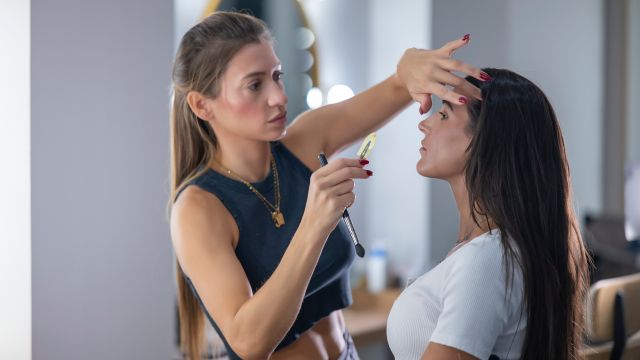
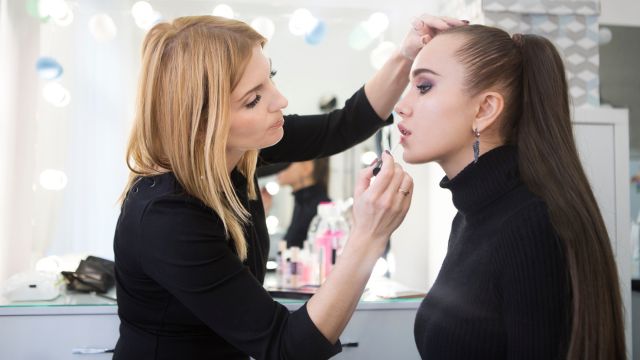
V praktickej časti budete pracovať priamo s modelkou. Budete pracovať na dvoch kompletných vzoroch s variáciami, aby ste získali istotu pri aplikácii. Vyskúšate si rôzne základné techniky, otestujete produkty a precvičíte si používanie štetcov a textúr. Cieľom tejto časti je, aby ste nielen poznali základy, ale aby ste ich aj vedeli aplikovať: rovnomerná pleť, jemne zvýraznené oči a prirodzený celkový vzhľad, ktorý zdôrazňuje individuálnu krásu. Tu položíte základy pre všetky ďalšie techniky líčenia.
Večerné a glamové líčenie
Večerné alebo glamour líčenie môže vyniknúť a ukázať prítomnosť. V tomto kurze sa naučíte, ako vytvoriť vzhľad vhodný na špeciálne príležitosti, ako sú večierky, podujatia, večere alebo elegantné večery. Ide o líčenie, ktoré je intenzívnejšie ako denné, ale zostáva štýlové a harmonické.
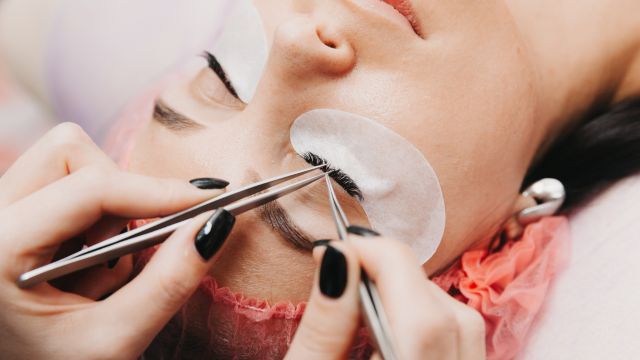
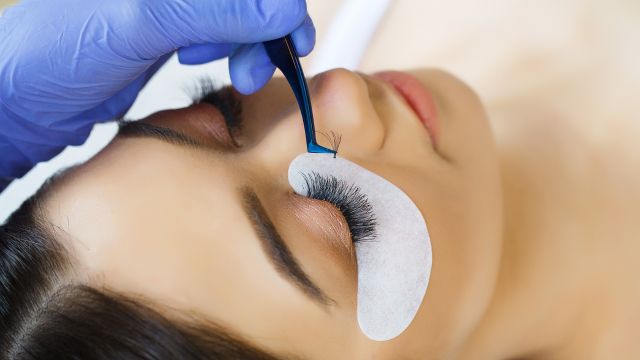
Budete pracovať s technikami kontúrovania a zvýrazňovania, ktoré špecificky modelujú tvár a dodávajú jej hĺbku. Precvičíte si aj profesionálnu aplikáciu umelých mihalníc, aby bol pohľad otvorenejší a výraznejší. Na pleť použijete žiarivé produkty, lesk a intenzívnejšie farby, ktoré dodajú vzhľadu šmrnc bez toho, aby ho preťažili.
V praktickej časti vytvoríte očarujúci vzhľad, ktorý sa zameria na svetlo a celkový efekt. Naučíte sa, ako farby, textúry a detaily spolupracujú a ako zabrániť tomu, aby ich bolo "príliš veľa". Cieľom je vytvoriť dokonale zladený vzhľad, v ktorom oči, pery a pleť navzájom ladia. Konečným výsledkom je pôvabný vzhľad, ktorý je čistý, elegantný a verný typu.
Svadobný make-up
Svadobné líčenie sa považuje za najvyššiu disciplínu, pretože si vyžaduje techniku, cit a dokonalosť. V tento výnimočný deň musí byť všetko správne: vzhľad, trvácnosť a predovšetkým dôvera nevesty vo vašu prácu.
V tomto predmete sa dozviete, ako vytvoriť make-up, ktorý dlho vydrží a odolá emotívnym momentom. Budete pracovať s fixačnými technikami, ako aj s vhodnými textúrami a produktmi, ktoré bez problémov vydržia slzy, objatia, počasie a mnoho hodín. Zároveň sa uistíte, že vzhľad je svieži, prirodzený a nadčasový, pretože svadobné fotografie pretrvajú celý život. Zameriavate sa na svadobný vzhľad, ktorý je verný typu: od klasického a elegantného cez moderný a čistý až po ľahké boho variácie. Úlohu zohráva nielen tvár, ale aj osobnosť, štýl, typ pleti a celkový dojem zo svadobného dňa. Dôležité je citlivé zaobchádzanie s nevestou. Naučíte sa jej načúvať, vystihnúť jej neistotu, spracovať jej želania a vytvoriť pokojné, profesionálne prostredie.
V praxi vytvoríte skúšobné líčenie a zladíte ho so šatami, doplnkami a účesom. Precvičíte si koordináciu, prácu s detailmi a vytvorenie harmonického celkového vzhľadu s cieľom vytvoriť svadobné líčenie s technickou istotou, ale aj so srdcom, aby sa nevesty cítili videné, krásne a v dobrých rukách.
Dymové oko, oko Halo a rezaný záhyb
Dramatickému vzhľadu očí prospieva technika, precíznosť a dobrý cit pre tvary. V tomto predmete sa zameriate na tri výrazné varianty líčenia očí: dymové oči, haló oči a rezaný záhyb.
Najprv sa naučíte rozpoznať a analyzovať rôznetvary očí. Naučíte sa, aký vplyv má na efekt pohľadu záhyb viečka, oblúk obočia, línia rias a vzdialenosť očí. Nejde len o to, aby ste "stvárnili" štýl, ale aj o to, aby ste pochopili, ktorý vzhľad podporuje ktorý tvar očí. Kedy otvorí pohľad haló oko ? Kedy je dymové oko lichotivé a kedy naopak potláčajúce? Ako vytvoriť rezaný záhyb, aby bolo oko jasne definované?
Potom budete postupovať krok za krokom. Naučíte sa, ako budovať farby, jemne miešať prechody a kresliť čisté línie. Dôležité je poradie, konzistencia produktu a technika štetca - malé detaily s veľkým účinkom. Podrobne si precvičíte všetky tri varianty a potom ich budete kreatívne aplikovať. Môžete experimentovať s intenzitou farieb, textúrami a leskom, aby ste vzhľad prispôsobili rôznym typom a príležitostiam.
Cieľom tejto časti je, aby ste vedeli nielen aplikovať líčenie očí, ale aj pochopiť a vedome ho navrhovať. To vám umožní vytvárať líčenia, ktoré zdôraznia tvar očí, zvýraznia výraz a odhalia osobnosť.
Vzhľad očných liniek
Očné linky môžu oko otvoriť, zvýrazniť, predĺžiť alebo mu dodať hĺbku - za predpokladu, že sú správne nanesené. Predmetom očných liniek sú línie, výraz a presnosť.
Najskôr sa zoznámite s rôznymi technikami: klasická jemná linka na každodenné a pracovné použitie, zahnuté krídlo na väčší výraz a moderná grafická linka na kreatívny vzhľad. Hlavnú úlohu tu zohrávajú rôzne tvary očí. Budete analyzovať, ako tvar oka, záhyb viečka a línia rias ovplyvňujú účinok očnej linky a ako linku upraviť tak, aby opticky podporila oko.
Dozviete sa aj o náuke o výrobkoch: gélové, tekuté a ceruzkové linky majú rôzne vlastnosti a oblasti použitia. Naučíte sa, kedy použiť ktorú linku, ako ju kontrolovane naniesť a ako vykonať korekcie čisto a profesionálne. V praktickej časti si krok za krokom precvičíte základné techniky a potom ich budete kreatívne aplikovať. Budete experimentovať s tvarom, dĺžkou, hrúbkou a efektom, aby ste si vycvičili zmysel pre líniu a rovnováhu.
Fotografický a filmový make-up
Pri fotografickom a filmovom make-upe je rozhodujúcim faktorom to, ako make-up vyzerá pod kamerou, svetlom a rozlíšením. To, čo v zrkadle vyzerá prirodzene, môže na fotografiách vyzerať príliš bledo, príliš lesklo alebo príliš málo kontrastne. V tomto predmete sa naučíte, ako navrhnúť make-up tak, aby vyzeral profesionálne a jasne naživo aj na fotografiách.
Najskôr sa pozriete na rozdiely v každodennom alebo spoločenskom líčení. Naučíte sa, ako štúdiové osvetlenie, blesk a HD kamery zobrazujú pleť a ktoré techniky sú potrebné na zachovanie viditeľných kontúr, kontrolu lesku a správnu reprodukciu farieb. Ďalšie zameranie je na biznis portréty a profesionálne fotografovanie, pri ktorom sa do popredia dostáva prirodzenosť a serióznosť. Venuje sa aj pánskemu líčeniu . Cieľom je vyrovnať nerovnosti bez toho, aby vyzerali "nalíčené", a vytvoriť upravenú, autentickú pleť .
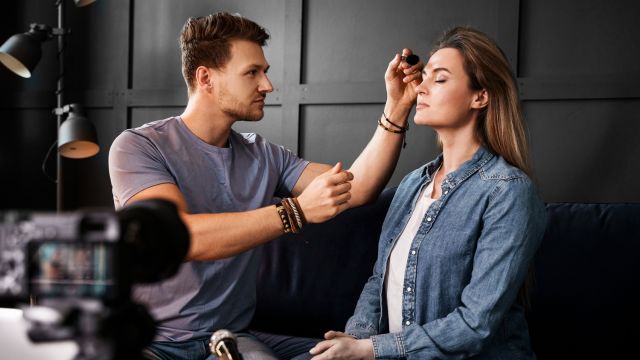
V praxi budete pracovať v reálnych podmienkach. Budete sa líčiť pod časovým tlakom, uprednostňovať najdôležitejšie kroky a pracovať rýchlo a čisto. Precvičíte si, ako efektívne upravovať vzhľad, reagovať na zmeny svetla a analyzovať výsledky priamo na monitore.
Korekčný make-up
Korekčný make-up je cielené krytie a vyrovnávanie nerovností pleti. Naučíte sa analyzovať rôzne typy pleti a vybrať vhodné produkty a techniky na škvrny, jazvy, začervenanie alebo poruchy pigmentácie. Budete priamo aplikovať teóriu farieb. Ktoré odtiene neutralizujú začervenanie? Ktoré tóny rozžiaria mdlú pleť? Ako môžete dosiahnuť rovnomernú, prirodzenú pleť bez efektu masky?
Ďalšie zameranie je na zakrývanie a zvýrazňovanie jednotlivých oblastí tváre. Naučíte sa, ako optimalizovať vzhľad nosa, pier, líc a očí bez toho, aby vyzerali neprirodzene. Venujeme sa aj najlepšiemu líčeniu pre generáciu 60+. Dôraz sa tu kladie na vhodné textúry, jemné prechody a techniky, ktoré podporujú zrelú pleť namiesto jej zvýrazňovania.
Dôležitá je aj komunikácia so zákazníkmi. Ako citlivo a pozitívne hovoriť o problémoch s pleťou bez toho, aby sa posilnila neistota? Ako podávať návrhy profesionálne a s rešpektom? V praktickej časti vytvoríte vzhľad pred a po, v ktorom cielene použijete naučené techniky. Naučíte sa presne, prirodzene a harmonicky zapracovať korekcie.
Dostupné varianty vzdelávania v rámci tohto školenia
Certifikovaná vizážistka Kopírovať
ZVOLENÝKurzy v triede€ 2.930,20namiesto€ 2.990,00
Najdôležitejšie informácie
Jazyk výučby
SK
Špecializovaný modul
Kurz skupinovej dochádzky
Kompetencia v oblasti krásy (online)
Typ učenia | Metóda učenia
Variant učenia
online/prítomnosť
Metóda učenia
vizuálne/motorické
Sluchový a vizuálny typ žiaka
Dobre sa hodí
Komunikačný a motorický typ učiaceho sa
Dobre sa hodí
Čas na učenie
flexibilné + termíny
Podpora vzdelávania (# all-inclusive)
Skripty a dokumenty vo formáte PDF
Podpora cez Onlinecampus, e-mail, chat, telefón.
WhatsApp & podpora na mieste
Testovacie skúšky
Preskúmanie/záver
Online priebežné skúšky z kozmetiky
Záverečná skúška
Flexibilný dátum
Certifikát v DE, EN, SP
Certifikát je platný na celom svete a časovo neobmedzený
Účet akadémie (# all-inclusive)
Online kampus je k dispozícii pre celý život
Bezplatný demo účet / skúšobný balík
Kópie certifikátov na stiahnutie vo formáte PDF
Certifikáty s overením (QR kód)
Propagácia
Možnosti financovania
až do 100 %.
Dovolenka na vzdelávanie (AT)
Propagácia pre spoločnosti
Propagácia pre samostatne zárobkovo činné osoby
Poradenstvo v rámci kurzu
nezáväzné
Odhad nákladov pre financujúcu agentúru
Benefit
Kariérna platforma s ponukami práce
Rozsiahle programy ďalšieho vzdelávania
Absolútne najlepšia cena a rozsah služieb
ZVOLENÝKurzy v triede€ 2.930,20namiesto€ 2.990,00
Najdôležitejšie informácie
Jazyk výučby
SK
Špecializovaný modul
Kurz skupinovej dochádzky
Kompetencia v oblasti krásy (online)
Typ učenia | Metóda učenia
Variant učenia
online/prítomnosť
Metóda učenia
vizuálne/motorické
Sluchový a vizuálny typ žiaka
Dobre sa hodí
Komunikačný a motorický typ učiaceho sa
Dobre sa hodí
Čas na učenie
flexibilné + termíny
Podpora vzdelávania (# all-inclusive)
Skripty a dokumenty vo formáte PDF
Podpora cez Onlinecampus, e-mail, chat, telefón.
WhatsApp & podpora na mieste
Testovacie skúšky
Preskúmanie/záver
Online priebežné skúšky z kozmetiky
Záverečná skúška
Flexibilný dátum
Certifikát v DE, EN, SP
Certifikát je platný na celom svete a časovo neobmedzený
Účet akadémie (# all-inclusive)
Online kampus je k dispozícii pre celý život
Bezplatný demo účet / skúšobný balík
Kópie certifikátov na stiahnutie vo formáte PDF
Certifikáty s overením (QR kód)
Propagácia
Možnosti financovania
až do 100 %.
Dovolenka na vzdelávanie (AT)
Propagácia pre spoločnosti
Propagácia pre samostatne zárobkovo činné osoby
Poradenstvo v rámci kurzu
nezáväzné
Odhad nákladov pre financujúcu agentúru
Benefit
Kariérna platforma s ponukami práce
Rozsiahle programy ďalšieho vzdelávania
Absolútne najlepšia cena a rozsah služieb
Základné informácie o variantoch učenia:
Obsah školenia je rovnaký pre každý variant vzdelávania
Obdobie skúšky, trvanie odbornej prípravy a skúšobný postup sú nezávislé od variantu vzdelávania
Z diaľkového štúdia môžete prejsť na prezenčné alebo individuálne vyučovanie. Môžete si tiež rezervovať jednotlivé bloky modulov
V rámci možnosti "osobného kurzu" si môžete rezervovať a absolvovať jednotlivé bloky v rámci individuálnych lekcií.
Záverečný certifikát sa nelíši bez ohľadu na to, v ktorom variante vzdelávania ste kurz absolvovali.
Vaše konto Academy a vzdelávací obsah vám zostanú do konca života.
Absolventky maskérstva môžu pracovať v kozmetických štúdiách, na svadbách a podujatiach, vo filmovom a televíznom priemysle, v divadle, na módnych foteniach a v redakciách, ako odborníčky na krásu značiek alebo ako samostatne zárobkovo činné maskérky. Obľúbenými oblasťami práce sú aj vedenie dielní a školenia.
Je možné pracovať aj ako samostatne zárobkovo činná vizážistka?
Áno, mnohí kvalifikovaní vizážisti pracujú nezávisle a ponúkajú svoje služby na svadbách, foteniach, podujatiach alebo pre súkromných klientov. Samostatná práca ponúka flexibilný pracovný čas, tvorivú slobodu a vyšší zárobkový potenciál. Medzinárodne uznávaný diplom podporuje vaše profesionálne vystupovanie.
Potrebujem v Rakúsku živnostenský list ako vizážista?
Na čisto dekoratívny make-up (bez invazívneho ošetrenia pleti) potrebujete v Rakúsku skúšku odbornej spôsobilosti "Kozmetika (kozmetická starostlivosť)", ktorá je obmedzená na dekoratívnu kozmetiku. Na kozmetické činnosti a ošetrenie pleti sa vyžaduje regulovaná živnosť s príslušným živnostenským oprávnením. Registrácia sa uskutočňuje na príslušnom obecnom alebo okresnom úrade.
Príjmy sa výrazne líšia v závislosti od oblasti práce a formy zamestnania. Zamestnanecké pozície v kozmetických štúdiách, obchodných domoch alebo u kozmetických značiek ponúkajú pravidelný plat so sociálnym poistením. Samostatne zárobkovo činné vizážistky majú podstatne vyšší zárobkový potenciál, pretože si môžu samy určovať svoje honoráre. Obzvlášť lukratívne sú špecializácie ako svadobný make-up a make-up na podujatia, filmové a televízne produkcie a módne fotenia. Zárobky sa výrazne zvyšujú s profesionálnymi skúsenosťami, kvalitou portfólia a reputáciou. Veľké mestá, ako napríklad Viedeň, ponúkajú vyššie honoráre ako vidiecke regióny.
Aké faktory ovplyvňujú príjmy?
Výnosy závisia od viacerých faktorov: Odborné skúsenosti a kvalita portfólia výrazne zvyšujú poplatky. Vo Viedni a veľkých mestách je možné dosiahnuť vyššie sadzby ako vo vidieckych regiónoch. Špecializácie, ako je svadobný make-up, SFX alebo editoriál, zvyšujú príjem. Samostatná práca ponúka najvyšší zárobkový potenciál, ale vyžaduje si aktívny marketing a získavanie zákazníkov.
Môžem sa po absolvovaní odbornej prípravy ďalej špecializovať?
Áno, po absolvovaní školenia pre vizážistov sa môžete špecializovať na rôzne oblasti: Môžete sa venovať špeciálnym efektom (SFX) a fantasy líčeniu, technike airbrush, permanentnému make-upu, účesom alebo fotografovaniu. Akadémia FlexyFit ponúka aj kombinovaný vzdelávací program Diploma Make-up Artist & Make-up Artist, ktorý spája oba diplomy.
Aký je rozdiel medzi vizážistom a vizážistom?
Kvalifikovaná vizážistka sa zameriava na klasické kozmetické techniky, analýzu pleti, farebné poradenstvo, denné, večerné a svadobné líčenie, ako aj profesionálny set make-up. Vizážistka sa špecializuje aj na špeciálne efekty, fantazijné líčenie, stvárnenie postáv a kreatívny javiskový vzhľad. Kombinovaný vzdelávací program spája obe oblasti pre maximálnu všestrannosť a kariérne možnosti.
Ako si môžem vybudovať základňu zákazníkov?
Úspešnú zákaznícku základňu si vybudujete prostredníctvom profesionálneho portfólia s kvalitnými fotografiami svojej práce, aktívnej prítomnosti na sociálnych sieťach (Instagram, Facebook, TikTok), spolupráce s fotografmi, obchodmi so svadobnou módou a eventovými agentúrami, odporúčacieho marketingu a recenzií zákazníkov, ako aj nadväzovania kontaktov na kozmetických podujatiach a svadobných veľtrhoch. Prvé kontakty môžete nadviazať už počas školenia.
Musíte mať aspoň 18 rokov, byť kreatívny a mať rád krásu. Nevyžadujú sa žiadne predchádzajúce školské znalosti, maturita ani skúsenosti s líčením. Kurz je vhodný pre začiatočníkov aj pokročilých. V prípade neplnoletých osôb je potrebný písomný súhlas rodičov.
Môžem byť vizážistkou aj vo veku 40+?
Áno, určite! Mnohí úspešní vizážisti začínajú svoju kariéru vo veku 40, 50 alebo dokonca 60 rokov. Životné skúsenosti, empatia a znalosť ľudskej povahy sú pri práci so zákazníkmi veľkou výhodou. Flexibilný vzdelávací program s online modulmi a osobnými kurzami umožňuje učiť sa pri práci v akomkoľvek veku.
Potrebujem predchádzajúce znalosti o líčení alebo kozmetike?
Nie, nepotrebujete žiadne predchádzajúce znalosti. Kurz začína základmi líčenia a systematicky na seba nadväzuje. Naučíte sa všetko od analýzy pleti a farebného poradenstva až po denné a večerné líčenie, svadobné líčenie a profesionálne techniky líčenia. Aj úplní začiatočníci dosiahnu profesionálnu úroveň.
Potrebujem na školenie vizážistov špeciálne vybavenie?
Na teoretické online moduly potrebujete len počítač, tablet alebo smartfón s prístupom na internet. V závislosti od zvoleného balíka (Basic, Premium alebo VIP) dostanete rôzne profesionálne štartovacie sady s produktmi a nástrojmi na líčenie. Môžete použiť aj svoje vlastné materiály a produkty. Pracujete so skutočnými modelkami a dostanete odporúčania pre svoje vlastné základné vybavenie.
Čo je portfólio a na čo ho ako vizážista potrebujem?
Portfólio je vaša profesionálna pracovná kniha s vysokokvalitnými fotografiami vašich najlepších líčidiel a premien. Potenciálnym klientom, agentúram, produkčným spoločnostiam a zamestnávateľom ukáže vaše schopnosti, štýl a všestrannosť. Portfólio je vašou vizuálnou vizitkou a často je rozhodujúce pri uzatváraní zmlúv - najmä v kozmetickom, filmovom a eventovom priemysle, kde klienti chcú vidieť, čo dokážete, skôr než si vás objednajú. Silné portfólio s profesionálnymi snímkami pred a po, rôznymi vzhľadmi (svadobné, editoriálne, SFX, fantasy) a kreatívnou prácou otvára dvere k lukratívnym projektom a pomáha budovať vašu značku na sociálnych sieťach a na vašej webovej stránke.
Kontaktujte nás. Radi vám pomôžeme.
Je možné získať dotáciu na kurz až do výšky 100 %!
Využite podporu na ďalšie vzdelávanie a začnite hneď teraz. Bezplatne a nezáväzne vám poradíme ohľadom možností získania podpory – telefonicky alebo osobne.
Najlepšie hodnotenia
Získajte si teraz bezplatný skúšobný prístup. Najprv to vyskúšajte, až potom sa učte!
Super Ausbildung und mega nette Leute. Man merkt, wie viel Wert darauf gelegt wird den Kursteilnehmern das nötige Wissen verständlich zu vermitteln. Ich durfte sogar freundlicherweise einen Kurs komplett kostenlos nachholen, nachdem etwas problematische und störende Teilnehmer in meiner Gruppe waren. Ich werde 100%ig in Zukunft noch weitere Kurse bei euch machen, weil das Lernen allen voran dank des freundlichen Personals extremen Spaß macht!
Das gesamte Team von flexyfit ist überaus freundlich, prompt und hilfsbereit. Die Vortragenden sind kompetent und gehen auf die Kursteilnehmer ein. Sämtliche Lernunterlagen wurden übersichtlich und ausreichend detailliert zur Verfügung gestellt. Durch die zusätzlichen Videos ist für jeden Lerntyp etwas dabei. Alles in allem verliefen Ausbildung und Prüfung top. Ich kann flexyfit jedenfalls weiterempfehlen und werde weitere Ausbildungen gerne wieder bei Euch buchen und weiterempfehlen!
Ein super Team - kompetent, freundlich, stets hilfsbereit und unterstützend - hat die praxisnahe Ausbildung hervorragend begleitet. Sehr zu empfehlen! :)
Die Ausbildung zum Fitnesstrainer B-Lizenz hat mir dort sehr viel Spaß gemacht. Die gestellten Lehrmaterialien sind super und einwandfrei. Ich habe dort sehr viel neues gelernt und war immer mit Freude an der Sache. Das Team ist super und ist bei Rückfragen immer für einen da!
Das Beste, was mir passieren konnte, ist diese Akademie. Der Zugang zu den Teilnehmern ist hervorragend. Alle Mitarbeiter sind sehr kompetent, sehr professionell und sehr freundlich. Ein Mensch kann so viel lernen, dass es unbeschreiblich gut ist. Ich würde es jedem empfehlen. Als ich in Österreich ankam, war ich auf der Suche nach so etwas und zum Glück habe ich diese Akademie gefunden und mich ohne zu zögern für den Kurs angemeldet. All das, was wir als Gegenleistung bekommen, ist 100-mal mehr wert als das, was wir bezahlen. Unbeschreibliche Erfahrung, unbeschreibliche Menschen, noch einmal und noch 1000 Mal sage ich: Danke für alles, danke für dieses unbeschreibliche Erlebnis. DANKE, DANKE, DANKE <3
Ich konnte im Rahmen meiner Ausbildung bei der Flexyfit Academy sehr viel neues lernen und konnte mich mit meinem ausgewählten Lehrgang einer neuen anspruchsvollen Herausforderung stellen. Die Struktur der Ausbildungen ist sehr verständlich und übersichtlich gestaltet, sodass man ohne Probleme das Fernstudium alleine meistern kann. Bei Fragen, Unklarheiten oder vereinzelten Problemen war das Team der Academy immer schnell zur Seite und man konnte immer eine gemeinsame Lösung finden. Hier und da hätte ich mir noch etwas mehr Praxisbezug gewünscht. Nichtsdestotrotz habe ich mich immer sehr wohl gefühlt, habe tolle Referenten gehabt und mit meinem Abschluss zum Dipl. Medical Sportbetreuer stehen mir nun viele neue Türen offen :)
Konnte meinen gewählten Lehrgang sehr gut und zügig abschließen. Das Team ist sehr schnell und kukant und man bekommt immer eine gute Lösung angeboten, sollte es Unklarheiten geben. Werde bei Gelegenheit wieder buchen und kann die Akademie empfehlen!
Hat sehr viel Spaß gemacht meine Schwimmtrainer Ausbildung bei der Flexyfit zu absolvieren! Das Programm ist sehr umfangreich und die Trainer sind sehr gut ausgebildet.
Die Ausbildung in der Flexyfit war die beste Entscheidung, hab sehr viel in puncto Sport und Ernährung dazugelernt. Die Unterstützung war immer gegeben, sehr kompetentes und nettes Personal/ Trainer. Ich werde die Academy auf alle Fälle weiter Empfehlen. Insbesondere danke an Melanie, Sarah und Daniel
Eine wirklich anspruchsvolle Ausbildung, tolles Material, die Videos sind prima, das Script ergänzt gut. Die Struktur sehr sinnvoll aufgebaut, man findet sich gut zurecht. Lediglich finde ich die Verhältnismäßigkeit der Yogalizenz gegenüber der Pilateslizenz ungünstig. Es werden viel mehr Prüfungen in der Yogalizenz gefordert. Die Abschlussprüfung ebenfalls in der Yogalizenz deutlich schwieriger, Fragen müssten in meinen Augen überdacht werden.
Danke Flexyfit - sehr kompetent, tolle Unterlagen und auch Unterstützung. Die praktischen Übungen in Innsbruck waren TOP - Danke Matthias. Kann ich nur weiterempfehlen. Ich werde weitermachen. 😉
Qualitativ sehr hochwertige Ausbildung! Die Flexyfit Academy war sehr bemüht auf alle Fragen die im Zuge der Ausbildung entstanden sind einzugehen und genau zu erklären. Kann ich auf jeden Fall weiterempfehlen!
Absolut zufrieden! Ich habe mich für das Fernstudium entschieden, da ich persönlich nicht vor Ort sein konnte, und ich kann es wärmstens empfehlen! Alles hat reibungslos funktioniert, die Kontaktaufnahme war schnell, und bei Problemen wurde immer eine Lösung gefunden. Das Team ist super freundlich, und die Profilübersicht ist sehr übersichtlich. Ein kleiner Vorschlag: Es wäre hilfreich, wenn Nutzer, die längere Zeit inaktiv sind, einen Reminder erhalten würden oder eine App zur Verfügung stünde, um auch mobil lernen zu können.
Ich war von der Ausbildung sehr positiv überrascht! Das Fernstudium hat ganz unkompliziert funktioniert und der Service war auch perfekt! Die Unterlagen waren sehr gut und ich habe sehr viel dazugelernt! Kann ich mit gutem Gewissen weiterempfehlen! Update 2024: Nachdem ich nun bereits meine dritte Ausbildung abgeschlossen habe, kann ich meine erste Bewertung nur bestätigen! Als Vollzeit-Berufstätiger war es für mich eine super Möglichkeit nebenberuflich eine Ausbildung zu machen die meiner Leidenschaft entspricht! Ich lese regelmäßig Bücher zum Thema Sport und Gesundheit, und muss sagen dass die Ausbildungen überall auf einem sehr guten und aktuellen Stand sind! Das hat mich doch etwas positiv überrascht! =) Dank Flexyfit kann ich nun mein Hobby zum Beruf machen! Deshalb nochmal eine klare Empfehlung von mir!
Eine tolle Ausbildung, die da angeboten wird, mit einem sehr freundlichen und kompetenten Team. Es war ein Vergnügen mit euren sehr gut aufbereiteten Videos und Skripten zu lernen. Ich freue mich schon auf meine nächste Ausbildung. Kann ich nur sehr weiterempfehlen, von mir gibt es definitv 5 Sterne.
Sehr zuvorkommendes Team und ein allseits herzlicher Umgang! Die Ausbildungslehrgänge inkludieren einen interessanten Austausch mit guten, sportlichen Ausbildnern :)
Ich habe die Kindertrainer Ausbildung bei Flexyfit gemacht. Von Beginn an wird man super betreut, die Kommunikation passt perfekt. Alle sind bemüht und freundlich. Online sowie vor Ort hat alles perfekt gepasst. Es wird bestimmt nicht die letzte Ausbildung bzw. Workshop sein, welchen ich bei euch gemacht habe. Freue mich auf ein Wiedersehen. Danke an Daniel, Melanie und Beno :-)
Flexibles lernen leicht gemacht :) Sehr kompetent und freundlich . Sehr schnelle Antworten bei Fragen&wer eine Ausbildung im Sport Bereich machen will würd ich jedem die Flexyfit empfehlen 💪🏾
Ich habe bereits zwei Fernkurse absolviert und ich kann sagen, dass Weiterbilden mit den Flexyfit Kursen einfach Spaß macht. Man lernt im eigenen Tempo und zeitlich und örtlich flexibel.
Ich habe mittlerweile zwei Ausbildungen bei der Flexyfit Academy absolviert und würde es sofort wieder machen. Wenn möglich empfehle ich die Präsenzkurse, es ergibt sich einfach ein super spannender Austausch. Service und Betreuung sind top und es wird auf sämtliche Bedürfnisse eingegangen. Mini-Manko: das Online-Lernsystem ist nicht ganz straight-forward, aber man findest sich schnell ein.
➕ Gutes Institut mit toller Online-Academy und einem vielfältigen Ausbildungsangebot. Ich habe bereits 3 Ausbildungen dort absolviert. Gut finde ich den modulartigen Aufbau, sodass div. Basismodule auch für andere Ausbildungen herangezogen werden können. ➖ Leider wurde die Preisstruktur angepasst, sodass bereits absolvierte (Basis-)Module preislich nicht (mehr) in Abzug gebracht werden können. Schade.
Habe bereits zwei Ausbildungen bei der Flexyfit Sports Academy gemacht und bin voll zufrieden! Ein super nettes Team, die Organisation und Unterlagen sind Top - nur zu empfehlen ;)
Tolles Team! Die Organisation rund um die Ausbildung ist unkompliziert und sehr kompetent. Die Vortragenden sind professionell und erfahren und bringen eine gute Mischung aus Theorie und Praxis mit. Im Gesamten nur zu empfehlen.
Unheimlich freundliches Team, immer erreichbar, wahnsinnig hilfsbereit und sehr bemüht, für alles eine Lösung zu finden. Die Lernvideos und Skripten sind gut aufbereitet und easy to follow. Am meisten konnte ich persönlich von den wirklich guten Tutoren im praktischen Teil lernen. Insgesamt bekommt man einen sehr guten Über- und Einblick in die relevanten Themenbereiche, mir persönlich hat der Kurs auch gezeigt, wohin ich mich weiter orientieren & welche Bereiche ich vertiefen möchte. Außerdem: top ausgestattete Lehrsäle & überhaupt sehr ansprechende Räumlichkeiten - alles sehr einladend und familiär. Immer wieder sieht man jemanden aus dem Team gerade vom Laufen oder aus der Kraftkammer zurückkommen - da fühlt man sich gleich wohl! (Ausbildung: Dipl. Medical SportbetreuerIn)
Die Ausbildung war top 👍 sehr viel gelernt, sehr nette Leute kennengelernt- ich kann in jeder Hinsicht profitieren Und mir wurde ein Traum erfüllt- DANKE SEHR 😊
Bin sehr zufrieden, hatte eine TOP Professorin (was heutzutage keine Selbstverständlichkeit ist). Finde es toll, dass man als Ernährungstrainer anatomische Fächer (nennt sich Sportkompetenz) auch lernen muss. Der Support war auch toll. Sehr hilfsbereites Team! Bin alles in allem sehr zufrieden.
Super schnelles und nettes Service! Jede Frage sofort beantwortet und das auf eine angenehme und wertschätztende Art! Was besser wäre, mehr Zeit für Präsenzunterricht!
Meine Ausbildung bei Flexyfit Sport Academy... Ich habe die beste Unterstützung und Beratung vom kompetentesten, freundlichsten und erfolgreichsten Team erhalten. Vielen Dank an das Top-Team (Büro, Referenten und Coaches). Es war mir eine große Freude, mit Ihnen den Weg zur Verwirklichung meiner eigenen Ziele zu gehen.
Für alle Coaches, die detailiertes Wissen in einem oder mehreren Bereichen aufsaugen wollen. Bin einfach nur sehr begeistert von der Flexyfit Sport Acamedy und habe mich bei den Trainern super aufgehoben gefühlt. Die Begeisterung war selbst bei den Zoom Workshops so greifbar. Egal ob man lieber das Skript liest oder die dazugehörigen Videos anschaut, für jeden Lerntyp ist ein Medium dabei und das Lernmaterial ist super gut aufbereitet. Und sollten doch mal Fragen aufkommen, ist der 'Customer Service' super schnell zur Stelle und antwortet nach ein paar Stunden oder ist mit einem Rat zur Stelle. Einfach empfehlenswert!!! Vielen Dank liebe Flexyfit Sport Academy.
Einfach super und sehr, sehr nett. Alle Mitarbeiter vom Flexyfit Sports Academy Team sind so nett, zuvorkommend und hilfsbereit. Es gibt wirklich binnen Minuten bis einer Stunde eine Hilfe, wenn Fragen beim Online lernen auftreten. Es ist sehr viel zu lernen, aber es zeigt, dass eine Trainer Ausbildung, egal welches Fachgebiet, sehr wohl eine gewisse Grundlage benötigt und ich persönlich finde es genau richtig. Das zeigt für mich von Qualität und dass nicht jeder selbsternannte Profi auch ein Kenner und Könner ist. Augen auf mit wem und wo man trainiert! Es ist unser Körper und auf den sollte jeder Mensch achten und den 'richtigen' Trainer mit Fachwissen an seiner Seite haben. Ich kann Flexyfit Sports Academy nur empfehlen. Vielen herzlichen Dank an alle Flexyfit Sports Academy MitarbeiterInnen, ihr seid toll!!!!!
Unglaublich hilfsbereites Personal! Sogar an Feiertagen extra für mich gearbeitet und Termine vereinbart, sehr zukommend und unterstützend. Absolut empfehlenswert und happy :)
Die Ausbildung (Dipl. Health Fitness & Personal Trainer) ist wirklich super, wenn ich ein Problem hatte wurde mir immer sehr schnell geholfen. Die Videos in Verbindung mit den Skripten sind sehr hilfreich und gut gestaltet, die Ausbildung insgesamt top aufgebaut, auch mit den Zwischenprüfungen, Übungsaufgaben usw. Dadurch festigt sich das Gelernte noch viel besser! Auch die Vortragenden sind sehr kompetent und meine 2 Prüfer waren sehr freundlich und locker, so dass kein Grund zur Nervosität bestand. Alles in allem sehr empfehlenswert!
Exzellente Ausbildungsmöglichkeiten und hervorragende Erfahrungen: Ich hatte das Vergnügen gleich drei verschiedene Ausbildungen in der Flexyfit Sports Academy zu absolvieren, und es ist ohne Zweifel eine erstklassige Einrichtung für die Weiterentwicklung der sportlichen Fähigkeiten. Hier sind meine persönlichen Gründe, warum ich die Flexyfit Sports Academy so außergewöhnlich finde: Hervorragende Trainer: Die Trainer, die ich kennengelernt habe, sind erstklassig. Alle verfügen über umfangreiches Wissen und Erfahrung in ihren jeweiligen Bereichen und gehen stets auf die individuellen Bedürfnisse der Teilnehmer ein. Die Ausbildung war für mich maßgeschneidert und äußerst effektiv. Vielfältige Ausbildungsangebote: Die Academy bietet eine breite Palette von Ausbildungen an, die für verschiedene Fitnessziele geeignet sind. Egal, ob man nach Kraftaufbau, Flexibilität, oder Ausdauer strebt, hier findet man das passende Programm. Hochmoderne Einrichtungen: Die Einrichtungen in der Flexyfit Sports Academy sind erstklassig und mit modernster Ausrüstung ausgestattet. Sie sorgen für ein optimales Trainingserlebnis und ermöglichen es den Teilnehmern, das Beste aus sich herauszuholen. Eine inspirierende Gemeinschaft: Die Atmosphäre in der Academy ist motivierend und unterstützend. Man fühlt sich als Teil einer engagierten Gemeinschaft, die ein gemeinsames Ziel hat: Fortschritte im Sport und Fitness zu erzielen. Hervorragendes Preis-Leistungs-Verhältnis: Die Qualität der Ausbildung die man erhält, steht in einem ausgezeichneten Verhältnis zu den Kosten. Es ist eine Investition für die Gesundheit und das Wohlbefinden. Ich kann die Flexyfit Sports Academy uneingeschränkt weiterempfehlen. Die Ausbildungen, die ich hier absolviert habe, haben meine Erwartungen übertroffen. Wenn man nach einem Ort sucht, an dem man die sportlichen Ziele erreichen kann, ist dies der richtige Ort. Die Academy verdient die Bestnote, und ich freue mich auf weitere Ausbildungen in der Zukunft.
Die Ausbildung zum Dipl. Fitnesstrainer war sehr lehrreich und interessant. Die Module sind durchgedacht aufgebaut und gehen von Theorie zu Praxis. Die ganze Ausbildung hat unkompliziert funktioniert. Service perfekt, ich kann die Academy nur weiter empfehlen. Melanie und Sarah danke für alles! Einfach top!
Čoskoro dostanete e-mail s potvrdením odberu noviniek:
Skontrolujte tiež priečinok SPAM
Prajeme vám ďalšie flexytastický deň
* Povinné polia
E-mailom dostanete našu brožúru o školení.
Ďakujem
Čoskoro dostanete e-mail s odkazom na stiahnutie brožúry na adrese:
Skontrolujte tiež priečinok SPAM
Prajeme vám ďalšie flexytastický deň
Ochrana vašich osobných údajov je pre nás mimoriadne dôležitá. Týmto súhlasím s použitím mojich údajov na kontaktovanie. Prečítal som si zásady ochrany osobných údajov a súhlasím s nimi.
Kvalita, na ktorú sa môžeš spoľahnúť
Viac ako
42.975Spokojní absolventi - z adresySlovensko
a
19 ostatné krajiny, nám dôverujú od roku 2007.
Obsah vzdelávania
Podrobnosti
O súboroch cookie Súbory cookie sú malé textové súbory, ktoré webové stránky používajú na zlepšenie používateľského zážitku.
Zákon nám umožňuje ukladať súbory cookie do vášho zariadenia, ak sú nevyhnutne potrebné na prevádzku tejto webovej stránky. Na všetky ostatné typy súborov cookie potrebujeme váš súhlas. Táto webová lokalita používa rôzne typy súborov cookie. Niektoré súbory cookie nastavujú tretie strany, ktoré sa zobrazujú na našich stránkach. Svoj súhlas môžete kedykoľvek zmeniť alebo odvolať prostredníctvom vyhlásenia o súboroch cookie na našej webovej stránke.
V našich zásadách ochrany osobných údajov sa dozviete viac o tom, kto sme, ako nás môžete kontaktovať a ako spracúvame osobné údaje.
6
Nevyhnutné súbory cookie pomáhajú pri používaní webovej stránky tým, že umožňujú základné funkcie, ako je navigácia na stránke a prístup do zabezpečených oblastí webovej stránky. Bez týchto súborov cookie nemôže webová stránka správne fungovať.
Tento súbor cookie sa používa na rozlišovanie medzi ľuďmi a robotmi. Je to prospešné pre webovú stránku, aby mohla vytvárať platné správy o používaní vašej webovej stránky.
rc::c
Tento súbor cookie sa používa na rozlišovanie medzi ľuďmi a robotmi.
Tento súbor cookie sa používa na rozlišovanie medzi ľuďmi a robotmi. Je to užitočné pre webovú stránku, aby mohla vytvárať platné správy o používaní svojej webovej stránky.
_cfuvid
Tento súbor cookie je súčasťou služieb spoločnosti Cloudflare - vrátane vyrovnávania záťaže, poskytovania obsahu webových stránok a poskytovania pripojenia DNS pre prevádzkovateľov webových stránok.
Tento súbor cookie používajú vlastníci webovej lokality interne pri nahrávaní alebo aktualizácii obsahu na webovej lokalite.
XSRF-TOKEN
Zabezpečuje bezpečnosť prehliadania pre návštevníkov tým, že zabraňuje podvrhnutiu krížovej požiadavky. Tento súbor cookie je nevyhnutný pre bezpečnosť webovej stránky a návštevníka.
3
Súbory cookie preferencií umožňujú webovej lokalite zapamätať si informácie, ktoré ovplyvňujú spôsob, akým sa webová lokalita správa alebo vyzerá, ako napríklad váš preferovaný jazyk alebo región, v ktorom sa nachádzate.
Jedinečné ID používateľa, ktoré rozpozná používateľa pri opakovaných návštevách.
3
Štatistické súbory cookie pomáhajú majiteľom webových stránok pochopiť, ako návštevníci interagujú s webovými stránkami, a to prostredníctvom anonymného zhromažďovania a vykazovania informácií.
Registruje jedinečné ID, ktoré sa používa na generovanie štatistických údajov o tom, ako návštevník používa webové stránky.
_ga_#
Zhromažďuje údaje o tom, ako často používateľ navštívil webové stránky, ako aj údaje o prvej a poslednej návšteve. Používa sa v službe Google Analytics.
15
Marketingové súbory cookie sa používajú na sledovanie návštevníkov na webových stránkach. Zámerom je zobrazovať reklamy, ktoré sú relevantné a pútavé pre jednotlivých používateľov, a preto sú cennejšie pre vydavateľov a inzerentov tretích strán.
Obsahuje dátum vypršania platnosti súboru cookie s príslušným názvom.
_uetsid
Slúži na sledovanie návštevníkov na viacerých webových stránkach s cieľom zobrazovať relevantné reklamy na základe preferencií návštevníka.
_uetvid_exp
Obsahuje dátum vypršania platnosti súboru cookie s príslušným názvom.
MUID
Široko používaný spoločnosťou Microsoft ako jedinečné ID používateľa. Súbor cookie umožňuje sledovanie používateľa synchronizáciou ID v mnohých doménach spoločnosti Microsoft.
MSPTC
Tento súbor cookie zaznamenáva údaje návštevníka. Tieto informácie sa používajú na optimalizáciu relevantnosti reklamy.
_uetvid
Slúži na sledovanie návštevníkov na viacerých webových stránkach s cieľom zobrazovať relevantné reklamy na základe preferencií návštevníka.
_uetsid
Zhromažďuje údaje o správaní návštevníkov na viacerých webových stránkach s cieľom prezentovať relevantnejšiu reklamu - To tiež umožňuje webovej stránke obmedziť počet zobrazení tej istej reklamy.
_uetvid
Slúži na sledovanie návštevníkov na viacerých webových stránkach s cieľom zobrazovať relevantné reklamy na základe preferencií návštevníka.
Slúži na sledovanie toho, či návštevník prejavil záujem o určité produkty alebo udalosti na viacerých webových stránkach a ako sa návštevník pohybuje medzi webovými stránkami - Používa sa na meranie výdavkov na reklamu a uľahčuje platbu poplatkov za odporúčanie medzi webovými stránkami.
IDE
Používa sa službou Google DoubleClick na registráciu a zaznamenávanie činností používateľa na webovej lokalite po zobrazení alebo kliknutí na jednu z reklám poskytovateľa s cieľom merať účinnosť reklamy a zobrazovať používateľovi cielenú reklamu.
pagead/1p-conversion/#/
Čaká sa na
test_cookie
Slúži na kontrolu, či prehliadač používateľa podporuje súbory cookie.




 Rozvrh kurzov
 BK
BK
 GTC
GTC











 Prepnúť WhatsApp®"
A budete presmerovaní priamo do aplikácie WhatsApp®.
Prepnúť WhatsApp®"
A budete presmerovaní priamo do aplikácie WhatsApp®.


