Sehr hilfsbereit bei Fragen, telefonischer Rückruf immer freundlich
vor 27 Tagen
Jede Frage wird schnell beantwortet und bestens erklärt, alles sehr unkompliziert!
10.07.2026
Die Flexyfity Academy ist so gut aufbereitet - die Videos, die Skripte, die Prüfungen - alles ist verständlich, gut strukturiert und es hat so viel Freude gemacht hier zu lernen. Bei technischen Problemen hat sich der Support innerhalb kürzester Zeit zurückgemeldet und ich habe mich stets bestens betreut gefühlt. Auch meine Prüfungsangst war schnell verflogen, weil die Prüfungsdozentin so nett gewesen ist. Ich freue mich schon jetzt auf weiter Kurse in der Academy und empfehle sie weiter.
09.07.2026
Super und unkomplizierter Service!
15.06.2026
Super Beratung, alles hat perfekt funktioniert. Sehr freundlicher und professioneller Service. Ich freue mich schon auf die Ausbildung und kann die Betreuung nur weiterempfehlen!
14.06.2026
Sehr höfliche und sehr schnelle Beratung.
19.05.2026
Ich bin mit Flexifit sehr zufrieden.
E-Mails werden immer schnell und hilfreich beantwortet und auch telefonisch bekommt man freundliche und kompetente Auskünfte.
Ich habe auch an den Kursen teilgenommen und fand die Kurse sehr gut organisiert und interessant.
Die Vortragenden waren professionell und hilfsbereit.
Insgesamt bin ich sehr zufrieden und kann Flexifit nur weiterempfehlen.
13.05.2026
Schnelle und unkompliziert Hilfe! Der Kontakt war immer außerordentlich hilfsbereit und freundlich.
24.04.2026
Super Kundendienst
21.04.2026
Fundierte Ausbildung, aussagekräftige Skripten und Videos, toller Support!
13.04.2026
Schnell und nicht aufwendig!
01.04.2026
Sehr umfangreiche und interessante Ausbildung.
Sehr nette und kompetente Referenten.
25.03.2026
Die Inhalte sind echt toll wie auch die Trainer. Es ist unkompliziert online eine Ausbildung neben Arbeit und Kindern zu verrichten.
Wenn eine Ausbildung dann wieder über flexifit
13.03.2026
Sehr nettes und kompetentes Team. Tolle Ausbildungen. Danke Euch 🙏🏽🫶🏽
06.03.2026
Bei Rückfragen zu einem Kurs, die ich über die Chat-Funktion gestellt habe, habe ich sofort Antwort bekommen und das Angebot für ein spontanes Telefonat. Da fühlt man sich gleich mal gut aufgehoben.
Nach dem Telefonat habe ich mich gut abgeholt gefühlt und zusätzlich alle besprochenen Punkte per Email schriftlich auch noch erhalten.
Großartig!! Das war der Auslöser, dass ich den Kurs auch sofort gebucht habe
14.02.2026
Kundenservice vorab zur Bestellung durch Melanie - sämtliche Fragen wurden umfassend und sehr rasch beantwortet
10.02.2026
Eine super tolle learning Plattform. Fragen egal welches Thema werden sehr schnell beantwortet.Note 1
Make-up Artist & Visagist Ausbildung in Wien, Linz, Graz und Innsbruck – deine Karriere in der Beauty-Branche
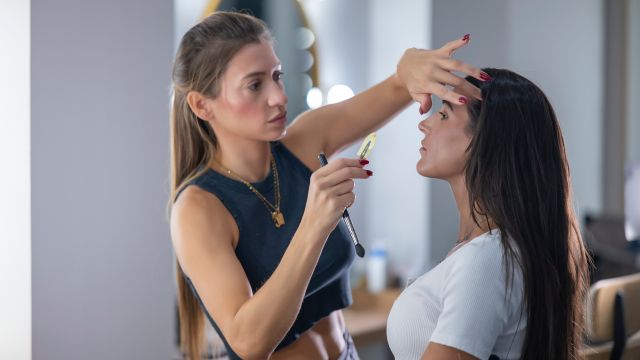
Du träumst davon, Menschen mit professionellen Schmink-Techniken zu verwandeln und in der Beauty-Branche durchzustarten? Mit unserer Visagistin-Ausbildung legst du den Grundstein für eine erfolgreiche Karriere – ob selbstständig, in Beauty-Studios, bei Fotoshootings oder für besondere Events wie Braut- und Hochzeits-Make-up. Du startest jederzeit, lernst die Theorie flexibel per E-Learning und vertiefst die Praxis vor Ort.
Für wen ist die Ausbildung geeignet?
Für den Einstieg brauchst du keine Vorbildung in Kosmetik oder Make-up. Wichtig sind Begeisterung für Beauty, Kreativität und Freude an der Arbeit mit Menschen.
Quereinsteiger in die Beauty-Branche
Kosmetiker, die ihr Angebot erweitern möchten
Kreative, die als mobile Visagistin arbeiten wollen
Alle, die sich als Beauty-Experte selbstständig machen möchten
Praxisnahes Fachwissen – Blended Learning
Du erwirbst fundierte Kenntnisse in Hautlehre, Farblehre, Gesichtsanalyse und professionellen Schmink-Techniken und lernst alle wichtigen Styles: Tages-, Glam-, Braut-, Foto- und Korrektur-Make-up sowie Smokey Eyes.
Dein Ausbildungsweg in 2 Phasen:
Phase 1 (E-Learning): Grundmodul Beauty-Kompetenzen – flexibel online, jederzeit starten
Phase 2 (Präsenz in Wien, Linz, Graz und Innsbruck): Fachmodul Diplom Visagist – 56 UE intensive Praxis mit echten Models
Karrierechancen & Tätigkeitsfelder
Nach erfolgreichem Abschluss eröffnen sich dir vielfältige Optionen – flexibel in Vollzeit, Teilzeit, Festanstellung oder als Hybrid-Modell:
Film, Fernsehen & Theater – Look-Design hinter der Kamera
Fashion & Editorial – Laufsteg- und Magazin-Make-up
Brand Beauty-Experte für Kosmetikmarken
Trainer & Workshop-Leitung – eigene Kurse oder Corporate-Training
Warum jetzt in die Beauty-Branche einsteigen?
Die Beauty-Branche wächst stetig – und mit ihr deine Chancen:
Steigende Nachfrage nach professionellem Make-up
Social Media & Influencer-Kultur als Wachstumstreiber
Intensiver Hochzeits-, Event- und Wellness-Markt
Digitale Beratungs- und Workshop-Formate als neue Geschäftsfelder
Warum bei der Flexyfit Academy?
Jederzeit starten – keine festen Starttermine, du bestimmst das Tempo
Flexibles E-Learning für die Theorie – lerne wann und wo du willst
Intensive Praxis in Wien mit echten Models und Event-Make-up-Training
Kleine Gruppen (4–10 Teilnehmer) für intensive Betreuung
Erfahrene Beauty-Experten aus der Kosmetik- und Visagistik-Branche
Förderungen je nach Land und Förderstelle möglich
Flexible, zinsfreie Ratenzahlung
Dein anerkanntes Diplom
Nach erfolgreichem Abschluss erhältst du dein anerkanntes Diplom als Visagistin oder Visagist. Die Zertifikate gibt es in mehreren Varianten, je nach Lernpaket mit oder ohne Notendruck sowie mit länderspezifischen Informationen.
Mehrsprachig auf Wunsch in internationalen Sprachversionen
Flexibel abrufbar – jederzeit kostenlos im Online-Campus
Exklusiv gedruckt – je nach Lernpaket auf Sonderpapier mit Prägedruck
Qualitätsgeprüft – zertifiziert nach EN ISO 9001 und Ö-Cert
Das brauchst du, um loszulegen
Online oder schriftliche Anmeldung
Keine speziellen Vorkenntnisse erforderlich
Kreativität und Interesse an Make-up und Beauty
Mindestalter 18 Jahre (unter 18 mit schriftlicher Zustimmung der Erziehungsberechtigten)
Für die Präsenzphase: Anreise nach Wien möglich
Du hast konkrete Fragen zur Ausbildung?
Wir beraten dich gerne persönlich – telefonisch, per E-Mail oder im Chat. Stell uns jetzt deine Frage, unverbindlich und kostenlos.
Online Anfrage
Rechtlicher Hinweis zur selbstständigen Tätigkeit
Mit unserer Ausbildung erwirbst du praktische und fachliche Kenntnisse im Bereich Make-up und Visagistik. Unser Diplom bestätigt den erfolgreichen Abschluss der Ausbildung. Es ersetzt jedoch keine Gewerbeberechtigung oder behördliche Zulassung.
Welche Tätigkeiten du nach der Ausbildung selbstständig ausüben darfst, richtet sich nach den jeweils geltenden gesetzlichen Vorschriften und nach dem genauen Leistungsangebot. Bitte kläre daher vor einer Gewerbeanmeldung oder selbstständigen Tätigkeit mit der zuständigen Behörde oder Wirtschaftskammer, welche Voraussetzungen in deinem Fall gelten. Für die rechtmäßige Ausübung der Tätigkeit ist jede Absolventin und jeder Absolvent selbst verantwortlich.
Lehrinhalte - Das lernst du in der Ausbildung
Lernumfang
380 E |
Umfang
BKZ
200
Beauty Kompetenz
EL
120
eLearning | Selbststudium
RE
15
Literaturrecherche
TE
30
Praktische Umsetzung
AE
15
Zusatzaufgaben & Prüfungen
Unsere Ausbildungen sind grundsätzlich förderfähig. Ob dir eine Förderung genehmigt wird, entscheidet die jeweils zuständige Förderstelle.
Wir unterstützen dich gerne bei der Zusammenstellung aller notwendigen Kursinformationen, die du für deinen Förderantrag benötigst.
Selbstverständlich stehen wir dir während des gesamten Prozesses beratend zur Seite und begleiten dich von der ersten Anfrage bis zur Einreichung deines Antrags. Kontaktiere uns – wir kümmern uns darum, dass du bestmöglich vorbereitet bist!
Hier findest du eine ausführliche Übersicht aller enthaltenen Module, Fächer und Kapitel. Entdecke den gesamten Aufbau und Umfang der Ausbildung und verschaffe dir einen klaren Einblick in die vermittelten Inhalte.
Modul Beauty Kompetenz
Hautlehre
Wenn wir über die Haut sprechen, denken die meisten Menschen zuerst an Pflegeprodukte, Make-up oder ihren eigenen Spiegelblick am Morgen. Doch die Haut ist viel mehr als nur unsere äußere Hülle. Die Haut ist das größte Organ unseres Körpers, unser Schutzschild, ein Sinnesorgan und ein Ausdruck unserer Gesundheit.
In der Hautlehre beschäftige dich mit dem anatomischen Aufbau der Haut und ihren einzelnen Schichten. Du lernst, wie du funktioniert, welche Aufgaben sie übernimmt und warum sie manchmal empfindlich auf äußere Einflüsse reagiert. Du lernst, verschiedene Hauttypen sicher zu erkennen und zu verstehen, welche Pflege- und Make-up-Produkte zu welchem Hautbild passen. Ein wichtiger Teil ist außerdem der richtige Umgang mit Hautirritationen und Allergien. Du lernst, allergische Reaktionen zu erkennen, verantwortungsvoll mit ihnen umzugehen und Produkte so auszuwählen, dass du die Haut unterstützen statt belasten.
Diese praxisorientierte Einheit hilft dir, die Haut nicht nur zu sehen, sondern sie wirklich zu verstehen. So kannst du später typgerechtes Make-up anwenden, das nicht verdeckt, sondern hervorhebt – und dabei die Gesundheit und das Wohlbefinden deiner Kundinnen und Kunden im Blick behalten.
Hygiene & Arbeitsplatzorganisation
In der Visagistik ist Sauberkeit keine Nebensache, sondern ein wesentlicher Bestandteil von Professionalität. Im Fach Hygiene und Arbeitsplatzorganisation lernst du, wie du einen hygienischen, sicheren und vertrauenswürdigen Arbeitsbereich schaffen. Zunächst beschäftige dich mit den grundlegenden Hygienestufen. Reinigung, Desinfektion und Sterilisation. Du erfahrst, welche dieser Maßnahmen im Visagistik-Alltag notwendig sind und wann sie angewendet werden. Dabei geht es unter anderem darum, Pinsel, Schwämme, Paletten und Werkzeuge korrekt zu säubern und zu desinfizieren, um Hautirritationen und Infektionen vorzubeugen.
Ein weiterer Schwerpunkt liegt auf dem richtigen Händewaschen und der persönlichen Hygieneroutine. Du erfahrst, wie du Kontaktflächen sauber halten, Produkte hygienisch entnehmen und eine Übertragung von Keimen vermeiden. Dazu gehört auch der sorgfältige Umgang mit Make-up, Cremes und Flüssigprodukten, um deren Qualität und Sicherheit zu gewährleisten.
Ebenso wichtig ist der Gesamteindruck des Arbeitsplatzes: Ein gut organisierter Tisch, klare Abläufe und ein ruhiger, sauberer Arbeitsbereich vermitteln Professionalität und Vertrauen. Du lernst, wie du deine Materialien übersichtlich anordnen, Verbrauchsprodukte vorbereiten und dein Set so gestalten, dass du effizient und ordentlich arbeiten können.Dieses Fach vermittelt dir die Fähigkeiten, nicht nur schön, sondern auch verantwortungsvoll und hygienisch zu schminken – eine Voraussetzung für Qualität, Sicherheit und ein professionelles Auftreten.
Materialkunde
Im Fach Materialkunde lernst du das wichtigste Handwerkszeug kennen. Bevor ein Make-up erstellen können, musst du wissen, mit welchen Materialist du arbeiten und wie diese richtig einsetzen.du beschäftigst sich mit verschiedenen Pinseln und Werkzeugen, darunter Foundation- und Lidschattenpinsel sowie Spatel, Wimpernzange und Schwämmchen. Du lernst, welche Form und Beschaffenheit eines Pinsels welche Wirkung erzeugt und mit welchem Pinsel sich cremige, pudrige oder flüssige Texturen am besten auftragen lassen. Denn jedes Produkt lässt sich nur dann schön verarbeiten, wenn das passende Werkzeug benutzt wird.
Außerdem sehe dich verschiedene Make-up-Texturen genauer an. Puder, Creme, Gel, Flüssig- und Stiftprodukte. Du erfahrst, welche Texturen sich gut miteinander kombinieren lassen, wie sie sich auf der Haut verhalten und wie sie so auftragen, dass sie natürlich wirken und lange halten. Dazu gehört auch, wie du Produkte korrekt entnehmen, um sie hygienisch und sparsam zu verwenden.
Ein weiterer Schwerpunkt ist der richtige Umgang mit dem Material. Du übst, wie du Pinsel reinigen, Produkte lagern und dein Arbeitsset so vorbereiten, dass du effizient, sauber und professionell arbeiten können.Ziel dieser Einheit ist, dass du deine Werkzeuge nicht nur kennen, sondern beherrschen. So wird dein Make-up keinem Zufall überlassen, sondern entsteht mit Präzision, Gefühl und technischer Sicherheit.
Farblehre
Farben sind allgegenwärtig: im Spiegelbild, in der Natur, in Kleidung und Make-up. Doch erst, wenn wir ihre Wirkung auf Menschen verstehen und wissen, wie sie zueinander stehen, können wir sie bewusst einsetzen. Genau hier setzt die Farblehre an.
Zu Beginn lernst du den Farbkreis kennen. Er zeigt, wie Farben miteinander verwandt sind und welche Kombinationen harmonisch oder kontrastreich wirken. Ob warm oder kühl, weich oder kräftig – jede Farbe trägt eine bestimmte Stimmung in sich. Du erfahrst, wie diese Stimmungen im Make-up genutzt werden, um Ausstrahlung, Frische oder Tiefe zu erzeugen.
Im nächsten Schritt beschäftige dich mit der Farbanalyse. Dabei beobachtest du den Hautunterton, die Augenfarbe und die Haarstruktur, um zu erkennen, welche Farbnuancen ein Gesicht lebendig wirken lassen. Es geht darum, Unterschiede wahrzunehmen, die auf den ersten Blick unscheinbar wirken, im Gesamtbild jedoch eine große Rolle spielen.
Im praktischen Teil der Typberatung lernst du die klassischen Farbtypen kennen, wie etwa den Frühlings-, Sommer-, Herbst- oder Wintertyp. Schritt für Schritt trainierst du, Menschen klar zuzuordnen und passende Make-up-Farben zu wählen. Das Ziel besteht darin, Farben nicht nur auszuwählen, weil sie „schön“ wirken, sondern weil sie die natürliche Persönlichkeit unterstreichen.Am Ende dieser Einheit verfügst du nicht nur über theoretisches Wissen, sondern auch über ein geschultes Auge. Du entwickeln ein Gespür dafür, welche Farbtöne im Make-up harmonieren und wie Farbe gezielt einsetzen können, um einen Look lebendig, stimmig und ausdrucksstark zu gestalten.
Gesichtsanalyse
Wie verändert sich ein Gesicht, wenn Licht und Schatten gezielt eingesetzt werden? Genau hier setzt die Gesichtsanalyse an.Es geht darum, Proportionen bewusst wahrzunehmen und zu verstehen, welchen Einfluss Make-up auf die Gesichtsform hat. Du lernst, die verschiedenen Gesichtsformen wie oval, rund, eckig, herzförmig oder lang zu erkennen und voneinander zu unterscheiden. Dies ist die Grundlage, um später gezielt mit Licht und Schatten zu arbeiten.
Das Ziel jeder Make-up-Gestaltung ist es, harmonische und ausgewogene Proportionen zu schaffen. In der Visagistik gilt das ovale Gesicht als Ideal, da seine Linien weich und gleichmäßig wirken. Mithilfe von Contouring- und Highlighting-Techniken kannst du andere Gesichtsformen diesem Ideal optisch annähern.
Ein wichtiger Teil der Einheit ist die genaue Betrachtung einzelner Gesichtspartien. Du analysierst den Abstand der Augen zueinander, die Form und Höhe der Augenbrauen, die Proportionen von Stirn, Wangen und Kinn sowie die Linienführung des Nasenrückens. Auch Lippenform und Kieferlinie spielen eine Rolle. All diese Details bestimmen, wie ein Gesicht wirkt: weich, markant, offen oder eher kompakt.
Schulst du dein Augen für feine Unterschiede und entwickeln du ein sicheres, professionelles Gespür für Proportionen. So entsteht ein Make-up, das die Persönlichkeit unterstreicht und das Gesamtbild gezielt formt.
Kundenorientiertes Arbeiten in der Beauty Branche
In der Beauty-Branche geht es nicht nur darum, Make-up aufzutragen, sondern auch darum, Menschen zu begegnen. Im Fach Kundenorientiertes Arbeiten lernst du, wie du professionell, wertschätzend und klar mit Kundinnen und Kunden kommunizieren. Du beschäftigst sich damit, wie du Wünsche erkennen, Erwartungen richtig einschätzen und durch gezielte Fragen herausfinden, was dein Gegenüber wirklich braucht. Ein zentraler Punkt ist dabei die Sprache: Fachbegriffe sind im Unterricht hilfreich, können im Kundengespräch jedoch schnell verwirrend wirken. Du lernst daher, Inhalte leicht verständlich zu erklären, ohne an Kompetenz zu verlieren.
Ein sensibles Thema ist der Umgang mit Hautunreinheiten, Narben oder Zeichen der Hautalterung. Hier ist es wichtig, respektvoll und empathisch zu bleiben. Anstatt Probleme zu betonen, liegt der Fokus darauf, Möglichkeiten zur Betonung der vorhandenen Schönheit aufzuzeigen. Du übst, wie du ehrlich beraten, ohne zu verletzen, und wie Kundinnen und Kunden ein positives Gefühl mitgeben.
Auch im Umgang mit Unsicherheiten, Unzufriedenheit oder schwierigen Gesprächssituationen erhältst du Werkzeuge: Wie bleibe ich ruhig? Wie formuliere ich Feedback wertschätzend? Wie leite ich ein Gespräch professionell zurück auf die gemeinsame Lösung? Dieses Fach stärkt deine Kommunikationsfähigkeit und macht sicher im direkten Kontakt. So trittst du nicht nur als Visagistin, sondern auch als Vertrauensperson auf, die Menschen sieht, ernst nimmt und professionell begleitet.
Modul Visagist/in
Tagesmakeup
Ein Tages-Makeup sollte leicht wirken, frisch aussehen und du im Alltag begleiten, ohne aufgesetzt zu wirken. Zunächst beschäftige dich mit den Grundlagen: du lernst, verschiedene Hauttypen zu erkennen, die Haut richtig vorzubereiten und das Gesicht so zu vermessen, dass Proportionen und Highlights bewusst gesetzt werden können. Eine gute Basis ist entscheidend dafür, wie natürlich und harmonisch das Ergebnis wirkt.
Darauf aufbauend erstellst du natürliche Makeup-Looks für Alltag und Beruf. Du lernst, Teint, Augen und Lippen so zu betonen, dass das Gesicht lebendig wirkt, ohne übermäßig geschminkt zu erscheinen. Auch das Thema Brillen-Makeup wird behandelt. Wie schminke ich die Augen, damit sie hinter dem Brillengestell klar zur Geltung kommen? Welche Farb- und Schattierungstechniken unterstützen die Gesichtszüge?
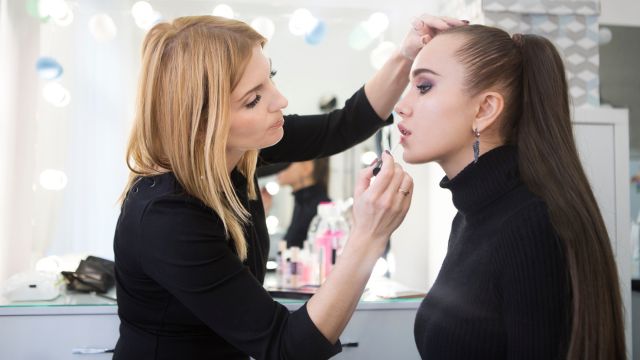
Im praktischen Teil arbeitest du direkt mit einem Modell. Du erarbeitest zwei komplette Looks mit Varianten, um Sicherheit in der Anwendung zu gewinnen. Dabei probierst du verschiedene Grundtechniken aus, testen Produkte und üben den Umgang mit Pinseln und Texturen. Ziel dieser Einheit ist, dass du die Grundlagen nicht nur kennen, sondern auch anwenden können: einen gleichmäßigen Teint, sanft betonte Augen und ein natürliches Gesamtbild, das die individuelle Schönheit unterstreicht. Hier legst du das Fundament für alle weiteren Makeup-Techniken.
Abend & Glam Makeup
Ein Abend- oder Glam-Makeup darf auffallen und Präsenz zeigen. In diesem Kursfach lernst du, Looks zu kreieren, die für besondere Anlässe wie Feiern, Events, Dinner oder elegante Abende geeignet sind. Es geht um Makeup, welches intensiver als ein Tageslook ist, dabei aber stilvoll und harmonisch bleibt.
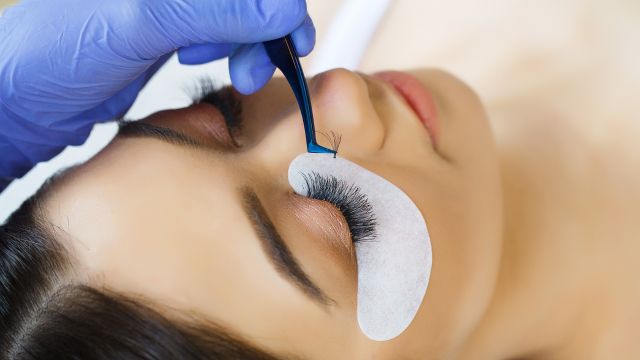
Du arbeitest mit Contouring- und Highlighting-Techniken, um das Gesicht gezielt zu modellieren und ihm Tiefe zu verleihen. Außerdem übst du das professionelle Anbringen von künstlichen Wimpern, um den Blick offener und ausdrucksstärker wirken zu lassen. Für die Haut verwendest du strahlende Produkte, Schimmer und intensivere Farben, die dem Look Glamour verleihen, ohne überladen zu wirken.
Im praktischen Teil gestaltest du glamouröse Looks, bei denst du den Schwerpunkt auf Licht- und Gesamtwirkung legen. Du lernst, wie Farben, Texturen und Details zusammenspielen und wie verhindern, dass „zu viel“ passiert. Das Ziel ist ein perfekt abgestimmter Look, bei dem Augen, Lippen und Teint miteinander harmonieren. Am Ende ensteht ein Glam Look, welcher handwerklich sauber, elegant und typgerecht umgesetzt wurde.
Bridal Makeup
Das Braut Makeup gilt als Königsdisziplin, denn es erfordert Technik, Gefühl und Perfektion. An diesem besonderen Tag muss einfach alles stimmen: der Look, die Haltbarkeit und vor allem das Vertrauen der Braut in deine Arbeit.
In diesem Fach lernst du, Makeup so aufzubauen, dass es lange hält und emotionalen Momenten standhält. Du arbeitest mit Fixing-Techniken sowie geeigneten Texturen und Produkten, die Tränen, Umarmungen, Wetter und viele Stunden problemlos überstehen. Dabei achtest du gleichzeitig darauf, dass der Look frisch, natürlich und zeitlos wirkt, denn Hochzeitsfotos bleiben ein Leben lang. Du beschäftigst sich mit typgerechten Brautlooks: von klassisch-elegant über modern-clean bis hin zu leichten Boho-Varianten. Dabei spielen nicht nur das Gesicht, sondern auch die Persönlichkeit, der Stil, der Hauttyp und der Gesamteindruck des Hochzeitstages eine Rolle. Ein wichtiger Schwerpunkt liegt auf dem einfühlsamen Umgang mit der Braut. Du lernst, ihr zuzuhören, ihre Unsicherheiten aufzufangen, ihre Wünsche herauszuarbeiten und einen ruhigen, professionellen Rahmen zu schaffen.
In der Praxis erstellst du Probelooks und stimmen das Makeup gezielt auf Kleid, Accessoires und Hairstyling ab. Du übst Abstimmung, Detailarbeit und das Entwickeln eines stimmigen Gesamtbildes.Das Ziel besteht darin, Braut Makeups mit technischer Sicherheit, aber auch mit Herz zu gestalten, damit Bräute sich gesehen, schön und gut aufgehoben fühlen.
Smokey Eye, Halo Eye & Cut Crease
Dramatische Augen-Looks leben von Technik, Präzision und einem guten Gespür für Formen. In diesem Fach widme dich drei ausdrucksstarken Varianten des Augen-Makeups: Smokey Eye, Halo Eye und Cut Crease.
Zunächst lernst du, verschiedeneAugenformen zu erkennen und zu analysieren. Du erfahrst, welchen Einfluss Lidfalte, Augenbrauenbogen, Wimpernlinie und Augenabstand auf die Wirkung eines Looks haben. Dabei geht es nicht nur darum, einen Stil „nachzuschminken“, sondern auch darum, zu verstehen, welcher Look welche Augenform unterstützt. Wann öffnet ein Halo Eye den Blick? Wann wirkt ein Smokey Eye schmeichelnd und wann drückend? Wie setzt man eine Cut Crease, sodass das Auge klar definiert wird?
Im Anschluss erarbeitest du die Looks Schritt für Schritt. Du lernst, wie Farben aufgebaut, Übergänge weich verblendet und Linien sauber gezogen werden. Dabei kommt es auf Reihenfolge, Produktkonsistenz und Pinseltechnik an – kleine Details mit großer Wirkung. Du übst alle drei Varianten ausführlich und setzen sie anschließend kreativ um. Du darfst mit Farbintensität, Texturen und Schimmern experimentieren, um die Looks an unterschiedliche Typen und Anlässe anzupassen.
Das Ziel dieser Einheit ist, dass du nicht nur in der Lage sind, Augen-Makeups umzusetzen, sondern diese auch verstehen und bewusst gestalten können. So kannst du Looks kreieren, die die Augenform betonen, den Ausdruck verstärken und die Persönlichkeit sichtbar machen.
Eyeliner Looks
Ein Eyeliner kann das Auge öffnen, betonen, strecken oder ihm mehr Tiefe verleihen – vorausgesetzt, er wird richtig aufgetragen. Das Fach Eyeliner Looks dreht sich geziehlt um Linienführung, Ausdruck und Präzision.
Zunächst lernst du verschiedene Techniken kennen: den klassischen, feinen Liner für Alltag und Business, den geschwungenen Wing für mehr Ausdruck und den modernen Graphic Liner für kreative Looks. Dabei spielen die unterschiedlichen Augenformen eine zentrale Rolle. Du analysierst, wie sich Augenform, Lidfalte und Wimpernkranz auf die Wirkung eines Eyeliners auswirken und wie den Strich anpassen, damit er das Auge optisch unterstützt.
Außerdem beschäftige dich mit der Produktkunde: Gel-, Liquid- und Pencil Liner haben unterschiedliche Eigenschaften und Einsatzbereiche. Du lernst, wann welcher Liner sinnvoll ist, wie du ihn kontrolliert führen und wie Korrekturen sauber und professionell ausführen. Im Praxisteil übst du die grundlegenden Techniken Schritt für Schritt und setzen diese anschließend kreativ um. Du experimentierst mit Form, Länge, Dicke und Wirkung, um dein Gefühl für Linie und Balance zu schulen.
Foto & Film Makeup
Beim Foto und Film Makeup ist entscheidend, wie das Makeup unter Kamera, Licht und Auflösung wirkt. Was im Spiegel natürlich aussieht, kann auf Fotos zu blass, zu glänzend oder zu kontrastarm wirken. In diesem Fach lernst du, Makeup so zu gestalten, dass es sowohl live als auch auf Bildern professionell und klar wirkt.
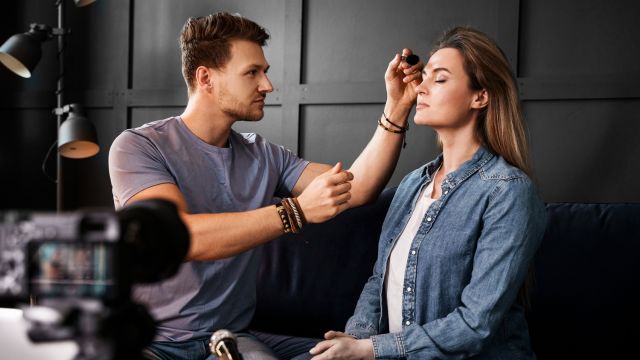
Zunächst beschäftige dich mit den Unterschieden zum Alltags- oder Event Makeup. Du lernst, wie Studiolicht, Blitzlicht und HD-Kameras die Haut darstellen und welche Techniken nötig sind, um Konturen sichtbar zu halten, Glanz zu kontrollieren und Farben korrekt wiederzugeben. Ein weiterer Schwerpunkt liegt auf Business-Porträts und professionellen Shootings, bei denen Natürlichkeit und Seriosität im Vordergrund stehen. Auch das Herren Makeup wird behandelt. Dabei geht es darum, Unregelmäßigkeiten auszugleichen, ohne „geschminkt“ auszusehen, und ein gepflegtes, authentisches Hautbild zu erzeugen.
In der Praxis arbeitest du unter realitätsnahen Bedingungen. Du schminkst unter Zeitdruck, priorisieren die wichtigsten Schritte und arbeiten schnell und sauber. Du übst, wie du Looks effizient anpassen, auf Lichtveränderungen reagieren und Ergebnisse direkt am Monitor analysieren.
Korrektur Makeup
Unter Korrektur Makeup versteht man das gezielte Abdecken und Ausgleichen von Hautunregelmäßigkeiten. Du lernst, verschiedene Hauttypen zu analysieren und die geeigneten Produkte und Techniken bei Unreinheiten, Narben, Rötungen oder Pigmentstörungen auszuwählen. Dabei wendest du die Farblehre direkt an. Welche Nuancen neutralisieren Rötungen? Welche Töne bringen fahle Haut zum Strahlen? Wie erreicht man ein ebenmäßiges, natürliches Hautbild ohne Maskeneffekt?
Ein weiterer Schwerpunkt liegt auf dem Kaschieren und Betonen einzelner Gesichtspartien. Du lernst, Nase, Lippen, Wangen und Augen optisch zu optimieren, ohne unnatürlich zu wirken. Auch das Best Ager Makeup für die Generation 60+ wird behandelt. Hierbei geht es um passende Texturen, sanfte Übergänge und Techniken, die reife Haut unterstützen, statt sie zu betonen.
Wichtig ist auch die Kommunikation mit Kundinnen und Kunden. Wie spreche ich sensibel und positiv über Hautthemen, ohne Unsicherheiten zu verstärken? Wie vermittle ich Vorschläge professionell und wertschätzend? Im Praxisteil erstellst du Vorher-Nachher-Looks, bei denst du die erlernten Techniken gezielt anwenden. Du trainierst, Korrekturen präzise, natürlich und harmonisch einzuarbeiten.
Verfügbare Lernvarianten dieser Ausbildung
Dipl. Visagist
GEWÄHLTPräsenzkurse€ 2.930,20statt€ 2.990,00
Highlights
Unterrichtssprache
DE
Fachmodul
Präsenzkurs Gruppe
Beauty Kompetenz (Online)
Lerntyp | Lernmethode
Lernvariante
online/präsenz
Lernmethode
visuell/motorisch
auditiver & visueller Lerntyp
gut geeignet
kommunikativer & motorischer Lerntyp
gut geeignet
Lernzeit
flexibel + Termine
Lernunterstützung (# all-inclusive)
Skripten & Unterlagen als PDF
Support via Onlinecampus, eMail, Chat, Tel.
WhatsApp & vor Ort Support
Testprüfungen
Prüfung/Abschluss
Beauty Zwischenprüfungen Online
Abschlussprüfung
flexibler Termin
Zertifikat auf DE, EN, SP
Zertifikat weltweit & zeitlich unbegrenzt gültig
Academykonto (# all-inclusive)
Onlinecampus lebenlang Verfügbar
Gratis Demokonto / Schnupper-Paket
Urkundenkopien als PDF downloadbar
Urkunden mit Echtheitsprüfung (QR-Code)
Förderung
Fördermöglichkeiten
bis zu 100%
Bildungskarenz (AT)
Förderung f. Firmen
Förderung f. Selbständige
Lehrgangsberatung
unverbindlich
Kostenvoranschlag f. Förderstelle
Benefit
Karriereplattform mit Jobangeboten
umfangreiche Weiterbildungesangebote
Absoluter Bestpreis & Leistungsangebot
GEWÄHLTPräsenzkurse€ 2.930,20statt€ 2.990,00
Highlights
Unterrichtssprache
DE
Fachmodul
Präsenzkurs Gruppe
Beauty Kompetenz (Online)
Lerntyp | Lernmethode
Lernvariante
online/präsenz
Lernmethode
visuell/motorisch
auditiver & visueller Lerntyp
gut geeignet
kommunikativer & motorischer Lerntyp
gut geeignet
Lernzeit
flexibel + Termine
Lernunterstützung (# all-inclusive)
Skripten & Unterlagen als PDF
Support via Onlinecampus, eMail, Chat, Tel.
WhatsApp & vor Ort Support
Testprüfungen
Prüfung/Abschluss
Beauty Zwischenprüfungen Online
Abschlussprüfung
flexibler Termin
Zertifikat auf DE, EN, SP
Zertifikat weltweit & zeitlich unbegrenzt gültig
Academykonto (# all-inclusive)
Onlinecampus lebenlang Verfügbar
Gratis Demokonto / Schnupper-Paket
Urkundenkopien als PDF downloadbar
Urkunden mit Echtheitsprüfung (QR-Code)
Förderung
Fördermöglichkeiten
bis zu 100%
Bildungskarenz (AT)
Förderung f. Firmen
Förderung f. Selbständige
Lehrgangsberatung
unverbindlich
Kostenvoranschlag f. Förderstelle
Benefit
Karriereplattform mit Jobangeboten
umfangreiche Weiterbildungesangebote
Absoluter Bestpreis & Leistungsangebot
Grundlegendes zu den Lernvarianten:
Der Ausbildungsinhalt ist bei jeder Lernvariante derselbe
Prüfungszeitraum, Ausbildungsdauer und Prüfungsablauf sind unabhängig von der Lernvariante
Du kannst vom Fernstudium auf Präsenz- oder Einzelunterricht aufbuchen. Auch einzelne Modulblöcke sind aufbuchbar.
Beim Präsenzkurs kannst du einzelne Blöcke im Einzelunterricht dazu buchen und absolvieren.
Das Abschlusszeugnis ist dasselbe – egal in welcher Lernvariante du den Lehrgang absolvierst.
Dein Academykonto und die Lerninhalte bleiben dir lebenslang erhalten.
Wo können diplomierte Visagistinnen und Visagisten arbeiten?
Diplomierte Visagistinnen und Visagisten können in Beauty-Studios, bei Hochzeiten und Events, in der Film- und TV-Branche, im Theater, bei Fashion-Shootings und Editorial-Produktionen, als Brand Beauty-Experten oder als selbstständige Make-up Artists arbeiten. Auch Workshop-Leitungen und Schulungen sind beliebte Einsatzbereiche.
Ist auch eine Tätigkeit als selbstständige Visagistin oder selbstständiger Visagist möglich?
Ja, viele diplomierte Visagistinnen und Visagisten arbeiten selbstständig und bieten ihre Dienstleistungen für Hochzeiten, Fotoshootings, Events oder private Kundinnen und Kunden an. Die Selbstständigkeit bietet flexible Arbeitszeiten, kreative Freiheit und höhere Verdienstmöglichkeiten. Das international anerkannte Diplom unterstützt deinen professionellen Auftritt.
Brauche ich eine Gewerbeberechtigung als Visagistin oder Visagist in Österreich?
Für rein dekorative Make-up-Dienstleistungen (ohne invasive Hautbehandlungen) benötigst du in Österreich eine Kompetenzprüfung „Kosmetik (Schönheitspflege)” beschränkt auf dekorative Kosmetik. Für kosmetische und hautbehandelnde Tätigkeiten ist ein reglementiertes Gewerbe mit entsprechender Gewerbeberechtigung erforderlich. Die Anmeldung erfolgt beim zuständigen Magistrat oder der Bezirkshauptmannschaft.
Wie gestaltet sich das Einkommen einer Visagistin oder eines Visagisten?
Das Einkommen variiert stark je nach Arbeitsbereich und Beschäftigungsform. In Anstellung bieten Positionen in Beauty-Studios, Kaufhäusern oder bei Kosmetikmarken ein geregeltes Gehalt mit Sozialversicherung. Selbstständige Visagistinnen und Visagisten haben deutlich höhere Verdienstmöglichkeiten, da sie ihre Honorare frei gestalten können. Besonders lukrativ sind Spezialisierungen wie Hochzeits- und Event-Make-up, Film- und TV-produktionen sowie Fashion-Shootings. Der Verdienst steigt mit Berufserfahrung, Portfolio-Qualität und Reputation deutlich an. Großstädte wie Wien bieten höhere Honorare als ländliche Regionen.
Welche Faktoren beeinflussen den Verdienst?
Der Verdienst hängt von mehreren Faktoren ab: Berufserfahrung und Portfolio-Qualität erhöhen die Honorare deutlich. In Wien und Großstädten sind höhere Preise möglich als in ländlichen Regionen. Spezialisierungen wie Braut-Make-up, SFX oder Editorial steigern das Einkommen. Selbstständigkeit bietet die höchsten Verdienstmöglichkeiten, erfordert aber aktives Marketing und Kundenakquise.
Kann ich mich nach der Ausbildung weiter spezialisieren?
Ja, nach der Dipl. Visagist Ausbildung kannst du dich in verschiedenen Bereichen spezialisieren: Special Effects (SFX) und Fantasy-Make-up, Airbrush-Techniken, Permanent Make-up, Hairstyling oder Make-up-Fotografie. Die FlexyFit Academy bietet auch die kombinierte Ausbildung Dipl. Visagist & Make-up Artist an, die beide Diplome vereint.
Was ist der Unterschied zwischen Visagist und Make-up Artist?
Der Dipl. Visagist fokussiert auf klassische Beauty-Techniken, Hautanalyse, Farbberatung, Tages-, Abend- und Braut-Make-up sowie professionelles Set-Make-up. Der Make-up Artist umfasst zusätzlich Special Effects, Fantasy-Make-up, Charakterdarstellungen und kreative Bühnen-Looks. Die Kombi-Ausbildung vereint beide Bereiche für maximale Vielseitigkeit und Karrierechancen.
Wie baue ich mir einen Kundenstamm auf?
Einen erfolgreichen Kundenstamm baust du auf durch professionelles Portfolio mit hochwertigen Fotos deiner Arbeiten, aktive Social-Media-Präsenz (Instagram, Facebook, TikTok), Kooperationen mit Fotografen, Brautmodengeschäften und Event-Agenturen, Empfehlungsmarketing und Kundenbewertungen sowie Networking bei Beauty-Events und Hochzeitsmessen. Bereits während der Ausbildung kannst du erste Kontakte knüpfen.
Welche Voraussetzungen brauche ich für die Visagist Ausbildung?
Du benötigst ein Mindestalter von 18 Jahren, Kreativität und Freude an Beauty. Keine schulischen Vorkenntnisse, Matura oder Make-up-Erfahrung erforderlich. Die Ausbildung ist für Einsteigerinnen und Einsteiger sowie Fortgeschrittene geeignet. Bei Minderjährigen ist eine schriftliche Zustimmung der Eltern notwendig.
Kann ich mit 40+ noch Visagistin oder Visagist werden?
Ja, absolut! Viele erfolgreiche Visagistinnen und Visagisten starten ihre Karriere als Quereinsteiger mit 40, 50 oder sogar 60 Jahren. Lebenserfahrung, Empathie und Menschenkenntnis sind große Vorteile im Umgang mit Kundinnen und Kunden. Die flexible Ausbildung mit Online-Modulen und Präsenzkursen ermöglicht berufsbegleitendes Lernen in jedem Alter.
Brauche ich Vorkenntnisse in Make-up oder Kosmetik?
Nein, du benötigst keine Vorkenntnisse. Die Ausbildung beginnt mit den Grundlagen der Visagistik und baut systematisch aufeinander auf. Du lernst von Hautanalyse und Farbberatung über Tages- und Abend-Make-up bis hin zu Braut-Make-up und professionellen Set-Techniken. Auch absolute Anfängerinnen und Anfänger erreichen professionelles Niveau.
Brauche ich spezielle Ausrüstung für die Visagist Ausbildung?
Für die theoretischen Online-Module benötigst du nur einen Computer, Tablet oder Smartphone mit Internetzugang. Je nach gewähltem Paket (Basis, Premium oder VIP) erhältst du verschieden umfangreiche professionelle Starterkit mit Make-up-Produkten und Werkzeugen. Du kannst auch gerne deine eigenen Materialien und Produkte verwenden. Du arbeitest mit echten Modellen und erhalten Empfehlungen für deine eigene Grundausstattung.
Was ist ein Portfolio und wofür brauche ich es als Visagist und Make-up Artist?
Ein Portfolio ist deine professionelle Arbeitsmappe mit hochwertigen Fotos deiner besten Make-up-Arbeiten und Transformationen. Es zeigt potenziellen Kundinnen und Kunden, Agenturen, Produktionsfirmen und Arbeitgebern dein Können, deinen Stil und deine Vielseitigkeit. Das Portfolio ist deine visuelle Visitenkarte und oft entscheidend für Aufträge – besonders in der Beauty-, Film- und Event-Branche, wo Kundinnen und Kunden vor der Buchung sehen möchten, was du leisten kannst. Ein starkes Portfolio mit professionellen Before-After-Bildern, verschiedenen Looks (Braut, Editorial, SFX, Fantasy) und kreativen Arbeiten öffnet Türen zu lukrativen Projekten und hilft beim Aufbau deiner Marke auf Social Media und deiner Website.
Kontaktiere uns. Wir helfen gerne weiter.
Bis zu 100 % Kursförderung möglich!
Lass dir deine Weiterbildung fördern und starte jetzt durch. Wir beraten dich kostenlos & unverbindlich zu deinen Fördermöglichkeiten – telefonisch oder persönlich.
Top Bewertungen
Jetzt kostenlosen Testzugang sichern. Erst probieren, dann studieren!
Super Ausbildung und mega nette Leute. Man merkt, wie viel Wert darauf gelegt wird den Kursteilnehmern das nötige Wissen verständlich zu vermitteln. Ich durfte sogar freundlicherweise einen Kurs komplett kostenlos nachholen, nachdem etwas problematische und störende Teilnehmer in meiner Gruppe waren. Ich werde 100%ig in Zukunft noch weitere Kurse bei euch machen, weil das Lernen allen voran dank des freundlichen Personals extremen Spaß macht!
Das gesamte Team von flexyfit ist überaus freundlich, prompt und hilfsbereit. Die Vortragenden sind kompetent und gehen auf die Kursteilnehmer ein. Sämtliche Lernunterlagen wurden übersichtlich und ausreichend detailliert zur Verfügung gestellt. Durch die zusätzlichen Videos ist für jeden Lerntyp etwas dabei. Alles in allem verliefen Ausbildung und Prüfung top. Ich kann flexyfit jedenfalls weiterempfehlen und werde weitere Ausbildungen gerne wieder bei Euch buchen und weiterempfehlen!
Ein super Team - kompetent, freundlich, stets hilfsbereit und unterstützend - hat die praxisnahe Ausbildung hervorragend begleitet. Sehr zu empfehlen! :)
Die Ausbildung zum Fitnesstrainer B-Lizenz hat mir dort sehr viel Spaß gemacht. Die gestellten Lehrmaterialien sind super und einwandfrei. Ich habe dort sehr viel neues gelernt und war immer mit Freude an der Sache. Das Team ist super und ist bei Rückfragen immer für einen da!
Das Beste, was mir passieren konnte, ist diese Akademie. Der Zugang zu den Teilnehmern ist hervorragend. Alle Mitarbeiter sind sehr kompetent, sehr professionell und sehr freundlich. Ein Mensch kann so viel lernen, dass es unbeschreiblich gut ist. Ich würde es jedem empfehlen. Als ich in Österreich ankam, war ich auf der Suche nach so etwas und zum Glück habe ich diese Akademie gefunden und mich ohne zu zögern für den Kurs angemeldet. All das, was wir als Gegenleistung bekommen, ist 100-mal mehr wert als das, was wir bezahlen. Unbeschreibliche Erfahrung, unbeschreibliche Menschen, noch einmal und noch 1000 Mal sage ich: Danke für alles, danke für dieses unbeschreibliche Erlebnis. DANKE, DANKE, DANKE <3
Ich konnte im Rahmen meiner Ausbildung bei der Flexyfit Academy sehr viel neues lernen und konnte mich mit meinem ausgewählten Lehrgang einer neuen anspruchsvollen Herausforderung stellen. Die Struktur der Ausbildungen ist sehr verständlich und übersichtlich gestaltet, sodass man ohne Probleme das Fernstudium alleine meistern kann. Bei Fragen, Unklarheiten oder vereinzelten Problemen war das Team der Academy immer schnell zur Seite und man konnte immer eine gemeinsame Lösung finden. Hier und da hätte ich mir noch etwas mehr Praxisbezug gewünscht. Nichtsdestotrotz habe ich mich immer sehr wohl gefühlt, habe tolle Referenten gehabt und mit meinem Abschluss zum Dipl. Medical Sportbetreuer stehen mir nun viele neue Türen offen :)
Konnte meinen gewählten Lehrgang sehr gut und zügig abschließen. Das Team ist sehr schnell und kukant und man bekommt immer eine gute Lösung angeboten, sollte es Unklarheiten geben. Werde bei Gelegenheit wieder buchen und kann die Akademie empfehlen!
Hat sehr viel Spaß gemacht meine Schwimmtrainer Ausbildung bei der Flexyfit zu absolvieren! Das Programm ist sehr umfangreich und die Trainer sind sehr gut ausgebildet.
Die Ausbildung in der Flexyfit war die beste Entscheidung, hab sehr viel in puncto Sport und Ernährung dazugelernt. Die Unterstützung war immer gegeben, sehr kompetentes und nettes Personal/ Trainer. Ich werde die Academy auf alle Fälle weiter Empfehlen. Insbesondere danke an Melanie, Sarah und Daniel
Eine wirklich anspruchsvolle Ausbildung, tolles Material, die Videos sind prima, das Script ergänzt gut. Die Struktur sehr sinnvoll aufgebaut, man findet sich gut zurecht. Lediglich finde ich die Verhältnismäßigkeit der Yogalizenz gegenüber der Pilateslizenz ungünstig. Es werden viel mehr Prüfungen in der Yogalizenz gefordert. Die Abschlussprüfung ebenfalls in der Yogalizenz deutlich schwieriger, Fragen müssten in meinen Augen überdacht werden.
Danke Flexyfit - sehr kompetent, tolle Unterlagen und auch Unterstützung. Die praktischen Übungen in Innsbruck waren TOP - Danke Matthias. Kann ich nur weiterempfehlen. Ich werde weitermachen. 😉
Qualitativ sehr hochwertige Ausbildung! Die Flexyfit Academy war sehr bemüht auf alle Fragen die im Zuge der Ausbildung entstanden sind einzugehen und genau zu erklären. Kann ich auf jeden Fall weiterempfehlen!
Absolut zufrieden! Ich habe mich für das Fernstudium entschieden, da ich persönlich nicht vor Ort sein konnte, und ich kann es wärmstens empfehlen! Alles hat reibungslos funktioniert, die Kontaktaufnahme war schnell, und bei Problemen wurde immer eine Lösung gefunden. Das Team ist super freundlich, und die Profilübersicht ist sehr übersichtlich. Ein kleiner Vorschlag: Es wäre hilfreich, wenn Nutzer, die längere Zeit inaktiv sind, einen Reminder erhalten würden oder eine App zur Verfügung stünde, um auch mobil lernen zu können.
Ich war von der Ausbildung sehr positiv überrascht! Das Fernstudium hat ganz unkompliziert funktioniert und der Service war auch perfekt! Die Unterlagen waren sehr gut und ich habe sehr viel dazugelernt! Kann ich mit gutem Gewissen weiterempfehlen! Update 2024: Nachdem ich nun bereits meine dritte Ausbildung abgeschlossen habe, kann ich meine erste Bewertung nur bestätigen! Als Vollzeit-Berufstätiger war es für mich eine super Möglichkeit nebenberuflich eine Ausbildung zu machen die meiner Leidenschaft entspricht! Ich lese regelmäßig Bücher zum Thema Sport und Gesundheit, und muss sagen dass die Ausbildungen überall auf einem sehr guten und aktuellen Stand sind! Das hat mich doch etwas positiv überrascht! =) Dank Flexyfit kann ich nun mein Hobby zum Beruf machen! Deshalb nochmal eine klare Empfehlung von mir!
Eine tolle Ausbildung, die da angeboten wird, mit einem sehr freundlichen und kompetenten Team. Es war ein Vergnügen mit euren sehr gut aufbereiteten Videos und Skripten zu lernen. Ich freue mich schon auf meine nächste Ausbildung. Kann ich nur sehr weiterempfehlen, von mir gibt es definitv 5 Sterne.
Sehr zuvorkommendes Team und ein allseits herzlicher Umgang! Die Ausbildungslehrgänge inkludieren einen interessanten Austausch mit guten, sportlichen Ausbildnern :)
Ich habe die Kindertrainer Ausbildung bei Flexyfit gemacht. Von Beginn an wird man super betreut, die Kommunikation passt perfekt. Alle sind bemüht und freundlich. Online sowie vor Ort hat alles perfekt gepasst. Es wird bestimmt nicht die letzte Ausbildung bzw. Workshop sein, welchen ich bei euch gemacht habe. Freue mich auf ein Wiedersehen. Danke an Daniel, Melanie und Beno :-)
Flexibles lernen leicht gemacht :) Sehr kompetent und freundlich . Sehr schnelle Antworten bei Fragen&wer eine Ausbildung im Sport Bereich machen will würd ich jedem die Flexyfit empfehlen 💪🏾
Ich habe bereits zwei Fernkurse absolviert und ich kann sagen, dass Weiterbilden mit den Flexyfit Kursen einfach Spaß macht. Man lernt im eigenen Tempo und zeitlich und örtlich flexibel.
Ich habe mittlerweile zwei Ausbildungen bei der Flexyfit Academy absolviert und würde es sofort wieder machen. Wenn möglich empfehle ich die Präsenzkurse, es ergibt sich einfach ein super spannender Austausch. Service und Betreuung sind top und es wird auf sämtliche Bedürfnisse eingegangen. Mini-Manko: das Online-Lernsystem ist nicht ganz straight-forward, aber man findest sich schnell ein.
➕ Gutes Institut mit toller Online-Academy und einem vielfältigen Ausbildungsangebot. Ich habe bereits 3 Ausbildungen dort absolviert. Gut finde ich den modulartigen Aufbau, sodass div. Basismodule auch für andere Ausbildungen herangezogen werden können. ➖ Leider wurde die Preisstruktur angepasst, sodass bereits absolvierte (Basis-)Module preislich nicht (mehr) in Abzug gebracht werden können. Schade.
Habe bereits zwei Ausbildungen bei der Flexyfit Sports Academy gemacht und bin voll zufrieden! Ein super nettes Team, die Organisation und Unterlagen sind Top - nur zu empfehlen ;)
Tolles Team! Die Organisation rund um die Ausbildung ist unkompliziert und sehr kompetent. Die Vortragenden sind professionell und erfahren und bringen eine gute Mischung aus Theorie und Praxis mit. Im Gesamten nur zu empfehlen.
Unheimlich freundliches Team, immer erreichbar, wahnsinnig hilfsbereit und sehr bemüht, für alles eine Lösung zu finden. Die Lernvideos und Skripten sind gut aufbereitet und easy to follow. Am meisten konnte ich persönlich von den wirklich guten Tutoren im praktischen Teil lernen. Insgesamt bekommt man einen sehr guten Über- und Einblick in die relevanten Themenbereiche, mir persönlich hat der Kurs auch gezeigt, wohin ich mich weiter orientieren & welche Bereiche ich vertiefen möchte. Außerdem: top ausgestattete Lehrsäle & überhaupt sehr ansprechende Räumlichkeiten - alles sehr einladend und familiär. Immer wieder sieht man jemanden aus dem Team gerade vom Laufen oder aus der Kraftkammer zurückkommen - da fühlt man sich gleich wohl! (Ausbildung: Dipl. Medical SportbetreuerIn)
Die Ausbildung war top 👍 sehr viel gelernt, sehr nette Leute kennengelernt- ich kann in jeder Hinsicht profitieren Und mir wurde ein Traum erfüllt- DANKE SEHR 😊
Bin sehr zufrieden, hatte eine TOP Professorin (was heutzutage keine Selbstverständlichkeit ist). Finde es toll, dass man als Ernährungstrainer anatomische Fächer (nennt sich Sportkompetenz) auch lernen muss. Der Support war auch toll. Sehr hilfsbereites Team! Bin alles in allem sehr zufrieden.
Super schnelles und nettes Service! Jede Frage sofort beantwortet und das auf eine angenehme und wertschätztende Art! Was besser wäre, mehr Zeit für Präsenzunterricht!
Meine Ausbildung bei Flexyfit Sport Academy... Ich habe die beste Unterstützung und Beratung vom kompetentesten, freundlichsten und erfolgreichsten Team erhalten. Vielen Dank an das Top-Team (Büro, Referenten und Coaches). Es war mir eine große Freude, mit Ihnen den Weg zur Verwirklichung meiner eigenen Ziele zu gehen.
Für alle Coaches, die detailiertes Wissen in einem oder mehreren Bereichen aufsaugen wollen. Bin einfach nur sehr begeistert von der Flexyfit Sport Acamedy und habe mich bei den Trainern super aufgehoben gefühlt. Die Begeisterung war selbst bei den Zoom Workshops so greifbar. Egal ob man lieber das Skript liest oder die dazugehörigen Videos anschaut, für jeden Lerntyp ist ein Medium dabei und das Lernmaterial ist super gut aufbereitet. Und sollten doch mal Fragen aufkommen, ist der 'Customer Service' super schnell zur Stelle und antwortet nach ein paar Stunden oder ist mit einem Rat zur Stelle. Einfach empfehlenswert!!! Vielen Dank liebe Flexyfit Sport Academy.
Einfach super und sehr, sehr nett. Alle Mitarbeiter vom Flexyfit Sports Academy Team sind so nett, zuvorkommend und hilfsbereit. Es gibt wirklich binnen Minuten bis einer Stunde eine Hilfe, wenn Fragen beim Online lernen auftreten. Es ist sehr viel zu lernen, aber es zeigt, dass eine Trainer Ausbildung, egal welches Fachgebiet, sehr wohl eine gewisse Grundlage benötigt und ich persönlich finde es genau richtig. Das zeigt für mich von Qualität und dass nicht jeder selbsternannte Profi auch ein Kenner und Könner ist. Augen auf mit wem und wo man trainiert! Es ist unser Körper und auf den sollte jeder Mensch achten und den 'richtigen' Trainer mit Fachwissen an seiner Seite haben. Ich kann Flexyfit Sports Academy nur empfehlen. Vielen herzlichen Dank an alle Flexyfit Sports Academy MitarbeiterInnen, ihr seid toll!!!!!
Unglaublich hilfsbereites Personal! Sogar an Feiertagen extra für mich gearbeitet und Termine vereinbart, sehr zukommend und unterstützend. Absolut empfehlenswert und happy :)
Die Ausbildung (Dipl. Health Fitness & Personal Trainer) ist wirklich super, wenn ich ein Problem hatte wurde mir immer sehr schnell geholfen. Die Videos in Verbindung mit den Skripten sind sehr hilfreich und gut gestaltet, die Ausbildung insgesamt top aufgebaut, auch mit den Zwischenprüfungen, Übungsaufgaben usw. Dadurch festigt sich das Gelernte noch viel besser! Auch die Vortragenden sind sehr kompetent und meine 2 Prüfer waren sehr freundlich und locker, so dass kein Grund zur Nervosität bestand. Alles in allem sehr empfehlenswert!
Exzellente Ausbildungsmöglichkeiten und hervorragende Erfahrungen: Ich hatte das Vergnügen gleich drei verschiedene Ausbildungen in der Flexyfit Sports Academy zu absolvieren, und es ist ohne Zweifel eine erstklassige Einrichtung für die Weiterentwicklung der sportlichen Fähigkeiten. Hier sind meine persönlichen Gründe, warum ich die Flexyfit Sports Academy so außergewöhnlich finde: Hervorragende Trainer: Die Trainer, die ich kennengelernt habe, sind erstklassig. Alle verfügen über umfangreiches Wissen und Erfahrung in ihren jeweiligen Bereichen und gehen stets auf die individuellen Bedürfnisse der Teilnehmer ein. Die Ausbildung war für mich maßgeschneidert und äußerst effektiv. Vielfältige Ausbildungsangebote: Die Academy bietet eine breite Palette von Ausbildungen an, die für verschiedene Fitnessziele geeignet sind. Egal, ob man nach Kraftaufbau, Flexibilität, oder Ausdauer strebt, hier findet man das passende Programm. Hochmoderne Einrichtungen: Die Einrichtungen in der Flexyfit Sports Academy sind erstklassig und mit modernster Ausrüstung ausgestattet. Sie sorgen für ein optimales Trainingserlebnis und ermöglichen es den Teilnehmern, das Beste aus sich herauszuholen. Eine inspirierende Gemeinschaft: Die Atmosphäre in der Academy ist motivierend und unterstützend. Man fühlt sich als Teil einer engagierten Gemeinschaft, die ein gemeinsames Ziel hat: Fortschritte im Sport und Fitness zu erzielen. Hervorragendes Preis-Leistungs-Verhältnis: Die Qualität der Ausbildung die man erhält, steht in einem ausgezeichneten Verhältnis zu den Kosten. Es ist eine Investition für die Gesundheit und das Wohlbefinden. Ich kann die Flexyfit Sports Academy uneingeschränkt weiterempfehlen. Die Ausbildungen, die ich hier absolviert habe, haben meine Erwartungen übertroffen. Wenn man nach einem Ort sucht, an dem man die sportlichen Ziele erreichen kann, ist dies der richtige Ort. Die Academy verdient die Bestnote, und ich freue mich auf weitere Ausbildungen in der Zukunft.
Die Ausbildung zum Dipl. Fitnesstrainer war sehr lehrreich und interessant. Die Module sind durchgedacht aufgebaut und gehen von Theorie zu Praxis. Die ganze Ausbildung hat unkompliziert funktioniert. Service perfekt, ich kann die Academy nur weiter empfehlen. Melanie und Sarah danke für alles! Einfach top!
Du erhältst in Kürze eine Email zur Newsletter Bestätigung an:
Bitte überprüfe auch deinen SPAM Ordner
Wir wünschen noch einen flexytastischen Tag
* Pflichtfelder
Unsere Ausbildungsbroschüre erhältst du per E-Mail.
Danke
Du erhältst in Kürze eine Email mit deinem Downloadlink zur Broschüre an:
Bitte überprüfe auch deinen SPAM Ordner
Wir wünschen noch einen flexytastischen Tag
Der Schutz deiner persönlichen Daten ist uns ein besonderes Anliegen. Ich erkläre mich damit einverstanden, dass meine Angaben für die Kontaktaufnahme verwenden werden. Ich habe die Datenschutzerklärung gelesen und stimme ihnen zu.
Qualität, auf die du vertrauen kannst
Mehr als
43.025zufriedene Absolventen - ausÖsterreich
und
19 anderen Ländern, schenken uns ihr Vertrauen, seit 2007.
Lerninhalte
Details
Über Cookies Cookies sind kleine Textdateien, die von Websites verwendet werden, um die Benutzerfreundlichkeit zu erhöhen.
Das Gesetz erlaubt uns, Cookies auf deinem Gerät zu speichern, wenn sie für den Betrieb dieser Website unbedingt erforderlich sind. Für alle anderen Arten von Cookies benötigen wir deine Zustimmung. Diese Website verwendet verschiedene Arten von Cookies. Einige Cookies werden von Dritten gesetzt, die auf unseren Seiten erscheinen. Du kannst deine Einwilligung jederzeit über die Cookie-Erklärung auf unserer Website ändern oder widerrufen.
In unserer Datenschutzerklärung erfährst du mehr darüber, wer wir sind, wie du uns erreichen kannst und wie wir personenbezogene Daten verarbeiten.
6
Notwendige Cookies helfen dabei, eine Webseite nutzbar zu machen, indem sie Grundfunktionen wie Seitennavigation und Zugriff auf sichere Bereiche der Webseite ermöglichen. Die Webseite kann ohne diese Cookies nicht richtig funktionieren.
Dieser Cookie wird verwendet, um zwischen Menschen und Bots zu unterscheiden. Dies ist vorteilhaft für die Website, um gültige Berichte über die Nutzung Ihrer Website zu erstellen.
rc::c
Dieser Cookie wird verwendet, um zwischen Menschen und Bots zu unterscheiden.
Dieser Cookie wird verwendet, um zwischen Menschen und Bots zu unterscheiden. Dies ist vorteilhaft für die webseite, um gültige Berichte über die Nutzung ihrer webseite zu erstellen.
_cfuvid
Dieses Cookie ist ein Teil der Dienste von Cloudflare - einschließlich Lastverteilung, Bereitstellung von Website-Inhalten und Bereitstellung einer DNS-Verbindung für Website-Betreiber.
Dieses Cookie wird intern von den Besitzern der Website benutzt, wenn Inhalte auf der Website hochgeladen oder erneuert werden.
XSRF-TOKEN
Gewährleistet die Sicherheit beim Browsen für Besucher durch Verhinderung von Cross-Site Request Forgery. Dieser Cookie ist wesentlich für die Sicherheit der Website und des Besuchers.
3
Präferenz-Cookies ermöglichen einer Webseite sich an Informationen zu erinnern, die die Art beeinflussen, wie sich eine Webseite verhält oder aussieht, wie z. B. Ihre bevorzugte Sprache oder die Region in der Sie sich befinden.
Einmalige Benutzer-ID, welche den Anwender bei wiederkehrenden Besuchen erkennt.
3
Statistik-Cookies helfen Webseiten-Besitzern zu verstehen, wie Besucher mit Webseiten interagieren, indem Informationen anonym gesammelt und gemeldet werden.
Registriert eine eindeutige ID, die verwendet wird, um statistische Daten dazu, wie der Besucher die Website nutzt, zu generieren.
_ga_#
Sammelt Daten dazu, wie oft ein Benutzer eine Website besucht hat, sowie Daten für den ersten und letzten Besuch. Von Google Analytics verwendet.
15
Marketing-Cookies werden verwendet, um Besuchern auf Webseiten zu folgen. Die Absicht ist, Anzeigen zu zeigen, die relevant und ansprechend für den einzelnen Benutzer sind und daher wertvoller für Publisher und werbetreibende Drittparteien sind.
Enthält das Verfallsdatum für das Cookie mit entsprechendem Namen.
_uetsid
Wird verwendet, um Besucher auf mehreren Webseiten zu verfolgen, um relevante Werbung basierend auf den Präferenzen des Besuchers zu präsentieren.
_uetvid_exp
Enthält das Verfallsdatum für das Cookie mit entsprechendem Namen.
MUID
Weitgehend von Microsoft als eindeutige Benutzer-ID verwendet. Der Cookie ermöglicht Benutzer-Tracking durch Synchronisieren der ID in vielen Microsoft-Domänen.
MSPTC
Dieser Cookie registriert Daten des Besuchers. Die Informationen werden verwendet, um die Relevanz der Werbung zu optimieren.
_uetvid
Wird verwendet, um Besucher auf mehreren Webseiten zu verfolgen, um relevante Werbung basierend auf den Präferenzen des Besuchers zu präsentieren.
_uetsid
Sammelt Daten zum Besucherverhalten auf mehreren Webseiten, um relevantere Werbung zu präsentieren - Dies ermöglicht es der Webseite auch, die Anzahl der Anzeige der gleichen Werbung zu begrenzen.
_uetvid
Wird verwendet, um Besucher auf mehreren Webseiten zu verfolgen, um relevante Werbung basierend auf den Präferenzen des Besuchers zu präsentieren.
Wird verwendet, um zu tracken, ob der Besucher Interesse an bestimmten Produkten oder Ereignissen auf mehreren Websites gezeigt hat und wie der Besucher zwischen den Websites navigiert - Dies wird zur Messung des Werbeaufwands verwendet und erleichtert die Zahlung von Empfehlungsgebühren zwischen Websites.
IDE
Verwendet von Google DoubleClick, um die Handlungen des Benutzers auf der Webseite nach der Anzeige oder dem Klicken auf eine der Anzeigen des Anbieters zu registrieren und zu melden, mit dem Zweck der Messung der Wirksamkeit einer Werbung und der Anzeige zielgerichteter Werbung für den Benutzer.
pagead/1p-conversion/#/
Anstehend
test_cookie
Verwendet, um zu überprüfen, ob der Browser des Benutzers Cookies unterstützt.




 Kursplan
 BK
BK
 AGB
AGB











 WhatsApp® wechseln"
Und du wirst direkt zur WhatsApp®-App weitergeleitet.
WhatsApp® wechseln"
Und du wirst direkt zur WhatsApp®-App weitergeleitet.