Ich bin mit Flexifit sehr zufrieden.
E-Mails werden immer schnell und hilfreich beantwortet und auch telefonisch bekommt man freundliche und kompetente Auskünfte.
Ich habe auch an den Kursen teilgenommen und fand die Kurse sehr gut organisiert und interessant.
Die Vortragenden waren professionell und hilfsbereit.
Insgesamt bin ich sehr zufrieden und kann Flexifit nur weiterempfehlen.
vor 28 Tagen
Schnelle und unkompliziert Hilfe! Der Kontakt war immer außerordentlich hilfsbereit und freundlich.
24.04.2026
Super Kundendienst
21.04.2026
Fundierte Ausbildung, aussagekräftige Skripten und Videos, toller Support!
13.04.2026
Schnell und nicht aufwendig!
01.04.2026
Sehr umfangreiche und interessante Ausbildung.
Sehr nette und kompetente Referenten.
25.03.2026
Die Inhalte sind echt toll wie auch die Trainer. Es ist unkompliziert online eine Ausbildung neben Arbeit und Kindern zu verrichten.
Wenn eine Ausbildung dann wieder über flexifit
13.03.2026
Sehr nettes und kompetentes Team. Tolle Ausbildungen. Danke Euch 🙏🏽🫶🏽
06.03.2026
Bei Rückfragen zu einem Kurs, die ich über die Chat-Funktion gestellt habe, habe ich sofort Antwort bekommen und das Angebot für ein spontanes Telefonat. Da fühlt man sich gleich mal gut aufgehoben.
Nach dem Telefonat habe ich mich gut abgeholt gefühlt und zusätzlich alle besprochenen Punkte per Email schriftlich auch noch erhalten.
Großartig!! Das war der Auslöser, dass ich den Kurs auch sofort gebucht habe
14.02.2026
Kundenservice vorab zur Bestellung durch Melanie - sämtliche Fragen wurden umfassend und sehr rasch beantwortet
10.02.2026
Eine super tolle learning Plattform. Fragen egal welches Thema werden sehr schnell beantwortet.Note 1
05.02.2026
Tolles Service!
04.02.2026
Perfekte Unterlagen, unkompliziertes Verfahren und sehr gute Kursauswahl
29.01.2026
I got every info on time. Thank you
28.01.2026
Friendly and very helpful staff.
Thank you
23.01.2026
Passt alles! Super Firma, mit tollem Kundenservice!
19.01.2026
Habe den online Zugang für den Demozugang sehr rasch bekommen, Ansprechpartnerin hat nachgefragt, ob ich fragen habe, online Campus macht einen sehr guten Eindruck auf mich
18.01.2026
Mein Yoga Kurs war sehr umfangreich, und man konnte schnell hineinfinden.
Das Team war auch sehr nett
Certified prevention fitness and vitality trainer - specialization in preventive health concepts
Start your career as an all-round talent in a meaningful industry. With knowledge in the areas of prevention, fitness, nutrition and relaxation, you can offer your customers all-round advice and support.
Thanks to the wide-ranging skills you acquire in the preventive trainer course, you can work as a personal trainer after graduation, open your own studio or practice or hold seminars and workshops. Employment in fitness studios, fitness and wellness hotels and various other institutions is also a possibility.
What can you expect from our course?
In a total of 6 modules, we will teach you important content from various areas of the fitness and health sector. In the sports competence module, you will first learn the basics of anatomy, nutrition, training theory and much more, which you will build on later.
In the Diploma Fitness Trainer and Diploma Health Fitness & Personal Trainer modules, you will learn the content of the Diploma Health Fitness Personal Trainer course. From strength training and endurance training to individual training and training planning, you will be fully prepared for your future work as a personal trainer.
In the Diploma Relaxation Trainer and Diploma Nutrition Trainer modules, you will learn important topics relating to stress management and health. Whether yoga, Pilates, mental training or breathing training, as a relaxation trainer you will know how to help your clients achieve greater serenity. In the area of nutrition, you will also be able to advise your customers on forms of nutrition, nutrients, food science and much more.
Unique to this course are various prevention methods. With increasing age, it becomes necessary to train certain muscle groups and coordination skills more intensively in order to prevent problems such as falls, back pain, incontinence and restricted mobility. The prevention module is dedicated to these problems and teaches you exercises that can be carried out preventively.
Conditions of participation
Online or written registration
Basic physical fitness (experience in equipment training or a gym membership is an advantage)
Minimum age 18 years (for participants under 18 years, written parental consent is required for registration)
Access to an internet-enabled device with a camera
Access to a stable internet connection
Certificate of completion
Our certificates are valid worldwide and are issued in different versions. On request, you can receive our certificate in several languages (DE, EN, ES), with country-specific information and with or without printed grades.
All these variants are available to you free of charge for a lifetime for downloading from your online campus. In addition, depending on the learning package you have purchased, you will receive a certificate of your choice, which will be issued on special high-quality embossed paper.
The following certificate will be awarded (in several languages DE, EN, ES):
"Dipl. Preventive Fitness and Vitality Trainer"
"Preventive Fitness and VitalityTrainer A-License"
Do you have specific questions about training?
We look forward to getting in touchwith you and helping you by phone, e-mail or chat . You may find the answer to your question in advance in our general FAQ or Preventive Trainer FAQ.
Detailed Course Contents
Extent of learning
2304 E |
Volume
SPK
200
Sports expertise
PL
1805
Presence | Self-study
RE
48
Literature research
TE
210
Practical realization
AE
41
Additional tasks & examinations
Our training courses are generally eligible for funding. The relevant funding body will decide whether you are eligible for funding.
We will be happy to support you in compiling all the necessary course information you need for your funding application.
Of course, we will be on hand to advise you throughout the entire process and support you from the initial inquiry to the submission of your application. Contact us - we will make sure that you are as well prepared as possible!
Hier findest du eine ausführliche Übersicht aller enthaltenen Module, Fächer und Kapitel. Entdecke den gesamten Aufbau und Umfang der Ausbildung und verschaffe dir einen klaren Einblick in die vermittelten Inhalte.
Module Sports competence
Anatomy
We educate the best trainers in the fitness branch. From start to finish of the education - and beyond!- we support and guide our students.
Functional anatomy is a foundation necessary for all trainers in exercise, fitness and sports. This subject provides a comprehensive introduction to the anatomy of the human body and a wellspring of important knowledge.
The course is constructed to present the information in an interesting and comprehensible manner and features different learning approaches appropriate for Fitness and Personal Trainers.
The goal is, to understand the relationship between movement patterns, the human body and relevant anatomical terminology.
Physiology
A working understanding of human physiology and therefore the relationships between the various functions of the human body is crucial for anyone working in the exercise and fitness field. It is a requisite knowledge for the sufficient practice of their profession.
This course makes the relationships within the human organism graspable for everyone. Take a deep-dive into the human body and learn the functions of our organism for your new profession in fitness.
In this subject you will get a close look at energy metabolism needed for muscle activation, the circulatory system and the pulmonary system.
Any high quality education in fitness and exercise begins with the foundations of anatomy and physiology.
Training theory
The first part of training theory teaches the basics of training, such as training principles, principles of training design, training methods and the factors of athletic performance. As performance, performance diagnostics, training and competition are closely interrelated, they are also taught accordingly in the course.
In the second part of training theory, training is defined and evaluated as a complex action process and in connection with planning, execution and evaluation. An important part of training theory is still the design of training plans, which is taught in practice with examples of the possibilities of designing a training plan.
In order to delve even deeper into training science, we have worked with top international speakers such as Prof. em. Dr. phil. Dr. med. Dr. h.c. Jürgen Weineck, we have also developed a video workshop on the subject of altitude training.
Sports Psychology - Communication & Motivation
In this unit participants are prepared for successful communication with their clients on every level. In addition, we take a look at how the trainer or coach can go about dealing with their own goals and motives, which will in turn help them better understand their clients.
The right goal-setting and the proper approach to feedback are an important parts of this unit.
The way we manage stress as trainers and with our clients and a variety of learning strategies are explored so these skills can be integrated into your professional approach.
Marketing & Customer Interaction
The unit on Marketing and Customer Interaction gives participants some insight into identifying, working with and marketing to their ideal customer. This is one of the most useful units for the aspiring trainer, as it helps them identify their place in the market, which makes for a more successful career start.
We begin by taking a look at Marketing itself to understand exactly what it is and of what relevance it has for personal trainers. Important basic concepts such as USP, positioning, target market, etc. are introduced and different models from marketing such as the SMART Formula, marketing mix (7Ps) and more are explained.
The communication between trainer and client is also addressed in this unit. Various aspects of communication theory and some guidelines for successful communication are covered.
Upon completion of this subject, participants are able to develop marketing strategies for their product and/or services, ready to position themselves in a market rich in variety and full of possibility!
First aid & sports injuries
Since injuries are a daily occurrence in sports, it is important to know about the causes and consequences of the most common injuries. In case of an emergency the personal trainer must be able to react quickly and correctly.
In addition, the understanding of various injury patterns helps to be able to avoid them from happening.
Intro to Corporate Wellness Programs
More and more companies are integrating Corporate Wellness and similar health initiatives into their employee benefits packages. By doing so they promote the health and well-being of their employees, reducing the incidence of sick-leave and building healthier, stronger team dynamics.
Exactly why such initiatives are important is discussed in this introduction to the concept, as well as challenges that such initiatives face including organisational dysfunction.
Participants also learn about the advantages of corporate wellness and some trusted approaches and tools for finding and working with a company.
We offer suggestions on how to approach companies about Corporate Wellness, how to develop a corporate wellness concept and important organisational points to consider. Participants will be exposed to some practical examples and will have the possiblity to perform group work on the topic.
Basic Nutrition
Our participants are introduced to the basics of sports nutrition.
As a foundation the composition of general nutrition including macro and micro nutrients, as well as the water balance, are discussed. In order to understand various correlations, the energy metabolism are explained in detail.
In addition, the effects of individual food components in the human body, as well as their importance in sports are covered.
Module In-depth fitness training
Strength Training Machines
The subject "Equipment-assisted strength training" is part of the fitness trainer B license training and deals with systematic strength training on stationary training equipment. The focus is on movement control, load control and the individual adaptation of training to different target groups.
Basics
In equipment-supported strength training, the muscles are loaded via mechanically guided movement paths. This enables targeted, controlled strain on individual muscle groups and offers a safe form of training, particularly for beginners, people with restricted mobility or in a rehabilitative context.
Aims of the subject
Teaching the basic biomechanical principles of equipment training
Correct equipment settings and exercise execution
Load dosage according to training goal and performance level
Recognizing and avoiding typical mistakes when using equipment
Contents
The following topics are covered as part of the course:
Differences between free and guided strength training methods
Training planning with stationary equipment
Introduction to equipment parks and standardized equipment circuit systems
Training control in terms of repetitions, intensity and regeneration
Application in everyday training
The content of this subject forms a basis for practical work in fitness studios or health facilities. Graduates are able to create and instruct individual training programs with equipment and implement them in a safety-conscious manner.
Endurance Training Practical Application
Alongside strength training, endurance training is an important basis for good performance in any sport and also has many positive, health-promoting effects. The better your endurance is trained, the longer you can achieve a certain performance.
However, endurance does not necessarily mean running as far as possible as quickly as possible. Rather, it is about training your endurance in such a way that you can work at a certain intensity for as long as possible. This intensity depends on the sport in question.
In the endurance training course, participants learn the theoretical content of how intensive/extensive interval training, running, extensive and intensive endurance methods work. In practice, the UKK walking test is carried out, which is ideal for your future clients who are just starting out with training.
Additional emphasis is placed on training planning. During the practical training sections, the knowledge acquired is applied in practice. Graduates will be able to carry out and plan endurance training sessions independently.
Above all, they should be able to competently answer their customers' questions such as "At what heart rate can/should I train?
Functional Training refers to an approach to strength training that incorporates multiple muscle groups, movement patterns that reflect real human movement in the real world and place a high value on core musculature involvement in training exercises. Multiple muscles are trainined at once, usually with a focus on entire muscle chains, in order to improve coordination between muscle groups alongside strength. Creating more stable and economical movement patterns that use the entire range of motion and strengthen the core are major goals.
Functional Strength Training is especially important because we want our clients and athletes to be able to use acquired strength for everyday movements and activity, or for the complex movement patterns necessary for any sport. This type of training is also appropriate for any age group and has applications in almost every type of sport, leisure activity, rehabilitation and injury prevention.
Some functional training methods utilize balance-challenging techniques and tools, small equipment that requires more core involvement for traditional movements, like medicine balls, sandbags and aquabags, or simply rely on bodyweight exercises.
In this course subject participants will learn about various training tools such as sling/TRX, gymnastics/balance ball, medicine and slam balls, sandbags, heavy/battle ropes and more. Bodyweight exercises are also a foundation of functional training, as certain bodyweight exercises can be used to expose functional weakness in even very "well-trained" athletes, and in order to build these abilities from the ground up. Muscle chains and some exercises which can be used to focus on specific ones are introduced.
Introduction to Sensomotoric Training
The human body is a complex system of muscles, tendons, joints and bones that is constantly in motion. Every movement we make triggers a reaction that affects other areas of the body.
Sensorimotor training is a method that trains precisely these reaction chains in the body. Targeted training of the senses (e.g. sense of balance, touch, sight and hearing) and motor skills (muscle strength, coordination, mobility) improves the interaction between body and mind.
What is sensorimotor training? Sensorimotor training is a method that originates from the field of physiotherapy. Sensorimotor regulation is the brain's ability to control motor skills and perception. Sensorimotor training can optimize movement sequences and improve motor skills. It is used in physiotherapy for neurological disorders, such as after a stroke.
However, sensorimotor training can also be used in competitive sport and fitness to improve motor skills.
This content is therefore developed in the sensorimotor training course for fitness trainers, in which participants perform practice-oriented strengthening exercises using unstable surfaces such as wobble boards, foam, exercise balls, ropes or slings and much more.
The unstable surfaces train proprioception, i.e. the perception of one's own body and its movements. The exercises challenge balance, coordination and strength and are therefore particularly effective.
Strength Training with Free Weights 1
When we talk about strength training, most people immediately think of heavy weights and huge muscles. But that's not the only thing strength training has to offer.
Free weight training is used particularly in bodybuilding, weight training and martial arts as well as in rehabilitation after injuries. It is an effective and versatile training method that is suitable for both beginners and advanced athletes.
In contrast to strength training with machines, free weight training has the advantage that it also works the core and stabilization muscles. This makes it a more comprehensive workout because they enable us to hold our body upright and coordinate our movements.
They are also involved in many everyday movements, such as lifting objects or climbing stairs.
In this practical unit for fitness trainer training, course participants learn how to use dumbbells, barbells and pulleys correctly. Various exercises are demonstrated and performed by the participants themselves and particular attention is paid to joint-friendly execution with minimal risk of injury.
fitness & Training Plans
Training planning is an essential part of the work of a fitness trainer and personal trainer. In order to achieve efficient progress in your clients' training and to achieve long-term success, there are a number of important factors to consider. Regardless of whether the client's personal goal is to improve performance, reduce body fat, learn new, complex exercises or something else.
A few important basic principles are the Weineck training principles. These state, among other things, that a training stimulus must be sufficiently high in order to achieve adaptation, that the load must increase steadily and also specify the correct load sequence as well as sufficient recovery and much more. The individual choice of the five load normatives is also crucial: intensity, duration, frequency, density and volume. Training planning deals with how to adapt these correctly to individual goals and requirements in order to achieve optimum results.
Keyword goals: Setting the right goals for clients also has a major influence on training design. Training level, age, regeneration, available time and many other factors also play important roles. The training plan can only be successfully implemented in practice if the customer's individual needs and resources are taken into account.
Our graduates learn about the physiological adaptation phenomena of the body's functional systems through different training loads. They also learn about different periodization models and how these are implemented in practice at different performance levels. As a result, our graduates know what is needed for optimal training planning , what obstacles can stand in the way and how individual goals can be correctly set (and of course achieved).
To refresh the content of training planning or to expand your knowledge of training planning in general, we recommend the workshop 1x1 of training planning
Foundational Full Body Exercises
Full-body exercises are essential when it comes to training the entire body. Deadlifts, squats and bent-over rows are three of the most important full-body exercises there are. These said exercises can shape the body, improve overall well-being and are therefore essential for a fitness trainer. They also help to increase endurance and strength.
This subject is important because it teaches you the basics you need for all other types of exercises and workouts. Many focus on training individual muscle groups, but this is not the most effective way to get your body in shape. Full body exercises are more effective because they target multiple muscle groups simultaneously, making the workout more efficient. However, these exercises are very demanding and prone to mistakes.
For this reason, we provide our future fitness trainers with detailed instructions so that they can perform the exercises correctly and later instruct their clients well. The subject is very practice-oriented and is coached and worked on together within the group after a short introduction. Each exercise is designed to address a variety of muscle groups.
The subject is very practice-oriented and, after a brief introduction, the exercises are coached and developed together within the group. Each exercise is designed to target a variety of muscle groups. A fitness trainer must be able to impart this knowledge in order to provide optimal support and coaching for their clients.
This is why knowledge of whole-body exercises is an important subject in fitness trainer training.
Module Specialization Personal Training
Strength Training with Free Weights 2
This course subject is a continuation of Strength Training with Free Weights 1, which is covered in the Fitness Trainer course. Additional exercises will be introduced for back, chest, shoulder, arm that were not covered in the first part.
A special focus is placed on thebarbellin this group of exercises. In comparison with the first part, the exercises in part 2 tend to display increased complexity and require not only more strength but more developedfocus and coordination skills.
The higher complexity of the exercises mean that such training is more challenging, and variations can train multiple muscle groups at once.
For examples, theOlympic weightlifting movements such as clean and jerk and snatch are introduced.
In addition, some variations of exercises are explored with a methodoligical approach for building variations.
Strength Training: Spine & Shoulder Girdle
Back pain and shoulder pain are among the most common problems for practitioners of strength training. In order to make an effort to combat these issues, a personal trainer has to understand potential causes that can lead to these problems.
A precise diagnosis can only be provided by a medical professional, obviously. In that case, it is certainly important that the personal trainer understand any such diagnoses and develop an optimal strength training programthat is appropriate for any previous condition or injury, or for the explicit purpose of preventing or avoiding problems for which the client is predisposed.
The infamous Shoulder Impingement Syndrome is a main topic. How can it be avoided and prevented, and what can be done when the symptoms are already being felt?
Does a client experience lower back pain? What are the absolute "no-gos" when training with back or spine conditions?
A rounding of the back and weak core can develop after years of poor posture - How can we train the upper back and strengthen the shoulder girdle in such instances, so we can work to correct the problem?
Theoretical content will revisit anatomy with these issues in mind and practical content will include exercises for practical application of knowledge. It will be carried out in two sessions.
One2One Training
In this unit covering One2One training the focus is on stretching and mobilization, and how you as a trainer can use this opportunity to learn and make evaluations about your client during this time.
The functional movement analysis, known also as a screen or the FMS is introduced as one possible approach to gain some insight into a trainees current physical state. As such, it serves as one way to gather "actual state" metrics.
Mobility, flexibility and a healthy and balanced range of motion is an important component of every sport and physical practice, and it can have a huge influence on liklihood of injury or overall performance. An appropriate stretching session can increase range of motion during exercise during training exercises, leading to better training adaptations. A post-training stretching routine can aid in regeneration and the maintainance of existing flexibility levels.
The palette of stretching types are introduced in this module, with various stretching techniques and their practical application. The use of a foam roller for certain methods is included.
Additionally, the crucial concepts of spotting and manual assistance are explained and put in practice. A discussion of important considerations for this close work with clients is carried out.
Functional Training and Functional Warm-up
Functional training from the Health Fitness Personal Trainer training program is an effective training method that has become increasingly popular in recent years.
It is a training method that aims to improve the body's performance and endurance. Many athletes and sportspeople use functional training to improve their performance. But more and more people who do not have an active lifestyle are also using functional training to stay fit and healthy. This is why functional training is an important part of this course. It not only helps to get the body in shape, but also to improve health.
In this subject, the basics of functional training from the fitness trainer course are repeated and how you can effectively integrate it into your personal training. Subsequently, a variety of functional exercises, with and without small equipment, are discussed and tried out. In addition, the structure and design of HIIT (High Intensity Interval Training) units will be discussed and how these can be carried out most effectively in group training sessions.
You will also learn how to integrate functional training into personal training to achieve the best results for your future clients.
Training with Special Equipment
In the subject"Training with small fitness equipment" from the Health Fitness Personal Trainer course, course participants will learn about the latest trends in small fitness equipment.
The unit has a practical structure and offers participants the opportunity to try out various exercises and learn how to use the equipment correctly. Training with the fitness equipment improves coordination and balance skills. Body control and awareness are also trained.
For example, they can be used specifically for strength training or for endurance and coordination exercises. They are also very suitable for rehabilitation purposes.
You will also learn what you need to look out for with the respective equipment and how to use it. You will also be given tips on posture during exercise and the risk of injury.
This subject is ideal preparation for anyone working as a personal trainer.
High Intensity Training (HIT)
The most effective form of training for fast results HIT stands for High Intensity Training and should not be confused with HIIT, High Intensity Interval Training. The latter is primarily used to train strength endurance, while HIT is a special form of hypertrophy training .
High Intensity Training (HIT) is a high-intensity form of training in which short, intensive training sessions are carried out. This form of training is very strenuous and the recovery time after HIT training is correspondingly longer than with conventional volume training.
HIT saves time - but is very demanding The training is performed with 80 to 90 % of 1 RM, whereby 1 to 2 sets per muscle group should be enough to intensively strain the muscles. It is important to always perform the individual sets until muscle failure in order to provide the right stimulus in a single set, which can contribute to muscle growth.
HIT should not be done more than three times a week to give the muscles enough time to regenerate.
With a full-body workout - performed two days a week - the entire body can be trained in a single training session. If you don't have the strength for a full-body workout, simply split up the training and divide the different muscle groups into different days.
In this subject of the Health Fitness Personal Trainer course, you will also learn how a HIT unit is structured and what to pay particular attention to.
Functional warm-up
In this subject, different types of warm-up and the reasons for warming up are discussed and illustrated by the effects of warming up. The sequence and possibilities of warming up are then discussed. Then comes the practical warm-up, where fascia rolls are used and a variety of mobilization exercises are demonstrated.
Module Prevention & rehabilitation
Pelvic Floor Training (SEN)
As we get older, the elasticity and resilience of our muscles decreases. A weaker pelvic floor muscle system means that the bladder and bowel are no longer supported as well.
Good pelvic floor muscles are therefore important to improve bladder continence and bowel permeability. The pelvic floor is a horizontal muscle plate in the lower pelvis that extends from the pubic bone to the sacrum and coccyx and laterally to the ischial tuberosities.
The pelvic floor holds our internal organs together and helps us to maintain our posture. A strong pelvic floor is therefore important for our health and well-being. Exercise can strengthen the muscles and improve posture. Sexual performance can also be improved by training the pelvic floor.
In the pelvic floor training unit of the senior trainer course, course participants learn about the muscular structure of the pelvic floor, its function and problems with poorly trained pelvic floor muscles in old age. The importance of pelvic floor training for the health of men and women in old age is also discussed.
In the practical part, exercises for a strong pelvic floor are presented and demonstrated. At the beginning of the training, the main difficulty lies in perceiving the muscles of the pelvic floor and being able to specifically target them. For this reason, different exercise variations are shown and learned in a sitting, lying, kneeling or standing position.
Fall prevention
According to the definition, a fall (Sturz) refers to a sudden, uncontrolled, unintentional descent of the body from lying, sitting, or standing to a lower level. Unfortunately, both the frequency and consequences of falls increase with age. Falls in older adults are by far the most common cause of injuries and the leading cause of accident-related deaths. The reasons for this are varied, ranging from declining sensory organs to coordination impairments and muscular deficits.
In the unit on fall prevention, the causes of increasing fall risk are thoroughly explained, and measures are presented to help reduce the risk of falls and positively influence gait, posture, coordination, and strength. Targeted training is particularly important for seniors, as it helps maintain autonomy and subsequently, quality of life. Participants also learn about tests for assessing fall risk and the methodical development of different training focuses in fall prevention.
Agility and mobility training
In addition to a decrease in muscle strength and muscle mass, mobility also decreases with age. Sufficient mobility is the basis for moving freely and unhindered and mastering everyday life with as little difficulty as possible. In the unit on improving flexibility and mobility, participants learn about different methods for improving flexibility and how these can be combined and applied to benefit the client. Our body must be seen as a three-dimensional system in which everything is connected to everything else. This means that far more factors than just the ability to stretch the muscles are decisive for mobility and that, for example, body awareness and overall sensorimotor skills also play a major role in the quality of movement. In the practical part, various target group-specific static and dynamic stretching methods, fascia training and mobilization exercises for the spine are presented and carried out. Every movement is difficult, especially in cases of acute pain and tension. Here in particular, targeted mobilization exercises can provide initial relief and noticeably increase well-being and vitality. The main focus here is on the correct approach and sensible application of the various methods for improving mobility in senior citizens. Overall, the course participants receive a package on how they can use the various measures to improve their clients' range of motion and quality of movement.
Functional movement analysis
In the Functional Movement Analysis course unit, the focus is on the quality of everyday movements in old age. Participants learn to recognize and systematically analyse typical movement and posture patterns of older people, such as reduced arm swing, balance weaknesses or gait instability.
In addition to practical observation, they will learn how to safely carry out and evaluate functional tests such as the "chair-rise test" or the "timed-up-and-go test". From this, targeted training measures can be derived to improve mobility, strength and coordination in everyday life.
Particular attention is paid to formulating individual training goals from real everyday movements such as getting up from a chair, walking or reaching for objects and creating a mini-training plan based on these observations. This practice-oriented unit creates the basis for effective and needs-oriented training planning for older people.
Module Applied relaxation methodology
Assisted Stretching - Relaxation Coach
The unit Flexibility Training and Assisted Stretching is divided into three parts: Flexibility Training, Assisted Stretching, and Fascia Training.
Flexibility Training Flexibility training involves defining flexibility and mobility. Subsequently, an explanation of flexibility and stretchability is provided. The significance of flexibility for sports and relaxation is discussed, along with determining what influences flexibility and vice versa. Terms such as "Muscle Tone" are introduced and associated with relaxation. Furthermore, the factors influencing stretchability are discussed, and various stretching methods such as static stretching, dynamic stretching, as well as active and passive stretching are explained. The benefits of stretching are discussed, as well as abilities mistakenly attributed to stretching. Additionally, participants learn various stretching exercises for different body parts.
Assisted Stretching Assisted stretching as a mobilization and stretching technique is introduced in this unit, along with practical applications of assisted stretching. Participants receive a checklist outlining what to consider during a session. Moreover, contraindications prohibiting assisted stretching are addressed.
Fascia Training Fascia training is also covered in this unit. The composition of fascia is discussed along with methods for training fascia. Practical exercises for fascia stretching are demonstrated, illustrating how a fascia training session can be conducted.
Breath Training
Breath is Life. This simple phrase encapsulates the significance of our breath most aptly.
We can go weeks without eating, a few days without drinking, but only minutes without breathing survive. This fact highlights the importance of our breath, yet we often take it for granted, paying little to no attention to it. Perhaps it's because we think it's something our body does automatically, or maybe because we believe we can't control how well we breathe. But that's not entirely true. We can consciously control our breath and positively influence our body's health through breathing exercises. Our breath is the connection between our body and soul.
We breathe approximately 16 times per minute and around 23,000 times a day. On average, we consume about 10,000 liters of air. The air we inhale contains oxygen, which is vital for our survival. During exhalation, carbon dioxide and other waste gases are produced, which we release through our lungs.
Breath training is an effective method to relax the body and calm the mind. Proper breathing is crucial for our body as it transports oxygen to our cells and removes metabolic waste. However, most people don't breathe correctly, instead opting for shallow chest breathing. This leads to muscle tension and inadequate oxygen supply, resulting in fatigue, headaches, nervousness, and sleep disturbances.
Through targeted exercises and breathing techniques, one can learn the proper breathing technique and improve health. The correct breathing technique can supply our body with more oxygen, lower blood pressure, regulate heart rate, and relax muscles.
In this subject of the Relaxation Trainer training program, the most important theoretical fundamentals about breathing are taught, along with numerous practical breathing exercises introduced and practiced.
Relaxation and Endurance Sport
There are several different types of relaxation methods that people can use to unwind. One of these methods is endurance sports.
Endurance sports, alongside meditation and autogenic training, are among the most well-known and popular relaxation methods. Many people appreciate endurance activities as a soothing counterbalance to their demanding workdays.
Endurance sports are a fantastic way to relax and keep the body fit. While endurance sports require effort, numerous studies show that they can contribute to reducing stress and tension. Physical exertion triggers the release of endorphins, which reduce stress and lead to a sense of contentment.
Which sport provides the best relaxation should be experimented by each individual. Generally, endurance sports such as running, Nordic walking, swimming, or cycling are suitable options. Cycling is gentle on the joints, while swimming provides the additional sensation of being buoyed by water.
In this subject of the Relaxation Trainer training program, the different effects of endurance sports on relaxation are examined from a scientific perspective, and specific instructions are provided for using endurance sports for relaxation.
Stress theory
In todays modern world, stress is something everyone has encountered. Stress is even described by the World Health Organization as the health hazard of the century.
Thats why its important for trainers to address it, and even more important for relaxation trainers to be well-versed in it.
The beginning of this unit consists of background information on stress theory and definitions of stress. The biology of the stress mechanism is discussed, and physiological aspects are linked to stress.
Throughout this training, participants engage with various approaches such as the reaction-oriented approach or the transactional approach. Various models and schemas are presented that have proven effective.
Following a practical input where participants work independently, the SORK schema is examined in depth, discussing personal stressors, organism-specific factors, personal reaction patterns, and consequences.
The effects of stress and techniques for stress management are explained to participants and illustrated through graphics. Relaxation techniques are introduced, and the concept of relaxation is discussed and linked to related terms.
Relaxation and the Spine
The spine is the central framework of the body and undergoes a constant cycle between tension and relaxation. The muscles and connective tissue must adapt to this cycle and recover at short intervals. Through targeted relaxation exercises after training, the spine can be relieved and the muscles relaxed.
After physical exertion, it is therefore important to give the body sufficient time and rest to regenerate. At the same time, it is also important that the body is not constantly in a state of tension, as this can lead to overloading.
Movement and relaxation are essential for the health of the body. Movement is an activity that is essential for the health of the body. It not only aids in digestion but also in blood circulation and metabolism enhancement. Subsequent relaxation is equally important as it relaxes the muscles and thus promotes blood circulation. Especially poorly circulated tissues such as the intervertebral discs, joint cartilage, and the capsule-ligament apparatus rely on measured movement and subsequent relaxation to achieve optimal nutrition and metabolism enhancement.
It is important to slowly wind down the training. Relaxation starts from the head. It should also be attempted to mentally switch off.
In addition to possible stress-related causes of back pain, in this subject of the Relaxation Trainer training program, you will learn various self-help measures. Different perception and relaxation techniques and their objectives and implementation are also discussed.
This lecture is for those who have suffered from back pain and want to find a solution. It is also for those interested in various relaxation and perception techniques.
Basic yoga exercises
What is Yoga and where does it come from? Yoga is an Indian doctrine that originally stems from Hinduism. The core message of Yoga is: "Through practice and habit, one can perceive the world." Yoga is practiced either individually or in a group and consists of various body, breathing, and meditation techniques.
The earliest records of Yoga date back to the 2nd and 1st centuries BCE and are documented in the so-called Vedas, the sacred scriptures of Hinduism. Yoga is an ancient Indian philosophy that aims at the unity of body, mind, and soul.
The practice of Yoga encompasses various exercises, breathing techniques, and meditations aimed at strengthening the body and calming the mind.
In this subject of the Training Course for Relaxation Trainers, we will focus on some basic Yoga exercises that primarily concentrate on relaxation and strengthening of the body. We will also delve into the history and philosophy of Yoga and learn how this ancient tradition has persisted to the present day.
In the main part, selected Yoga positions with a focus on relaxation will be taught. Self-experience, as well as guiding and correcting the selected Yoga exercises, are central.
Relaxation and Nutrition
Relaxation and Nutrition are in constant interaction with each other, as both stress can alter eating habits, and eating habits can affect relaxation states.
In this subject of the Relaxation Trainer training program, we will explore various foods and their influence on stress levels, which can help relax and nourish the body. This includes Power Foods, Soul Foods, and Natural Remedies that can be integrated into one's diet to feel better and strengthen the body.
Power Foods:
Power foods, which help us stay healthy and fit, include avocados, nuts, seeds, legumes, berries, green vegetables, and whole grains. These foods are rich in nutrients, fiber, vitamins, and minerals, contributing to a healthy diet. Power foods are also rich in antioxidants, which protect our bodies from harmful free radicals. A balanced diet is crucial for good health and performance. Power foods are a good addition to a balanced diet and can support the body during physical exertion.
Soul Foods:
Soul food is a term for foods that not only nourish our bodies but also our souls. Eating is a necessity, but we can also use nutrition to improve mood and well-being. For most of us, eating is a necessity for survival. We don't think much about what we eat as long as it tastes good and fills us up. But if we make our diet more conscious, we can improve our health and positively affect our mood.
Natural Remedies:
There are many different natural remedies that people have been using for centuries to stay healthy. These include herbs, spices, fruits, and vegetables. Many of these natural remedies have proven effective in treating illnesses and ailments. In recent years, researchers have also investigated the effects of natural remedies on health and found that they do indeed offer many health benefits.
It will be exciting in this Relaxation and Nutrition subject for our participants.
Progressive muscle relaxation
Die progressive Muskelrelaxation (PMR), nach Edmund Jacobson, wird bereits seit 1929 gelehrt. Diese Entspannungstechnik ist wissenschaftlich bestens untersucht.
Viele Institutionen, Therapeuten und Trainer nutzen und empfehlen PMR, um Menschen relativ schnell in einem angenehmen Entspannungszustand zu führen.
Diese Methode hat sich seit Ihrer Entstehung stark weiterentwickelt und ist mittlerweile auch in nur wenigen Stunden erlernbar. Im Fach "Progressive Muskelrelaxation" werden zunächst die theoretischen Hintergründe präsentiert, danach wird diese Technik selbst erlebt und selbständig praktiziert.
Basic yoga exercises
In the subject " Overview of Relaxation Methods," the first part presents the current situation regarding " Work-related Stress and Everyday Stress" based on scientific studies. Possible consequences for the individual as well as for our entire society can be derived from this.
In the second part, an overview of different intervention measures is provided. Based on the muscular, vegetative, and cognitive levels, the different Relaxation Methods taught in detail in the subsequent courses are categorized and presented.
Mental & autogenic training
The significance and benefits of mental training have gained ground in various fields over the past decades, whether in sports, professional life, or personal life.
Mental training offers different techniques to optimize the concentration and performance of individuals. Through techniques such as autogenic training, visualization, goal-setting training, etc., undiscovered potentials could be recognized and utilized.
In the realm of relaxation, mental training helps to slow down the relentless thought process, better understand it, and thus make relaxation possible. The course is divided into theoretical and practical parts, with ample space for self-exploration.
Pilates basic exercises
In the subject of Pilates Basic Exercises in the Relaxation Trainer training program, the history and basic concepts of Pilates are learned in the first part.
In addition to the theoretical part, special attention is paid to the self-experience of this method. By learning typical Pilates exercises, the effects of this method on the human body become tangible.
Pilates is a method originally developed by Joseph Pilates. This method aims to strengthen the deep muscles and thus improve posture and flexibility. There are numerous exercises that can be performed in different ways.
Pilates is suitable for both beginners and advanced practitioners and can be practiced both at home and in a studio. It is a physical and mental exercise method originally developed for injury rehabilitation. Self-awareness on a physical and mental level is enhanced. Pilates is a great way to get the body in shape and strengthen the muscles. The Pilates concept also serves as a relaxation method as it can be individually tailored to each performance level. The exercises have no negative impact on the body, making Pilates suitable for older people and peoplewith back problems.
Lesson organization and planning (ENT)
Relaxation is more important than ever in our fast-paced and hectic world today. Many people complain of stress and nervousness and are therefore searching for relaxation techniques to better cope with daily stress.
The right relaxation trainer can make a big difference and help to learn and apply the right techniques.
The design and planning of sessions is an essential part of the work of a relaxation trainer. In the first part of the subject Session Design, we will focus on the most important didactic principles and ask ourselves how a unit can be structured and what necessary conditions should be considered to create the right mood and atmosphere for the participants. The trainer must be able to find the right balance between tension and relaxation, and the participants must feel comfortable.
Each class hour has a clear concept, a well-thought-out structure, and a goal. At the beginning of the hour, the class concept should be conveyed to the participants so that they can prepare for the hour. This can be adjusted or slightly changed during the hour. This way, participants can relax in every hour and tailor the exercises optimally to their needs.
The trainer must "live" relaxation: he should infect others with it and be able to convey corresponding feelings. He should exude calm and serenity himself.
Not only comprehensive theoretical knowledge is imparted, but also the necessary practical skills on how to design a relaxation session.
In the second and main part of this course, participants can present their session concepts and receive constructive feedback from the instructors, as well as from the other participants in the course.
Exercises
Module Nutrition coaching in everyday life
Nutrition Recommendations and Support
In Nutrition Recommendation and Support, you learn the basic concepts of nutrition and nutrient requirements. You gain the knowledge to make sound recommendations to meet nutritional needs.
The definitions of a healthy diet according to the guidelines of the nutrition societies will be discussed. In addition, the legal principles are explained in order to clarify what services you are allowed to offer your clients after completing the training.
The course also introduces the national and international nutrition societies, as well as the recommended food classification of the DGE, ÖGE and the Swiss Society. Furthermore, you will get an overview of the nutritional recommendations of the individual countries and learn about the functions of vitamins, minerals and micronutrients in the body and their ideal intake levels.
Nutritional medicine
In our modern society, we are constantly striving to optimize ourselves. We invest in our health, our education, and our careers. Nutrition is a crucial factor that we often neglect.
However, proper nutrition can not only keep our bodies healthy but also protect us from a variety of diseases. How do we eat right? Which foods are healthy and which are not? These are questions many people ask themselves.
In the subject of Nutritional Medicine in the Nutrition Trainer Training Program, you will explore the effects of nutrition on the human body. You will gain insight into which dietary mistakes can have negative effects on our organism and what diet-related diseases exist.
Diet-related diseases are widespread in industrialized countries. The most well-known diet-related diseases, such as obesity and diabetes mellitus, will be discussed, and we will provide an overview of gastrointestinal diseases and rheumatic diseases.
Both diseases have increased in recent years and affect more and more people. Obesity is a condition characterized by a high percentage of body fat. Diabetes mellitus is a metabolic disorder in which the body either does not produce insulin properly or does not respond properly to insulin.
Another important topic in this subject is food intolerance. Many people suffer from symptoms but do not know exactly what they have. You will also learn how labeling works in Germany and what you should consider if you have a food intolerance.
Food toxicology
At first glance, the topic of Food Toxicology may not seem particularly interesting. However, upon closer examination, one quickly realizes that this is a very important subject. After all, it concerns our health.
Food toxins and food poisoning can be very dangerous and often even fatal. On one hand, plant substances (antinutrients), fungal toxins, and marine toxins can lead to poisoning in humans. On the other hand, bacteria, molds, and viruses can cause poisoning due to poor (kitchen) hygiene.
In this course, we will also explore the various types of poisonings and find out how to prevent them.
"The dose makes the poison" is a well-known saying that is very apt here. Many foods we eat every day can be toxic, but in small amounts, they are harmless. Therefore, it is important to know the quantity of a particular food you can consume before it becomes dangerous.
Foods can have a toxic effect if they contain toxins. These toxins can be of natural origin, such as alkaloids in various plant species. Mold fungi can also develop toxic substances called mycotoxins.
In rare cases, poisoning results from intoxication with foods contaminated with pollutants. These pollutants can occur accidentally in foods or be intentionally added. Examples of pollutants that can be found in foods include heavy metals, pesticides, and dioxins.
Therefore, it is important as an aspiring nutrition trainer to be aware of the risks of food toxins and food poisoning and to be able to take the necessary precautions.
Health education
If you want to address "health" as a topic, there are several aspects to consider. First, you should know how to define "health" correctly and what preventive measures you can take. Health is not just the absence of illness but also a state of well-being. Secondly, it's important to know what preventive measures can be taken to prevent diseases.
It is important that we familiarize ourselves with the various health measures implemented in our country so that we know how to promote our health. You will also learn how to improve your well-being and explore the specialization of corporate health promotion in more detail and what strategies should be pursued as a nutrition trainer.
This course will also give you an overview of the healthcare system and inform you about the various aspects of the topic, including the measures for disease prevention and how health projects are structured in the German-speaking region.
Corporate health promotion focuses on promoting the health of employees in companies. It considers the aspects of physical, mental, and social health. Corporate health promotion is an important part of human resources policies in companies and plays a central role in disease prevention.
You will also learn about the role of nutrition consultants in health promotion, the tasks they undertake, and how important nutrition is for health.
Herbology
In the Herbalism course, herbs and spices are discussed from A to Z.
You learn how to distinguish the different plants by their appearance and which ingredients can have a pharmacological effect. Practical application is also discussed, including recipes that are discussed and cooked.
The healing effects of herbs and spices are also discussed in the course. You will learn which herbs have influenced human nutrition for millennia and what cultural history has shaped the use of herbs. Herb gathering is examined closely, including potential mistakes.
You receive a comprehensive overview of the various herbs and spices and how to distinguish them. The use of plant parts in specific dishes and recipes is discussed, as well as their potential health benefits.
Finally, recipes are discussed and a selection is cooked.
Forms of Nutrition and Diets
Industrialization has shaped the way people eat nowadays, which has led to the increasing popularity of convenience products and fast food. This development also has an impact on the health of people. More and more suffer from overweight and diet-related diseases. Therefore, it is important to deal with the topics of "types of nutrition and diets" and to learn about individual energy needs.
In the course Nutrition Forms and Diets as part of the Nutrition Trainer program, you will learn how to calculate daily energy needs, consumption and basic metabolic rate. Furthermore, you will learn about the different types of diets that are considered beneficial to health. These include vegetarianism, veganism, low fat diets, ketogenic diets and low carb diets.
Vegetarianism is a form of diet in in which only plant foods are eaten. A vegan diet is a form of vegetarianism but avoids all animal products, including milk, eggs, and honey. Low fat diets are diets that avoid eating foods that are high in fat. Ketogenic diets are diets in which the body uses mainly fats as a source of energy. Low carb diets are diets in which the amount of carbohydrates in the food is kept as low as possible.
Physiological Aspects of Nutrition
Within the subject of Physiological Aspects of Nutrition, participants learn how to determine the body composition of clients, taking into account various measurement methods.
In addition to body weight, body composition also includes the proportion of body fat, muscle mass and bone mass. Body weight is a composition of muscle percentage, body fat percentage, bone percentage, and water percentage. The body fat percentage is the amount of body weight that consists of fat. The body composition can be determined using various methods.
One of these methods is the compartment model. This model divides the body into different compartments that contain nutrients and differ in size and nutrient concentration. The compartment model allows for a better understanding of absorption and distribution processes of nutrients in the body.
In addition to the physiological aspects of nutrition, the participants also learn about other interesting topics during the Nutrition Coach program.
Nutritional psychology
Food is one of the basic human needs. We eat to survive. But food is more than just a necessity. It is a need that must be satisfied both physically and emotionally.
We all have a connection to our food. Our eating habits are closely linked to our emotions and personality. In our culture, food is an important part of social gatherings. We eat to relax, to experience joy, and to find comfort.
In this course section, food preferences of different age groups and genders are highlighted. Eating disorders are also discussed in this course section. In addition to the different types of eating disorders, you will also learn about possible forms of therapy. Our dietary habits and our attitude towards our food have a significant impact on our health and our psychology.
In addition, we delve into supermarket psychology and the psychological tricks used by the food industry, such as how products are placed and why fruits and vegetables are located at the entrance area.
Eating psychology is a very exciting subject for participants in the Nutrition Trainer Training. Afterward, you will surely see shopping centers with a different perspective.
Food labeling
In many countries, there are legal regulations governing the labeling of food products. In the German-speaking region, for example, there is the Regulation on the Nutritional Labeling of Foods (NWKV).
This regulation governs how a food product must be labeled in the German-speaking region. The aim of labeling is to provide consumers with relevant information about the food product so that they can achieve a healthy and balanced diet.
In this course of the Nutrition Trainer Training, we will focus on food labeling and learn about the most important legal guidelines. You will learn about changes in this area and what food producers need to pay attention to.
There is also an additional task for this course, where you will select various food products and work on their labeling and specified ingredients (E numbers, preservatives, colorings, etc.).
Food products may contain allergens that can cause reactions in sensitive individuals. For this reason, it is important that allergens are properly labeled. Food products containing allergens must indicate them on the packaging. In gastronomy, allergens must be indicated on the menu.
As an aspiring nutrition trainer, it is important to know what is contained in the foods that are consumed, so that you can recommend your clients the right foods they need. You will take a closer look at what is stated on a nutrient table and what else to consider when selecting foods.
Main nutrients
The macronutrient groups of proteins, carbohydrates, and fats are examined here from a chemical perspective.
The structure and function are discussed in detail, as well as the path of food from gastrointestinal digestion to the cell. You gain insight into the chemical structure of a macronutrient and how complex molecules are constructed.
The function and physiology are discussed, as well as the detailed process of gastrointestinal digestion. You learn how the broken-down molecular parts are transported in the body and ultimately reach the cell.
The energy generation for each macronutrient is discussed in detail, including how the important energy carrier ATP is ultimately formed.
Food science
The quality of the food we consume is crucial for our health. In the course of Food Science in the Nutrition Trainer Training, we delve into the effects of food on the human body.
Food is categorized into various groups based on their origin. Food categories of animal origin include meat and meat products, dairy and dairy products, eggs, fish, and seafood. Plant-based foods are classified into grains and pseudocereals, legumes, fruits & vegetables, nuts, seeds, and sprouts. We delve deeper into these groups to provide you with more insight into the foods you consume.
Furthermore, we explore the various quality differences and how cultivation and breeding can influence food products. Additionally, we break down the nutrients contained in different foods and the processing steps that lead to the final product.
Anatomy and physiology of digestion
In this subject, you will learn about the complex physiological processes that occur after food intake and the anatomical structure of our gastrointestinal tract.
The digestive tract is a complex mechanism that starts after food intake. Digestion begins in the mouth, where food is digested through chewing and mixing with saliva. The next step is the utilization of food in the stomach, where it is further broken down and mixed with gastric juice. Then, the food enters the small intestine, where most of the digestion and absorption take place. Digestion is finally completed in the large intestine, where the food is processed into stool.
The different areas of the digestive tract are introduced and explained in terms of how it functions. Before that, the structure and function of the biological membrane are explained. The biological membrane is a protective barrier that exists around each cell and prevents foreign substances from entering the cell. The membrane consists of a lipid bilayer surrounded by proteins. These proteins are responsible for regulating the influx of nutrients into the cell. Digestion is influenced by many factors, including the type of food, the amount of food, the time of day, and the overall health condition of the body.
In the subject Nutrition Science, you will learn about the essential basics for a balanced diet.
The macronutrient groups of proteins, carbohydrates, and fats are discussed in detail. We will explore how these can be adapted to individual dietary types and examine vitamins and minerals in terms of their functions and recommendations.
You will learn what "nutrient" actually means and how dietary energy is defined. The functions of water will be explained, along with the deficiency states that occur with dehydration. Additionally, you will gain insight into how the delicate balance of the acid-base balance works and what the current status is in our population.
You will become familiar with the functions of macronutrients and how to incorporate them into everyday life sensibly. We will work on how to adjust macronutrient distribution to an individual and identify sources that have health-promoting effects in our bodies.
We will discuss how vitamins function in the body and what deficiency symptoms can occur with inadequate intake. We will also examine minerals in detail and which sources should be preferred.
Finally, an overview of secondary plant substances will be provided, defining their key effects.
Nutrition for groups of people
In this course, you will learn how human nutrition changes throughout life.
We will discuss which nutrients are essential for pregnant women and young children, and the differences in macro and micronutrient distribution in various age groups.
We will analyze fat-soluble and water-soluble vitamins and discuss which foods can meet the increased needs of a pregnant person. You will also be informed about the dietary recommendations that can be given to breastfeeding mothers and infants.
Furthermore, you will learn about the ideal macronutrient distribution in children and which foods are advantageous. We will clarify why childhood and adolescent obesity has increased significantly in recent decades and what measures can be taken to address it.
Together, we will discuss why nutrition varies so individually among older individuals. We will discuss vitamin intake and how to assess the current situation according to the latest nutritional report.
Nutritional ecology
In this subject, you will learn how environmental factors can affect our nutrition.
You will learn about the ecological aspects that influence human health and the challenges facing global agriculture and the world economy.
We will discuss the interrelationships between health, environment, and society, and the resources available to us. Environmental protection and how food production could be made more sustainable will also be addressed.
In addition, the terms "Ecological Footprint" and "Virtual Water" will be defined, and examples will be discussed together.
You will learn what organic farming means and how organic farming is practiced in Austria. Problems will be highlighted, and solutions regarding the use of agricultural land will be discussed.
Finally, we will explore together which enzymes and organic materials are biotechnologically utilized, and whether genetic engineering is as bad as its reputation.
Specialized Sports Nutrition
In this part, the knowledge of the course "Fundamentals of Sports Nutrition" in the basic module is expanded.
Participants learn about the optimal composition of sports nutrition for endurance sports and weight training. In addition, they get to know about the importance of the differences in nutritional needs during the performance and recovery phases of athletes.
Furthermore, the nutritional differences of amateur athletes and professional athletes are covered, and the importance of nutritional supplements and their appropriate use are discussed collaboratively.
In class, the knowledge of energy balance is to be repeated and expanded with knowledge of energy production, energy supply and aerobic/anaerobic glycolysis in sports.
Available course variations
Preventive Fitness & Vitality Coach A-License
GEWÄHLTOnline Courses
€ 4.090,00
GEWÄHLTClassroom Courses
€ 5.490,00
GEWÄHLTOne2One
€ 6.790,00
Highlights
Language of Instruction
EN
EN
DE, EN
Course Module
Group attendance course
Group attendance course
Individual lessons
Fitness Fundamentals
online
online
online
Fitness basics (presence)
Optionally bookable
Optionally bookable
contain
Fitness Fundamentals Full HD Video Lessons
314
314
314
Relaxation Course Module Full HD Video Lessons
217
217
217
Nutrition Course Module Full HD Video Lessons
450
450
450
Course Module Full HD Video Lessons
postable
postable
117
Full HD Video Lessons for Health Fitness PT
–
–
Learning Type / Learning Method
Course Modality
online/presence
online/presence
One2One
Study Method
visual/motor
visual/motor
visual/motor
Auditory & Visual Learning Style
well suited
well suited
suitable
Communicative & Kinesthetic Learning Style
well suited
well suited
recommended
Study Timeframe
flexible + dates
flexible + dates
individual
Study Support (# all-inclusive)
Text & Presentation PDFs
Lectures Bookable as Classroom Units
Support via Online Campus, E-mail, Chat, Tel.
WhatsApp & On-site Support
Test/Dummy Exam
Bonus Modules
NADA Austria
Altitude Training - Prof. Dr. Weineck
postable
postable
contain
Exam/Completion
Fitness Fundamentals Theory Exams Online
Final Exam
Flexible date
Flexible date
individual
Certificate in DE, EN or ES
Certificate accepted worldwide & never expires
Academy Account (# all-inclusive)
Lifetime Access to Online Campus
Free Demo Account / Trial Package
Certificate Copy as Downloadable PDF
Certificate with Verification via QR-Code
Financial Aid
Financial Aid/Grant Opportunities
up to 100%
up to 100%
up to 100%
Paid Educational Leave (AT)
Grants for Businesses
Grants for Self-Employed Persons
Course Advising
non-binding
non-binding
non-binding
Cost Estimate for Financial Aid Provider
Benefits
Job Openings Mailing List
Comprehensive Training Opportunities
Absolute Best Price & Service Offer
GEWÄHLTOnline Courses
€ 4.090,00
Highlights
Language of Instruction
EN
Course Module
Group attendance course
Fitness Fundamentals
online
Fitness basics (presence)
Optionally bookable
Fitness Fundamentals Full HD Video Lessons
314
Relaxation Course Module Full HD Video Lessons
217
Nutrition Course Module Full HD Video Lessons
450
Course Module Full HD Video Lessons
postable
Full HD Video Lessons for Health Fitness PT
Learning Type / Learning Method
Course Modality
online/presence
Study Method
visual/motor
Auditory & Visual Learning Style
well suited
Communicative & Kinesthetic Learning Style
well suited
Study Timeframe
flexible + dates
Study Support (# all-inclusive)
Text & Presentation PDFs
Lectures Bookable as Classroom Units
Support via Online Campus, E-mail, Chat, Tel.
WhatsApp & On-site Support
Test/Dummy Exam
Bonus Modules
NADA Austria
Altitude Training - Prof. Dr. Weineck
postable
Exam/Completion
Fitness Fundamentals Theory Exams Online
Final Exam
Flexible date
Certificate in DE, EN or ES
Certificate accepted worldwide & never expires
Academy Account (# all-inclusive)
Lifetime Access to Online Campus
Free Demo Account / Trial Package
Certificate Copy as Downloadable PDF
Certificate with Verification via QR-Code
Financial Aid
Financial Aid/Grant Opportunities
up to 100%
Paid Educational Leave (AT)
Grants for Businesses
Grants for Self-Employed Persons
Course Advising
non-binding
Cost Estimate for Financial Aid Provider
Benefits
Job Openings Mailing List
Comprehensive Training Opportunities
Absolute Best Price & Service Offer
GEWÄHLTClassroom Courses
€ 5.490,00
Highlights
Language of Instruction
EN
Course Module
Group attendance course
Fitness Fundamentals
online
Fitness basics (presence)
Optionally bookable
Fitness Fundamentals Full HD Video Lessons
314
Relaxation Course Module Full HD Video Lessons
217
Nutrition Course Module Full HD Video Lessons
450
Course Module Full HD Video Lessons
postable
Full HD Video Lessons for Health Fitness PT
–
Learning Type / Learning Method
Course Modality
online/presence
Study Method
visual/motor
Auditory & Visual Learning Style
well suited
Communicative & Kinesthetic Learning Style
well suited
Study Timeframe
flexible + dates
Study Support (# all-inclusive)
Text & Presentation PDFs
Lectures Bookable as Classroom Units
Support via Online Campus, E-mail, Chat, Tel.
WhatsApp & On-site Support
Test/Dummy Exam
Bonus Modules
NADA Austria
Altitude Training - Prof. Dr. Weineck
postable
Exam/Completion
Fitness Fundamentals Theory Exams Online
Final Exam
Flexible date
Certificate in DE, EN or ES
Certificate accepted worldwide & never expires
Academy Account (# all-inclusive)
Lifetime Access to Online Campus
Free Demo Account / Trial Package
Certificate Copy as Downloadable PDF
Certificate with Verification via QR-Code
Financial Aid
Financial Aid/Grant Opportunities
up to 100%
Paid Educational Leave (AT)
Grants for Businesses
Grants for Self-Employed Persons
Course Advising
non-binding
Cost Estimate for Financial Aid Provider
Benefits
Job Openings Mailing List
Comprehensive Training Opportunities
Absolute Best Price & Service Offer
GEWÄHLTOne2One
€ 6.790,00
Highlights
Language of Instruction
DE, EN
Course Module
Individual lessons
Fitness Fundamentals
online
Fitness basics (presence)
contain
Fitness Fundamentals Full HD Video Lessons
314
Relaxation Course Module Full HD Video Lessons
217
Nutrition Course Module Full HD Video Lessons
450
Course Module Full HD Video Lessons
117
Full HD Video Lessons for Health Fitness PT
–
Learning Type / Learning Method
Course Modality
One2One
Study Method
visual/motor
Auditory & Visual Learning Style
suitable
Communicative & Kinesthetic Learning Style
recommended
Study Timeframe
individual
Study Support (# all-inclusive)
Text & Presentation PDFs
Lectures Bookable as Classroom Units
Support via Online Campus, E-mail, Chat, Tel.
WhatsApp & On-site Support
Test/Dummy Exam
Bonus Modules
NADA Austria
Altitude Training - Prof. Dr. Weineck
contain
Exam/Completion
Fitness Fundamentals Theory Exams Online
Final Exam
individual
Certificate in DE, EN or ES
Certificate accepted worldwide & never expires
Academy Account (# all-inclusive)
Lifetime Access to Online Campus
Free Demo Account / Trial Package
Certificate Copy as Downloadable PDF
Certificate with Verification via QR-Code
Financial Aid
Financial Aid/Grant Opportunities
up to 100%
Paid Educational Leave (AT)
Grants for Businesses
Grants for Self-Employed Persons
Course Advising
non-binding
Cost Estimate for Financial Aid Provider
Benefits
Job Openings Mailing List
Comprehensive Training Opportunities
Absolute Best Price & Service Offer
Basic information on the learning variants:
The training content is the same for each learning variant
The examination period, duration of training and examination procedure are independent of the learning variant
You can upgrade from distance learning to face-to-face or individual tuition. Individual module blocks can also be booked
With the "face-to-face course" learning option, you can book and complete individual blocks in private lessons
The final certificate does not differ, regardless of which learning variant you have completed the course in
Your Academy account and the learning content will stay with you for the rest of your life
Career afterwards - how to continue after training
What is a preventive trainer / What do preventive trainers do?
Preventive trainers supervise and train people who want to promote their health and prevent illness through nutrition and exercises for body and mind. In courses or with individuals, preventive trainers supervise the training of various types of sport by demonstrating and leading exercises.
It depends on the workplace or, if the trainer is self-employed, on the range of sports they have put together themselves. These can be strength training or endurance training, preventive training for the pelvic floor or mobilization, or even yoga or Pilates, which is why these are all detailed learning contents in our training to become a preventive fitness and vitality trainer.
Thanks to the comprehensive training content, graduates of our preventive trainer course are also fully qualified fitness and personal trainers. They master the One2One with the customer as well as various training methods, from differentiated strength training to HIT and functional training to sensomotoric training.
Furthermore, preventive trainers can also act as relaxation trainers and teach customers relaxation techniques, e.g. how to counter stress at work and in everyday life.
Preventive trainers are also in great demand in the field of nutrition, for example to pass on knowledge about nutrition to health-conscious people in lectures, workshops or seminars.
What do prevention trainers earn?
As the tasks of a prevention trainer are not explicitly regulated, there is no standard salary. On average, the starting salary is between €1,300 and €1,960.
Some employers also offer additional benefits, such as further training, discounted or free use of company facilities (such as gyms or wellness facilities) or free accommodation and meals.
Where do prevention trainers work?
Prevention trainers work in health practices or sports and wellness hotels, but also in fitness studios. And of course there is always the option of self-employment.
In sports and wellness hotels and the like, prevention trainers put together a program for guests that is tailored to their physical fitness and advise them on nutrition, health and stress management.
Self-employed prevention trainers either work as individual coaches or offer seminars and courses.
How can Flexyfit help me find a job?
We regularly list job advertisements from fitness studios on our Sportkarriere platform. There you can apply directly for jobs as a fitness trainer, branch manager, instructor or studio employee.
Funding & educational leave - how it works
Can I get funding for my training?
There are a variety of funding options for training courses at the Flexyfit Sports Academy. State-specific and EU funding as well as tax-related options form the basis for this.
However, we would like to point out that the respective funding body is solely responsible for deciding on the allocation or amount of funding.
We will be happy to help you find a suitable funding body and compile all the course information you need for a funding application. You must submit the application itself to the funding body.
You can find an overview of the most important funding bodies here.
How does the funding work?
Depending on the funding institution, the training costs are either paid directly after the funding application has been confirmed (e.g. AMS) or reimbursed in full or in part after successful completion of the training (e.g. waff). Please contact the funding institutions yourself to find out how the funding works.
Can I take educational leave for the course?
Yes, the majority of our courses are suitable for educational leave.
If you want to continue your education without terminating your employment, you can arrange educational leave with your employer. This means you will be released from work for the duration of your training.
Plan your educational leave with us now! We will be happy to clarify your individual training requirements with you in a personal, non-binding consultation.
How does educational leave work?
You can take your educational leave for a maximum of 1 year within 4 years - there are 3 options:
Educational leave spread over 12 months
Educational leave split up, but each part must last at least 2 months. The parts must be taken within 4 years.
Educational leave with part-time educational leave spread over 2 years
It is important that your employer agrees to you taking educational leave. You must provide evidence of the training plans issued by us to the extent of 20 hours per week in the case of full-time educational leave, or at least 10 hours in the case of part-time educational leave.
You must regularly provide evidence of the progress of your training. For example, in the form of examinations or confirmation of attendance, which you will receive from us.
The licensing model in the fitness industry began to take hold in the 1980s. The exact timing may vary by region, but the growing popularity of fitness and health training led to a sharp increase in demand for qualified professionals. This made it necessary to set standards for the training of trainers and to recognize their qualifications.
The development of the licensing model was largely driven by the professionalization and growth of the fitness industry. Particularly in countries such as the USA, Germany and other Western European countries, a system of certificates and licenses was introduced to ensure that fitness trainers had in-depth knowledge in areas such as anatomy, training theory, nutrition and safety.
In Germany, for example, the B license was introduced as a basic qualification for fitness trainers, followed by higher levels such as the A license. The aim of introducing such models was to ensure quality and safety in the fitness sector and to provide consumers with guidance when choosing a competent trainer. Since then, the license model has continuously evolved to meet the growing demands and new trends in the fitness sector.
The licensing models (C-, B-, A-) are widely used in the fitness industry, but are not state-recognized qualifications for fitness trainers. They are awarded by private educational institutions or fitness associations and depend on their reputation. They are considered professional qualifications, but not formal state qualifications. Unfortunately, the licensing models are not standardized and are therefore difficult to compare between individual private training providers. They are generally graded according to learning level, starting with the C license.
Will the sports competence module count towards the price of further training courses if I have already completed it?
The sports competence module is not included several times in our training courses. If you have already completed the module, the examination will of course be recognized. This does not result in a price reduction, as the module is not charged again in further training courses. Your advantage: You save time and can concentrate on new content.
What is Blended Learning?
Blended Learning means that a portion of the course is carried out completely online, with digital media and online exames, and a portion of the course takes place as in-person or classroom units. The theory subjects from our "Basic Knowledge Module" can be completed as online (distance) learning using our video lessons from home.
After registering for one of our courses you will receive access data for the Online Academy Account, and you can begin viewing the online lessons right away. Blended Learning is ideal for those with busy schedules and active professional lives.
What is the difference between a "Diploma" and an "A-License" course?
Flexyfit uses two terms for the highest level of various courses in German-speaking countries, and the difference between "Diploma/Diplom" and "A-License/Lizenz" lies only in the name. In Germany the term "Diplom" (diploma) is protected terminology that can only be used by certain educational institutions ("Hochschule") For this reason, we use the term "A-License", a much more widespread term. In Austria, the term "Diplom" (diploma) can be used when an appropriate education is undergone, however.
Regardless of the "Diploma Conundrum", our courses build on each other, such that a C-License is very preliminary and introductory, a B-License is more in-depth and an A-License represents a the highest, most comprehensive level of the specific course. Whether your certificate of completion for a course has printed A-License or Diploma will depend on the country in which you are located and your chosen language.
What is the difference between A-License and B-License?
The Diploma/A-License is an extended version of the B-License training.
We recommend the B-license above all to optimize your own training or to deal with the topics for a healthy life. The A-license training courses are well suited to starting a career in the respective field.
The training to become afitness trainer B licenseis completed as a purely distance learning course, i.e. the entire course can be completed from home.
How do the courses work?
All of our courses comprise the following 8 Steps:
Registration for your desired course
After registering, you receive your log-in information for your online Academy Account
The course start, based on your course modality or variant, can be immediate or on a specific date
Course materials, information and the online video lessons are available for you to begin studying in your online Academy Account
Study phase, depending on your course modality or variant via classroom sessions or e-Learning
Completion of the theory exams in each subject: You decide when you are ready to take your exams. Completion of your practical/oral exams: after your theory exams are successfully passed, you can register for your practical (oral) final exam(s). You decide when you are ready. Regular exam dates take place at the exam locations.
How your knowledge is tested: multiple choice subject exams and final exams
After successfully completing your exams, you will receive your certificate
Are there prerequisites for participating in the courses?
In general, there are no prerequisites for course or workshop participation.
German/Austrian Matura (secondary school university-prep exams) or similar certificates are not required. You also do not need any specific previous knowledge, since we build all of our courses up from a basic knowledge module, the Fitness Fundamentals, so you have a firm understanding of important fundamental subjects like anatomy and physiology. These subjects prepare you for the specific modules of your course.
We do recommend that you take an exercise fitness test or similar if you are uncertain about your ability to participate in all practical exercises in the classroom or independently.
We also recommend that if you wish to enroll in a course in German that you have a German competency level of at least B2 (CEFR), since the course material can be somewhat complex for certain subjects.
If you are not yet 18 years of age, we require a letter of content from a parent or guardian to purchase and participate in a course.
What study materials will I receive?
When you register for a course you will receive access information for your Online Academy Account, where all of your course materials can be found. That is where you will find Course Texts & Presentations that are used in the lessons, as well as the super helpful visual study material, our Online Video Lessons.
You are welcome to try out our Demo Access, the Free Trial of our online learning platform, in order to have a look at our course contents and material: FREE TRIAL
If I have already completed a course with Flexyfit and would like to start another, will I save on the cost of the new course?
If you have already completed a course with us and are interested in another, then the Basic Knowledge Module will be subtracted from the cost of your new course. Obviously, you do not have to complete the subjects from the Basic Knowledge Module again once you have already done so in your previous course, and your new course will be at a reduced cost!
You can find more information about our Upgrades here: UPGRADES
What happens if I am sick and have to miss a classroom unit?
If you happen to get sick at the time of one of your course classroom days, a one-time make-up day at no charge is available to you.
Please provide us with a doctors note (sick note), and we will enable a function on your online Academy Account so you can independently book a replacement session at no charge.
Does the content of a fitness education differ depending on the institution?
It can be somewhat difficult to compare educational institutions in the areas of fitness, health and exercise, since they have the freedom to decide what the content of their courses is and where they put the focus in their education, as well as what they call their certificatons. One option is to compare the course units and the contents of the various subjects. If you need help, we are happy to consult with you at any time!
When paying with an installment plan, a minimum 600€ down payment is required. Online Courses do not require down payment.
from 1000€ up to 2000€: 5 monthly installments possible
from 2001€ up to 3000€: 10 monthly installments possible
from 3001€ and up: 15 monthly installments possible (no interest, no fees).
Can the bill be made out to a company?
Yes, of course that's possible! Just provide the details of the company for the bill.
We will write up the bill with the provided information for you.
Can I receive financial aid or grants for my course?
Our courses are appropriate for many financial support and grant programs. Whether your course is financed by such an institution or program is not up to us, however. The financial aid institution will decide if they will support your education with us. We are happy to provide you with the course information that the financial aid institution requires for an application. You are responsible for the application for financial aid or grants.
An overview of the most relevant support institutions can be found here.
If I am approved for financial aid from an institution do they take over my course costs immediately?
Depending on the funding institution, either the cost of your course will be taken over immediately (e.g. AMS) or you will be responsible for your course costs during your study and receive repayment of those costs after successful course completion (e.g. waff). Please inform yourself of the exact stipulations of funding with your institution.
Does Flexyfit offer a money-back guarantee?
At Flexyfit there is not a money back guarantee, but a right of withdrawal.
Based on the Distance and Foreign Transactions Act (FAGG) according to § 1 KSchG participants have the right to withdraw from the purchase agreement within 14 days for any reason.
For this reason, we send the billing invoice (or first installment invoice) after 2 weeks. Thus, in the event of a withdrawal from the contract within these 2 weeks, no costs are incurred for participants.
If a course was paid for with a coupon (voucher), the coupon amount will be credited back to the coupon. If the coupon was purchased within the last 14 days, the coupon itself can also be refunded. If the coupon was purchased earlier than 14 days before the withdrawl, the coupon can be redeemed for another Flexyfit course.
Yes! We regularly post special offers that can be applied to online courses when booking, as well as special offers on coupons which can be applied to any kind of courses - Blended Learning, Online, Webinars or Workshops.
Keep an eye on our Special Offers page or just ask the Flexyfit team during your advising session.
What do the certifications EN ISO 9001, ÖNORM D1501, TÜV certified courses and Ö-Cert mean?
TÜV EN ISO 9001 The Austrian certification agency TÜV Austria Cert GmbH has certified our quality management system, and we have been awarded the specific certificatin for EN ISO 9001. The means that the internal structures of our educational institution are certified.
TÜV-certified courses As already mentioned, there are not specific standards set for the content of fitness and wellness education. On our own initiative we have sought out this certification and offer courses that have been inspected in terms of the course contents, instructor qualifications and exam procedure. We want to stand out from competitors in this respect and guarantee the quality of our course contents.
TÜV ÖNORM D1501 The course Wellness & Fitness Personal Trainer has met the specifications of this standardization norm. This certification stipulates the course units, practical hours, and the course content.
Ö-Cert There are several providers who describe their courses as "certified according to Ö-Cert". One could incorrectly assume that the entire course is certified. A layperson might mistakenly believe here that the entire course is certified. Unfortunately, this is not correct. Anyone who receives Ö-Cert as a training provider has certification as a quality provider in adult education and is thus listed with funding agencies for funding applications in Austria.
One2One individual instruction means that you will complete the course with the guidance of an instructor of your choosing in individual lessons for each subject. You are able to receive individual attention and support for the entirety of your education.
For whom is individual instruction best suited?
Individual instruction is great for those with a demanding career or work life who have a tight schedule and do not have the option to attend regular classroom dates. In addition, if you are a communicative and motor learning type, then individual instruction with its flexible appointment and location possiblities and opportunity to engage in direct communication with an instructor is a great course modality for you.
How can I register for One2One individual instruction?
Find a One2One course that suits your needs and simply bookonline on our website!
In your Flexyfit Online Campus select for every individual module of your booked course your desired instructor and make an appointment.
Where does instruction take place?
You can choose your course location. This means that One2One instruction is available just about anywhere. Many of our instructors have several provinces (Austria) covered!
To get a first impression, have a look here to see the locations available. When you select a specific location, the instructors available in that area will be shown.
When does the instruction being and how does one get started with a One2One course?
As soon as you have booked your One2One course you can begin studying.
In your Flexyfit Online Campus you can select an instructor for each individual module of the course. Each instructor will contact you directly and you can agree on a time and place for your appointment(s).
Why do I need the code provided after booking an appointment?
The code is necessary to confirm that your One2One appointment has taken place. For this reason, please bring your code along to the lesson and give it to your instructor at the end of the meeting.
How long does a course take?
The duration depends on the type of course and the rate that you complete your exams. Since you can book your appointments on an individual basis according to your needs, you are ultimately in control of how quickly you complete your exams. Our prescribed amount of time is within one year after you final in-person course unit.
With a personal schedule you have the advantage that your course duration can be substantially shorter than a standard group classroom version of the course might be. In the end, the duration of your course is in your hands.
How is the course structured in One2One?
All of our courses contain the theory module with fitness and exercise Basic Knowledge consisting of anatomy, training theory, physiology, etc. These lessons can be completed from the comfort of home with the video lessons, texts and presentations on your Flexyfit Online Campus.
Your selected course module will then continue with Individual Lessons. Completion of the subject exams from the Basic Knowledge Module is a prerequisite for registering for your practical exams.
Where does my final practical exam take place?
After attending all of your individual appoints and successfully completing your theory exams you can use your Online Campus to schedule a practical exam date with the instructor of your choice. At the date and time you have agreed upon, you will take your practical (oral) exam at the location you have selected with your chosen instructor.
How much time do I have to complete my exams and finish the course?
The exam completion period is dependent on the course variant that you have booked and ranges between 6 and 12 months after your last in-person classroom date (presence day). More detailed information can be found in our Terms and Conditions
How do the theory exams work?
Every course contains the Basic Knowledge Module, which is the theoretical material in the subjects of Anatomy, Physiology, Training Theory. etc.
All subjects in the Basic Knowledge Module as well as the subjects of the individual courses can be completed with online theory exams in each subject in the Academy Account. Be aware that there is no predetermined order for taking the subject exams in the Basic Knowledge Module!
The online exams can be started at any time. Per subject you will have 60 minutes to complete the exam. Each individual question also has a maximum time allowance of 40 seconds.
In order to complete the online exams for a specific course, the online exams for the Basic Knowledge Module must be successfully completed.
Do I need to know the Latin terminology for the exams?
You are here because you want to improve your expertise concerning the human body, how it works and how specific exercises affect certain musculature and joints.
Of particular interest are the origins and insertions of the individual muscles. So that you can best prepare for the exams, you can find the vocabulary for parts of the body, locations, directions and sizes throughout the presentations and texts for anatomy. Both Latin and common terms for bones, muscles, parts of the body and directions are used throughout the texts and videos.
How do I know if I am ready for an exam?
For each online subject exam you have one dummy exam (practice test) at your disposal. This exam is just like a real exam. The final grade does not get saved in your records and calculated in your final grade. You can use this dummy exam to get an impression of the format as well as the contents of the subject exam. This can help you evaluate if you are ready to take the exam.
How do the practical/oral exams work?
An examiner presents questions derived from the course contents to the student. The questions must be answered verbally as well as demonstrated physically alone with any necessary explanations , depending on the nature of the question.
The examiner awards points for each question. The student must receive a minimum of 50% of the total possible points in order to successfully pass the exam.
The exam location and time can be booked via the Academy Account, where you can also complete online theory exams and, where applicable, upload documented practical hours or tasks .
What counts as a passing grade for the exams?
In order to pass an exam, you must earn a minimum of 50% of the available points. The grading scale is as follows:
with excellence ( 90 -100% of possible points)
with high honors (80 - 89% of possible points)
with honors (70 -79% of possible points)
satisfactory completion (50 - 69% of possible points)
fail (below 50% of possible points)
What happens if I fail the exam?
You have 2 attempts for each subject exam and for the final exam. These are included in the course costs for every course package. (Packages Premium and VIP include additional attempts in the course costs.) After failing the first attempt, allow our system 2-3 days to make your second attempt available to you. If you fail both attempts, additional fees are required for the additional attempts. These fees vary depending on the type of exam.
For each subject, a maximum of 5 exam attempts are possible, and the 5th attempt must be carried out as an oral exam with an examiner.
Are the courses suitable for employer educational leave programs?
You would like to complete a Fitness & Personal Trainer or similar course with us? We know that it isn't easy to accomplish while working full-time. In such situations, there is the possibility to take a professional pause - to take advantage of an educational leave of absence from your job.
We have great news for you, because the majority of our courses are suitable for educational leave.
Plan your education leave with us right away! We are happy to have a personal advising session with you to talk about your individual needs.
Who is allowed educational leave?
Every employee who has been employed and working uninterrupted for at least 6 months and is eligible for unemployment insurance.
How can an educational leave be consumed?
You are allowed to consume your max 1-year educational leave within 4 years - the following three strategies are possible:
Full-time educational leave for 12 months.
Divided educational leave, with each period lasting at least 2 months. All periods of educational leave must be used within 4 years.
Part-time educational leave for 24 months.
What are the requirements for educational leave?
Of utmost importance is that your employer has agreed to your educational leave!
You must present them with the course plan we provide, showing that the education requires at least 20 hours/week for a full-time educational leave, or at least 10 hours/week for a part-time educational leave.
You must regularly report your progress of your education. This can be in the form of exam results or attendance records, for example.
Where can I apply for an educational leave?
The educational leave should be applied for directly on your eAMS account or you should contact an AMS advisor directly. More information and requirements can be found on the official page of the AMS.
What else is important to consider?
In order to apply for an educational leave with your employer you will need a course plan, which we are happy to provide for you. Get in touch with us right away via phone or book a consultation online.
As soon as you have decided to complete a course with us, you will need the enrollment confirmation as well.
Lass dir deine Weiterbildung fördern und starte jetzt durch. Wir beraten dich kostenlos & unverbindlich zu deinen Fördermöglichkeiten - telefonisch oder persönlich.
Great training and super nice people. You can tell how much emphasis is placed on conveying the necessary knowledge to the course participants in an understandable way. I was even kindly allowed to take a course completely free of charge after there were somewhat problematic and disruptive participants in my group. I will 100% take more courses with you in the future because learning is extremely fun, especially thanks to the friendly staff!
The entire flexyfit team is extremely friendly, prompt and helpful. The lecturers are competent and respond to the course participants. All learning materials were provided clearly and in sufficient detail. The additional videos mean there is something for every type of learner. All in all, the training and exam went well. I can definitely recommend flexyfit and will be happy to book and recommend further training courses with you again!
I really enjoyed training to become a B-license fitness trainer there. The teaching materials provided are great and flawless. I learned a lot of new things there and always enjoyed what I was doing. The team is great and is always there for you if you have any questions!
The best thing that could have happened to me is this academy. Access to participants is excellent. All employees are very competent, very professional and very friendly. A person can learn so much that it is indescribably good. I would recommend it to everyone. When I arrived in Austria I was looking for something like this and luckily I found this academy and signed up for the course without hesitation. Everything we get in return is worth 100 times more than what we pay. Indescribable experience, indescribable people, once again and 1000 times I say: Thank you for everything, thank you for this indescribable experience. THANK YOU, THANK YOU, THANK YOU
I was able to learn a lot of new things as part of my training at the Flexyfit Academy and was able to take on a new, demanding challenge with my chosen course. The structure of the training courses is very understandable and clear, so that you can master the distance learning course on your own without any problems. If there were any questions, ambiguities or isolated problems, the Academy team was always quick to help and we could always find a common solution. Here and there I would have liked a little more practical relevance. Nevertheless, I always felt very comfortable, had great speakers and with my degree as a qualified medical sports coach, many new doors are now open to me :)
I was able to complete my chosen course very well and quickly. The team is very quick and courteous and you are always offered a good solution if there are any uncertainties. I will book again when I get the chance and can recommend the academy!
Training at Flexyfit was the best decision; I learned a lot about sport and nutrition. The support was always there, very competent and nice staff/trainers. I will definitely recommend the Academy. Especially thanks to Melanie, Sarah and Daniel
A really demanding training, great material, the videos are great, the script complements it well. The structure is very sensible and you can find your way around easily. I just find the proportionality of the yoga license compared to the Pilates license unfavorable. Many more exams are required for the yoga license. The final exam for the yoga license is also significantly more difficult; in my opinion, questions need to be reconsidered.
Thank you Flexyfit - very competent, great documents and support. The practical exercises in Innsbruck were TOP - thank you Matthias. I can only recommend. I will continue. 😉
Very high quality training! The Flexyfit Academy tried very hard to answer and explain in detail all the questions that arose during the training. Can I definitely recommend!
Absolutely satisfied! I chose distance learning because I couldn't be there in person, and I highly recommend it! Everything worked smoothly, contact was quick and a solution was always found if there were any problems. The team is super friendly and the profile overview is very clear. A small suggestion: It would be helpful if users who are inactive for a long time received a reminder or if an app were available so that they could learn on the go.
I was very positively surprised by the training! The distance learning course was very uncomplicated and the service was also perfect! The materials were very good and I learned a lot! I can recommend it with a clear conscience! Update 2024: Now that I have completed my third training course, I can only confirm my first assessment! As a full-time worker, it was a great opportunity for me to do part-time training that corresponds to my passion! I regularly read books on the subject of sport and health, and I have to say that the training courses everywhere are very good and up to date! That surprised me somewhat positively! =) Thanks to Flexyfit I can now turn my hobby into a career! So another clear recommendation from me!
A great training program that is offered there, with a very friendly and competent team. It was a pleasure to learn with your very well prepared videos and scripts. I'm already looking forward to my next training. I'm already looking forward to my next training. I can only highly recommend it, I definitely give it 5 stars.
I did the children's trainer training at Flexyfit. From the very beginning you receive great support and the communication is perfect. Everyone is hardworking and friendly. Everything worked perfectly online and on site. It definitely won't be the last training or workshop I do with you. I am looking forward to meet you again. Thanks to Daniel, Melanie and Beno :-)
Flexible learning made easy :) Very competent and friendly. Very quick answers to questions and I would recommend Flexyfit to anyone who wants to do training in the sports sector 💪🏾
I have already completed two correspondence courses and I can say that continuing my education with the Flexyfit courses is simply fun. You learn at your own pace and are flexible in terms of time and location.
I have now completed two training courses at the Flexyfit Academy and would do it again in a heartbeat. If possible, I recommend the face-to-face courses, they simply result in a really exciting exchange. Service and support are top and all needs are taken into account. Mini drawback: the online learning system is not entirely straight-forward, but you get used to it quickly.
➕ Good institute with a great online academy and a wide range of training options. I have already completed 3 training courses there. I like the modular structure, so that various basic modules can also be used for other training courses. ➖ Unfortunately, the price structure has been adjusted so that (basic) modules that have already been completed can no longer be deducted from the price. A pity.
I have already completed two training courses at the Flexyfit Sports Academy and am completely satisfied! A super nice team, the organization and documents are top - can only be recommended ;)
Great team! The organization of the training is uncomplicated and very competent. The speakers are professional and experienced and bring a good mix of theory and practice. Overall, only recommended.
Incredibly friendly team, always available, incredibly helpful and trying very hard to find a solution for everything. The learning videos and scripts are well prepared and easy to follow. I was personally able to learn the most from the really good tutors in the practical part. Overall, you get a very good overview and insight into the relevant subject areas. The course also showed me personally where I would like to orient myself further and which areas I would like to deepen in depth. In addition: well-equipped teaching halls and very attractive rooms - everything is very inviting and familiar. Every now and then you see someone from the team just coming back from running or the weight room - that makes you feel right away! (Training: Dipl. Medical Sports Supervisor)
I am very satisfied, I had a TOP professor (which is not a given these days). I think it's great that as a nutrition trainer you also have to learn anatomical subjects (it's called sports competence). The support was great too. Very helpful team! All in all I'm very satisfied.
Super fast and nice service! Every question answered immediately and in a pleasant and appreciative way! What would be better would be more time for face-to-face teaching!
My training at Flexyfit Sport Academy... I received the best support and advice from the most competent, friendly and successful team. Many thanks to the top team (office, speakers and coaches). It was a great pleasure for me to walk with you on the path to realizing my own goals.
For all coaches who want to absorb detailed knowledge in one or more areas. I'm just very enthusiastic about the Flexyfit Sport Acamedy and felt like I was in great hands with the trainers. The enthusiasm was so palpable even during the Zoom workshops. Regardless of whether you prefer to read the script or watch the accompanying videos, there is a medium for every type of learner and the learning material is extremely well prepared. And should any questions arise, the “Customer Service” is there super quickly and responds after a few hours or is there to give advice.
Simply great and very, very nice. All the employees from the Flexyfit Sports Academy team are so nice, courteous and helpful. Help is available within minutes to an hour if questions arise while learning online. It's a lot to learn, but it shows that trainer training, no matter the subject, requires a certain foundation and I personally think it's exactly right. For me, this shows quality and that not every self-proclaimed professional is also a connoisseur and expert. Be careful with who and where you train! It is our body and every person should pay attention to it and have the “right” trainer with specialist knowledge at their side. I can only recommend Flexyfit Sports Academy. Many thanks to all Flexyfit Sports Academy employees, you are great!!!!!
Incredibly helpful staff! Even worked especially for me on public holidays and made appointments, very accommodating and supportive. Absolutely recommended and happy :)
The training (Dipl. Health Fitness & Personal Trainer) is really great, if I had a problem I was always helped very quickly. The videos in conjunction with the scripts are very helpful and well designed, the training overall is well structured, including the intermediate exams, practice tasks, etc. This consolidates what you have learned even better! The lecturers are also very competent and my two examiners were very friendly and relaxed, so there was no reason to be nervous. All in all highly recommended!
Excellent training opportunities and outstanding experiences: I had the pleasure of completing three different training courses at the Flexyfit Sports Academy, and it is without a doubt a first-class facility for the further development of sporting skills. Here are my personal reasons why I find the Flexyfit Sports Academy so exceptional: Outstanding Trainers: The trainers I have met are first class. Everyone has extensive knowledge and experience in their respective areas and always responds to the individual needs of the participants. The training was tailor-made for me and extremely effective. Diverse training offers: The Academy offers a wide range of training suitable for various fitness goals. No matter whether you are striving to build strength, flexibility or endurance, you will find the right program here. State-of-the-art facilities: The facilities at Flexyfit Sports Academy are first class and equipped with state-of-the-art equipment. They ensure an optimal training experience and enable participants to get the best out of themselves. An inspiring community: The atmosphere in the academy is motivating and supportive. You feel like you are part of a committed community that has a common goal: making progress in sports and fitness. Excellent value for money: The quality of the training you receive is in excellent relation to the cost. It is an investment for health and well-being. I can fully recommend the Flexyfit Sports Academy. The training I completed here exceeded my expectations. If you are looking for a place where you can achieve your sporting goals, this is the place. The Academy deserves top marks and I look forward to further training in the future.
The training to become a qualified fitness trainer was very instructive and interesting. The modules are carefully structured and go from theory to practice. The whole training was uncomplicated. Service perfect, I can only recommend the Academy. Melanie and Sarah thank you for everything! Simply great!
You will shortly receive a newsletter confirmation email to:
Please also check your SPAM folder
We wish you a flexytastic day
* Required fields
You will receive our training brochureby email.
Thank you
You will shortly receive an email with your download link to the brochure at:
Please also check your SPAM folder
We wish you a flexytastic day
The protection of your personal data is of particular concern to us. I agree that my details will be used for contacting me. I have read the privacy policy and agree to it.
Quality you can trust
More than
41.740Satisfied graduates - fromGreat Britain
and
19 other countries, have placed their trust in us since 2007.
⚽ WM-Aktion: Sichere dir jetzt limitierte Bildungsgutscheine bis zum Finale!
You will shortly receive a newsletter confirmation email to:
Please also check your SPAM folder
We wish you a flexytastic day
* Required fields
You will receive our training brochureby email.
Thank you
You will shortly receive an email with your download link to the brochure at:
Please also check your SPAM folder
We wish you a flexytastic day
The protection of your personal data is of particular concern to us. I agree that my details will be used for contacting me. I have read the privacy policy and agree to it.
Course Contents
Details
About cookies Cookies are small text files that are used by websites to enhance the user experience.
The law allows us to store cookies on your device if they are strictly necessary for the operation of this website. For all other types of cookies, we need your consent. This website uses different types of cookies. Some cookies are set by third parties that appear on our pages. You can change or withdraw your consent at any time via the cookie statement on our website.
In our privacy policy you can find out more about who we are, how you can contact us and how we process personal data.
6
Necessary cookies help to make a website usable by enabling basic functions such as page navigation and access to secure areas of the website. The website cannot function properly without these cookies.
This cookie is used to distinguish between humans and bots. This is beneficial for the website to generate valid reports on the use of its website.
_cfuvid
This cookie is part of Cloudflare's services - including load balancing, providing website content and providing a DNS connection for website operators.
This cookie is used internally by the owners of the website when content is uploaded or renewed on the website.
XSRF-TOKEN
Ensures browsing security for visitors by preventing cross-site request forgery. This cookie is essential for the security of the website and the visitor.
This cookie is used to distinguish between humans and bots. This is beneficial for the website to create valid reports about the use of your website.
rc::c
This cookie is used to distinguish between humans and bots.
3
Preference cookies allow a website to remember information that affects the way a website behaves or looks, such as your preferred language or the region you are in.
Collects data about the user's visits to the website, such as which pages have been read.
15
Marketing cookies are used to follow visitors on websites. The intention is to show ads that are relevant and engaging to the individual user and therefore more valuable to publishers and third party advertisers.
Used to track visitors across multiple websites to present relevant advertising based on the visitor's preferences.
_uetsid
Collects data on visitor behavior across multiple websites to present more relevant advertising - This also allows the website to limit the number of times the same advertisement is displayed.
_uetsid_exp
Contains the expiry date for the cookie with the corresponding name.
_uetvid
Used to track visitors across multiple websites to present relevant advertising based on the visitor's preferences.
_uetvid
Used to track visitors across multiple websites to present relevant advertising based on the visitor's preferences.
_uetvid_exp
Contains the expiry date for the cookie with the corresponding name.
MSPTC
This cookie registers visitor data. The information is used to optimize the relevance of advertising.
MUID
Widely used by Microsoft as a unique user ID. The cookie enables user tracking by synchronizing the ID in many Microsoft domains.
Used by Google DoubleClick to register and report the user's actions on the website after viewing or clicking on one of the provider's ads, with the purpose of measuring the effectiveness of an advertisement and displaying targeted advertising to the user.
pagead/1p-conversion/#/
Pending
pagead/1p-user-list/#
Used to track whether the visitor has shown interest in certain products or events on multiple websites and how the visitor navigates between websites - This is used to measure advertising effort and facilitates the payment of referral fees between websites.
test_cookie
Used to check whether the user's browser supports cookies.










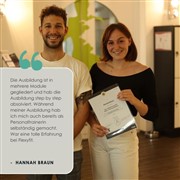

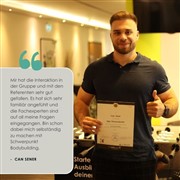
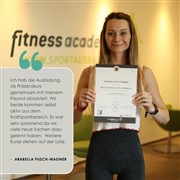
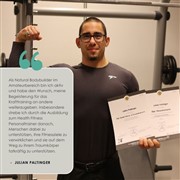








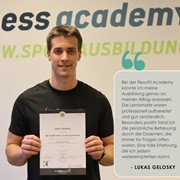
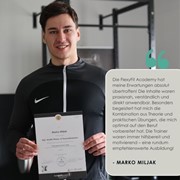
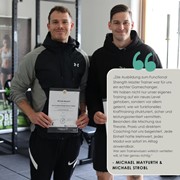
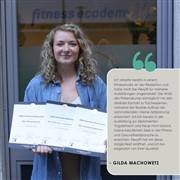
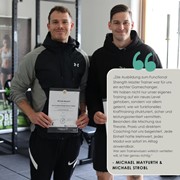
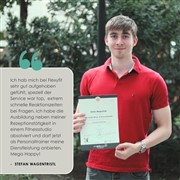
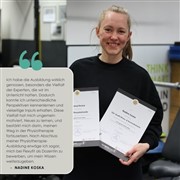




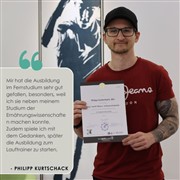

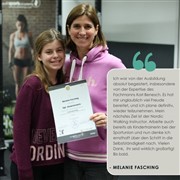
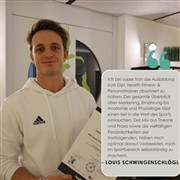
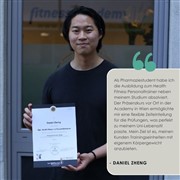


 Course Plan
 BK
BK
 Registration



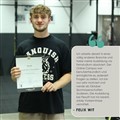
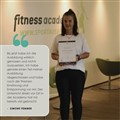
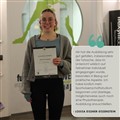
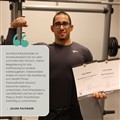








 Switch WhatsApp®"
And you will be forwarded directly to the WhatsApp® app.
Switch WhatsApp®"
And you will be forwarded directly to the WhatsApp® app.