Sehr hilfsbereit bei Fragen, telefonischer Rückruf immer freundlich
vor 27 Tagen
Jede Frage wird schnell beantwortet und bestens erklärt, alles sehr unkompliziert!
10.07.2026
Die Flexyfity Academy ist so gut aufbereitet - die Videos, die Skripte, die Prüfungen - alles ist verständlich, gut strukturiert und es hat so viel Freude gemacht hier zu lernen. Bei technischen Problemen hat sich der Support innerhalb kürzester Zeit zurückgemeldet und ich habe mich stets bestens betreut gefühlt. Auch meine Prüfungsangst war schnell verflogen, weil die Prüfungsdozentin so nett gewesen ist. Ich freue mich schon jetzt auf weiter Kurse in der Academy und empfehle sie weiter.
09.07.2026
Super und unkomplizierter Service!
15.06.2026
Super Beratung, alles hat perfekt funktioniert. Sehr freundlicher und professioneller Service. Ich freue mich schon auf die Ausbildung und kann die Betreuung nur weiterempfehlen!
14.06.2026
Sehr höfliche und sehr schnelle Beratung.
19.05.2026
Ich bin mit Flexifit sehr zufrieden.
E-Mails werden immer schnell und hilfreich beantwortet und auch telefonisch bekommt man freundliche und kompetente Auskünfte.
Ich habe auch an den Kursen teilgenommen und fand die Kurse sehr gut organisiert und interessant.
Die Vortragenden waren professionell und hilfsbereit.
Insgesamt bin ich sehr zufrieden und kann Flexifit nur weiterempfehlen.
13.05.2026
Schnelle und unkompliziert Hilfe! Der Kontakt war immer außerordentlich hilfsbereit und freundlich.
24.04.2026
Super Kundendienst
21.04.2026
Fundierte Ausbildung, aussagekräftige Skripten und Videos, toller Support!
13.04.2026
Schnell und nicht aufwendig!
01.04.2026
Sehr umfangreiche und interessante Ausbildung.
Sehr nette und kompetente Referenten.
25.03.2026
Die Inhalte sind echt toll wie auch die Trainer. Es ist unkompliziert online eine Ausbildung neben Arbeit und Kindern zu verrichten.
Wenn eine Ausbildung dann wieder über flexifit
13.03.2026
Sehr nettes und kompetentes Team. Tolle Ausbildungen. Danke Euch 🙏🏽🫶🏽
06.03.2026
Bei Rückfragen zu einem Kurs, die ich über die Chat-Funktion gestellt habe, habe ich sofort Antwort bekommen und das Angebot für ein spontanes Telefonat. Da fühlt man sich gleich mal gut aufgehoben.
Nach dem Telefonat habe ich mich gut abgeholt gefühlt und zusätzlich alle besprochenen Punkte per Email schriftlich auch noch erhalten.
Großartig!! Das war der Auslöser, dass ich den Kurs auch sofort gebucht habe
14.02.2026
Kundenservice vorab zur Bestellung durch Melanie - sämtliche Fragen wurden umfassend und sehr rasch beantwortet
10.02.2026
Eine super tolle learning Plattform. Fragen egal welches Thema werden sehr schnell beantwortet.Note 1
Formation de maquilleur - Spécialisation créative pour le cinéma, le théâtre & le fantastique
Formation de maquilleuse diplômée – Votre carrière professionnelle dans le secteur de la beauté
Votre demande nous est parvenue et nous
nous y répondrons le plus rapidement possible répondre à votre demande ! Nous avons pris la liberté de vous envoyer
vous envoyer une confirmation par e-mail à :
Veuillez également vérifier votre dossier SPAM
Nous vous souhaitons une bonne journée flexytastique
Toutes les dates de cours
Trouve ton cours en présentiel
Maquilleur diplômé -
Cours du week-end
Vienne
|17-10-2026
|
€ 1.930,30au lieu de€ 1.990,00
Deviens maquilleur artistique – Spécialisation en effets spéciaux, fantasy et théâtre
Tu rêves de plonger dans l'univers du cinéma, du théâtre et des productions créatives ? Grâce à notre formation de maquilleur, tu iras bien au-delà du maquillage classique et tu réaliseras des transformations artistiques : des personnages fantastiques aux looks d'époques historiques, en passant par des effets spéciaux réalistes. Vous deviendrez ainsi un professionnel très recherché pour des projets exceptionnels. Vous pouvez commencer à tout moment, apprendre la théorie en ligne et approfondir la pratique sur place.
Ta spécialisation : ce qui te rend unique
Tu acquerras des spécialisations artistiques et techniques qui te rendront incontournable dans le cinéma, le théâtre, les productions télévisées, les événements de cosplay et les projets créatifs :
Maquillage de scène et de drag – looks théâtraux et maquillage de spectacle
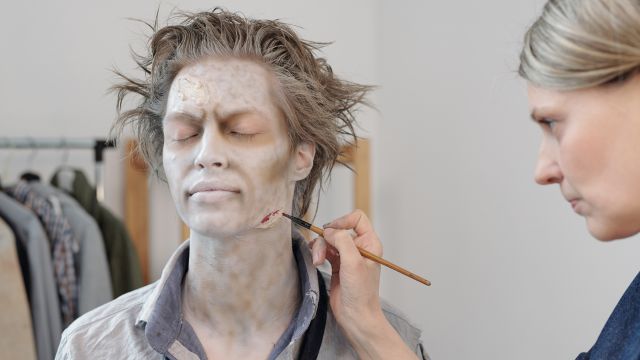
SFX (effets spéciaux) – cicatrices, blessures et lésions réalistes
Looks d’époque – stylisme historique, du baroque aux années 1920
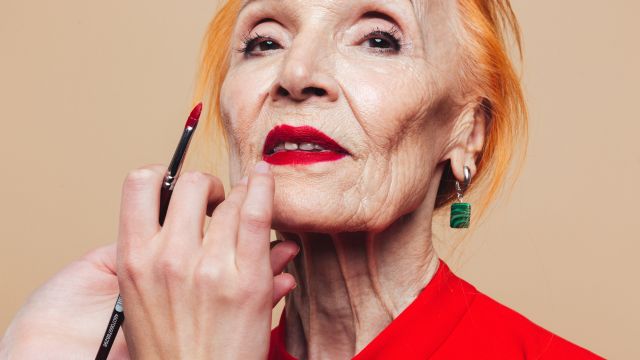
Maquillage de vieillissement – techniques professionnellesde vieillissement
Fantasy et conception de personnages – cosplay et transformations de personnages
À qui s'adresse cette formation ?
Aux esprits créatifs qui aiment les défis artistiques
Les passionnés de cinéma et de théâtre qui souhaitent intégrer le secteur du divertissement
Les fans de cosplay et de fantasy qui donnent vie à des personnages
Les maquilleurs qui souhaitent se spécialiser et acquérir de nouvelles compétences
Effets spéciaux, vieillissement et effets réalistes
Tu crées des blessures, des cicatrices et des lésions réalistes et tu travailles avec du latex, du silicone et de la cire, des effets de sang, des textures ainsi que des effets 3D et des prothèses. En ce qui concerne les techniques de vieillissement, tu apprendras à vieillir de manière réaliste la peau et les traits du visage, à créer des ombres, des rides, des taches de vieillesse, ainsi qu’à utiliser des calottes de calvitie et des perruques.
Pratique : maquillage d’horreur et de cinéma, drames d’époque, transformations en accéléré, événements d’Halloween et escape rooms.
Scène, drag, période historique et fantastique
Vous maîtriserez le maquillage théâtral pour la scène et la performance, les techniques de drag (contouring, over-lining), le travail avec les lumières de scène et l’effet de loin, ainsi que les looks historiques authentiques, y compris les perruques et les accessoires. Dans le domaine de la fantasy, tu apprendras le body painting, l’aérographe et les effets créatifs (paillettes, néon, UV).
Pratique : stylisme pour spectacles de drag, productions théâtrales et de costumes, événements de cosplay, séances photo fantastiques et festivals.
Tes perspectives de carrière en tant que maquilleur professionnel
En tant que maquilleur spécialisé, des parcours professionnels uniques s’ouvrent à toi dans les domaines les plus créatifs du secteur du divertissement et de la beauté :
Cinéma, télévision et streaming – Artiste SFX, de personnages et de prothèses
Théâtre, comédie musicale et spectacle vivant – maquillage de scène et de drag
Jeux vidéo, cosplay et événements – conventions, festivals, body painting
Photographie créative et création de contenu – Éditorial et réseaux sociaux
Indépendance – travail en freelance, propre studio, niches très recherchées
Ton parcours d'apprentissage
E-learning – théorie, techniques et connaissance des produits en ligne
Formation en présentiel à Vienne – pratique intensive avec de vrais modèles et du matériel professionnel
Projets individuels – constitution d’un book avec vos propres travaux créatifs
Petits groupes – 4 à 10 participants maximum pour un accompagnement optimal
Durée : 3 à 4 mois (adaptable en fonction de tes besoins).
Ton diplôme reconnu
Une fois la formation terminée avec succès, tu recevras un diplôme reconnu de maquilleur professionnel spécialisé – ton sésame pour le cinéma, le théâtre, l’événementiel et le travail indépendant.
Qualité contrôlée, certifiée selon les normes EN ISO 9001, TÜV-SÜD et ZFU. Ton certificat est disponible en plusieurs langues sur demande et peut être consulté à tout moment gratuitement sur le campus en ligne.
Tes avantages à la Flexyfit Academy
Apprentissage pratique avec de vrais modèles et du matériel d’effets spéciaux
Petits groupes (4 à 10 participants)
Commencez quand vous le souhaitez – e-learning flexible + cours en présentiel à Vienne
Aides financières possibles selon le pays et l’organisme de financement
Paiement échelonné flexible et sans intérêts
Ce dont tu as besoin pour commencer
Inscription en ligne ou par courrier
Aucune connaissance préalable requise – la créativité et l’intérêt suffisent
Âge minimum requis : 18 ans (moins de 18 ans avec l'accord écrit des parents ou tuteurs légaux)
Pour la phase en présentiel : possibilité de se rendre à Vienne
Tu as des questions précises sur la formation ?
Nous nous ferons un plaisir de te conseiller personnellement – par téléphone, par e-mail ou via le chat. Pose-nous ta question dès maintenant, sans engagement et gratuitement.
Demande en ligne
Mention légale concernant l'activité indépendante
L'activité de maquilleur ou de visagiste relève, selon les pays, de différentes réglementations en matière de droit commercial ou professionnel. Le travail de maquillage pur, sans traitements cutanés invasifs ni activités liées aux cosmétiques ou aux soins de la peau, peut être soumis à différentes exigences en matière de qualification ou de réglementation commerciale.
Notre diplôme atteste de la réussite de la formation. Il ne remplace toutefois pas une autorisation d’exercer ou un agrément administratif. Les activités que tu es autorisé(e) à exercer à ton compte après la formation dépendent des dispositions légales en vigueur et de l’offre de services précise. Nous vous invitons donc à vous renseigner auprès de l’autorité compétente ou de la Chambre de commerce avant de vous inscrire au registre du commerce ou de vous lancer en tant qu’indépendant(e), afin de connaître les conditions qui s’appliquent à votre cas. Chaque diplômé(e) est personnellement responsable de l’exercice légal de son activité.
Contenu pédagogique - Ce que tu apprendras pendant la formation
Volume d'apprentissage
380 E |
Portée
BKZ
200
Compétence en matière de beauté
EL
120
eLearning | Auto-apprentissage
RE
15
Recherche documentaire
TE
30
Mise en œuvre pratique
AE
15
Tâches supplémentaires & examens
Nos formations sont en principe éligibles à une aide financière. C'est l'organisme de financement compétent qui décide si une aide te sera accordée.
Nous t'aidons volontiers à rassembler toutes les informations nécessaires sur les cours dont tu auras besoin pour ta demande de subvention.
Bien entendu, nous restons à tes côtés pour te conseiller tout au long du processus et t'accompagnons de la première demande jusqu'au dépôt de ton dossier. Contacte-nous : nous veillerons à ce que tu sois préparé au mieux !
Tu trouveras ici un aperçu détaillé de tous les modules, matières et chapitres inclus. Découvre la structure et le contenu complet de la formation et fais-toi une idée précise des connaissances transmises.
Module Compétence en matière de beauté
Apprentissage de la peau
Lorsque nous parlons de la peau , la plupart des gens pensent d'abord aux produits de soin, au maquillage ou à leur propre reflet dans le miroir le matin. Mais la peau est bien plus que notre enveloppe extérieure. Elle est le plus grand organe de notre corps, notre bouclier de protection, un organe sensoriel et une expression de notre santé.
Dans l'enseignement de la peau, vous vous pencherez sur la structure anatomique de la peau et sur ses différentes couches. Vous apprendrez comment elle fonctionne, quelles sont ses fonctions et pourquoi elle est parfois sensible aux influences extérieures. Vous apprenez à reconnaître avec certitude les différents types de peau et à comprendre quels produits de soin et de maquillage conviennent à quel type de peau. Une partie importante est en outre la bonne gestion des irritations et des allergies cutanées. Vous apprendrez à reconnaître les réactions allergiques, à les gérer de manière responsable et à choisir des produits qui soutiennent la peau au lieu de l'agresser.
Cette unité axée sur la pratique vous aide non seulement à voir la peau, mais aussi à la comprendre réellement. Vous pourrez ainsi appliquer plus tard un maquillage adapté au type de peau, qui ne cache pas mais met en valeur - tout en gardant à l'esprit la santé et le bien-être de vos clientes et clients.
Hygiène et organisation du lieu de travail
Dans le domaine du visagisme, la propreté n'est pas une question secondaire, mais un élément essentiel du professionnalisme. Dans la matière Hygiène et organisation du lieu de travail, vous apprenez comment créer un espace de travail hygiénique, sûr et digne de confiance. Vous commencez par vous pencher sur les étapes fondamentales de l'hygiène. Le nettoyage, la désinfection et la stérilisation. Vous apprendrez quelles sont ces mesures nécessaires dans le quotidien des visagistes et quand les appliquer. Il s'agit notamment de nettoyer et de désinfecter correctement les pinceaux, les éponges, les palettes et les outils afin de prévenir les irritations cutanées et les infections.
L'accent est également mis sur le lavage correct des mains et la routine d'hygiène personnelle. Vous apprendrez à maintenir les surfaces de contact propres, à prélever les produits de manière hygiénique et à éviter la transmission de germes. Cela inclut également la manipulation soigneuse du maquillage, des crèmes et des produits liquides afin de garantir leur qualité et leur sécurité.
L'impression générale du lieu de travail est tout aussi importante : une table bien organisée, des procédures claires et un espace de travail calme et propre donnent une impression de professionnalisme et de confiance. Vous apprendrez à disposer votre matériel de manière claire, à préparer les produits consommables et à aménager votre plateau de manière à pouvoir travailler de manière efficace et ordonnée.Cette matière vous permet d'acquérir les compétences nécessaires pour réaliser un maquillage non seulement beau, mais aussi responsable et hygiénique - une condition indispensable pour garantir la qualité, la sécurité et une apparence professionnelle.
Science des matériaux
Dans la matière "connaissance des matériaux", vous apprenez à connaître les outils les plus importants . Avant de pouvoir réaliser un maquillage, vous devez savoir avec quels matériaux vous travaillez et comment les utiliser correctement.Vous étudiez différents pinceaux et outils, dont les pinceaux à fond de teint et à ombres à paupières ainsi que les spatules, les recourbe-cils et les éponges. Vous apprenez quelle forme et quelle texture de pinceau produisent quel effet et avec quel pinceau il est possible d'appliquer au mieux des textures crémeuses, poudreuses ou liquides. En effet, chaque produit ne peut être travaillé de manière agréable que si l'on utilise l'outil adéquat.
Vous verrez également de plus près différentes textures de maquillage . Poudre, crème, gel, produits liquides et en stick. Vous apprendrez quelles textures se combinent bien entre elles, comment elles se comportent sur la peau et comment les appliquer de manière à ce qu'elles aient un effet naturel et durent longtemps. Cela inclut également la manière de prélever correctement les produits afin de les utiliser de manière hygiénique et économique.
L'accent est également mis sur l'utilisation correcte du matériel. Vous vous exercez à nettoyer les pinceaux, à stocker les produits et à préparer votre kit de travail de manière à pouvoir travailler de manière efficace, propre et professionnelle.L'objectif de cette unité est que vous ne connaissiez pas seulement vos outils, mais que vous les maîtrisiez. Ainsi, votre maquillage ne sera pas laissé au hasard, mais sera réalisé avec précision, sensibilité et sécurité technique.
Théorie des couleurs
Les couleurs sont omniprésentes : dans le reflet du miroir, dans la nature, dans les vêtements et le maquillage. Mais ce n'est que lorsque nous comprenons leur effet sur les personnes et que nous savons comment elles s'articulent entre elles que nous pouvons les utiliser consciemment. C'est précisément là qu'intervient la théorie des couleurs.
Vous commencerez par vous familiariser avec le cercle chromatique. Il montre comment les couleurs sont liées entre elles et quelles combinaisons sont harmonieuses ou contrastées. Chaude ou froide, douce ou vive, chaque couleur porte en elle une certaine ambiance . Vous découvrirez comment ces ambiances sont utilisées dans le maquillage pour créer de l'éclat, de la fraîcheur ou de la profondeur.
Dans l'étape suivante, vous vous penchez sur l'analyse des couleurs. Vous observez le teint de la peau, la couleur des yeux et la structure des cheveux afin d'identifier les nuances de couleur qui donnent vie au visage. Il s'agit de percevoir des différences qui peuvent paraître insignifiantes au premier abord, mais qui jouent un rôle important dans l'image globale.
Dans la partie pratique de la consultation de type, vous apprenez à connaître les types de couleurs classiques, comme le type printemps, été, automne ou hiver. Pas à pas, vous vous entraînez à classer clairement les personnes et à choisir des couleurs de maquillage adaptées. L'objectif est de ne pas choisir les couleurs uniquement parce qu'elles sont "belles", mais parce qu'elles soulignent la personnalité naturelle.A la fin de cette unité, vous ne disposez pas seulement de connaissances théoriques, mais aussi d'un œil exercé. Vous développerez votre sens de l'harmonie des teintes dans le maquillage et saurez comment utiliser la couleur de manière ciblée pour rendre un look vivant, cohérent et expressif.
Analyse du visage
Comment un visage change-t-il lorsque la lumière et les ombres sont utilisées de manière ciblée ? C'est là qu'intervient l'analyse du visage : il s'agit de prendre conscience des proportions et de comprendre l'influence du maquillage sur la forme du visage. Vous apprenez à reconnaître et à distinguer les différentes formes de visage comme l'ovale, le rond, le carré, le cœur ou le long. C'est la base pour pouvoir ensuite travailler de manière ciblée avec la lumière et les ombres.
L'objectif de toute création de maquillage est de créer des proportions harmonieuses et équilibrées. En visagisme, le visage ovale est considéré comme idéal, car ses lignes sont douces et régulières. À l'aide de techniques de contouring et de highlighting , vous pouvez rapprocher visuellement d'autres formes de visage de cet idéal.
Une partie importante de l'unité consiste à observer attentivement les différentes parties du visage. Vous analysez la distance entre les yeux, la forme et la hauteur des sourcils, les proportions du front, des joues et du menton ainsi que la ligne de l'arête du nez. La forme des lèvres et la ligne de la mâchoire jouent également un rôle. Tous ces détails déterminent l'apparence d'un visage : doux, marqué, ouvert ou plutôt compact.
Formez votre œil aux différences subtiles et développez un sens sûr et professionnel des proportions. Vous obtiendrez ainsi un maquillage qui souligne la personnalité et forme l'image globale de manière ciblée.
Travail orienté vers la clientèle dans le secteur de la beauté
Dans le secteur de la beauté, il ne s'agit pas seulement d'appliquer du maquillage, mais aussi de rencontrer des gens. Dans la matière Travail orienté vers la clientèle, vous apprenez à communiquer de manière professionnelle, respectueuse et claire avec les clientes et les clients. Vous apprendrez à reconnaître les souhaits, à évaluer correctement les attentes et à déterminer les besoins réels de votre interlocuteur en lui posant des questions ciblées. Le langage est un point central : les termes techniques sont utiles dans l'enseignement, mais peuvent vite prêter à confusion lors d'un entretien avec un client. Vous apprenez donc à expliquer des contenus de manière facilement compréhensible, sans perdre en compétence.
Un sujet sensible est le traitement des impuretés cutanées, des cicatrices ou des signes de vieillissement. Dans ce cas, il est important de rester respectueux et empathique. Au lieu de souligner les problèmes, l'accent est mis sur les possibilités de mettre en valeur la beauté existante. Vous vous exercez à conseiller honnêtement sans blesser et à transmettre un sentiment positif aux clientes et clients.
Vous recevrez également des outils pour gérer les incertitudes, les insatisfactions ou les situations d'entretien difficiles : comment rester calme ? Comment formuler un feedback de manière respectueuse ? Comment réorienter un entretien de manière professionnelle vers une solution commune ? Cette matière renforce votre capacité de communication et vous rend sûr dans le contact direct. Ainsi, vous n'apparaissez pas seulement comme une visagiste, mais aussi comme une personne de confiance qui voit les gens, les prend au sérieux et les accompagne de manière professionnelle.
Module Maquilleur
Maquillage de scène/Drag Make up
Un effet maximal, des formes fortes et une expression créative - tout cela fait partie du maquillage de scène & du maquillage par drague. Vous quittez délibérément les limites du maquillage de beauté classique et apprenez à façonner le visage de manière à ce qu'il soit clair et puissant, même à grande distance et sous un éclairage puissant.
Vous travaillez avec l'exagération: les contours sont renforcés, l'anatomie du visage est optiquement modifiée et les proportions sont repensées. Parmi les techniques utilisées, citons le block brows, le color blocking, le contouring prononcé, le tracé artificiel des ombres, la peinture de la forme des lèvres, les grands cils, le lash stacking, les paillettes et les textures voyantes.
Dans la partie pratique, vous développerez un look à fort impact et élaborerez pas à pas un personnage personnel de drag ou de scène. Vous jouez avec l'expression, la forme, la couleur et l'attitude pour créer un personnage qui a de la présence et qui raconte une histoire. En plus de l'aisance technique, vous acquerrez le courage d'être créatif. Vous apprenez à considérer le maquillage comme une forme d'art et à créer un look unique, présenté haut et fort.
Looks d'époque
Comment reconnaître au premier coup d'œil l'époque à laquelle appartient un look ? C'est précisément là qu'intervient la matière "Looks d'époque". Les participants au cours étudient les caractéristiquestypiques et stylistiques de différentes décennies : les sourcils clairs et les lèvres foncées des années 1920, les lignes glamour et les lèvres rouges des années 1950, les tons naturels et les couleurs terreuses des années 1970, le blush prononcé et les reflets métalliques des années 1980, jusqu'à la brillance du passage à l'an 2000, les gloss et les tons pastels froids. Vous apprendrez quels détails permettent de situer clairement un look dans une époque, de la forme des sourcils au contour des lèvres en passant par le tracé des ombres à paupières.
Une partie importante consiste à travailler avec des références de photos et de films. Vous vous entraînez à reconnaître rapidement les caractéristiques, à les transformer en étapes de maquillage et à adapter ou à moderniser rapidement un look. Il s'agit d'observer, de déduire et de traduire de manière créative.
Dans la pratique, vous créez un ou deux looks complets. Vous vous exercez à transposer des éléments historiques de manière claire et authentique, sans que le look ne paraisse trop lourd ou "costumé". Cette matière vous aide à comprendre concrètement l'histoire du style et à transposer des personnages d'époque de manière à ce qu'ils soient reconnaissables du premier coup et qu'ils aient l'air maquillés de manière professionnelle.
SFX - Cicatrices, blessures, etc.
Ce sont les petits détails qui déterminent si un effet est crédible. Dans cette matière, vous apprendrez à réaliser des maquillages SFX de manière réaliste et précise.
Vous abordez tout d'abord la science des matériaux et apprenez à connaître les propriétés du latex, de la cire, du silicone, des textures de gel, du faux sang et des différentes palettes de couleurs comme les couleurs activées à l'alcool et les couleurs à l'huile. Ils apprennent comment ces matériaux se comportent, comment ils sont construits et modelés et comment les utiliser en toute sécurité . L'accent est mis en particulier sur le travail de texture, afin que les cicatrices, les altérations de la peau et les plaies aient un aspect organique et non "plaqué".
Vous aborderez ensuite les différents types de plaies : coupures et piqûres, éraflures et brûlures, blessures par balle et rejets, cicatrices récentes et cicatrisées, hématomes et gonflements. Ils s'entraînent à la construction des couleurs, à la profondeur, à la gestion des ombres et aux effets de brillance et de matité. Les calvities sont également présentes. Vous apprenez à les ajuster, à les coller et à estomper proprement les bords - comme un élément constitutif au sein des nombreuses techniques SFX.
Dans la pratique, vous pratiquez les différents effets étape par étape et combinez les matériaux jusqu'à obtenir des résultats réalistes . Vous aiguiserez ainsi votre regard sur l'aspect réel d'une peau blessée ou modifiée et apprendrez à la reproduire de manière professionnelle. L'objectif est d'apprendre à utiliser les techniques SFX de manière sûre et contrôlée, afin d'obtenir sur la peau un effet authentique, crédible et digne d'un film.
Looks à l'ancienne
Notre visage change constamment au cours de la vie - comment créer cet effet de manière ciblée ? C'est précisément ce que vous étudiez dans la matière Old Age Looks.
Vous commencez par observer le processus naturel de vieillissement et analysez les caractéristiques typiques telles que les rides fines et profondes, la perte de volume, la modification de la structure de la peau, les taches pigmentaires et les zones affaissées. Vous apprenez à identifier les zones de vieillissement visibles et à reproduire ces changements avec du maquillage , qu'il soit discret ou marqué.Le travail avec des calottes fait également partie de cette matière : vous vous exercez à les poser, à les coller et à les estomper proprement pour que la transition soit naturelle et que la forme de la tête apparaisse de manière réaliste.
Sur cette base, vous apprendrez à distinguer un look old age réaliste pour la photo et le film d'un look théâtral et très visible pour la scène et la distance. Vous découvrirez la force des lignes, la manière dont l'ombre modifie visuellement le visage et l'effet de la couleur.
Dans la pratique, vous mettez en œuvre les techniques étape par étape et développez un sens des nuances : quand une ride est-elle crédible ? Où une ombre est-elle convaincante ? Comment un visage vieillit-il sans avoir l'air "masqué" ? L'objectif est d'acquérir une maîtrise des techniques de vieillissement - précise, contrôlée et adaptée au domaine d'application.
Looks fantastiques
Comment créer un personnage qui ne vient pas de notre monde ? Dans la matière Fantasy Look, vous concevez le maquillage comme une œuvre d'art complète. Vous apprendrez les bases du body painting et du face painting , les couleurs qui conviennent à la peau, les pinceaux et éponges qui permettent d'obtenir des effets et la manière de construire proprement des surfaces, des dégradés et des structures. Il s'agit également d'intégrer habilement des accessoires tels que des strass, des plumes, des perruques, des coiffures ou des éléments modelés afin de donner un effet tridimensionnel au look.
Un autre point fort est le design de personnages. Ils développent leur propre personnage - de l'idée au choix des couleurs en passant par la signification symbolique de certains éléments. Il s'agit de l'ambiance, de l'histoire, du langage des formes et de la valeur de reconnaissance. Vous planifiez la manière dont les couleurs, les motifs et les matériaux interagissent pour que le look soit cohérent et non aléatoire.
Dans la pratique, vous réalisez finalement un personnage de fantasy complet . Pas à pas, vous créez ainsi un look qui n'est pas seulement maquillé, mais mis en scène. Vous ne vous contentez pas d'appliquer le maquillage, vous le créez : avec de l'imagination, des compétences techniques et un concept artistique clair.
Variantes d'apprentissage disponibles pour cette formation
Maquilleur diplômé
ÉLUCours en présentiel€ 1.930,30au lieu de€ 1.990,00
Points forts
Langue d'enseignement
FR
Module spécialisé
Cours de présence en groupe
Compétences en beauté (en ligne)
Type d'apprentissage | Méthode d'apprentissage
Variante d'apprentissage
en ligne/présence
Méthode d'apprentissage
visuel/moteur
type d'apprentissage auditif & visuel
bien adapté
type d'apprentissage communicatif & moteur
bien adapté
Temps d'apprentissage
flexible + dates
Soutien à l'apprentissage (# tout compris)
Scripts & documents en PDF
Support via campus en ligne, eMail, chat, tél.
Assistance WhatsApp & sur place
Examens blancs
Examen/conclusion
Examens intermédiaires de beauté en ligne
Examen final
délai flexible
Certificat en DE, EN, SP
Certificat valable dans le monde entier & sans limite de temps
Compte Academy (# tout compris)
Campus en ligne Disponible à vie
Compte de démonstration gratuit / pack découverte
Copies d'actes téléchargeables au format PDF
Certificats avec vérification de l'authenticité (code QR)
Promotion
Possibilités de financement
jusqu'à 100
Congé de formation (AT)
Promotion des entreprises
Soutien aux indépendants
Conseil en matière de formation
sans engagement
Devis pour l'organisme de financement
Benefit
Plateforme d'emploi proposant des offres d'emploi
des offres de formation continue étendues
Meilleur prix absolu & offre de prestations
ÉLUCours en présentiel€ 1.930,30au lieu de€ 1.990,00
Points forts
Langue d'enseignement
FR
Module spécialisé
Cours de présence en groupe
Compétences en beauté (en ligne)
Type d'apprentissage | Méthode d'apprentissage
Variante d'apprentissage
en ligne/présence
Méthode d'apprentissage
visuel/moteur
type d'apprentissage auditif & visuel
bien adapté
type d'apprentissage communicatif & moteur
bien adapté
Temps d'apprentissage
flexible + dates
Soutien à l'apprentissage (# tout compris)
Scripts & documents en PDF
Support via campus en ligne, eMail, chat, tél.
Assistance WhatsApp & sur place
Examens blancs
Examen/conclusion
Examens intermédiaires de beauté en ligne
Examen final
délai flexible
Certificat en DE, EN, SP
Certificat valable dans le monde entier & sans limite de temps
Compte Academy (# tout compris)
Campus en ligne Disponible à vie
Compte de démonstration gratuit / pack découverte
Copies d'actes téléchargeables au format PDF
Certificats avec vérification de l'authenticité (code QR)
Promotion
Possibilités de financement
jusqu'à 100
Congé de formation (AT)
Promotion des entreprises
Soutien aux indépendants
Conseil en matière de formation
sans engagement
Devis pour l'organisme de financement
Benefit
Plateforme d'emploi proposant des offres d'emploi
des offres de formation continue étendues
Meilleur prix absolu & offre de prestations
Informations de base sur les variantes d'apprentissage :
Le contenu de la formation est le même pour chaque variante d'apprentissage
La période d'examen, la durée de la formation et le déroulement de l'examen sont indépendants de la variante d'apprentissage.
Vous pouvez passer de la variante d'apprentissage "à distance" aux cours en classe ou aux cours individuels. Il est également possible de comptabiliser des blocs de modules individuels
Dans la variante d'apprentissage "Cours de présence", vous pouvez réserver et suivre des blocs individuels de cours.
Le certificat final n'est pas différent, quelle que soit la variante d'apprentissage que vous avez suivie.
Votre compte Academy et les contenus d'apprentissage vous restent dans tous les cas acquis pour toute la vie.
Où les maquilleurs diplômés peuvent-ils travailler ?
Les maquilleurs diplômés travaillent dans des productions cinématographiques et télévisuelles, au théâtre et dans des comédies musicales, dans des spectacles de drague et des événements de cosplay, dans le secteur des jeux vidéo et de la fantasy, pour des shootings éditoriaux et la création de contenu pour les médias sociaux ou en tant que spécialistes SFX indépendants. Le maquillage événementiel, les projets créatifs de bodypainting et la création de personnages pour les productions scéniques sont également des domaines d'intervention très demandés, qui offrent des possibilités de rémunération intéressantes.
Quelles sont les spécialisations les plus demandées en tant que maquilleur ?
Les artistes SFX pour les productions d'horreur et d'action, les character designers pour la fantasy et les jeux, les spécialistes du drag make-up, les spécialistes du vieillissement pour les productions historiques et les artistes prothésistes pour les effets 3D sont particulièrement demandés. Le bodypainting et les techniques d'aérographe pour les événements, les shootings éditoriaux et le contenu des médias sociaux offrent également des opportunités de carrière intéressantes et des honoraires lucratifs.
Est-il possible de travailler en tant que maquilleur indépendant ?
Oui, de nombreux maquilleurs travaillent en tant qu'indépendants et proposent leurs services pour des productions cinématographiques et télévisuelles, des pièces de théâtre, des événements cosplay, des séances photo ou du contenu pour les médias sociaux. Le statut d'indépendant offre une liberté créative, des projets flexibles et des honoraires attractifs. Le diplôme certifié par le TÜV et reconnu au niveau international soutient votre présentation professionnelle auprès des sociétés de production, des studios de cinéma et des agences.
Ai-je besoin d'une autorisation d'exercer le métier de maquilleur en Autriche ?
Pour les services de maquillage purement décoratifs, sans traitement invasif de la peau, vous avez besoin en Autriche d'un examen de compétence "Kosmetik (Schönheitspflege)" limité aux cosmétiques décoratifs. Pour les activités cosmétiques et de traitement de la peau, il est nécessaire d'avoir un métier réglementé avec une autorisation d'exercer correspondante. L'inscription se fait auprès du magistrat compétent ou de la Bezirkshauptmannschaft.
Quelles sont les possibilités de rémunération en tant que maquilleur ?
Les possibilités de rémunération en tant que maquilleur sont attrayantes et varient en fonction de la spécialisation et du domaine de travail. En tant que salarié d'un théâtre ou d'une société de production, vous percevez un salaire régulier et bénéficiez de la sécurité sociale. Les artistes SFX indépendants gagnent sur la base de projets avec des honoraires journaliers qui peuvent être nettement plus élevés en fonction de l'expérience, de la qualité du portefeuille et de la taille du projet. Les productions cinématographiques et télévisuelles, les shootings éditoriaux et les projets internationaux offrent des honoraires particulièrement intéressants.
Quelles sont les conditions requises pour suivre la formation de maquilleur ?
Vous devez être âgé d'au moins 18 ans, être créatif et intéressé par les effets spéciaux et le maquillage artistique. Pour les jeunes participants, l'accord écrit des parents ou des tuteurs est nécessaire. Aucune connaissance scolaire préalable, aucun baccalauréat ni aucune expérience en maquillage ne sont requis. La formation convient aussi bien aux débutants créatifs qu'aux personnes plus expérimentées. Plus importantes que des connaissances préalables sont la passion pour les SFX, l'envie d'expérimenter et la volonté de travailler avec différents matériaux.
La formation est-elle également adaptée aux personnes qui changent de voie ?
Oui, absolument ! De nombreux maquilleurs à succès viennent d'autres professions et ont fait de leur passion pour les SFX et le maquillage créatif leur métier. La formation flexible avec des modules en ligne et des cours en présentiel permet d'apprendre tout en travaillant. L'expérience de vie et les différentes perspectives enrichissent souvent le travail créatif. La formation enseigne toutes les techniques de manière systématique en partant de la base.
Que sont les techniques SFX et à quoi me servent-elles ?
SFX (effets spéciaux) comprend les techniques de maquillage pour les blessures, les cicatrices, le sang, les prothèses et les effets 3D utilisés dans les productions d'horreur, d'action et de fantastique. Vous apprendrez à travailler avec des matériaux professionnels tels que le latex, la cire et le silicone et à créer des blessures, des effets de vieillissement ou des créatures réalistes. Ces techniques sont particulièrement demandées dans les secteurs du cinéma, de la télévision et du théâtre.
Quelle est la différence entre le maquillage de scène et le maquillage classique ?
Le maquillage de scène est spécialement conçu pour le théâtre, les comédies musicales et les spectacles de drague et tient compte de la forte lumière de la scène et des effets à distance. Il utilise des couleurs plus intenses, un contouring plus prononcé et des techniques d'over-lining pour un effet dramatique et une représentation du caractère. Contrairement au maquillage de beauté classique, l'accent est mis sur l'expressivité artistique et la visibilité à distance.
Quelle est la différence entre visagiste et maquilleur ?
Le visagiste diplômé se concentre sur les techniques de beauté classiques, l'analyse de la peau, le conseil en couleurs, le maquillage de jour, de soirée et de mariée ainsi que le maquillage de plateau professionnel. Le maquilleur comprend en outre les effets spéciaux, le maquillage fantaisie, la représentation de personnages et les looks de scène créatifs. La formation combinée réunit les deux domaines pour un maximum de polyvalence et de possibilités de carrière.
Dois-je apporter mes propres produits de maquillage ou modèles ?
Non, selon la formule choisie (de base, premium ou VIP), vous recevrez des kits de démarrage professionnels plus ou moins complets avec du matériel et des outils SFX. Vous pouvez également utiliser vos propres produits. Pour les séances pratiques en classe, veuillez apporter vos propres modèles, par exemple ceux de votre entourage, de votre famille ou de vos amis. Nous vous aiderons toutefois volontiers à trouver des modèles appropriés. Il n'y a pas d'âge minimum pour les modèles - les jeunes peuvent également faire office de modèles. Pour les modèles de moins de 18 ans, il vous faut l'accord écrit des parents ou des tuteurs.
Est-ce que je bénéficie d'un soutien pour la constitution de mon portefeuille ?
Oui, pendant la formation, vous réaliserez des travaux professionnels que vous pourrez utiliser pour votre portfolio. Vous recevrez des instructions sur la conception d'un portfolio et apprendrez à photographier et à présenter vos travaux SFX de manière professionnelle. Les travaux pratiques avec de vrais modèles offrent des possibilités idéales pour réaliser des photos de portfolio de haute qualité, que vous pourrez utiliser pour postuler auprès de sociétés de production, d'agences et de médias sociaux.
Comment se constituer une clientèle en tant que maquilleur ?
Vous construisez une base de clients réussie grâce à un portfolio professionnel avec des photos de haute qualité de vos travaux SFX et de vos transformations, une présence active dans les médias sociaux sur Instagram, TikTok et YouTube, un réseautage lors de festivals de cinéma et de productions théâtrales, des coopérations avec des photographes, des cinéastes, des sociétés de production et des communautés de cosplay, ainsi qu'un marketing de recommandation grâce à des clients satisfaits.
Qu'est-ce qu'un portfolio et pourquoi en ai-je besoin en tant que visagiste et make-up artist ?
Un portfolio est votre dossier de travail professionnel contenant des photos de haute qualité de vos meilleurs travaux de maquillage et de transformation. Il montre aux clients potentiels, aux agences, aux sociétés de production et aux employeurs votre savoir-faire, votre style et votre polyvalence. Le portfolio est votre carte de visite visuelle et est souvent décisif pour les commandes - en particulier dans les secteurs de la beauté, du cinéma et de l'événementiel, où les clients veulent voir ce que vous pouvez faire avant de réserver. Un portfolio solide avec des images professionnelles "before after", différents looks (mariée, éditorial, SFX, fantaisie) et des travaux créatifs ouvre les portes à des projets lucratifs et aide à construire votre marque sur les médias sociaux et votre site web.
Contacte-nous. Nous sommes là pour vous aider.
Une aide financière pouvant aller jusqu'à 100 % du coût de la formation est possible !
Bénéficie d'une aide financière pour ta formation continue et lance-toi dès maintenant. Nous te conseillons gratuitement et sans engagement sur les aides financières auxquelles tu peux prétendre, par téléphone ou en personne.
Meilleures notes
Profitez dès maintenant d'un accès d'essai gratuit. Essayez d'abord, puis étudiez !
Super Ausbildung und mega nette Leute. Man merkt, wie viel Wert darauf gelegt wird den Kursteilnehmern das nötige Wissen verständlich zu vermitteln. Ich durfte sogar freundlicherweise einen Kurs komplett kostenlos nachholen, nachdem etwas problematische und störende Teilnehmer in meiner Gruppe waren. Ich werde 100%ig in Zukunft noch weitere Kurse bei euch machen, weil das Lernen allen voran dank des freundlichen Personals extremen Spaß macht!
Das gesamte Team von flexyfit ist überaus freundlich, prompt und hilfsbereit. Die Vortragenden sind kompetent und gehen auf die Kursteilnehmer ein. Sämtliche Lernunterlagen wurden übersichtlich und ausreichend detailliert zur Verfügung gestellt. Durch die zusätzlichen Videos ist für jeden Lerntyp etwas dabei. Alles in allem verliefen Ausbildung und Prüfung top. Ich kann flexyfit jedenfalls weiterempfehlen und werde weitere Ausbildungen gerne wieder bei Euch buchen und weiterempfehlen!
Ein super Team - kompetent, freundlich, stets hilfsbereit und unterstützend - hat die praxisnahe Ausbildung hervorragend begleitet. Sehr zu empfehlen! :)
Die Ausbildung zum Fitnesstrainer B-Lizenz hat mir dort sehr viel Spaß gemacht. Die gestellten Lehrmaterialien sind super und einwandfrei. Ich habe dort sehr viel neues gelernt und war immer mit Freude an der Sache. Das Team ist super und ist bei Rückfragen immer für einen da!
Das Beste, was mir passieren konnte, ist diese Akademie. Der Zugang zu den Teilnehmern ist hervorragend. Alle Mitarbeiter sind sehr kompetent, sehr professionell und sehr freundlich. Ein Mensch kann so viel lernen, dass es unbeschreiblich gut ist. Ich würde es jedem empfehlen. Als ich in Österreich ankam, war ich auf der Suche nach so etwas und zum Glück habe ich diese Akademie gefunden und mich ohne zu zögern für den Kurs angemeldet. All das, was wir als Gegenleistung bekommen, ist 100-mal mehr wert als das, was wir bezahlen. Unbeschreibliche Erfahrung, unbeschreibliche Menschen, noch einmal und noch 1000 Mal sage ich: Danke für alles, danke für dieses unbeschreibliche Erlebnis. DANKE, DANKE, DANKE <3
Ich konnte im Rahmen meiner Ausbildung bei der Flexyfit Academy sehr viel neues lernen und konnte mich mit meinem ausgewählten Lehrgang einer neuen anspruchsvollen Herausforderung stellen. Die Struktur der Ausbildungen ist sehr verständlich und übersichtlich gestaltet, sodass man ohne Probleme das Fernstudium alleine meistern kann. Bei Fragen, Unklarheiten oder vereinzelten Problemen war das Team der Academy immer schnell zur Seite und man konnte immer eine gemeinsame Lösung finden. Hier und da hätte ich mir noch etwas mehr Praxisbezug gewünscht. Nichtsdestotrotz habe ich mich immer sehr wohl gefühlt, habe tolle Referenten gehabt und mit meinem Abschluss zum Dipl. Medical Sportbetreuer stehen mir nun viele neue Türen offen :)
Konnte meinen gewählten Lehrgang sehr gut und zügig abschließen. Das Team ist sehr schnell und kukant und man bekommt immer eine gute Lösung angeboten, sollte es Unklarheiten geben. Werde bei Gelegenheit wieder buchen und kann die Akademie empfehlen!
Hat sehr viel Spaß gemacht meine Schwimmtrainer Ausbildung bei der Flexyfit zu absolvieren! Das Programm ist sehr umfangreich und die Trainer sind sehr gut ausgebildet.
Die Ausbildung in der Flexyfit war die beste Entscheidung, hab sehr viel in puncto Sport und Ernährung dazugelernt. Die Unterstützung war immer gegeben, sehr kompetentes und nettes Personal/ Trainer. Ich werde die Academy auf alle Fälle weiter Empfehlen. Insbesondere danke an Melanie, Sarah und Daniel
Eine wirklich anspruchsvolle Ausbildung, tolles Material, die Videos sind prima, das Script ergänzt gut. Die Struktur sehr sinnvoll aufgebaut, man findet sich gut zurecht. Lediglich finde ich die Verhältnismäßigkeit der Yogalizenz gegenüber der Pilateslizenz ungünstig. Es werden viel mehr Prüfungen in der Yogalizenz gefordert. Die Abschlussprüfung ebenfalls in der Yogalizenz deutlich schwieriger, Fragen müssten in meinen Augen überdacht werden.
Danke Flexyfit - sehr kompetent, tolle Unterlagen und auch Unterstützung. Die praktischen Übungen in Innsbruck waren TOP - Danke Matthias. Kann ich nur weiterempfehlen. Ich werde weitermachen. 😉
Qualitativ sehr hochwertige Ausbildung! Die Flexyfit Academy war sehr bemüht auf alle Fragen die im Zuge der Ausbildung entstanden sind einzugehen und genau zu erklären. Kann ich auf jeden Fall weiterempfehlen!
Absolut zufrieden! Ich habe mich für das Fernstudium entschieden, da ich persönlich nicht vor Ort sein konnte, und ich kann es wärmstens empfehlen! Alles hat reibungslos funktioniert, die Kontaktaufnahme war schnell, und bei Problemen wurde immer eine Lösung gefunden. Das Team ist super freundlich, und die Profilübersicht ist sehr übersichtlich. Ein kleiner Vorschlag: Es wäre hilfreich, wenn Nutzer, die längere Zeit inaktiv sind, einen Reminder erhalten würden oder eine App zur Verfügung stünde, um auch mobil lernen zu können.
Ich war von der Ausbildung sehr positiv überrascht! Das Fernstudium hat ganz unkompliziert funktioniert und der Service war auch perfekt! Die Unterlagen waren sehr gut und ich habe sehr viel dazugelernt! Kann ich mit gutem Gewissen weiterempfehlen! Update 2024: Nachdem ich nun bereits meine dritte Ausbildung abgeschlossen habe, kann ich meine erste Bewertung nur bestätigen! Als Vollzeit-Berufstätiger war es für mich eine super Möglichkeit nebenberuflich eine Ausbildung zu machen die meiner Leidenschaft entspricht! Ich lese regelmäßig Bücher zum Thema Sport und Gesundheit, und muss sagen dass die Ausbildungen überall auf einem sehr guten und aktuellen Stand sind! Das hat mich doch etwas positiv überrascht! =) Dank Flexyfit kann ich nun mein Hobby zum Beruf machen! Deshalb nochmal eine klare Empfehlung von mir!
Eine tolle Ausbildung, die da angeboten wird, mit einem sehr freundlichen und kompetenten Team. Es war ein Vergnügen mit euren sehr gut aufbereiteten Videos und Skripten zu lernen. Ich freue mich schon auf meine nächste Ausbildung. Kann ich nur sehr weiterempfehlen, von mir gibt es definitv 5 Sterne.
Sehr zuvorkommendes Team und ein allseits herzlicher Umgang! Die Ausbildungslehrgänge inkludieren einen interessanten Austausch mit guten, sportlichen Ausbildnern :)
Ich habe die Kindertrainer Ausbildung bei Flexyfit gemacht. Von Beginn an wird man super betreut, die Kommunikation passt perfekt. Alle sind bemüht und freundlich. Online sowie vor Ort hat alles perfekt gepasst. Es wird bestimmt nicht die letzte Ausbildung bzw. Workshop sein, welchen ich bei euch gemacht habe. Freue mich auf ein Wiedersehen. Danke an Daniel, Melanie und Beno :-)
Flexibles lernen leicht gemacht :) Sehr kompetent und freundlich . Sehr schnelle Antworten bei Fragen&wer eine Ausbildung im Sport Bereich machen will würd ich jedem die Flexyfit empfehlen 💪🏾
Ich habe bereits zwei Fernkurse absolviert und ich kann sagen, dass Weiterbilden mit den Flexyfit Kursen einfach Spaß macht. Man lernt im eigenen Tempo und zeitlich und örtlich flexibel.
Ich habe mittlerweile zwei Ausbildungen bei der Flexyfit Academy absolviert und würde es sofort wieder machen. Wenn möglich empfehle ich die Präsenzkurse, es ergibt sich einfach ein super spannender Austausch. Service und Betreuung sind top und es wird auf sämtliche Bedürfnisse eingegangen. Mini-Manko: das Online-Lernsystem ist nicht ganz straight-forward, aber man findest sich schnell ein.
➕ Gutes Institut mit toller Online-Academy und einem vielfältigen Ausbildungsangebot. Ich habe bereits 3 Ausbildungen dort absolviert. Gut finde ich den modulartigen Aufbau, sodass div. Basismodule auch für andere Ausbildungen herangezogen werden können. ➖ Leider wurde die Preisstruktur angepasst, sodass bereits absolvierte (Basis-)Module preislich nicht (mehr) in Abzug gebracht werden können. Schade.
Habe bereits zwei Ausbildungen bei der Flexyfit Sports Academy gemacht und bin voll zufrieden! Ein super nettes Team, die Organisation und Unterlagen sind Top - nur zu empfehlen ;)
Tolles Team! Die Organisation rund um die Ausbildung ist unkompliziert und sehr kompetent. Die Vortragenden sind professionell und erfahren und bringen eine gute Mischung aus Theorie und Praxis mit. Im Gesamten nur zu empfehlen.
Unheimlich freundliches Team, immer erreichbar, wahnsinnig hilfsbereit und sehr bemüht, für alles eine Lösung zu finden. Die Lernvideos und Skripten sind gut aufbereitet und easy to follow. Am meisten konnte ich persönlich von den wirklich guten Tutoren im praktischen Teil lernen. Insgesamt bekommt man einen sehr guten Über- und Einblick in die relevanten Themenbereiche, mir persönlich hat der Kurs auch gezeigt, wohin ich mich weiter orientieren & welche Bereiche ich vertiefen möchte. Außerdem: top ausgestattete Lehrsäle & überhaupt sehr ansprechende Räumlichkeiten - alles sehr einladend und familiär. Immer wieder sieht man jemanden aus dem Team gerade vom Laufen oder aus der Kraftkammer zurückkommen - da fühlt man sich gleich wohl! (Ausbildung: Dipl. Medical SportbetreuerIn)
Die Ausbildung war top 👍 sehr viel gelernt, sehr nette Leute kennengelernt- ich kann in jeder Hinsicht profitieren Und mir wurde ein Traum erfüllt- DANKE SEHR 😊
Bin sehr zufrieden, hatte eine TOP Professorin (was heutzutage keine Selbstverständlichkeit ist). Finde es toll, dass man als Ernährungstrainer anatomische Fächer (nennt sich Sportkompetenz) auch lernen muss. Der Support war auch toll. Sehr hilfsbereites Team! Bin alles in allem sehr zufrieden.
Super schnelles und nettes Service! Jede Frage sofort beantwortet und das auf eine angenehme und wertschätztende Art! Was besser wäre, mehr Zeit für Präsenzunterricht!
Meine Ausbildung bei Flexyfit Sport Academy... Ich habe die beste Unterstützung und Beratung vom kompetentesten, freundlichsten und erfolgreichsten Team erhalten. Vielen Dank an das Top-Team (Büro, Referenten und Coaches). Es war mir eine große Freude, mit Ihnen den Weg zur Verwirklichung meiner eigenen Ziele zu gehen.
Für alle Coaches, die detailiertes Wissen in einem oder mehreren Bereichen aufsaugen wollen. Bin einfach nur sehr begeistert von der Flexyfit Sport Acamedy und habe mich bei den Trainern super aufgehoben gefühlt. Die Begeisterung war selbst bei den Zoom Workshops so greifbar. Egal ob man lieber das Skript liest oder die dazugehörigen Videos anschaut, für jeden Lerntyp ist ein Medium dabei und das Lernmaterial ist super gut aufbereitet. Und sollten doch mal Fragen aufkommen, ist der 'Customer Service' super schnell zur Stelle und antwortet nach ein paar Stunden oder ist mit einem Rat zur Stelle. Einfach empfehlenswert!!! Vielen Dank liebe Flexyfit Sport Academy.
Einfach super und sehr, sehr nett. Alle Mitarbeiter vom Flexyfit Sports Academy Team sind so nett, zuvorkommend und hilfsbereit. Es gibt wirklich binnen Minuten bis einer Stunde eine Hilfe, wenn Fragen beim Online lernen auftreten. Es ist sehr viel zu lernen, aber es zeigt, dass eine Trainer Ausbildung, egal welches Fachgebiet, sehr wohl eine gewisse Grundlage benötigt und ich persönlich finde es genau richtig. Das zeigt für mich von Qualität und dass nicht jeder selbsternannte Profi auch ein Kenner und Könner ist. Augen auf mit wem und wo man trainiert! Es ist unser Körper und auf den sollte jeder Mensch achten und den 'richtigen' Trainer mit Fachwissen an seiner Seite haben. Ich kann Flexyfit Sports Academy nur empfehlen. Vielen herzlichen Dank an alle Flexyfit Sports Academy MitarbeiterInnen, ihr seid toll!!!!!
Unglaublich hilfsbereites Personal! Sogar an Feiertagen extra für mich gearbeitet und Termine vereinbart, sehr zukommend und unterstützend. Absolut empfehlenswert und happy :)
Die Ausbildung (Dipl. Health Fitness & Personal Trainer) ist wirklich super, wenn ich ein Problem hatte wurde mir immer sehr schnell geholfen. Die Videos in Verbindung mit den Skripten sind sehr hilfreich und gut gestaltet, die Ausbildung insgesamt top aufgebaut, auch mit den Zwischenprüfungen, Übungsaufgaben usw. Dadurch festigt sich das Gelernte noch viel besser! Auch die Vortragenden sind sehr kompetent und meine 2 Prüfer waren sehr freundlich und locker, so dass kein Grund zur Nervosität bestand. Alles in allem sehr empfehlenswert!
Exzellente Ausbildungsmöglichkeiten und hervorragende Erfahrungen: Ich hatte das Vergnügen gleich drei verschiedene Ausbildungen in der Flexyfit Sports Academy zu absolvieren, und es ist ohne Zweifel eine erstklassige Einrichtung für die Weiterentwicklung der sportlichen Fähigkeiten. Hier sind meine persönlichen Gründe, warum ich die Flexyfit Sports Academy so außergewöhnlich finde: Hervorragende Trainer: Die Trainer, die ich kennengelernt habe, sind erstklassig. Alle verfügen über umfangreiches Wissen und Erfahrung in ihren jeweiligen Bereichen und gehen stets auf die individuellen Bedürfnisse der Teilnehmer ein. Die Ausbildung war für mich maßgeschneidert und äußerst effektiv. Vielfältige Ausbildungsangebote: Die Academy bietet eine breite Palette von Ausbildungen an, die für verschiedene Fitnessziele geeignet sind. Egal, ob man nach Kraftaufbau, Flexibilität, oder Ausdauer strebt, hier findet man das passende Programm. Hochmoderne Einrichtungen: Die Einrichtungen in der Flexyfit Sports Academy sind erstklassig und mit modernster Ausrüstung ausgestattet. Sie sorgen für ein optimales Trainingserlebnis und ermöglichen es den Teilnehmern, das Beste aus sich herauszuholen. Eine inspirierende Gemeinschaft: Die Atmosphäre in der Academy ist motivierend und unterstützend. Man fühlt sich als Teil einer engagierten Gemeinschaft, die ein gemeinsames Ziel hat: Fortschritte im Sport und Fitness zu erzielen. Hervorragendes Preis-Leistungs-Verhältnis: Die Qualität der Ausbildung die man erhält, steht in einem ausgezeichneten Verhältnis zu den Kosten. Es ist eine Investition für die Gesundheit und das Wohlbefinden. Ich kann die Flexyfit Sports Academy uneingeschränkt weiterempfehlen. Die Ausbildungen, die ich hier absolviert habe, haben meine Erwartungen übertroffen. Wenn man nach einem Ort sucht, an dem man die sportlichen Ziele erreichen kann, ist dies der richtige Ort. Die Academy verdient die Bestnote, und ich freue mich auf weitere Ausbildungen in der Zukunft.
Die Ausbildung zum Dipl. Fitnesstrainer war sehr lehrreich und interessant. Die Module sind durchgedacht aufgebaut und gehen von Theorie zu Praxis. Die ganze Ausbildung hat unkompliziert funktioniert. Service perfekt, ich kann die Academy nur weiter empfehlen. Melanie und Sarah danke für alles! Einfach top!
Votre demande nous est parvenue et nous
nous y répondrons le plus rapidement possible répondre à votre demande ! Nous avons pris la liberté de vous envoyer
vous envoyer une confirmation par e-mail à :
Veuillez également vérifier votre dossier SPAM
Nous vous souhaitons une bonne journée flexytastique
* Champs obligatoires
Merci
Votre rendez-vous de consultation est noté !
Nous avons pris la liberté de vous envoyer une confirmation par e-mail à :
Veuillez également vérifier votre dossier SPAM
Nous vous souhaitons une bonne journée flexytastique
* Champs obligatoires
Vous ne prenez aucun engagement en vous inscrivant. L'accès expire automatiquement.
* Champs obligatoires
Vos données
Code envoyé à :
Veuillez saisir le code à quatre chiffres que vous avez reçu par e-mail et/ou SMS. (Veuillez vérifier le dossier spam)..
OUI, C'EST FAIT !
Nous avons envoyé un e-mail avec le lien vers votre accès de démonstration gratuit et honnête à l'adresse e-mail suivante :
Veuillez également vérifier votre dossier SPAM (l'e-mail peut mettre jusqu'à 10 minutes à arriver).
Nous vous souhaitons encore une journée flexytastique !
Vous pouvez nous joindre du lundi au vendredi à partir de 8 h 30. Conseils et service en allemand et en anglais.
Vous recevrez sous peu un e-mail de confirmation de la newsletter à l'adresse suivante :
Veuillez également vérifier votre dossier SPAM
Nous vous souhaitons une bonne journée flexytastique
* Champs obligatoires
Vous recevrez notre brochure de formationpar e-mail.
Merci
Vous recevrez prochainement un e-mail avec votre lien de téléchargement de la brochure :
Veuillez également vérifier votre dossier SPAM
Nous vous souhaitons une bonne journée flexytastique
La protection de vos données personnelles nous tient particulièrement à cœur. J'accepte que mes données soient utilisées pour me contacter. J'ai lu la déclaration de protection des données et je l'accepte.
Une qualité sur laquelle tu peux compter
Plus de
43.025des diplômés satisfaits - deGrande-Bretagne
et
19 d'autres pays, nous accordent leur confiance depuis 2007.
Contenus d'apprentissage
Détails
À propos des cookies Les cookies sont de petits fichiers texte utilisés par les sites web pour améliorer l'expérience utilisateur.
La loi nous autorise à placer des cookies sur votre appareil s'ils sont strictement nécessaires au fonctionnement de ce site. Pour tous les autres types de cookies, nous avons besoin de votre consentement. Ce site web utilise différents types de cookies. Certains cookies sont placés par des tiers qui apparaissent sur nos pages. Vous pouvez modifier ou retirer votre consentement à tout moment via la déclaration relative aux cookies sur notre site web.
Consultez notre déclaration de confidentialité pour savoir qui nous sommes, comment nous contacter et comment nous traitons les données personnelles.
6
Les cookies nécessaires contribuent à rendre un site web utilisable en permettant des fonctions de base telles que la navigation sur le site et l'accès à des zones sécurisées du site. Le site web ne peut pas fonctionner correctement sans ces cookies.
Ce cookie est utilisé pour distinguer les humains des robots. Cela est avantageux pour le site web afin de créer des rapports valides sur l'utilisation de votre site web.
rc::c
Ce cookie est utilisé pour distinguer les humains des robots.
Ce cookie est utilisé pour distinguer les humains des robots. Cela permet au site web de générer des rapports valides sur l'utilisation de son site web.
_cfuvid
Ce cookie fait partie des services de Cloudflare - y compris l'équilibrage de charge, la fourniture de contenu de site Web et la fourniture d'une connexion DNS aux opérateurs de sites Web.
Ce cookie est utilisé en interne par les propriétaires du site web lorsque le contenu est téléchargé ou renouvelé sur le site.
XSRF-TOKEN
Garantit la sécurité de la navigation pour les visiteurs en empêchant le cross-site request forgery. Ce cookie est essentiel pour la sécurité du site et du visiteur.
3
Les cookies de préférence permettent à un site web de se souvenir d'informations qui influencent la manière dont un site web se comporte ou se présente, comme votre langue préférée ou la région dans laquelle vous vous trouvez.
ID d'utilisateur unique qui reconnaît l'utilisateur lors de visites récurrentes
3
Les cookies statistiques aident les propriétaires de sites web à comprendre comment les visiteurs interagissent avec les sites web en collectant et en rapportant des informations de manière anonyme.
Enregistre un identifiant unique qui est utilisé pour générer des données statistiques sur la manière dont le visiteur utilise le site web.
_ga_#
Collecte des données sur le nombre de fois qu'un utilisateur a visité un site web, ainsi que des données sur la première et la dernière visite. Utilisé par Google Analytics.
15
Les cookies marketing sont utilisés pour suivre les visiteurs sur les sites web. L'intention est d'afficher des annonces qui sont pertinentes et attrayantes pour l'utilisateur individuel et donc plus précieuses pour les éditeurs et les tiers annonceurs.
Contient la date d'expiration du cookie avec le nom correspondant.
_uetsid
Utilisé pour suivre les visiteurs sur plusieurs sites web afin de présenter des publicités pertinentes basées sur les préférences du visiteur.
_uetvid_exp
Contient la date d'expiration du cookie avec le nom correspondant.
MUID
Largement utilisé par Microsoft comme identifiant unique de l'utilisateur. Le cookie permet le suivi des utilisateurs en synchronisant l'ID dans de nombreux domaines Microsoft.
MSPTC
Ce cookie enregistre les données du visiteur. Ces informations sont utilisées pour optimiser la pertinence de la publicité.
_uetvid
Utilisé pour suivre les visiteurs sur plusieurs sites web afin de présenter des publicités pertinentes basées sur les préférences du visiteur.
_uetsid
Collecte des données sur le comportement des visiteurs sur plusieurs sites web afin de présenter des publicités plus pertinentes - Cela permet également au site web de limiter le nombre d'affichages de la même publicité.
_uetvid
Utilisé pour suivre les visiteurs sur plusieurs sites web afin de présenter des publicités pertinentes basées sur les préférences du visiteur.
Utilisé pour suivre si le visiteur a montré un intérêt pour certains produits ou événements sur plusieurs sites et comment le visiteur navigue entre les sites - Ceci est utilisé pour mesurer l'effort publicitaire et facilite le paiement des frais de recommandation entre les sites.
IDE
Utilisé par Google DoubleClick pour enregistrer et signaler les actions de l'utilisateur sur le site après avoir vu ou cliqué sur l'une des annonces du fournisseur, dans le but de mesurer l'efficacité d'une publicité et d'afficher des publicités ciblées pour l'utilisateur.
pagead/1p-conversion/#/
En attente
test_cookie
Utilisé pour vérifier si le navigateur de l'utilisateur supporte les cookies.
Votre consentement s'applique aux domaines suivants :







 Plan de cours
 BK
BK
 CONDITIONS GÉNÉRALES DE VENTE










 Changer de WhatsApp®"
Et vous serez directement redirigé vers l'application WhatsApp®.
Changer de WhatsApp®"
Et vous serez directement redirigé vers l'application WhatsApp®.


