Sehr hilfsbereit bei Fragen, telefonischer Rückruf immer freundlich
vor 27 Tagen
Jede Frage wird schnell beantwortet und bestens erklärt, alles sehr unkompliziert!
10.07.2026
Die Flexyfity Academy ist so gut aufbereitet - die Videos, die Skripte, die Prüfungen - alles ist verständlich, gut strukturiert und es hat so viel Freude gemacht hier zu lernen. Bei technischen Problemen hat sich der Support innerhalb kürzester Zeit zurückgemeldet und ich habe mich stets bestens betreut gefühlt. Auch meine Prüfungsangst war schnell verflogen, weil die Prüfungsdozentin so nett gewesen ist. Ich freue mich schon jetzt auf weiter Kurse in der Academy und empfehle sie weiter.
09.07.2026
Super und unkomplizierter Service!
15.06.2026
Super Beratung, alles hat perfekt funktioniert. Sehr freundlicher und professioneller Service. Ich freue mich schon auf die Ausbildung und kann die Betreuung nur weiterempfehlen!
14.06.2026
Sehr höfliche und sehr schnelle Beratung.
19.05.2026
Ich bin mit Flexifit sehr zufrieden.
E-Mails werden immer schnell und hilfreich beantwortet und auch telefonisch bekommt man freundliche und kompetente Auskünfte.
Ich habe auch an den Kursen teilgenommen und fand die Kurse sehr gut organisiert und interessant.
Die Vortragenden waren professionell und hilfsbereit.
Insgesamt bin ich sehr zufrieden und kann Flexifit nur weiterempfehlen.
13.05.2026
Schnelle und unkompliziert Hilfe! Der Kontakt war immer außerordentlich hilfsbereit und freundlich.
24.04.2026
Super Kundendienst
21.04.2026
Fundierte Ausbildung, aussagekräftige Skripten und Videos, toller Support!
13.04.2026
Schnell und nicht aufwendig!
01.04.2026
Sehr umfangreiche und interessante Ausbildung.
Sehr nette und kompetente Referenten.
25.03.2026
Die Inhalte sind echt toll wie auch die Trainer. Es ist unkompliziert online eine Ausbildung neben Arbeit und Kindern zu verrichten.
Wenn eine Ausbildung dann wieder über flexifit
13.03.2026
Sehr nettes und kompetentes Team. Tolle Ausbildungen. Danke Euch 🙏🏽🫶🏽
06.03.2026
Bei Rückfragen zu einem Kurs, die ich über die Chat-Funktion gestellt habe, habe ich sofort Antwort bekommen und das Angebot für ein spontanes Telefonat. Da fühlt man sich gleich mal gut aufgehoben.
Nach dem Telefonat habe ich mich gut abgeholt gefühlt und zusätzlich alle besprochenen Punkte per Email schriftlich auch noch erhalten.
Großartig!! Das war der Auslöser, dass ich den Kurs auch sofort gebucht habe
14.02.2026
Kundenservice vorab zur Bestellung durch Melanie - sämtliche Fragen wurden umfassend und sehr rasch beantwortet
10.02.2026
Eine super tolle learning Plattform. Fragen egal welches Thema werden sehr schnell beantwortet.Note 1
Dipl. Seniorentrainer Ausbildung in Österreich – Lehrgang für sicheres Training mit älteren Menschen
Seniorentrainer Ausbildung - Ein Markt mit großer Zukunft
Ihre Anfrage ist unterwegs zu uns und wir
werden sie so schnell wie möglich beantworten! Wir waren so frei und haben
Ihnen noch eine Bestätigung per Email an:
Dipl. Seniorentrainer – zielgruppenspezifisches Training als Seniorencoach
Bewegung ist für die Gesundheit unerlässlich – besonders im Alter. Immer mehr ältere Menschen suchen Wege, aktiv und fit zu bleiben. Nicht jede Art von Bewegung passt für jeden: Das Training muss an Bedürfnisse und körperliche Möglichkeiten angepasst werden. Mit der Seniorentrainer-Ausbildung lernst du den richtigen Mix aus Kraft-, Ausdauer-, Beweglichkeits- und Koordinationstraining für Senioren zusammenzustellen. Du wählst die Lernvariante, die am besten zu dir passt.
Alter ist eine Zahl, keine Ausrede
Erst in der Pension haben viele die Zeit, ihr Leben zu genießen und Aktivitäten nachzugehen, die sie immer schon machen wollten. Leider macht bei vielen der Körper dann nicht mehr mit – Kraftlosigkeit, Bewegungseinschränkungen und Gedächtnisprobleme schränken Senioren in ihrer Freiheit ein.
Als Seniorentrainer arbeitest du mit älteren Menschen zusammen, die ihre Leistungsfähigkeit erhalten oder wiedergewinnen wollen. Durch gezieltes Training hilfst du, einem Funktionsverlust im Alter entgegenzuwirken – und beobachtest, wie sich Gesundheit und Lebensqualität deiner Kunden verbessern.
Das erwartet dich in der Ausbildung
Im Grundlagenmodul beschäftigst du dich mit anatomischen, physiologischen und trainingswissenschaftlichen Grundlagen – ergänzt um ernährungsspezifische Themen, Berufskunde und Erste Hilfe bei Sportverletzungen.
Im Modul Seniorentrainer lernst du, effektives Ausdauertraining zu planen und altersgerechte Tests zur Bestimmung der Leistungsfähigkeit durchzuführen. Darauf aufbauend planst du zielgruppenspezifische Trainingsinterventionen.
Du kennst alle relevanten Trainingsarten: Beckenbodentraining, Beweglichkeitstraining, Wirbelsäulengymnastik sowie Krafttraining mit Klein- und Großgeräten. Außerdem gehst du auf Training bei diversen Krankheitsbildern ein, beschäftigst dich mit spezieller Ernährung im Alter sowie Lernen im Alter, Gedächtnistraining, Psychologie und Unterstützung im Alter.
Was machst du als Seniorentrainer?
Du entwickelst ein Training, das optimal an die Bedürfnisse und körperlichen Möglichkeiten älterer Menschen angepasst ist. Mit einem Mix aus Kraft-, Ausdauer-, Beweglichkeits- und Koordinationstraining reduzierst du Funktionsverlust im Alter.
Du gehst auf diverse Krankheitsbilder ein, berätst zu spezieller Ernährung im Alter und integrierst Gedächtnistraining – damit du Senioren in den Bereichen Training, Prävention und Ernährung umfassend betreuen kannst.
Ideal kombinierbar mit weiteren Ausbildungen
Diese Ausbildung lässt sich optimal mit anderen Lehrgängen ergänzen – zum Beispiel Personaltrainer, Wirbelsäulentrainer oder Entspannungstrainer. So erweiterst du dein Spektrum und bietest deinen Kunden ein noch umfassenderes Betreuungsangebot.
Das brauchst du, um loszulegen
Online oder schriftliche Anmeldung
Körperliche Grundfitness
Mindestalter 18 Jahre (darunter mit schriftlicher Zustimmung der Eltern)
Empathie und Freude an der Arbeit mit älteren Menschen
Deine 3 Lernvarianten – du entscheidest
Diese Ausbildung passt sich deinem Leben an. Wähle die Lernform, die am besten zu deinem Alltag, deinem Lerntyp und deinen Zielen passt:
Fernstudium – lerne zeit- und ortsunabhängig in deinem eigenen Tempo, bequem von zu Hause aus.
Präsenzkurs – lerne vor Ort, mit direktem Austausch, praktischem Training in der Gruppe und sofortigem Feedback.
Einzelunterricht – individuelle 1:1-Betreuung, voll auf dich, dein Tempo und deine Schwerpunkte abgestimmt.
Dein Abschluss & Zertifikat
Unsere Zertifikate sind weltweit gültig. Auf Wunsch erhältst du sie in mehreren Sprachen (DE, EN, ES), mit länderspezifischen Informationen sowie wahlweise mit oder ohne Notenaufdruck.
Alle Varianten stehen dir ein Leben lang kostenlos in deinem Online-Campus zum Download bereit. Je nach gewähltem Lernpaket erhältst du zusätzlich ein hochwertiges Zertifikat mit Prägedruck auf Sonderpapier.
"Diplom Seniorentrainer"
"Seniorentrainer A-Lizenz"
Du hast konkrete Fragen zur Ausbildung?
Wir helfen dir gerne telefonisch, per E-Mail oder im Chat weiter – auch bei der Wahl der passenden Lernvariante. Vielleicht findest du deine Antwort auch in unseren allgemeinen FAQ oder den Seniorentrainer FAQ.
Online Anfrage
Lehrinhalte - Das lernst du in der Ausbildung
Lernumfang
200 E |
Umfang
SPK
200
Sportkompetenz
Unsere Ausbildungen sind grundsätzlich förderfähig. Ob dir eine Förderung genehmigt wird, entscheidet die jeweils zuständige Förderstelle.
Wir unterstützen dich gerne bei der Zusammenstellung aller notwendigen Kursinformationen, die du für deinen Förderantrag benötigst.
Selbstverständlich stehen wir dir während des gesamten Prozesses beratend zur Seite und begleiten dich von der ersten Anfrage bis zur Einreichung deines Antrags. Kontaktiere uns – wir kümmern uns darum, dass du bestmöglich vorbereitet bist!
Hier findest du eine ausführliche Übersicht aller enthaltenen Module, Fächer und Kapitel. Entdecke den gesamten Aufbau und Umfang der Ausbildung und verschaffe dir einen klaren Einblick in die vermittelten Inhalte.
Modul Sportkompetenz
Anatomie
Wir bilden die besten Trainerinnen und Trainer in der Fitnessbranche aus. Von Anfang bis zum Ende und darüber hinaus begleiten und betreuen wir unsere Absolventen/Innen.
Funktionelle Anatomie ist die Grundlage für jeden Trainer/jede Trainerin im Sport und Gesundheitsbereich. Mit diesem Fachkurs erhalten Sie einen umfassenden Einblick in die Anatomie des menschlichen Körpers und erwerben damit ein profundes Wissen.
Der Kurs wird so lebendig und verständlich wie möglich gestaltet, mit Hilfe verschiedener Lehr- und Lerntechniken - angepasst auf die Bedürfnisse von Fitness & PersonaltrainerIn.
Ziel ist es, die Zusammenhänge von Bewegungsabläufen zu erkennen und die wichtigsten lateinischen Fachausdrücke zu verstehen.
Physiologie
Gute Kenntnisse der Physiologie des Menschen und die damit verbundenen Funktionen im Köper sind für alle im Sportbereich tätigen TrainerInnen eine notwendige Voraussetzung zur adäquaten Ausübung ihres Berufes.
Mit diesem Kurs werden Ihnen die Zusammenhänge des menschlichen Organismus "begreifbar" gemacht. Reisen Sie mit uns durch den menschlichen Körper und verstehen Sie die Funktionen des Organismus für Ihr neues Berufsbild im Sport.
Im Unterrichtsfach wird möglichst praxisnah und spannend die Energiebereitstellung des Muskels, das Herzkreislaufsystem und das Atmungssystem erkundet.
Eine gute Sport-Ausbildung beginnt an der Basis mit Anatomie und Physiologie.
Trainingslehre
Im ersten Teil der Trainingslehre werden die Grundlagen des Trainings, wie Trainingsprinzipien, Prinzipien der Trainingsgestaltung, Trainingsmethoden und die Faktoren der sportlichen Leistung vermittelt. Da die Leistungsfähigkeit, Leistungsdiagnostik, Training und Wettkampf, in enger Wechselwirkung zueinander stehen, werden sie auch dementsprechend im Kurs unterrichtet.
Im zweiten Teil der Trainingslehre wird das Training als komplexer Handlungsprozess und im Zusammenhang mit Planung, Ausführung und Evaluation definiert und bewertet. Ein wichtiger Teil der Trainingslehre ist nach wie vor die Trainingsplangestaltung, die mit Beispielen über die Möglichkeiten einer Trainingsplangestaltung praktisch vermittelt werden.
Um noch tiefer in die Trainingswissenschaft einzutauchen, haben wir mit internationalen Top-Referenten wie Prof. em. Dr. phil. Dr. med. Dr. h.c. Jürgen Weineck zusätzlich einen Video-Workshop zum Thema Höhentraining entwickelt.
Sportpsychologie - Kommunikation und Motivation
In diesem Kurs werden die TeilnehmerInnen darauf vorbereitet, auf allen Ebenen mit dem Kunden/der Kundin erfolgreich kommunizieren zu können. Außerdem sollen dich die TeilnehmerInnen mit ihren eigenen Zielen und Motiven auseinanderzusetzen, um die der KundInnen besser verstehen zu können.
Das richtige Zielsetzung sowie korrektes Erteilen von Feedback sind ebenfalls Teile der Lehrveranstaltung!
Auch die Stressbewältigung und verschiedene Lernstrategien werden den Teilnehmenden näher gebracht, um diese nach der Ausbildung anwenden zu können.
Kundenorientiertes Arbeiten
Bei der Einheit Kundenorientiertes Arbeiten geht es darum, den KursteilnehmerInnen Einblicke in das Marketing zu geben, damit sie sich als Trainer/In später gut am Markt platzieren können und ihnen der Einstieg in den Markt erleichtert wird.
Dazu wird zuerst definiert, was Marketing überhaupt ist und weshalb es auch als PersonaltrainerIn seine Relevanz hat. Außerdem werden gängige Fachbegriffe aus dem Marketing wie USP, Nutzen, Positionierung etc. und verschiedene Modelle des Marketings wie die SMART-Formel, der Marketingmix 4P und andere erklärt.
Auf die Kommunikation zwischen Trainer/In und Kunden/Innen wird in dieser Einheit natürlich nicht vergessen. Dazu werden verschiedene Aspekte der Kommunikation sowie Regeln für erfolgreiche Kommunikation eingeführt und Beispiele gezeigt.
Am Ende dieser Einheit sollten die KursteilnehmerInnen in der Lage sein, sich und ihr Produkt, die Dienstleistung, anhand einer Marketingstrategie am Markt zu positionieren und erfolgreich zu verkaufen.
Erste Hilfe & Sportverletzung
Da im Sport Verletzungen an der Tagesordnung stehen, ist es wichtig, über die Ursachen und Folgen der häufigsten Verletzungen Bescheid zu wissen. Im Fall der Fälle muss der/die Personaltrainerin schnell und richtig reagieren können!
Außerdem hilft das Verständnis diverser Verletzungsbilder, diese bereits präventiv vermeiden zu können.
Grundlagen der Betrieblichen Gesundheitsförderung
In vielen Unternehmen ist die betriebliche Gesundheitsförderung inzwischen eine beliebte Methode, um die Gesundheit der Mitarbeiterinnen und Mitarbeiter zu stärken, Krankheiten vorzubeugen und so das Wohlbefinden der Mitarbeiter zu stärken.
Warum betriebliche Gesundheitsförderung so wichtig ist, wird in einer Einführung in die betriebliche Gesundheitsförderung aufgezeigt, Herausforderungen der betrieblichen Gesundheitsförderung dargestellt und verbreitete Organisationskrankheiten besprochen.
Außerdem lernen die KursteilnehmerInnen, welche Erfolgsfaktoren der betrieblichen Gesundheitsförderung es gibt, welchen Nutzen die Beschäftigten und das Unternehmen daraus ziehen und natürlich bewährte Vorgehensweisen und Instrumente.
Dazu werden verschiedene Betätigungsfelder und Maßnahmen dazu vorgestellt und den Kursteilnehmern auch erklärt, wie man in solche Firmen kommt, Konzepte erstellt und andere wichtige organisatorische Dinge abklärt. Die KursteilnehmerInnen bekommen Praktische Beispiele gezeigt und bekommen in dieser Einheit auch die Möglichkeit, das Gelernte in einer Gruppenarbeit anzuwenden.
Ernährung
In der allgemeinen Sporternährung werden unsere Teilnehmer an die Grundzüge der Ernährung herangeführt.
Als Basis wird die Zusammensetzung unserer Ernährung mit Makro- und Mikronährstoffen, sowie der Wasserhaushalt besprochen. Um verschiedene Zusammenhänge zu verstehen, wird detailliert auf den Energiehaushalt eingegangen.
Des Weiteren wird die Wirkung der einzelnen Nahrungsbestandteile auf den menschlichen Körper, sowie deren Bedeutung im sportlichen Bereich besprochen.
Modul Mobilität & Training im Alter
Gesundheitliche Vorteile des Trainings (SEN)
In der Einheit Gesundheitliche Vorteile des Trainings lernen die TeilnehmerInnen, wie regelmäßige Bewegung nicht nur die körperliche Leistungsfähigkeit steigert, sondern auch zahlreiche gesundheitliche Vorteile mit sich bringt. Im Fokus stehen die positiven Auswirkungen auf das Herz-Kreislauf-System, das Immunsystem sowie die psychische Gesundheit.
Es wird beleuchtet, wie gezieltes Training präventiv gegen Zivilisationskrankheiten wie Diabetes mellitus, Osteoporose oder Depressionen eingesetzt werden kann. Die TeilnehmerInnen lernen, welche Trainingsformen sich besonders zur Förderung der allgemeinen Gesundheit eignen und worauf bei unterschiedlichen Zielgruppen zu achten ist.
Zudem werden konkrete Fallbeispiele durchgespielt und praktische Methoden zur Motivation von KundInnen vorgestellt, um langfristig Bewegung in den Alltag zu integrieren und gesundheitsfördernde Effekte nachhaltig zu sichern.
Koordinationstraining (SEN)
Koordination ist die Grundlage für die sichere und effiziente Ausführung von Bewegungen. Insbesondere bei älteren Menschen nimmt ihre Bedeutung stark zu. Im Fach Koordinationstraining werden die sechs grundlegenden koordinativen Fähigkeiten – Gleichgewicht, Reaktion, Rhythmus, Kopplung, Differenzierung und Orientierung – daher systematisch behandelt und in ihrem Zusammenspiel analysiert.
Ein besonderer Fokus liegt auf den altersphysiologischen Veränderungen wie dem Abbau sensorischer Fähigkeiten, der verzögerten Reaktionszeit oder der Abnahme der Gleichgewichtsfähigkeit. Mithilfe von wissenschaftlichen Erkenntnissen wird aufgezeigt, welche koordinativen Anforderungen im Alter besonders herausfordernd sind und wie sie sich auf Mobilität und Alltagskompetenz auswirken.
Im weiteren Verlauf wird dargestellt, wie Koordination mit kognitiven und motorischen Anforderungen zusammenhängt und wie diese im Alter gezielt trainiert werden können, beispielsweise zur Sturzprävention oder zur Förderung der Reaktionsfähigkeit. Dabei werden auch neurophysiologische Grundlagen wie die Rolle des zentralen Nervensystems bei der Steuerung von Bewegungsabläufen berücksichtigt.
Beweglichkeitstraining und Mobilität (SEN)
Im Unterrichtsfach Beweglichkeitstraining & Mobilität erwerben die TeilnehmerInnen ein praxisnahes Verständnis für die Bedeutung von Beweglichkeit im Alter. Dabei werden körperliche Veränderungen und deren Einfluss auf Mobilität, Gesundheit und Selbstständigkeit thematisiert, wobei der Fokus besonders auf Gelenkfunktionen und der muskulären Dehnfähigkeit liegt.
Mithilfe gezielter Übungen zur Mobilisation und Dehnung lernen die TeilnehmerInnen, wie sie altersgerechte Bewegungseinheiten für den Alltag oder das Gruppentraining gestalten können. Ein besonderes Augenmerk liegt auf dem funktionellen Transfer in Alltagssituationen, beispielsweise beim Aufstehen, Greifen oder Drehen.
Das Fach schließt mit der Entwicklung einer eigenen Einheit zum Thema Beweglichkeit für Senioren ab und bietet somit eine ideale Grundlage für die Arbeit mit älteren Menschen – sowohl im präventiven Bereich als auch im gesundheitsfördernden Gruppentraining.
Funktionelle Bewegungsanalyse
In der Lerneinheit Funktionelle Bewegungsanalyse wird der Fokus auf die Qualität alltäglicher Bewegungen im Alter gelegt. Die TeilnehmerInnen lernen, typische Bewegungs- und Haltungsmuster älterer Menschen, wie etwa reduzierte Armpendelung, Gleichgewichtsschwächen oder Gangunsicherheiten, zu erkennen und systematisch zu analysieren.
Neben der praxisnahen Beobachtung wird vermittelt, wie funktionelle Tests wie der „Chair-Rise-Test” oder der „Timed-Up-and-Go-Test” sicher durchgeführt und ausgewertet werden. Daraus lassen sich gezielte Trainingsmaßnahmen ableiten, um die Mobilität, Kraft und Koordination im Alltag zu verbessern.
Ein besonderes Augenmerk liegt darauf, aus realen Alltagsbewegungen wie dem Aufstehen vom Stuhl, dem Gehen oder dem Greifen nach Gegenständen individuelle Trainingsziele zu formulieren und auf Basis dieser Beobachtungen einen Mini-Trainingsplan zu erstellen. Diese praxisorientierte Einheit schafft die Grundlage für eine effektive und bedürfnisorientierte Trainingsplanung für ältere Menschen.
Spezielle Physiologie und Pathologie (SEN)
Der Alterungsprozess betrifft nahezu alle Körpersysteme und geht mit physiologischen Veränderungen sowie einer erhöhten Anfälligkeit für bestimmte Krankheitsbilder einher. In diesem Unterrichtsfach werden zentrale Aspekte der Geriatrie, insbesondere die Veränderungen in den Bereichen Herz-Kreislauf, Atmung, Bewegungsapparat, Nervensystem und Stoffwechsel, thematisiert.
Aufbauend darauf erfolgt eine umfassende Einführung in häufige altersbedingte Erkrankungen wie Hypertonie, Diabetes mellitus Typ 2, Arthrose, Osteoporose sowie neurodegenerative Erkrankungen wie Parkinson oder Demenz. Ziel ist es, ein fundiertes Verständnis für die Entstehung, Symptomatik und Relevanz dieser Krankheitsbilder im Kontext von Bewegung und Training im Alter zu entwickeln.
Die TeilnehmerInnen erlernen wesentliche Grundlagen, um gesundheitsbezogene Einschränkungen bei älteren Menschen erkennen und entsprechend berücksichtigen zu können – stets im Rahmen ihrer fachlichen Zuständigkeit.
Integriertes Core Training
Zahlreiche Studien belegen, dass eine gut trainierte Körpermitte wesentlich zur Stabilität, Sturzprävention und einer gesunden Körperhaltung beiträgt. Genau hier setzt das Unterrichtsfach Integriertes Core-Training an. Den TeilnehmerInnen wird vermittelt, warum eine stabile Körpermitte, die aus Beckenboden, tiefer Bauch- und Rückenmuskulatur sowie dem Zwerchfell besteht, entscheidend für Haltung, Gleichgewicht und Bewegungssicherheit ist.
In den Einheiten werden zentrale Themen wie Beckenbodentraining, gezielte Rumpfstabilisierung auf stabilen und instabilen Unterlagen sowie die Integration in alltagsrelevante Bewegungsabläufe behandelt. Dabei steht besonders die altersgerechte Umsetzung im Fokus: Die Übungen sind sanft, funktionell und individuell skalierbar – ideal für die Arbeit mit älteren Menschen.
Die TeilnehmerInnen lernen unter anderem, wie Inkontinenz, Instabilität oder Sturzgefahr durch gezieltes Core-Training reduziert werden können. Neben vielen praktischen Übungsbeispielen werden auch Aspekte wie Atemführung, Übungsanleitung und Trainingsaufbau vermittelt. Ein ideales Modul für alle, die funktionelles, gesundheitsorientiertes Training mit klarer Alltagsrelevanz verknüpfen möchten.
Integriertes Krafttraining (SEN)
Krafttraining ist ein wesentlicher Bestandteil der Gesundheitsförderung, der Verletzungsprophylaxe und der Leistungssteigerung. Im Modul Integriertes Krafttraining werden die drei zentralen Trainingsformen Geräte-, Kleingeräte- und Outdoortraining behandelt.
Der Fokus liegt dabei auf der gezielten Kräftigung der oberen und unteren Extremitäten sowie der Rumpfmuskulatur, abgestimmt auf die Bedürfnisse älterer Menschen. Neben dem sicheren Umgang mit klassischen Trainingsgeräten wie der Beinpresse oder dem Ruderzug wird auch der funktionelle Einsatz von Therabändern, Hanteln und Alltagsgegenständen vermittelt.
Ein besonderer Schwerpunkt liegt auf der Alltagstauglichkeit: Im Vordergrund stehen Übungen zur Sturzprävention, zur Förderung der Gehsicherheit sowie zur Bewältigung typischer Alltagssituationen wie Aufstehen oder Tragen. Die TeilnehmerInnen lernen außerdem, individuelle Kraftzirkel zu gestalten und Trainingskonzepte an unterschiedliche Leistungsniveaus anzupassen.
Ausdauertraining in der Praxis (SEN)
In der Einheit Ausdauertraining im Alter wird praxisnah und verständlich vermittelt, wie gezieltes Ausdauertraining die Gesundheit und Lebensqualität älterer Menschen verbessert. Die TeilnehmerInnen lernen, welche physiologischen Veränderungen im Alter zu beachten sind, und wie man Ausdauertraining altersgerecht und sicher gestaltet.
Neben theoretischem Wissen über Trainingsmethoden und Belastungssteuerung stehen auch konkrete Übungseinheiten, Trainingsplan-Erstellungen und Motivationstechniken im Fokus. Das Ziel ist, TrainerInnen optimal darauf vorzubereiten, SeniorInnen zu mehr Bewegung, Gesundheit und Selbstständigkeit zu verhelfen.
Sturzprophylaxe und Krankheitsbilder (SEN)
Stürze gehören zu den häufigsten Unfallursachen im Alter und ziehen nicht selten erhebliche gesundheitliche, psychische und soziale Folgen nach sich. Die TeilnehmerInnen setzen sich mit wissenschaftlich fundierten Risikofaktoren für Stürze sowie mit epidemiologischen Daten zu deren Häufigkeit und Relevanz im höheren Lebensalter auseinander.
Ein zentrales Thema ist die Einteilung der Risikofaktoren in extrinsische (z. B. Umweltfaktoren, Hilfsmittelgebrauch) und intrinsische Faktoren (z. B. Muskelkraft, Gleichgewicht, neurologische Erkrankungen). Ergänzend wird der Zusammenhang zwischen häufigen geriatrischen Erkrankungen wie Arthrose, Osteoporose, Demenz und Morbus Parkinson sowie dem Sturzrisiko erläutert.
Darüber hinaus wird aufgezeigt, welche präventiven Maßnahmen durch gezielte Bewegungsförderung wirksam eingesetzt werden können. Die Inhalte basieren auf aktuellen Leitlinien und evidenzbasierten Ansätzen zur Sturzvermeidung und berücksichtigen dabei auch psychologische Aspekte wie Sturzangst und deren Einfluss auf das Mobilitätsverhalten.
Ernährung im Alter (SEN)
Dieses Fachmodul widmet sich den besonderen Anforderungen der Ernährung im höheren Lebensalter – ein zentrales Thema für alle, die SeniorInnen gesundheitsbewusst begleiten möchten. Die TeilnehmerInnen lernen, wie sich die physiologischen Bedürfnisse mit zunehmendem Alter verändern. Ein verlangsamter Stoffwechsel, eine reduzierte Energiezufuhr bei gleichzeitig hohem Bedarf an Vitaminen, Mineralstoffen und Proteinen sowie ein nachlassendes Durstempfinden sind dabei besondere Herausforderungen.
Neben theoretischem Fachwissen über kritische Nährstoffe, häufige Mangelerscheinungen, altersbedingte Veränderungen der Verdauung und Appetitlosigkeit geht es auch um die praktische Umsetzung im Alltag älterer Menschen. Dabei werden leicht verdauliche, nährstoffdichte Lebensmittel, die Bedeutung regelmäßiger Mahlzeiten sowie die Berücksichtigung individueller gesundheitlicher Einschränkungen (z. B. Diabetes, Kau- und Schluckbeschwerden) thematisiert.
Ein weiterer Schwerpunkt liegt auf der einfühlsamen Kommunikation über Ernährung im Alter sowie der klaren Abgrenzung zur ernährungstherapeutischen Beratung. Fallbeispiele und praxisorientierte Aufgaben runden das Modul ab und machen es zu einer wertvollen Grundlage für die Arbeit mit einer immer größer werdenden Zielgruppe.
Trainingslehre speziell Seniorentraining (SEN)
Mit zunehmendem Alter verändern sich physiologische Prozesse: Die Muskelmasse und Kraft nehmen ab, die Reaktionszeiten verlängern sich und die Regenerationszeit steigt. Genau hier setzt die Unterrichtseinheit Trainingslehre speziell: Seniorentraining an. Sie vermittelt fundiertes Wissen darüber, wie sich Trainingseffekte im Alter zeigen, wie sie gezielt gefördert werden können und warum ein angepasstes Training für die Selbstständigkeit, die Sturzprävention und die kognitive Leistungsfähigkeit essenziell ist.
Die TeilnehmerInnen lernen zentrale Trainingsprinzipien sowie Methoden zur altersgerechten Belastungssteuerung kennen. Ein besonderes Augenmerk liegt dabei auf der Herzfrequenzkontrolle, der Borg-Skala und der richtigen Dosierung von Wiederholungen, Sätzen und Pausen. Neben der Theorie werden auch relevante Trainingsarten wie Kraft-, Ausdauer-, Beweglichkeits- und Koordinationstraining im Hinblick auf den Alltagseinsatz bei älteren Personen behandelt. Abschließend wird gezeigt, wie eine Trainingseinheit sinnvoll aufgebaut und individuell auf das Leistungsniveau abgestimmt wird – von der Zieldefinition über die Übungsauswahl bis hin zur passenden Differenzierung.
Verfügbare Lernvarianten dieser Ausbildung
Dipl. Seniorentrainer
GEWÄHLTFernstudium€ 1.701,00statt€ 1.890,00
GEWÄHLTPräsenzkurse
€ 2.590,00
GEWÄHLTEinzelunterricht
€ 3.090,00
Highlights
Unterrichtssprache
DE
DE
DE, EN
Fachmodul
Online + Fachgespräch
Präsenzkurs Gruppe
Individualunterricht
Sportkompetenz (Online)
online
online
online
Sportkompetenz (Präsenz)
Optional aufbuchbar
Optional Aufbuchbar
Enthalten
Sportkompetenz Full HD LernVideos
314
314
314
Fachmodul Full HD Lernvideos Seniorentrainer
120
–
–
Fachmodul Full HD LernVideos Fitnesstrainer
–
aufbuchbar
–
Lerntyp | Lernmethode
Lernvariante
Online
online/präsenz
One2One
Lernmethode
visuell
visuell/motorisch
visuell/motorisch
auditiver & visueller Lerntyp
empfohlen
gut geeignet
geeignet
kommunikativer & motorischer Lerntyp
geeignet
gut geeignet
empfohlen
Lernzeit
flexibel
flexibel + Termine
individual
Lernunterstützung (# all-inclusive)
Skripten & Unterlagen als PDF
Vorlesungen als Praxistage aufbuchbar
–
Support via Onlinecampus, eMail, Chat, Tel.
WhatsApp & vor Ort Support
Testprüfungen
Bonusmodule
NADA Austria
Höhentraining - Prof. DDDr. Weineck
aufbuchbar
aufbuchbar
enthalten
Prüfung/Abschluss
SPK Zwischenprüfung Online
Abschlussprüfung
flexibler Termin
flexibler Termin
individual
Zertifikat auf DE, EN, SP
Zertifikat weltweit & zeitlich unbegrenzt gültig
2
Academykonto (# all-inclusive)
Onlinecampus lebenlang Verfügbar
Gratis Demokonto / Schnupper-Paket
Urkundenkopien als PDF downloadbar
Urkunden mit Echtheitsprüfung (QR-Code)
Förderung
Fördermöglichkeiten
bis zu 100%
bis zu 100%
bis zu 100%
Bildungskarenz (AT)
Förderung f. Firmen
Förderung f. Selbständige
Lehrgangsberatung
unverbindlich
unverbindlich
unverbindlich
Kostenvoranschlag f. Förderstelle
Benefit
Jobvermittlung
umfangreiche Weiterbildungesangebote
Absoluter Bestpreis & Leistungsangebot
GEWÄHLTFernstudium€ 1.701,00statt€ 1.890,00
Highlights
Unterrichtssprache
DE
Fachmodul
Online + Fachgespräch
Sportkompetenz (Online)
online
Sportkompetenz (Präsenz)
Optional aufbuchbar
Sportkompetenz Full HD LernVideos
314
Fachmodul Full HD Lernvideos Seniorentrainer
120
Fachmodul Full HD LernVideos Fitnesstrainer
–
Lerntyp | Lernmethode
Lernvariante
Online
Lernmethode
visuell
auditiver & visueller Lerntyp
empfohlen
kommunikativer & motorischer Lerntyp
geeignet
Lernzeit
flexibel
Lernunterstützung (# all-inclusive)
Skripten & Unterlagen als PDF
Vorlesungen als Praxistage aufbuchbar
Support via Onlinecampus, eMail, Chat, Tel.
WhatsApp & vor Ort Support
Testprüfungen
Bonusmodule
NADA Austria
Höhentraining - Prof. DDDr. Weineck
aufbuchbar
Prüfung/Abschluss
SPK Zwischenprüfung Online
Abschlussprüfung
flexibler Termin
Zertifikat auf DE, EN, SP
Zertifikat weltweit & zeitlich unbegrenzt gültig
Academykonto (# all-inclusive)
Onlinecampus lebenlang Verfügbar
Gratis Demokonto / Schnupper-Paket
Urkundenkopien als PDF downloadbar
Urkunden mit Echtheitsprüfung (QR-Code)
Förderung
Fördermöglichkeiten
bis zu 100%
Bildungskarenz (AT)
Förderung f. Firmen
Förderung f. Selbständige
Lehrgangsberatung
unverbindlich
Kostenvoranschlag f. Förderstelle
Benefit
Jobvermittlung
umfangreiche Weiterbildungesangebote
Absoluter Bestpreis & Leistungsangebot
GEWÄHLTPräsenzkurse
€ 2.590,00
Highlights
Unterrichtssprache
DE
Fachmodul
Präsenzkurs Gruppe
Sportkompetenz (Online)
online
Sportkompetenz (Präsenz)
Optional Aufbuchbar
Sportkompetenz Full HD LernVideos
314
Fachmodul Full HD Lernvideos Seniorentrainer
–
Fachmodul Full HD LernVideos Fitnesstrainer
aufbuchbar
Lerntyp | Lernmethode
Lernvariante
online/präsenz
Lernmethode
visuell/motorisch
auditiver & visueller Lerntyp
gut geeignet
kommunikativer & motorischer Lerntyp
gut geeignet
Lernzeit
flexibel + Termine
Lernunterstützung (# all-inclusive)
Skripten & Unterlagen als PDF
Vorlesungen als Praxistage aufbuchbar
Support via Onlinecampus, eMail, Chat, Tel.
WhatsApp & vor Ort Support
Testprüfungen
Bonusmodule
NADA Austria
Höhentraining - Prof. DDDr. Weineck
aufbuchbar
Prüfung/Abschluss
SPK Zwischenprüfung Online
Abschlussprüfung
flexibler Termin
Zertifikat auf DE, EN, SP
Zertifikat weltweit & zeitlich unbegrenzt gültig
Academykonto (# all-inclusive)
Onlinecampus lebenlang Verfügbar
Gratis Demokonto / Schnupper-Paket
Urkundenkopien als PDF downloadbar
Urkunden mit Echtheitsprüfung (QR-Code)
Förderung
Fördermöglichkeiten
bis zu 100%
Bildungskarenz (AT)
Förderung f. Firmen
Förderung f. Selbständige
Lehrgangsberatung
unverbindlich
Kostenvoranschlag f. Förderstelle
Benefit
Jobvermittlung
umfangreiche Weiterbildungesangebote
Absoluter Bestpreis & Leistungsangebot
GEWÄHLTEinzelunterricht
€ 3.090,00
Highlights
Unterrichtssprache
DE, EN
Fachmodul
Individualunterricht
Sportkompetenz (Online)
online
Sportkompetenz (Präsenz)
Enthalten
Sportkompetenz Full HD LernVideos
314
Fachmodul Full HD Lernvideos Seniorentrainer
–
Fachmodul Full HD LernVideos Fitnesstrainer
–
Lerntyp | Lernmethode
Lernvariante
One2One
Lernmethode
visuell/motorisch
auditiver & visueller Lerntyp
geeignet
kommunikativer & motorischer Lerntyp
empfohlen
Lernzeit
individual
Lernunterstützung (# all-inclusive)
Skripten & Unterlagen als PDF
Vorlesungen als Praxistage aufbuchbar
–
Support via Onlinecampus, eMail, Chat, Tel.
WhatsApp & vor Ort Support
Testprüfungen
Bonusmodule
NADA Austria
Höhentraining - Prof. DDDr. Weineck
enthalten
Prüfung/Abschluss
SPK Zwischenprüfung Online
Abschlussprüfung
individual
Zertifikat auf DE, EN, SP
Zertifikat weltweit & zeitlich unbegrenzt gültig
2
Academykonto (# all-inclusive)
Onlinecampus lebenlang Verfügbar
Gratis Demokonto / Schnupper-Paket
Urkundenkopien als PDF downloadbar
Urkunden mit Echtheitsprüfung (QR-Code)
Förderung
Fördermöglichkeiten
bis zu 100%
Bildungskarenz (AT)
Förderung f. Firmen
Förderung f. Selbständige
Lehrgangsberatung
unverbindlich
Kostenvoranschlag f. Förderstelle
Benefit
Jobvermittlung
umfangreiche Weiterbildungesangebote
Absoluter Bestpreis & Leistungsangebot
Grundlegendes zu den Lernvarianten:
Der Ausbildungsinhalt ist bei jeder Lernvariante derselbe
Prüfungszeitraum, Ausbildungsdauer und Prüfungsablauf sind unabhängig von der Lernvariante
Sie können von der Lernvariante "Fernstudium" auf Präsenz- oder Einzelunterricht aufbuchen. Auch einzelne Modulblöcke sind aufbuchbar
Bei der Lernvariante "Präsenzkurs" können Sie einzelne Blöcke im Einzelunterricht dazu buchen und absolvieren
Das Abschlusszeugnis unterscheidet sich nicht, egal in welcher Lernvariante Sie den Lehrgang absolviert haben
Ihr Academykonto und die Lerninhalte bleiben Ihnen in jedem Fall ein Leben lang erhalten
Das Lizenzmodell in der Fitnessbranche begann sich in den 1980er Jahren zu etablieren. Der genaue Zeitpunkt kann je nach Region variieren, aber die wachsende Popularität von Fitness- und Gesundheitstraining führte zu einem starken Anstieg der Nachfrage nach qualifizierten Fachkräften. Dies machte es notwendig, Standards für die Ausbildung von Trainern festzulegen und deren Qualifikationen anzuerkennen.
Die Entwicklung des Lizenzmodells wurde maßgeblich durch die Professionalisierung und das Wachstum der Fitnessbranche vorangetrieben. Vor allem in Ländern wie den USA, Deutschland und anderen westeuropäischen Staaten wurde ein System von Zertifikaten und Lizenzen eingeführt, um sicherzustellen, dass Fitnesstrainer über fundierte Kenntnisse in Bereichen wie Anatomie, Trainingslehre, Ernährung und Sicherheit verfügen.
In Deutschland wurde beispielsweise die B-Lizenz als Grundqualifikation für Fitnesstrainer eingeführt, gefolgt von höheren Stufen wie der A-Lizenz. Ziel der Einführung solcher Modelle war es, die Qualität und Sicherheit im Fitnessbereich zu gewährleisten und den Verbrauchern eine Orientierungshilfe bei der Auswahl eines kompetenten Trainers zu bieten. Seitdem hat sich das Lizenzmodell kontinuierlich weiterentwickelt, um den wachsenden Anforderungen und neuen Trends im Fitnessbereich gerecht zu werden.
Die Lizenzmodelle (C-, B-, A-) sind in der Fitnessbranche weit verbreitete, jedoch nicht staatlich anerkannte Qualifikationen für Fitnesstrainer:innen. Sie werden von privaten Bildungseinrichtungen oder Fitnessverbänden vergeben und hängen von deren Reputation ab. Sie gelten als berufsqualifizierende Weiterbildung, jedoch nicht als formaler staatlicher Abschluss. Die Lizenzmodelle sind leider nicht standardisiert und daher zwischen den einzelnen privaten Bildungsträgern nur schwer vergleichbar. Grundsätzlich sind sie nach Lernniveau gestaffelt, beginnend mit der C-Lizenz.
Wird das Modul Sportkompetenz bei weiteren Ausbildungen preislich angerechnet, wenn ich es schon abs
Das Modul Sportkompetenz ist in unseren Ausbildungen nicht mehrfach eingepreist. Wenn Sie das Modul bereits absolviert haben, wird Ihnen die Prüfungsleistung selbstverständlich anerkannt. Preislich ergibt sich daraus kein Nachlass, da das Modul in weiteren Ausbildungen nicht erneut berechnet wird. Ihr Vorteil: Sie sparen Zeit und können sich auf neue Inhalte konzentrieren.
Was bedeutet Blended Learning?
Blended Learning bedeutet, dass ein Teil der Ausbildung via E-Learning absolviert werden kann. Es gibt die Möglichkeit, das Theoriemodul „Sportkompetenz“ als Fernstudium zu absolvieren, d. h. Sie lernen die Inhalte der Sportkompetenz mit unseren Online Lernvideos von zu Hause aus.
Nach der Anmeldung zu einem unserer Lehrgänge erhalten Sie die Zugangsdaten zum Online Academykonto und können sofort mit den Online Lernvideos starten. Die Blended Learning Variante ist ideal für Vielbeschäftigte und Berufstätige.
Wo liegt der Unterschied zwischen Diplom- und A-Lizenz Lehrgängen?
Der Unterschied liegt nur in der Namensgebung. Titel mit der Bezeichnung „Diplom“ bzw. „Dipl.“ dürfen in Deutschland nur von Hochschulen verliehen werden. In Österreich setzt der Begriff „Diplom“ eine standardisierte Ausbildung voraus. Der Begriff kann daher grundsätzliche frei verwendet werden, wenn eine angemessene Ausbildung absolviert wird.
In Deutschland werden die Ausbildungen im Fitnessbereich mit Lizenzbezeichnungen betitelt. In aufsteigender Reihenfolge gibt es die C-, B- und A-Lizenz. Die Diplomausbildungen in Österreich entsprechen den A-Lizenz-Ausbildungen in Deutschland.
Wo liegt der Unterschied zwischen A-Lizenz/Diplom und B-Lizenz?
Die Diplom/A-Lizenz ist eine erweiterte Version der B-Lizenz Ausbildungen.
Die B-Lizenz empfehlen wir vor allem, um das eigene Training zu optimieren, bzw. um sich mit den Themen für ein gesundes Leben auseinanderzusetzen. Die A-Lizenz Ausbildungen eignen sich gut dazu, im jeweiligen Bereich ins Berufsleben zu starten.
Die Ausbildung zur FitnesstrainerIn B-Lizenz wird als reines Fernstudium absolviert, d.h. die komplette Ausbildung kann von zu Hause aus absolviert werden.
Wie laufen die Ausbildungen ab?
Alle unsere Ausbildungen durchlaufen diese 8 Schritte:
Anmeldung zu Ihrer gewünschten Ausbildung online oder über ein Anmeldeformular
Sie erhalten nach der Anmeldung die Anmeldebestätigung und die Zugangsdaten zu Ihrem Online Academykonto per Mail
Beginn Ihrer Ausbildung je nach Kursvariante sofort oder zum gewünschten Startzeitpunkt
Kursunterlagen, Informationen und die Online Lernvideos stehen am Online Academykonto zum Lernen bereit
Lernphase, je nach Kursvariante entweder Präsenzphasen oder E-Learning
Absolvieren der Prüfungen: Sie entscheiden wann Sie bereit für die Prüfungen sind, es finden regelmäßig Prüfungstermine an den jeweiligen Prüfungsstandorten statt
Lernkontrollsystem: Multiple Choice Zwischenprüfungen und Abschlussprüfungen
Bei positiver Absolvierung der Prüfungen erhalten Sie Ihr/e Zertifikat/Urkunde
Gibt es Voraussetzungen für die Teilnahme an den Lehrgängen?
Bei uns gibt es prinzipiell keine Voraussetzungen, um an Lehrgängen oder Workshops teilzunehmen.
Matura oder andere Abschlüsse sind nicht notwendig. Sie brauchen auch keine Vorkenntnisse, da wir mit unserem Basismodul Sportkompetenz das Grundwissen festigen und Sie damit auf ihr jeweiliges Fachmodul gut vorbereiten.
Wir empfehlen allerdings für unsere Ausbildungen eine Sporttauglichkeitsprüfung zu machen, damit Sie ohne Bedenken alle Übungen mitmachen können.
Außerdem empfehlen wir, dass Teilnehmer/innen mindestens ein Deutsch-Sprachniveau von B2 haben, da die Ausbildungen sich aufgrund ihrer fachlichen Spezialisierungen sonst als zu komplex erweisen könnten.
Sollten Sie das 18. Lebensjahr noch nicht vollendet haben, brauchen Sie außerdem eine Einverständniserklärung eines Erziehungsberechtigten.
Welche Unterlagen erhalte ich zum Lernen der Inhalte?
Mit Ihrer Anmeldung erhalten Sie den Zugang zu Ihrem Online-Akademiekonto, auf dem sich alle Unterlagen der Ausbildung befinden. Sie finden dort die Skripten und Präsentationen, die im Unterricht verwendet werden, sowie als Lernunterstützung Online Lernvideos.
Gerne können Sie sich einen Demo-Account zulegen, um sich einen Überblick über die Inhalte zu verschaffen: DEMOZUGANG
Wenn ich eine weitere Ausbildungen absolviere, wird mir etwas angerechnet?
Wenn Sie bereits eine Ausbildung bei uns absolviert haben und Sie sich für einen weiteren Lehrgang interessieren, dann wird Ihnen das Modul Sportkompetenz angerechnet.
Was passiert, wenn ich während der Präsenzphase krank bin?
Sollten Sie während der Präsenzphase einmal erkranken, können Sie den verpassten Termin einmalig kostenlos nachholen.
Lassen Sie uns für den Zeitraum eine Krankmeldung zukommen, und wir schalten Sie für kostenlose Ersatztermine frei, für die Sie sich selbstständig über das Online Academykonto einbuchen können.
Enthalten die Lizenzen bei jedem Ausbildungsinstitut dieselben Inhalte?
Grundsätzlich ist es schwierig im Fitness und Gesundheitsbereich Ausbildungsinstitute miteinander zu vergleichen, da jedes Ausbildungsinstitut selbst entscheiden kann, welche Schwerpunkte gesetzt werden und wie die Bezeichnung der Ausbildung ist. Am besten vergleichst du die Anzahl an Lehreinheiten und die Inhalte der Fächer. Wenn du dabei Hilfe brauchst, beraten wir dich natürlich gerne!
Was bedeuten die Zertifizierungen EN ISO 9001, Ö-Cert?
TÜV EN ISO 9001 Wir haben uns über die TÜV Austria Cert GmbH Zertifizierungsstelle das Qualitätsmanagementsystem zertifizieren lassen, genannt EN ISO 9001. Das bedeutet, dass die Strukturen unseres Ausbildungsinstitut zertifiziert sind.
Ö-Cert Es gibt einige Anbieter die ihre Lehrgänge „zertifziert nach Ö-Cert“ beschreiben. Ein Laie könnte hier irrtümlicherweise glauben, dass der gesamte Lehrgang zertifiziert ist. Dies ist leider nicht richtig. Wer Ö-Cert als Ausbildungsanbieter erhält, hat eine Zertifizierung als Qualitätsanbieter in der Erwachsenenbildung und ist somit bei Förderstellen für Förderansuchen in Österreich gelistet.
One2One Individualunterricht bedeutet, dass Sie die Ausbildung mit einem Fachdozenten/einer Fachdozentin Ihrer Wahl im Einzelunterricht absolvieren. Somit gilt Ihnen allein die volle Aufmerksamkeit.
Für wen ist der Individualunterricht geeignet?
Der Individualunterricht ist vor allem für berufstätige Menschen mit einem straffen Zeitplan geeignet, denen es nicht möglich ist regelmäßig an vorgeschriebenen Präsenztagen zu erscheinen. Sind Sie zudem ein kommunikativer und motorischer Lerntyp, dann bietet der Individualunterricht mit seiner flexiblen Termin- und Ortswahl die perfekte Ausbildungsvariante für Sie.
Wie kann ich mich zum One2One Individualunterricht anmelden?
Wählen Sie einen One2One Kurs aus und buchen Sie ihn online auf unserer Website.
In Ihrem Flexyfit Online Campus wählen Sie für jedes einzelne Modul Ihres gebuchten Kurses den gewünschten Fachdozenten/die gewünschte Fachdozentin aus und vereinbaren einen Termin.
Wo findet der Unterricht statt?
Den Ort des Unterrichts können Sie selbst vereinbaren. Das heißt das One2One Training ist fast überall verfügbar. Viele unserer FachdozentInnen decken ganze Bundesländer ab.
Für einen ersten Überblick sehen Sie hier eine Auswahl unserer Standorte. Wenn Sie auf den Standort klicken, sehen Sie auch die dazugehörigen FachdozentInnen.
Wann findet der Unterricht statt bzw. wann kann man mit dem One2One Unterricht starten?
Sobald der gewünschte One2One Kurs gebucht wurde, kann jederzeit mit der Ausbildung gestartet werden.
In Ihrem Flexyfit Online Campus wählen Sie für jedes einzelne Modul Ihres gebuchten Kurses den gewünschten Fachdozenten/die gewünschte Fachdozentin aus. Der Fachdozent/Die Fachdozentin nimmt persönlich zu Ihnen Kontakt auf und Sie vereinbaren den gewünschten Ort und Termin.
Wozu benötigt man den Code nach der Buchung eines Termins?
Der Code wird benötigt, um nachvollziehen zu können, ob eine One2One Einheit auch stattgefunden hat. Daher bitte den jeweiligen Code immer zum Unterricht mitnehmen und dem Fachdozenten/ der Fachdozentin am Ende der Einheit übermitteln.
Wie lange dauert die Ausbildung?
Die Dauer unterscheidet sich nach der Art der Ausbildung und die Schnelligkeit, mit der Sie die Prüfungen ablegen. Da Sie die Termine individuell buchen können, hängt es von Ihnen ab, wie schnell Sie die Prüfungen ablegen. Unser vorgegebener Zeitraum ist ein Jahr nach dem letzten Präsenztag.
Durch die individuelle Terminauswahl bietet sich allerdings der Vorteil, dass Sie die Ausbildung wesentlich schneller als mit der Präsenzkursvariante abschließen können. Schlussendlich liegt die Dauer aber in Ihrer Hand.
Wie ist die Ausbildung in der One2One Unterrichtsvariante aufgebaut?
Alle unsere Ausbildungen beinhalten das theoretische Basismodul Sportkompetenz bestehend aus Anatomie, Trainingslehre, Physiologie, u.v.m. Dieses können Sie ganz bequem von zu Hause aus mit Hilfe der Lernvideos und den Skripten auf Ihrem Flexyfit Online Campus absolvieren.
Die gewählten Praxismodule werden schließlich im Individualunterricht durchgeführt. Das Abschließen der Zwischenprüfungen der Sportkompetenzfächer ist Voraussetzung für die Anmeldung zu den praktischen Abschlussprüfungen.
Wo findet die Prüfung statt?
Nach den absolvierten Terminen und positiv abgelegten Zwischenprüfungen vereinbaren Sie in Ihrem Online Campus einen Prüfungstermin mit dem Dozenten/der Dozentin Ihrer Wahl. Sie absolvieren Ihre praktische Abschlussprüfung an dem gewünschtem Ort und Termin mit dem/der gewühlten Dozenten/Dozentin.
Wie lang habe ich Zeit, meine Prüfungen abzulegen?
Die Prüfungsfrist ist abhängig von der Kursvariante und Lernvariante.
Bei Fernkursen ist eine Prüfungsfrist von 6 Monaten vorgesehen, welche bei Bedarf kostenlos um weitere 6 Monate verlängert werden kann.
Bei Präsenzkursen beträgt die Prüfungsfrist 12 Monate ab dem letzten Präsenztag.
Nach Ablauf der jeweiligen Prüfungsfrist können Sie um 150€ weitere 3 Monate dazubuchen. Diese 3 Monate können, aber müssen nicht direkt an die Ausbildungsfrist anschließen. Sie müssen allerdings innerhalb von 12 Monaten nach Ablauf der regulären Prüfungsfrist nachgeholt werden. Insgesamt sind 4 Prüfungsfrist-Verlängerungen möglich.
Wie laufen die theoretischen Prüfungen ab?
Jede Ausbildung beinhaltet das Modul Sportkompetenz, das ist der theoretische Part wie Sportanatomie, Physiologie, Trainingslehre usw
Alle Fächer der Sportkompetenz sowie die Fächer der Lehrgänge können als Online-Zwischenprüfung über das Academykonto absolviert werden. Wobei es keine vorgegebene Reihenfolge der einzelnen Prüfungsfächer der Sportkompetenz gibt!
Die Online-Prüfungen können nach abgeschlossener Verifizierung (Ausweis-Upload) jederzeit gestartet werden. Pro Prüfungsfach haben Sie maximal 60 Minuten Zeit. Dabei stehen für eine Prüfungsfrage maximal 40 Sekunden zur Verfügung.
Für die Absolvierung der Online-Zwischenprüfung der Lehrgänge müssen zuerst alle Prüfungen der Sportkompetenz positiv abgeschlossen sein.
Muss ich bei den Prüfungen auch die lateinischen Begriffe kennen?
Natürlich, Sie sind schließlich ein Profi und sollten daher wissen, wie der Körper funktioniert und welche Übungen sich wie auf Muskulatur, Gelenke & Co. auswirken.
Besonders die Ursprünge und Ansätze der Muskeln sollten Sie benennen können. Damit Sie sich bestens auf die Prüfung vorbereiten können, finden Sie im Anatomie Skript eine Liste aller Vokabel für Körperteile, Ortsangaben, Richtungen und Größen.
Wie weiß ich, ob ich bereit bin für die Prüfung?
Bei theoretischen Prüfungen gibt es pro Fach eine Testprüfung, die gemacht werden kann. Diese läuft genauso ab wie die echte Prüfung, aber die erreichten Prozent fließen nicht in die Endnote ein. Dadurch können Sie einen ersten Eindruck vom Prüfungssystem gewinnen (wie sind die Fragen formuliert, wie viel Zeit habe ich pro Frage...) und testen, ob Sie bereits genug gelernt haben.
Wie laufen die praktischen Abschlussprüfungen ab?
Die Prüflinge durchlaufen einen Prüfer, der Fragen zu den Kursinhalten stellt. Die Fragen müssen sowohl mündlich beantwortet als auch praktisch vorgezeigt und erklärt werden können!
Der Prüfer vergibt pro Frage Punkte. Es müssen mind. 50%, der maximal möglichen Punkteanzahl, erreicht werden, um positiv abzuschließen.
Prüfungsort und die Prüfungszeit können über das Academykonto selbständig gebucht werden, sobald alle Online - Zwischenprüfungen und wenn vorgegeben die Praktischen Einheiten absolviert bzw. abgegeben worden sind.
Wie viel Prozent brauche ich, um die Prüfung zu bestehen?
Um die Prüfung zu bestehen, müssen Sie mindestens 50% der Punkte erreichen. Der Notenschlüssel ist wie folgt:
mit ausgezeichnetem Erfolg ( 90 -100% der erreichten Punktezahl)
mit sehr gutem Erfolg (80 - 89% der erreichten Punktezahl)
mit gutem Erfolg (70 -79% der erreichten Punktezahl)
mit Erfolg (50 - 69% der erreichten Punktezahl)
Nicht bestanden ( unter 50% der erreichten Punktezahl)
Was passiert, wenn ich durch die Prüfung falle?
Sie haben pro Prüfung 2 Antritte, die in den Kurskosten inkludiert sind. Sollten Sie bei beiden Antritten die Prüfung nicht bestehen, sind Prüfungskosten zu entrichten, bevor ein weiterer Antritt möglich ist. Die Prüfungskosten richten sich dabei nach Art der Prüfung.
Pro Fach sind insgesamt maximal 5 Prüfungsantritte möglich (kommissionelle Prüfung).
Bei Ratenzahlung von Präsenzkursen ist eine Anzahlung in der Höhe von 600€ Voraussetzung
ab 1000€ bis 2000€ AK sind 5 Monatsraten möglich
ab 2001€ bis 3000€ AK sind 10 Monatsraten möglich
ab 3001€ AK sind 15 Monatsraten möglich (ohne Zinsen und Aufschlag).
Bei Ratenzahlung von Fernkursen ist keine Anzahlung zu leisten.
6 Monatsraten möglich
Kann die Rechnung auf die Firma ausgestellt werden?
Ja natürlich das ist möglich, einfach die Rechnungsdaten der Firma bekannt geben.
Wir fertigen die Rechnung dann mit den gewünschten Rechnungsdaten an.
Kann ich mir die Ausbildung fördern lassen?
Unsere Ausbildungen sind geeignet, gefördert zu werden. Dabei entscheiden allerdings nicht wir, sondern die jeweiligen Förderinstitute, ob Ihnen eine Förderung genehmigt wird. Wir stellen Ihnen auf Anfrage gerne alle Kursinformationen zusammen, die Sie für einen Förderantrag brauchen. Den Antrag selbst müssen Sie bei den Förderstellen einbringen.
Eine Übersicht über die wichtigesten Förderstellen finden sie hier.
Wie läuft die Förderung ab?
Abhängig vom Förderinstitut werden die Ausbildungskosten nach bestätigtem Förderansuchen entweder direkt übernommen (z.B. AMS), oder Ihnen nach erfolgreichem Ausbildungsabschluss vollständig oder anteilig zurückgezahlt (z.B. waff). Bitte erkundigen Sie sich eigenständig bei den Förderinstituten, wie die Finanzierung funktioniert.
Gibt es eine Geld-zurück-Garantie?
Bei Flexyfit gibt es nicht wortwörtlich eine Geld zurück Garantie, aber dennoch ein Rücktrittsrecht.
Basierend auf dem Fern- und Auswärtsgeschäfte-Gesetz (FAGG) gemäß § 1 KSchG haben Teilnehmer 14 Tage das Recht, ohne Gründe vom Ausbildungskauf zurückzutreten.
Deshalb versenden wir die Rechnung (bei Ratenzahlung die erste Rechnung) erst nach 2 Wochen. Somit fallen im Falle eines Vertragsrücktritts innerhalb dieser 2 Wochen für Teilnehmer keine Kosten an.
Wurde eine Ausbildung mit einem Gutschein bezahlt, so wird der Gutscheinbetrag bei Vertragsrücktritt auf den Gutschein zurückgebucht. Sollte der Gutschein innerhalb der letzen 14 Tage gekauft worden sein, so kann auch der Gutscheinbetrag rückerstattet werden. Ansonsten kann der Gutschein für eine andere Ausbildung von Flexyfit eingelöst werden.
Ja, wir haben immer mal wieder Aktionen, bei denen Online-Lehrgänge direkt gebucht werden können, oder wir Rabatt auf Wertgutscheine anbieten, welche dann für Präsenzkurse, Webinare und Workshops eingelöst werden können.
Schauen Sie regelmäßig auf unserer Rabattseite vorbei oder fragen Sie unsere Mitarbeiter nach aktuellen Aktionen.
Sind die Ausbildungen für Bildungskarenz geeignet?
Sie möchten gerne eine Fitness und PersonaltrainerIn oder ähnliche Ausbildung bei uns absolvieren? Wir wissen, dass dies neben dem Beruf oft nur schwer umzusetzen ist. Allerdings gibt es hierfür die Möglichkeit, eine berufliche Auszeit - die soganannte Bildungskarenz - zu nehmen.
Wir haben gute Nachrichten für Sie, denn der Großteil unserer Lehrgänge ist für die Bildungskarenz geeignet.
Planen Sie jetzt Ihre Bildungskarenz mit uns! In einem persönlichen, unverbindlichen Beratungsgespräch klären wir mit Ihnen gerne Ihre individuellen Ausbildungswünsche ab.
Wer kann in Bildungskarenz gehen?
Jede/r ArbeitnehmerIn die in einem Dienstverhältnis angestellt sind und mindestens 6 Monate ununterbrochen arbeitslosenversicherungspflichtig bei Ihrem ArbeitgeberIn beschäftigt.
Wie kann eine Bildungskarenz konsumiert werden?
Sie können Ihre Bildungskarenz von maximal 1 Jahr innerhalb von 4 Jahren konsumieren - es gibt 3 Möglichkeiten:
Bildungskarenz auf 12 Monate
Bildungskarenz aufgeteilt, allerdings muss jeder Teil mind. 2 Monate dauern. Die Teile müssen innerhalb von 4 Jahren konsumieren.
Bildungskarenz mit einer Bildungsteilzeit auf 2 Jahre verteilt
Welche Voraussetzungen sind notwendig?
Wichtig ist, dass ihr ArbeitgeberIn mit einer Bildungskarenz einverstanden ist!
Sie weisen die von uns ausgestellten Bildungspläne im Ausmaß von 20 Stunden pro Woche bei einer Vollzeit Bildungskarenz, oder mind. 10 Stunden bei einer Teilzeit Bildungskarenz nach.
Sie müssen regelmäßig den Fortschritt der Ausbildung nachweisen. Zum Beispiel in Form von Prüfungen oder Anwesenheitsbestätigung, die Sie von uns ausgestellt bekommen.
Wo kann ich die Bildungskarenz beantragen?
Die Bildungskarenz können Sie direkt über Ihr eAMS Konto beantragen, oder Sie vereinbaren direkt mit einem AMS Berater einen Termin. Mehr Informationen und Voraussetzungen zur Bildungskarenz können Sie auch auf der AMS Seite nachlesen.
Was ist sonst noch wichtig zu wissen?
Für das Beantragen einer Bildungskarenz benötigen Sie einen Bildungsplan, den wir sehr gerne mit Ihnen gemeinsam planen können. Vereinbaren Sie doch gleich einen telefonischen oder persönlichen Beratungstermin bei uns.
Sobald Sie sich für eine Ausbildung bei uns entschieden haben, benötigen Sie für das Einreichen eine Anmeldebestätigung von uns.
Lass dir deine Weiterbildung fördern und starte jetzt durch. Wir beraten dich kostenlos & unverbindlich zu deinen Fördermöglichkeiten – telefonisch oder persönlich.
Top Bewertungen
Jetzt kostenlosen Testzugang sichern. Erst probieren, dann studieren!
Super Ausbildung und mega nette Leute. Man merkt, wie viel Wert darauf gelegt wird den Kursteilnehmern das nötige Wissen verständlich zu vermitteln. Ich durfte sogar freundlicherweise einen Kurs komplett kostenlos nachholen, nachdem etwas problematische und störende Teilnehmer in meiner Gruppe waren. Ich werde 100%ig in Zukunft noch weitere Kurse bei euch machen, weil das Lernen allen voran dank des freundlichen Personals extremen Spaß macht!
Das gesamte Team von flexyfit ist überaus freundlich, prompt und hilfsbereit. Die Vortragenden sind kompetent und gehen auf die Kursteilnehmer ein. Sämtliche Lernunterlagen wurden übersichtlich und ausreichend detailliert zur Verfügung gestellt. Durch die zusätzlichen Videos ist für jeden Lerntyp etwas dabei. Alles in allem verliefen Ausbildung und Prüfung top. Ich kann flexyfit jedenfalls weiterempfehlen und werde weitere Ausbildungen gerne wieder bei Euch buchen und weiterempfehlen!
Ein super Team - kompetent, freundlich, stets hilfsbereit und unterstützend - hat die praxisnahe Ausbildung hervorragend begleitet. Sehr zu empfehlen! :)
Die Ausbildung zum Fitnesstrainer B-Lizenz hat mir dort sehr viel Spaß gemacht. Die gestellten Lehrmaterialien sind super und einwandfrei. Ich habe dort sehr viel neues gelernt und war immer mit Freude an der Sache. Das Team ist super und ist bei Rückfragen immer für einen da!
Das Beste, was mir passieren konnte, ist diese Akademie. Der Zugang zu den Teilnehmern ist hervorragend. Alle Mitarbeiter sind sehr kompetent, sehr professionell und sehr freundlich. Ein Mensch kann so viel lernen, dass es unbeschreiblich gut ist. Ich würde es jedem empfehlen. Als ich in Österreich ankam, war ich auf der Suche nach so etwas und zum Glück habe ich diese Akademie gefunden und mich ohne zu zögern für den Kurs angemeldet. All das, was wir als Gegenleistung bekommen, ist 100-mal mehr wert als das, was wir bezahlen. Unbeschreibliche Erfahrung, unbeschreibliche Menschen, noch einmal und noch 1000 Mal sage ich: Danke für alles, danke für dieses unbeschreibliche Erlebnis. DANKE, DANKE, DANKE <3
Ich konnte im Rahmen meiner Ausbildung bei der Flexyfit Academy sehr viel neues lernen und konnte mich mit meinem ausgewählten Lehrgang einer neuen anspruchsvollen Herausforderung stellen. Die Struktur der Ausbildungen ist sehr verständlich und übersichtlich gestaltet, sodass man ohne Probleme das Fernstudium alleine meistern kann. Bei Fragen, Unklarheiten oder vereinzelten Problemen war das Team der Academy immer schnell zur Seite und man konnte immer eine gemeinsame Lösung finden. Hier und da hätte ich mir noch etwas mehr Praxisbezug gewünscht. Nichtsdestotrotz habe ich mich immer sehr wohl gefühlt, habe tolle Referenten gehabt und mit meinem Abschluss zum Dipl. Medical Sportbetreuer stehen mir nun viele neue Türen offen :)
Konnte meinen gewählten Lehrgang sehr gut und zügig abschließen. Das Team ist sehr schnell und kukant und man bekommt immer eine gute Lösung angeboten, sollte es Unklarheiten geben. Werde bei Gelegenheit wieder buchen und kann die Akademie empfehlen!
Hat sehr viel Spaß gemacht meine Schwimmtrainer Ausbildung bei der Flexyfit zu absolvieren! Das Programm ist sehr umfangreich und die Trainer sind sehr gut ausgebildet.
Die Ausbildung in der Flexyfit war die beste Entscheidung, hab sehr viel in puncto Sport und Ernährung dazugelernt. Die Unterstützung war immer gegeben, sehr kompetentes und nettes Personal/ Trainer. Ich werde die Academy auf alle Fälle weiter Empfehlen. Insbesondere danke an Melanie, Sarah und Daniel
Eine wirklich anspruchsvolle Ausbildung, tolles Material, die Videos sind prima, das Script ergänzt gut. Die Struktur sehr sinnvoll aufgebaut, man findet sich gut zurecht. Lediglich finde ich die Verhältnismäßigkeit der Yogalizenz gegenüber der Pilateslizenz ungünstig. Es werden viel mehr Prüfungen in der Yogalizenz gefordert. Die Abschlussprüfung ebenfalls in der Yogalizenz deutlich schwieriger, Fragen müssten in meinen Augen überdacht werden.
Danke Flexyfit - sehr kompetent, tolle Unterlagen und auch Unterstützung. Die praktischen Übungen in Innsbruck waren TOP - Danke Matthias. Kann ich nur weiterempfehlen. Ich werde weitermachen. 😉
Qualitativ sehr hochwertige Ausbildung! Die Flexyfit Academy war sehr bemüht auf alle Fragen die im Zuge der Ausbildung entstanden sind einzugehen und genau zu erklären. Kann ich auf jeden Fall weiterempfehlen!
Absolut zufrieden! Ich habe mich für das Fernstudium entschieden, da ich persönlich nicht vor Ort sein konnte, und ich kann es wärmstens empfehlen! Alles hat reibungslos funktioniert, die Kontaktaufnahme war schnell, und bei Problemen wurde immer eine Lösung gefunden. Das Team ist super freundlich, und die Profilübersicht ist sehr übersichtlich. Ein kleiner Vorschlag: Es wäre hilfreich, wenn Nutzer, die längere Zeit inaktiv sind, einen Reminder erhalten würden oder eine App zur Verfügung stünde, um auch mobil lernen zu können.
Ich war von der Ausbildung sehr positiv überrascht! Das Fernstudium hat ganz unkompliziert funktioniert und der Service war auch perfekt! Die Unterlagen waren sehr gut und ich habe sehr viel dazugelernt! Kann ich mit gutem Gewissen weiterempfehlen! Update 2024: Nachdem ich nun bereits meine dritte Ausbildung abgeschlossen habe, kann ich meine erste Bewertung nur bestätigen! Als Vollzeit-Berufstätiger war es für mich eine super Möglichkeit nebenberuflich eine Ausbildung zu machen die meiner Leidenschaft entspricht! Ich lese regelmäßig Bücher zum Thema Sport und Gesundheit, und muss sagen dass die Ausbildungen überall auf einem sehr guten und aktuellen Stand sind! Das hat mich doch etwas positiv überrascht! =) Dank Flexyfit kann ich nun mein Hobby zum Beruf machen! Deshalb nochmal eine klare Empfehlung von mir!
Eine tolle Ausbildung, die da angeboten wird, mit einem sehr freundlichen und kompetenten Team. Es war ein Vergnügen mit euren sehr gut aufbereiteten Videos und Skripten zu lernen. Ich freue mich schon auf meine nächste Ausbildung. Kann ich nur sehr weiterempfehlen, von mir gibt es definitv 5 Sterne.
Sehr zuvorkommendes Team und ein allseits herzlicher Umgang! Die Ausbildungslehrgänge inkludieren einen interessanten Austausch mit guten, sportlichen Ausbildnern :)
Ich habe die Kindertrainer Ausbildung bei Flexyfit gemacht. Von Beginn an wird man super betreut, die Kommunikation passt perfekt. Alle sind bemüht und freundlich. Online sowie vor Ort hat alles perfekt gepasst. Es wird bestimmt nicht die letzte Ausbildung bzw. Workshop sein, welchen ich bei euch gemacht habe. Freue mich auf ein Wiedersehen. Danke an Daniel, Melanie und Beno :-)
Flexibles lernen leicht gemacht :) Sehr kompetent und freundlich . Sehr schnelle Antworten bei Fragen&wer eine Ausbildung im Sport Bereich machen will würd ich jedem die Flexyfit empfehlen 💪🏾
Ich habe bereits zwei Fernkurse absolviert und ich kann sagen, dass Weiterbilden mit den Flexyfit Kursen einfach Spaß macht. Man lernt im eigenen Tempo und zeitlich und örtlich flexibel.
Ich habe mittlerweile zwei Ausbildungen bei der Flexyfit Academy absolviert und würde es sofort wieder machen. Wenn möglich empfehle ich die Präsenzkurse, es ergibt sich einfach ein super spannender Austausch. Service und Betreuung sind top und es wird auf sämtliche Bedürfnisse eingegangen. Mini-Manko: das Online-Lernsystem ist nicht ganz straight-forward, aber man findest sich schnell ein.
➕ Gutes Institut mit toller Online-Academy und einem vielfältigen Ausbildungsangebot. Ich habe bereits 3 Ausbildungen dort absolviert. Gut finde ich den modulartigen Aufbau, sodass div. Basismodule auch für andere Ausbildungen herangezogen werden können. ➖ Leider wurde die Preisstruktur angepasst, sodass bereits absolvierte (Basis-)Module preislich nicht (mehr) in Abzug gebracht werden können. Schade.
Habe bereits zwei Ausbildungen bei der Flexyfit Sports Academy gemacht und bin voll zufrieden! Ein super nettes Team, die Organisation und Unterlagen sind Top - nur zu empfehlen ;)
Tolles Team! Die Organisation rund um die Ausbildung ist unkompliziert und sehr kompetent. Die Vortragenden sind professionell und erfahren und bringen eine gute Mischung aus Theorie und Praxis mit. Im Gesamten nur zu empfehlen.
Unheimlich freundliches Team, immer erreichbar, wahnsinnig hilfsbereit und sehr bemüht, für alles eine Lösung zu finden. Die Lernvideos und Skripten sind gut aufbereitet und easy to follow. Am meisten konnte ich persönlich von den wirklich guten Tutoren im praktischen Teil lernen. Insgesamt bekommt man einen sehr guten Über- und Einblick in die relevanten Themenbereiche, mir persönlich hat der Kurs auch gezeigt, wohin ich mich weiter orientieren & welche Bereiche ich vertiefen möchte. Außerdem: top ausgestattete Lehrsäle & überhaupt sehr ansprechende Räumlichkeiten - alles sehr einladend und familiär. Immer wieder sieht man jemanden aus dem Team gerade vom Laufen oder aus der Kraftkammer zurückkommen - da fühlt man sich gleich wohl! (Ausbildung: Dipl. Medical SportbetreuerIn)
Die Ausbildung war top 👍 sehr viel gelernt, sehr nette Leute kennengelernt- ich kann in jeder Hinsicht profitieren Und mir wurde ein Traum erfüllt- DANKE SEHR 😊
Bin sehr zufrieden, hatte eine TOP Professorin (was heutzutage keine Selbstverständlichkeit ist). Finde es toll, dass man als Ernährungstrainer anatomische Fächer (nennt sich Sportkompetenz) auch lernen muss. Der Support war auch toll. Sehr hilfsbereites Team! Bin alles in allem sehr zufrieden.
Super schnelles und nettes Service! Jede Frage sofort beantwortet und das auf eine angenehme und wertschätztende Art! Was besser wäre, mehr Zeit für Präsenzunterricht!
Meine Ausbildung bei Flexyfit Sport Academy... Ich habe die beste Unterstützung und Beratung vom kompetentesten, freundlichsten und erfolgreichsten Team erhalten. Vielen Dank an das Top-Team (Büro, Referenten und Coaches). Es war mir eine große Freude, mit Ihnen den Weg zur Verwirklichung meiner eigenen Ziele zu gehen.
Für alle Coaches, die detailiertes Wissen in einem oder mehreren Bereichen aufsaugen wollen. Bin einfach nur sehr begeistert von der Flexyfit Sport Acamedy und habe mich bei den Trainern super aufgehoben gefühlt. Die Begeisterung war selbst bei den Zoom Workshops so greifbar. Egal ob man lieber das Skript liest oder die dazugehörigen Videos anschaut, für jeden Lerntyp ist ein Medium dabei und das Lernmaterial ist super gut aufbereitet. Und sollten doch mal Fragen aufkommen, ist der 'Customer Service' super schnell zur Stelle und antwortet nach ein paar Stunden oder ist mit einem Rat zur Stelle. Einfach empfehlenswert!!! Vielen Dank liebe Flexyfit Sport Academy.
Einfach super und sehr, sehr nett. Alle Mitarbeiter vom Flexyfit Sports Academy Team sind so nett, zuvorkommend und hilfsbereit. Es gibt wirklich binnen Minuten bis einer Stunde eine Hilfe, wenn Fragen beim Online lernen auftreten. Es ist sehr viel zu lernen, aber es zeigt, dass eine Trainer Ausbildung, egal welches Fachgebiet, sehr wohl eine gewisse Grundlage benötigt und ich persönlich finde es genau richtig. Das zeigt für mich von Qualität und dass nicht jeder selbsternannte Profi auch ein Kenner und Könner ist. Augen auf mit wem und wo man trainiert! Es ist unser Körper und auf den sollte jeder Mensch achten und den 'richtigen' Trainer mit Fachwissen an seiner Seite haben. Ich kann Flexyfit Sports Academy nur empfehlen. Vielen herzlichen Dank an alle Flexyfit Sports Academy MitarbeiterInnen, ihr seid toll!!!!!
Unglaublich hilfsbereites Personal! Sogar an Feiertagen extra für mich gearbeitet und Termine vereinbart, sehr zukommend und unterstützend. Absolut empfehlenswert und happy :)
Die Ausbildung (Dipl. Health Fitness & Personal Trainer) ist wirklich super, wenn ich ein Problem hatte wurde mir immer sehr schnell geholfen. Die Videos in Verbindung mit den Skripten sind sehr hilfreich und gut gestaltet, die Ausbildung insgesamt top aufgebaut, auch mit den Zwischenprüfungen, Übungsaufgaben usw. Dadurch festigt sich das Gelernte noch viel besser! Auch die Vortragenden sind sehr kompetent und meine 2 Prüfer waren sehr freundlich und locker, so dass kein Grund zur Nervosität bestand. Alles in allem sehr empfehlenswert!
Exzellente Ausbildungsmöglichkeiten und hervorragende Erfahrungen: Ich hatte das Vergnügen gleich drei verschiedene Ausbildungen in der Flexyfit Sports Academy zu absolvieren, und es ist ohne Zweifel eine erstklassige Einrichtung für die Weiterentwicklung der sportlichen Fähigkeiten. Hier sind meine persönlichen Gründe, warum ich die Flexyfit Sports Academy so außergewöhnlich finde: Hervorragende Trainer: Die Trainer, die ich kennengelernt habe, sind erstklassig. Alle verfügen über umfangreiches Wissen und Erfahrung in ihren jeweiligen Bereichen und gehen stets auf die individuellen Bedürfnisse der Teilnehmer ein. Die Ausbildung war für mich maßgeschneidert und äußerst effektiv. Vielfältige Ausbildungsangebote: Die Academy bietet eine breite Palette von Ausbildungen an, die für verschiedene Fitnessziele geeignet sind. Egal, ob man nach Kraftaufbau, Flexibilität, oder Ausdauer strebt, hier findet man das passende Programm. Hochmoderne Einrichtungen: Die Einrichtungen in der Flexyfit Sports Academy sind erstklassig und mit modernster Ausrüstung ausgestattet. Sie sorgen für ein optimales Trainingserlebnis und ermöglichen es den Teilnehmern, das Beste aus sich herauszuholen. Eine inspirierende Gemeinschaft: Die Atmosphäre in der Academy ist motivierend und unterstützend. Man fühlt sich als Teil einer engagierten Gemeinschaft, die ein gemeinsames Ziel hat: Fortschritte im Sport und Fitness zu erzielen. Hervorragendes Preis-Leistungs-Verhältnis: Die Qualität der Ausbildung die man erhält, steht in einem ausgezeichneten Verhältnis zu den Kosten. Es ist eine Investition für die Gesundheit und das Wohlbefinden. Ich kann die Flexyfit Sports Academy uneingeschränkt weiterempfehlen. Die Ausbildungen, die ich hier absolviert habe, haben meine Erwartungen übertroffen. Wenn man nach einem Ort sucht, an dem man die sportlichen Ziele erreichen kann, ist dies der richtige Ort. Die Academy verdient die Bestnote, und ich freue mich auf weitere Ausbildungen in der Zukunft.
Die Ausbildung zum Dipl. Fitnesstrainer war sehr lehrreich und interessant. Die Module sind durchgedacht aufgebaut und gehen von Theorie zu Praxis. Die ganze Ausbildung hat unkompliziert funktioniert. Service perfekt, ich kann die Academy nur weiter empfehlen. Melanie und Sarah danke für alles! Einfach top!
Ihre Anfrage ist unterwegs zu uns und wir
werden sie so schnell wie möglich beantworten! Wir waren so frei und haben
Ihnen noch eine Bestätigung per Email an:
Bitte überprüfen Sie auch lhren SPAM Ordner
Wir wünschen noch einen flexytastischen Tag
* Pflichtfelder
Danke
Ihr Beratungstermin ist notiert!
Wir waren so frei und haben Ihnen noch eine Bestätigung per Email an:
Bitte überprüfen Sie auch lhren SPAM Ordner
Wir wünschen noch einen flexytastischen Tag
* Pflichtfelder
Sie gehen mit der Registrierung keine
Verpflichtung ein. Der Zugang läuft automatisch aus.
* Pflichtfelder
Ihre Daten
Code gesendet an:
Bitte geben Sie den vierstelligen Code ein, den Sie per Email und/oder SMS bekommen haben. (Bitte Spam-Ordner kontrollieren)..
YEAH, GESCHAFFT!
Wir haben ein Email mit dem Link zu lhrem ehrlich kostenlosen Demozugang an folgende
Emailadresse geschickt:
Bitte überprüfen Sie auch lhren SPAM Ordner (Es kann bis zu 10 Minuten dauern, bis die Email eintrifft)
Wir wünschen noch einen flexytastischen Tag!
Sie erreichen uns ab 8:30 von Montag bis Samstag. Unsere Beratungs- & Service Sprache: Englisch | Deutsch
Sie erhalten in Kürze eine Email zur Newsletter Bestätigung an:
Bitte überprüfen Sie auch lhren SPAM Ordner
Wir wünschen noch einen flexytastischen Tag
* Pflichtfelder
Unsere Ausbildungsbroschüre
erhalten Sie per Email.
Danke
Sie erhalten in kurze eine Email mit lhrem Downloadlink zur Broschüre an:
Bitte überprüfen Sie auch lhren SPAM Ordner
Wir wünschen noch einen flexytastischen Tag
Der Schutz Ihrer persönlichen Daten ist uns ein besonderes Anliegen. Ich erkläre mich damit einverstanden, dass meine Angaben für die Kontaktaufnahme verwenden werden. Ich habe die Datenschutzerklärung gelesen und stimme ihnen zu.
Qualität, auf die du vertrauen kannst
Mehr als
42.490zufriedene Absolventen - ausGroßbritannien
und
81 anderen Ländern, schenken uns ihr Vertrauen, seit 2007.
Ihre Anfrage ist unterwegs zu uns und wir
werden sie so schnell wie möglich beantworten! Wir waren so frei und haben
Ihnen noch eine Bestätigung per Email an:
Bitte überprüfen Sie auch lhren SPAM Ordner
Wir wünschen noch einen flexytastischen Tag
* Pflichtfelder
Danke
Ihr Beratungstermin ist notiert!
Wir waren so frei und haben Ihnen noch eine Bestätigung per Email an:
Bitte überprüfen Sie auch lhren SPAM Ordner
Wir wünschen noch einen flexytastischen Tag
* Pflichtfelder
Sie gehen mit der Registrierung keine
Verpflichtung ein. Der Zugang läuft automatisch aus.
* Pflichtfelder
Ihre Daten
Code gesendet an:
Bitte geben Sie den vierstelligen Code ein, den Sie per Email und/oder SMS bekommen haben. (Bitte Spam-Ordner kontrollieren).
YEAH, GESCHAFFT!
Wir haben ein Email mit dem Link zu lhrem ehrlich kostenlosen Demozugang an folgende
Emailadresse geschickt:
Bitte überprüfen Sie auch lhren SPAM Ordner (Es kann bis zu 10 Minuten dauern, bis die Email eintrifft)
Wir wünschen noch einen flexytastischen Tag!
Sie erreichen uns ab 8:30 von Montag bis Samstag. Unsere Beratungs- & Service Sprache: Englisch | Deutsch
Sie erhalten in Kürze eine Email zur Newsletter Bestätigung an:
Bitte überprüfen Sie auch lhren SPAM Ordner
Wir wünschen noch einen flexytastischen Tag
* Pflichtfelder
Unsere Ausbildungsbroschüre
erhalten Sie per Email.
Danke
Sie erhalten in kurze eine Email mit lhrem Downloadlink zur Broschüre an:
Bitte überprüfen Sie auch lhren SPAM Ordner
Wir wünschen noch einen flexytastischen Tag
Der Schutz Ihrer persönlichen Daten ist uns ein besonderes Anliegen. Ich erkläre mich damit einverstanden, dass meine Angaben für die Kontaktaufnahme verwenden werden. Ich habe die Datenschutzerklärung gelesen und stimme ihnen zu.
Lerninhalte
Details
Über Cookies Cookies sind kleine Textdateien, die von Websites verwendet werden, um die Benutzerfreundlichkeit zu erhöhen.
Das Gesetz erlaubt uns, Cookies auf Ihrem Gerät zu speichern, wenn sie für den Betrieb dieser Website unbedingt erforderlich sind. Für alle anderen Arten von Cookies benötigen wir Ihre Zustimmung. Diese Website verwendet verschiedene Arten von Cookies. Einige Cookies werden von Dritten gesetzt, die auf unseren Seiten erscheinen. Sie können Ihre Einwilligung jederzeit über die Cookie-Erklärung auf unserer Website ändern oder widerrufen.
In unserer Datenschutzerklärung erfahren Sie mehr darüber, wer wir sind, wie Sie uns erreichen können und wie wir personenbezogene Daten verarbeiten.
6
Notwendige Cookies helfen dabei, eine Webseite nutzbar zu machen, indem sie Grundfunktionen wie Seitennavigation und Zugriff auf sichere Bereiche der Webseite ermöglichen. Die Webseite kann ohne diese Cookies nicht richtig funktionieren.
Dieser Cookie wird verwendet, um zwischen Menschen und Bots zu unterscheiden. Dies ist vorteilhaft für die Website, um gültige Berichte über die Nutzung Ihrer Website zu erstellen.
rc::c
Dieser Cookie wird verwendet, um zwischen Menschen und Bots zu unterscheiden.
Dieser Cookie wird verwendet, um zwischen Menschen und Bots zu unterscheiden. Dies ist vorteilhaft für die webseite, um gültige Berichte über die Nutzung ihrer webseite zu erstellen.
_cfuvid
Dieses Cookie ist ein Teil der Dienste von Cloudflare - einschließlich Lastverteilung, Bereitstellung von Website-Inhalten und Bereitstellung einer DNS-Verbindung für Website-Betreiber.
Dieses Cookie wird intern von den Besitzern der Website benutzt, wenn Inhalte auf der Website hochgeladen oder erneuert werden.
XSRF-TOKEN
Gewährleistet die Sicherheit beim Browsen für Besucher durch Verhinderung von Cross-Site Request Forgery. Dieser Cookie ist wesentlich für die Sicherheit der Website und des Besuchers.
3
Präferenz-Cookies ermöglichen einer Webseite sich an Informationen zu erinnern, die die Art beeinflussen, wie sich eine Webseite verhält oder aussieht, wie z. B. Ihre bevorzugte Sprache oder die Region in der Sie sich befinden.
Einmalige Benutzer-ID, welche den Anwender bei wiederkehrenden Besuchen erkennt.
3
Statistik-Cookies helfen Webseiten-Besitzern zu verstehen, wie Besucher mit Webseiten interagieren, indem Informationen anonym gesammelt und gemeldet werden.
Registriert eine eindeutige ID, die verwendet wird, um statistische Daten dazu, wie der Besucher die Website nutzt, zu generieren.
_ga_#
Sammelt Daten dazu, wie oft ein Benutzer eine Website besucht hat, sowie Daten für den ersten und letzten Besuch. Von Google Analytics verwendet.
15
Marketing-Cookies werden verwendet, um Besuchern auf Webseiten zu folgen. Die Absicht ist, Anzeigen zu zeigen, die relevant und ansprechend für den einzelnen Benutzer sind und daher wertvoller für Publisher und werbetreibende Drittparteien sind.
Enthält das Verfallsdatum für das Cookie mit entsprechendem Namen.
_uetsid
Wird verwendet, um Besucher auf mehreren Webseiten zu verfolgen, um relevante Werbung basierend auf den Präferenzen des Besuchers zu präsentieren.
_uetvid_exp
Enthält das Verfallsdatum für das Cookie mit entsprechendem Namen.
MUID
Weitgehend von Microsoft als eindeutige Benutzer-ID verwendet. Der Cookie ermöglicht Benutzer-Tracking durch Synchronisieren der ID in vielen Microsoft-Domänen.
MSPTC
Dieser Cookie registriert Daten des Besuchers. Die Informationen werden verwendet, um die Relevanz der Werbung zu optimieren.
_uetvid
Wird verwendet, um Besucher auf mehreren Webseiten zu verfolgen, um relevante Werbung basierend auf den Präferenzen des Besuchers zu präsentieren.
_uetsid
Sammelt Daten zum Besucherverhalten auf mehreren Webseiten, um relevantere Werbung zu präsentieren - Dies ermöglicht es der Webseite auch, die Anzahl der Anzeige der gleichen Werbung zu begrenzen.
_uetvid
Wird verwendet, um Besucher auf mehreren Webseiten zu verfolgen, um relevante Werbung basierend auf den Präferenzen des Besuchers zu präsentieren.
Wird verwendet, um zu tracken, ob der Besucher Interesse an bestimmten Produkten oder Ereignissen auf mehreren Websites gezeigt hat und wie der Besucher zwischen den Websites navigiert - Dies wird zur Messung des Werbeaufwands verwendet und erleichtert die Zahlung von Empfehlungsgebühren zwischen Websites.
IDE
Verwendet von Google DoubleClick, um die Handlungen des Benutzers auf der Webseite nach der Anzeige oder dem Klicken auf eine der Anzeigen des Anbieters zu registrieren und zu melden, mit dem Zweck der Messung der Wirksamkeit einer Werbung und der Anzeige zielgerichteter Werbung für den Benutzer.
pagead/1p-conversion/#/
Anstehend
test_cookie
Verwendet, um zu überprüfen, ob der Browser des Benutzers Cookies unterstützt.







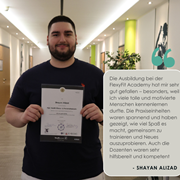
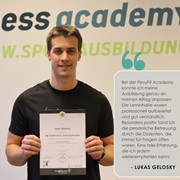
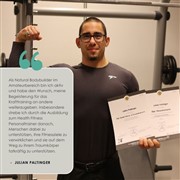
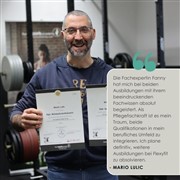
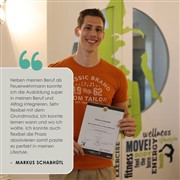

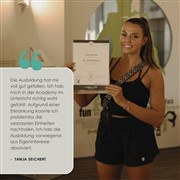
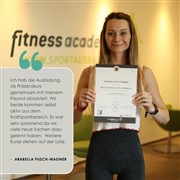

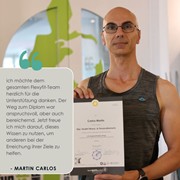
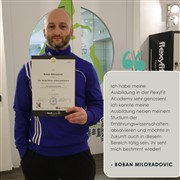
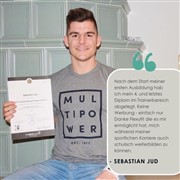

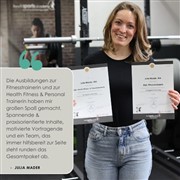
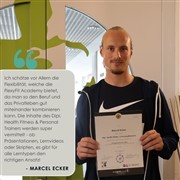
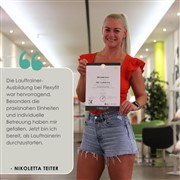

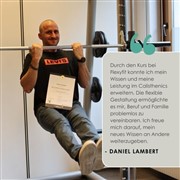

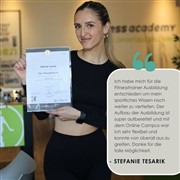


 Kursplan
 BK
BK
 AGB
AGB


 "Diplom Seniorentrainer"

 "Seniorentrainer A-Lizenz"









 WhatsApp® wechseln"
Und Sie werden direkt Zu WhatsApp®-App Weitergeleitet.
WhatsApp® wechseln"
Und Sie werden direkt Zu WhatsApp®-App Weitergeleitet.