Sehr hilfsbereit bei Fragen, telefonischer Rückruf immer freundlich
vor 27 Tagen
Jede Frage wird schnell beantwortet und bestens erklärt, alles sehr unkompliziert!
10.07.2026
Die Flexyfity Academy ist so gut aufbereitet - die Videos, die Skripte, die Prüfungen - alles ist verständlich, gut strukturiert und es hat so viel Freude gemacht hier zu lernen. Bei technischen Problemen hat sich der Support innerhalb kürzester Zeit zurückgemeldet und ich habe mich stets bestens betreut gefühlt. Auch meine Prüfungsangst war schnell verflogen, weil die Prüfungsdozentin so nett gewesen ist. Ich freue mich schon jetzt auf weiter Kurse in der Academy und empfehle sie weiter.
09.07.2026
Super und unkomplizierter Service!
15.06.2026
Super Beratung, alles hat perfekt funktioniert. Sehr freundlicher und professioneller Service. Ich freue mich schon auf die Ausbildung und kann die Betreuung nur weiterempfehlen!
14.06.2026
Sehr höfliche und sehr schnelle Beratung.
19.05.2026
Ich bin mit Flexifit sehr zufrieden.
E-Mails werden immer schnell und hilfreich beantwortet und auch telefonisch bekommt man freundliche und kompetente Auskünfte.
Ich habe auch an den Kursen teilgenommen und fand die Kurse sehr gut organisiert und interessant.
Die Vortragenden waren professionell und hilfsbereit.
Insgesamt bin ich sehr zufrieden und kann Flexifit nur weiterempfehlen.
13.05.2026
Schnelle und unkompliziert Hilfe! Der Kontakt war immer außerordentlich hilfsbereit und freundlich.
24.04.2026
Super Kundendienst
21.04.2026
Fundierte Ausbildung, aussagekräftige Skripten und Videos, toller Support!
13.04.2026
Schnell und nicht aufwendig!
01.04.2026
Sehr umfangreiche und interessante Ausbildung.
Sehr nette und kompetente Referenten.
25.03.2026
Die Inhalte sind echt toll wie auch die Trainer. Es ist unkompliziert online eine Ausbildung neben Arbeit und Kindern zu verrichten.
Wenn eine Ausbildung dann wieder über flexifit
13.03.2026
Sehr nettes und kompetentes Team. Tolle Ausbildungen. Danke Euch 🙏🏽🫶🏽
06.03.2026
Bei Rückfragen zu einem Kurs, die ich über die Chat-Funktion gestellt habe, habe ich sofort Antwort bekommen und das Angebot für ein spontanes Telefonat. Da fühlt man sich gleich mal gut aufgehoben.
Nach dem Telefonat habe ich mich gut abgeholt gefühlt und zusätzlich alle besprochenen Punkte per Email schriftlich auch noch erhalten.
Großartig!! Das war der Auslöser, dass ich den Kurs auch sofort gebucht habe
14.02.2026
Kundenservice vorab zur Bestellung durch Melanie - sämtliche Fragen wurden umfassend und sehr rasch beantwortet
10.02.2026
Eine super tolle learning Plattform. Fragen egal welches Thema werden sehr schnell beantwortet.Note 1
Neuroathletics trener B licence – tečaj na daljinu za neurotrening usmjeren na performanse
Poboljšajte svoje sportske performanse uz pomoć neuroatljetike!
Vaš upit je na putu k nama i mi
odgovoriti ćemo što je prije moguće ! Uzeli smo si slobodu poslati
poslali smo vam potvrdu na e-mail:
Molimo provjerite i svoj SPAM pretinac.
Želimo vam fleksitastičan dan!
Svi datumi tečaja
Pronađite svoj tečaj uživo
Na prvi pogled!
Neuroatletski trener – B licenca
Neuroatletska trenera B licence – vrhunske performanse kroz trening mozga
Vrhunska izvedba počinje u umu: optimalna tjelesna izvedba moguća je samo ako vaš središnji živčani sustav učinkovito obrađuje informacije iz očiju, vestibularnog sustava i tijela. S Neuroathletics B licencom naučit ćete kako ciljano trenirati upravo taj proces primanja i obrade informacija – neuronaukom utemeljen pristup koji revolucionira teoriju treninga i elitni sport.
Kako Neuroathletics poboljšava vaše sportske performanse
Pokret ima pozitivan učinak na naš mozak – neuro-centrirani trening usredotočen je na to kako to funkcionira. Kroz ciljane vježbe i metode poboljšat ćete rad vašeg živčanog sustava i mozga kako biste postigli više u svakodnevnom životu, na poslu ili u elitnom sportu. Neuroatletika se koristi u brojnim sportovima, kao i u upravljanju boli i prevenciji: mozak, živčani sustav i mišići postaju bolje povezani – to poboljšava prostorni vid, reflekse i koordinaciju te sprječava mišićne neravnoteže.
Kroz tehnike poput senzorne pripreme možete još usko povezati mozak, živčani sustav i mišiće: povezujete pozitivni podražaj s reakcijom kako bi se naknadni podražaj pri treningu bolje integrirao.
Također možete trenirati svoj mozak da reagira s manje oklijevanja – ako situaciju refleksno klasificira kao prijetnju, vaša se izvedba pogoršava. To se napetost može smanjiti, čime dobivate dragocjeno vrijeme za reakciju. Neuroatletika pomaže čak i kod ograničene pokretljivosti i problema s ravnotežom: izvođenjem pokreta polako i svjesno signalizirate mozgu da pokret nije razlog za napetost – čime proširujete svoj opseg pokreta.
Što očekivati od tečaja
Tijekom tečaja za licencu Neuroathletics trenera B ponovno ćete otkriti svoje resurse i sebe. Naučit ćete o različitim alatima neuro-centriranog treninga i saznati kako i kada ih koristiti.
Eksperimentirat ćete s uvođenjem različitih neuro-centriranih pristupa u svoj trening kako biste specifično optimizirali sportsku izvedbu.
Što možete raditi s ovom kvalifikacijom?
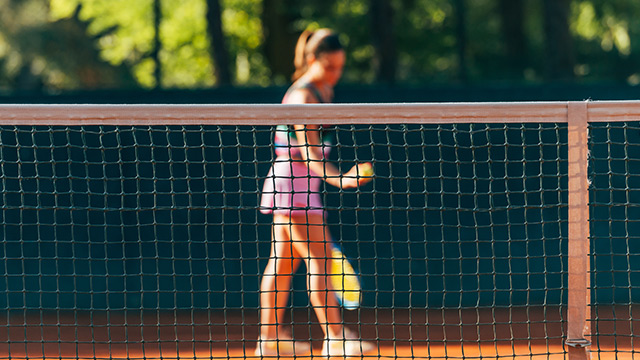
Neuroatletika se koristi u mnogim sportovima – trenutno najraširenije u tenisu, skijanju, nogometu i atletici. Vaše su mogućnosti nakon tečaja u skladu s tim brojne.
Izbor je na vama: otvorite vlastiti posao i trenirajte profesionalne sportaše do uspjeha, podržavajte amaterske sportaše u teretani, prenosite svoje znanje kroz tečajeve ili radite kao slobodni stručnjak u vlastitoj praksi – na primjer, s osobama koje imaju ograničen opseg pokreta ili problema s ravnotežom.
Što vam je potrebno za početak
Online ili pisana prijava
Osnovna tjelesna sprema (iskustvo s opremom u teretani ili članstvo u teretani su prednost)
Minimalna dob od 18 godina (mlađi od 18 godina uz pisanu suglasnost roditelja)
Uređaj s pristupom internetu i kamerom
Stabilna internetska veza
Učenje na daljinu – s opcionalnim licem u lice susretima
Ovu obuku možete fleksibilno završiti putem učenja na daljinu – vlastitim tempom, kad god i gdje god želite. Želite li više osobne interakcije i praktičnog iskustva?
U bilo kojem trenutku možete rezervirati individualne susrete uživo s našim stručnjacima i osobno vježbati neuro-centrirane alate. To vam omogućuje da kombinirate fleksibilnost online učenja s praktičnim prednostima susreta uživo.
Vaša kvalifikacija i certifikat
Naši su certifikati važeći diljem svijeta. Na zahtjev ih možete dobiti na nekoliko jezika (njemački, engleski, španjolski), s informacijama specifičnim za pojedinu zemlju i, po želji, s ocjenama ili bez njih.
Sve verzije dostupne su za besplatno preuzimanje doživotno putem vašeg online kampusa. Ovisno o paketu za učenje koji odaberete, također ćete dobiti visokokvalitetnu svjedodžbu s reljefnim slovima na posebnom papiru.
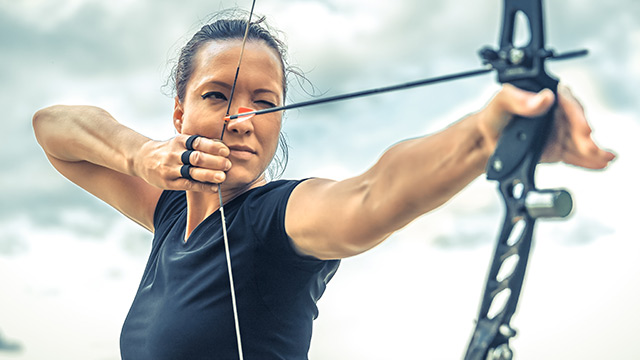
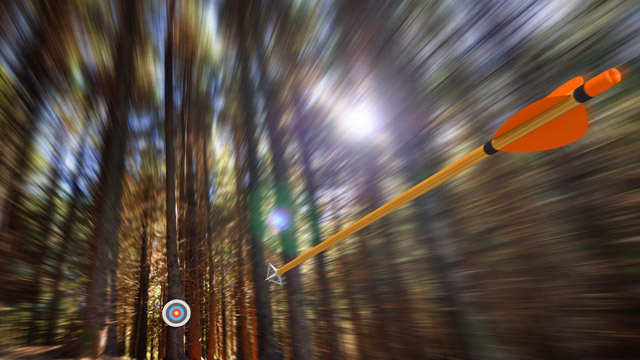
"Licenca B trenera za sportsku neuro-atletiku"
Želite li ojačati svoju mentalnu snagu?
Želite li se još dublje posvetiti mentalnom aspektu? Tada savršeno kombinirajte svoju obuku s licencom Sports Mental Coach B – na taj način ćete povezati tijelo i um za maksimalne performanse.
Sadržaj tečaja – Što ćete naučiti na programu obuke
obuhvat učenja
411 E |
obuhvat
SPK
200
sportski talent
Engleski
171
E-učenje | Samostalno učenje
Odgovor
6
pretraga literature
TE
30
Praktična implementacija
AE
4
Dodatni zadaci i ispiti
Naši tečajevi obuke općenito su prihvatljivi za financiranje. Relevantno tijelo za financiranje odlučit će hoće li vaš zahtjev za financiranje biti odobren.
Rado ćemo vam pomoći sastaviti sve potrebne informacije o tečaju koje će vam trebati za zahtjev za financiranje.
Naravno, bit ćemo vam na raspolaganju kako bismo vas savjetovali tijekom cijelog procesa i vodili vas od vašeg prvog upita pa sve do predaje vaše prijave. Javite nam se – pobrinut ćemo se da budete što bolje pripremljeni!
Ovdje ćete pronaći detaljan pregled svih modula, predmeta i poglavlja koja su uključena. Otkrijte cjelokupnu strukturu i opseg tečaja te steknite jasan uvid u obrađeni sadržaj.
modul sportski talent
anatomija
Obučavamo najbolje trenere u fitness industriji. Pratimo i podržavamo naše polaznike od početka do kraja i dalje.
Funkcionalna anatomija je temelj svakog trenera u sportskom i zdravstvenom sektoru. Ovaj specijalistički tečaj pruža vam sveobuhvatan uvid u anatomiju ljudskog tijela i osigurava vam dubinsko znanje.
Tečaj je osmišljen da bude što živopisniji i razumljiviji , uz pomoć raznih nastavnih i učenjskih tehnika – prilagođen potrebama fitness i osobnih trenera.
Cilj je prepoznati veze između slijedova pokreta i razumjeti najvažnije latinske stručne izraze.
fiziologija
Dobro razumijevanje ljudske fiziologije i povezanih tjelesnih funkcija nužan je preduvjet za sve trenere koji rade u području sporta da bi adekvatno obavljali svoj posao.
Ovaj tečaj pomoći će vamrazumjeti međusobne odnose unutar ljudskog organizma. Pridružite nam se na putovanju kroz ljudsko tijelo i saznajte o funkcijama organizma za vašu novu karijeru u sportu.
Kurs na praktičan i uzbudljiv način istražuje opskrbu mišića energijom, kardiovaskularni i respiratorni sustav.
Dobro sportsko obrazovanje počinje s osnovama anatomije i fiziologije.
teorija treninga
Prvi dio tečaja obuke obuhvaća osnove treninga, kao što su principi treninga, principi dizajna treninga, metode treninga i čimbenici koji utječu na sportsku izvedbu. Budući da su izvedba, dijagnostika izvedbe, trening i natjecanje usko međusobno povezani, u tečaju se obrađuju u skladu s tim.
U drugom dijelu kolegija teorije treninga trening se definira i ocjenjuje kao složen proces djelovanja u vezi s planiranjem, izvođenjem i evaluacijom. Važan dio teorije treninga i dalje je izrada plana treninga, koja se podučava na praktičan način koristeći primjere mogućnosti izrade plana treninga.
Kako bismo još dublje zašli u znanost o treningu, razvili smo dodatnu video radionicu na temu treninga na visokoj nadmorskoj visini s vrhunskim međunarodnim predavačima kao što je prof. emer. dr. phil. dr. med. dr. h.c. Jürgen Weineck.
Sportska psihologija – komunikacija i motivacija
Ovaj tečaj priprema sudionike za uspješnu komunikaciju s kupcima na svim razinama. Sudionici će također naučiti ispitivati vlastite ciljeve i motive kako bi bolje razumjeli ciljeve i motive svojih kupaca.
Postavljanje pravih ciljeva i ispravno davanje povratnih informacija također su dio tečaja!
Sudionici također uče o upravljanju stresom i raznim strategijama učenja kako bi ih mogli primijeniti nakon završetka tečaja.
Rad usmjeren na kupca
Radna jedinica usmjerena na kupca ima za cilj pružiti polaznicima tečaja uvid u marketing kako bi se mogli dobro pozicionirati na tržištu kao treneri i olakšati svoj ulazak na tržište.
U tu svrhu prvo definiramo što marketing zapravo jest i zašto je relevantan i za osobne trenere. Osim toga, objašnjeni su uobičajeni marketinški pojmovi kao što su USP, korist, pozicioniranje itd. te različiti marketinški modeli poput SMART formule, marketinškog miksa 4P i drugih.
Komunikacija između trenera i klijenata naravno nije zanemarena u ovoj cjelini. Uvedeni su različiti aspekti komunikacije i pravila za uspješnu komunikaciju te su dati primjeri.
Do kraja ove cjeline polaznici tečaja trebali bi biti u stanju pozicionirati sebe i svoj proizvod ili uslugu na tržištu koristeći marketinšku strategiju i uspješno ga prodati.
Prva pomoć i sportske ozljede
Budući da su ozljede u sportu česte , važno je znati uzroke i posljedice najčešćih ozljeda. U slučaju nesreće, osobni trener mora biti u stanju brzo i ispravno reagirati!
Štoviše, razumijevanje različitih obrazaca ozljeda pomaže u njihovoj prevenciji.
Osnove promicanja zdravlja na radnom mjestu
U mnogim tvrtkama promocija zdravlja na radnom mjestu postala je popularna metoda poboljšanja zdravlja zaposlenika, prevencije bolesti i time povećanja dobrobiti zaposlenika.
Uvod u promociju zdravlja na radnom mjestu objašnjava zašto je ona toliko važna, iznosi izazove promocije zdravlja na radnom mjestu i raspravlja o uobičajenim organizacijskim bolestima.
Osim toga, polaznici tečaja uče o čimbenicima uspjeha promocije zdravlja na radnom mjestu, prednostima za zaposlenike i tvrtku te, naravno, o najboljim praksama i alatima.
U tu svrhu predstavljena su različita područja djelovanja i mjere, a polaznicima tečaja se također objašnjava kako započeti s radom u takvim tvrtkama, razvijati koncepte i razjasniti druga važna organizacijska pitanja. Polaznicima se prikazuju praktični primjeri, a također imaju priliku primijeniti ono što su naučili tijekom grupnog rada.
prehrana
U općoj sportskoj prehrani naši sudionici upoznaju osnove prehrane.
Kao osnovu raspravlja se o sastavu naše prehrane s makro- i mikronutrijentima, kao i o ravnoteži vode. Kako bi se razumjeli različiti međusobni odnosi, energetska ravnoteža detaljno se razmatra.
Nadalje se raspravlja o učinku pojedinih prehrambenih sastojaka na ljudsko tijelo i njihovoj važnosti u sportu .
modul Neuroatletika i motorička kontrola
Uvod u neuroatletski trening
Svaki pokret koji svakodnevno činimo – bilo danju ili noću – utječe na naš mozak. I fizičke aktivnosti, poput vožnje bicikla ili sportova izdržljivosti, i mentalne aktivnosti, poput sviranja klavira, utječu na njega.
Pravilna vrsta vježbanja potiče koncentraciju i pamćenje stvaranjem veze između lijeve i desne hemisfere mozga. Znanstveno je dokazano da to može pomoći u prevenciji bolesti poput demencije i Alzheimerove bolesti.
Neuroatletika se temelji na konceptu jačanja veza između mozga i mišića korištenjem inteligentnog i cjelovitog programa treninga. Cilj tog programa je poboljšati neuronske i motoričke vještine.
U ovoj temi polaznici uče definiciju neuro-centriranog treninga i stječu uvid u trenutnu podjelu na dva smjera: neurofiziološki trening i neurokinetički trening. Neurofiziološki fokus usredotočen je na trening središnjeg živčanog sustava radi poboljšanja motoričkih vještina. S druge strane, neurokinetički fokus usmjeren je na razvoj pokreta i motoričkih vještina. Neuroatletika može pomoći sportašima da ojačaju mišiće, povećaju fleksibilnost i poboljšaju koordinaciju. Neuroatletika također može pomoći u prevenciji ozljeda poticanjem neuralne aktivacije tijela.
Ovaj tečaj je pogodan za sve sportaše koji žele povećati svoje performanse i dobrobit, kao i za trenere koji žele proširiti svoje znanje i ponudu usluga.
Funkcionalna neuroanatomija
Kako bi izvršio jednostavno čučanje, mozak koristi razne podatke iz okoline uz tehniku vježbe. Te informacije dopiru do mozga putem receptora, nudeći brojne mogućnosti za pozitivno ili negativno utjecanje na kvalitetu tih podataka.
Kada mozak primi optimalne informacije o okolini, može u skladu s tim prilagoditi tjelesne funkcije i time povećati sportsku izvedbu. Treneri neuroatljetike pomažu sportašima poboljšati protok informacija. To uključuje vježbe poput povećanja pažnje i koncentracije, poboljšanja koordinacije i sekvenci pokreta, poticanja tjelesne svijesti i podrške učenju.
Cilj ovih vježbi je poboljšati komunikaciju između mozga i tijela te obnoviti optimalno funkcioniranje središnjeg živčanog sustava. To povećava osjetljivost tijela na okruženje, što dovodi do poboljšanih rezultata kod sportaša. Osim toga, to doprinosi cjelokupnom poboljšanju sportskih performansi jer se sportaši bolje mogu nositi sa stresnim situacijama i brže se oporavljati.
U ovoj temi polaznici dublje pronalaze u neuroanatomiju i obrađuju teme "receptori i periferni živci". Osim toga, detaljno se proučava anatomija mozga i uče se funkcije područja mozga.
Sudionici također uče kako mozak obrađuje i pohranjuje informacije te kako kontrolira motoričke i osjetilne funkcije.
Sustavi za kontrolu gibanja
Informacije iz okoline igraju ključnu ulogu pri izvođenju pokreta. Ljudski mozak kombinira naučenu tehniku vježbe s trenutnim uvjetima okoline kako bi izveo pokret.
Ovo se odnosi i na vođene vježbe i na svakodnevne aktivnosti. Kod vođenih vježbi uvjeti okoline se obično uzimaju u obzir. Međutim, oni se također mogu zanemariti. Prilikom treninga je, međutim, važno uzeti u obzir uvjete okoline jer oni mogu utjecati na izvedbu.
Ovaj tečaj predstavlja i objašnjava neuroatletske metode treninga s pomagalima i bez njih. Objašnjava njihovu svrhu i na što treba obratiti pozornost tijekom treninga. Polaznici uče o sustavima kontrole pokreta i obradi informacija te dobivaju upute za vježbanje tih sustava u praksi.
Vježbe za cijelo tijelo usmjerene na živčani sustav
Neuroatletski treneri posebno su osposobljeni kako bi pomogli sportašima i drugim aktivnim pojedincima da dosegnu i nadmaše svoj puni potencijal. Njihov je fokus na neurološkoj optimizaciji pokreta. To znači da se usredotočuju na poboljšanje sposobnosti sportaša da se kreću brzo, učinkovito i precizno te da reagiraju na nove situacije.
U ovoj temi sudionici uče kako neurološke komponente pokreta utječu na cjelokupan program treninga. U tu svrhu koriste se sljedeće četiri osnovne vježbe za cijelo tijelo, koje kombiniraju optimalnu kombinaciju snage, fleksibilnosti, koordinacije i kondicije: čučnjevi, iskoraci, sklekovi i veslanje s šipkom.
Svaka od ovih vježbi se proučava i analizira pomoću neurocentrične metode treninga. Polaznici uče kako pravilno izvoditi vježbe i koji se mišići aktiviraju tijekom svake vježbe. Također dobivaju savjete o tome kako varirati i intenzificirati vježbe, što pomaže u poboljšanju performansi i sprječavanju ozljeda.
Dostupne opcije učenja za ovaj program obuke
Neuroatletski trener – B licenca
IZABRANOučenje na daljinu€ 792,00umjesto€ 990,00
istaknuto
jezik podučavanja
DE, EN
specijalistički modul
Online + tehnička rasprava
Sportska stručnost (online)
Sportska kompetencija (prisutnost)
Opcionalno rezervabilno
Sportska stručnost Full HD edukativni videozapisi
314
Full HD edukativni videozapisi o neuroatletici
sedamdeset i šest
Tečaj uključen
B-licenca
Tip učenja | Metoda učenja
varijanta učenja
na mreži
metoda učenja
vizualno
slušni i vizualni tip učenja
preporučeno
komunikativni i motorički tip učenja
prikladan
vrijeme za učenje
fleksibilan
Podrška u učenju (# sveobuhvatno)
Skripte i dokumenti kao PDF datoteke
Predavanja se mogu rezervirati kao praktični dani.
Podrška putem online kampusa, e-pošte, chata i telefona
WhatsApp i podrška na licu mjesta
simulirani ispiti
bonus moduli
NADA Austrija
Trening na visini - Prof. DDDr. Weineck
rezervabilan
Ispit/Završetak
SPK online ispit sredinom semestra
završni ispit
fleksibilan datum
Certifikat iz njemačkog, engleskog i španjolskog jezika
Certifikat je važeći širom svijeta i neograničeno
Račun akademije (sve uključeno)
Online kampus dostupan doživotno
Besplatni demo račun / paket za isprobavanje
Kopije dokumenata dostupne za preuzimanje kao PDF datoteke
Potvrde s provjerom autentičnosti (QR kod)
promocija
mogućnosti financiranja
do 100%
Odmor za obrazovanje (AT)
Podrška tvrtkama
Podrška samozaposlenima
savjetovanje o izboru predmeta
neobvezujuće
Procjena troškova za agenciju za financiranje
pogodnost
posredovanje pri zapošljavanju
opsežne mogućnosti za obuku
Apsolutno najbolja cijena i raspon usluga
IZABRANOučenje na daljinu€ 792,00umjesto€ 990,00
istaknuto
jezik podučavanja
DE, EN
specijalistički modul
Online + tehnička rasprava
Sportska stručnost (online)
Sportska kompetencija (prisutnost)
Opcionalno rezervabilno
Sportska stručnost Full HD edukativni videozapisi
314
Full HD edukativni videozapisi o neuroatletici
sedamdeset i šest
Tečaj uključen
B-licenca
Tip učenja | Metoda učenja
varijanta učenja
na mreži
metoda učenja
vizualno
slušni i vizualni tip učenja
preporučeno
komunikativni i motorički tip učenja
prikladan
vrijeme za učenje
fleksibilan
Podrška u učenju (# sveobuhvatno)
Skripte i dokumenti kao PDF datoteke
Predavanja se mogu rezervirati kao praktični dani.
Podrška putem online kampusa, e-pošte, chata i telefona
WhatsApp i podrška na licu mjesta
simulirani ispiti
bonus moduli
NADA Austrija
Trening na visini - Prof. DDDr. Weineck
rezervabilan
Ispit/Završetak
SPK online ispit sredinom semestra
završni ispit
fleksibilan datum
Certifikat iz njemačkog, engleskog i španjolskog jezika
Certifikat je važeći širom svijeta i neograničeno
Račun akademije (sve uključeno)
Online kampus dostupan doživotno
Besplatni demo račun / paket za isprobavanje
Kopije dokumenata dostupne za preuzimanje kao PDF datoteke
Potvrde s provjerom autentičnosti (QR kod)
promocija
mogućnosti financiranja
do 100%
Odmor za obrazovanje (AT)
Podrška tvrtkama
Podrška samozaposlenima
savjetovanje o izboru predmeta
neobvezujuće
Procjena troškova za agenciju za financiranje
pogodnost
posredovanje pri zapošljavanju
opsežne mogućnosti za obuku
Apsolutno najbolja cijena i raspon usluga
Osnovne informacije o opcijama učenja:
Sadržaj obuke je isti za svaku opciju učenja.
Razdoblje ispita, trajanje obuke i postupak ispita ne ovise o varijanti učenja.
Možete nadograditi s opcije "učenje na daljinu" na nastavu u učionici ili individualnu nastavu. Također se mogu dodati pojedinačni blokovi modula.
Uz opciju učenja "licem u lice", možete rezervirati i završiti pojedinačne blokove u individualnim satovima.
Konačni certifikat je isti bez obzira na to koju ste opciju učenja odabrali za dovršetak tečaja.
Vaš Academy račun i sadržaj za učenje ionako će vam biti dostupni doživotno.
Model licenciranja u industriji fitnessa počeo se uspostavljati 1980-ih. Točno vrijeme može varirati ovisno o regiji, ali rastuća popularnost fitnessa i zdravstvenih treninga dovela je do naglog porasta potražnje za kvalificiranim stručnjacima. To je učinilo nužnim postavljanje standarda za obuku trenera i priznavanje njihovih kvalifikacija.
Razvoj licencijskog modela uvelike je potaknut profesionalizacijom i rastom fitness industrije. U zemljama poput SAD-a, Njemačke i drugih zemalja zapadne Europe, posebno, uveden je sustav certifikata i licenci kako bi se osiguralo da fitness treneri imaju temeljito znanje iz područja kao što su anatomija, teorija treninga, prehrana i sigurnost.
U Njemačkoj je, na primjer, uvedena B licenca kao osnovna kvalifikacija za fitness trenere, nakon čega su uslijedile više razine poput A licence. Cilj uvođenja takvih modela bio je osigurati kvalitetu i sigurnost u fitness sektoru te potrošačima pružiti smjernice pri odabiru kompetentnog trenera. Od tada se model licenciranja nastavio razvijati kako bi zadovoljio rastuće zahtjeve i nove trendove u fitness sektoru.
Modeli licenci (C, B, A) široko su rasprostranjeni u fitness industriji, ali nisu državom priznate kvalifikacije za fitness trenere. Dodjeljuju ih privatne obrazovne ustanove ili fitness udruge i ovise o njihovom ugledu. Smatraju se stručnom obukom, ali ne i formalnom državnom kvalifikacijom. Nažalost, modeli licenci nisu standardizirani i stoga ih je teško usporediti između pojedinih privatnih obrazovnih ustanova. Općenito se ocjenjuju prema razini učenja, počevši od C licence.
Hoće li se modul sportske kompetencije uračunati u trošak daljnje obuke ako sam ga već završio?
Modul sportske kompetencije nije višestruko uključen u naše tečajeve. Ako ste ga već završili, vaši će se rezultati ispita naravno priznati. Nema popusta na cijenu jer se modul ne naplaćuje ponovno u drugim tečajevima. Prednost za vas je što štedite vrijeme i možete se usredotočiti na novi sadržaj.
Što znači kombinirano učenje?
Blended learning znači da se dio obuke može završiti putem e-učenja. Imate mogućnost završiti teorijski modul"Sportske kompetencije"kao tečaj na daljinu, tj. možete učiti o sportskim kompetencijama od kuće uz naše online videozapise za učenje.
Nakon registracije na jedan od naših tečajeva primit ćete podatke za pristup svom računu u Online Akademiji i možete odmah početi s online videozapisima za učenje. Opcija kombiniranog učenja idealna je za zaposlene osobe i profesionalce.
Koja je razlika između diploma i A licence tečajeva?
Razlika leži isključivo u nazivu. Titule s oznakom "Diplom" ili "Dipl." mogu dodjeljivati samo sveučilišta u Njemačkoj. U Austriji, pojam "Diplom" zahtijeva standardiziranu obuku. Stoga se taj pojam može slobodno koristiti ako je završena odgovarajuća obuka.
U Njemačkoj su tečajevi u sektoru fitnessa označeni licencnim titulama. Po uzlaznom redoslijedu postoje licence C, B i A. Diplomski tečajevi u Austriji odgovaraju tečajevima A licence u Njemačkoj.
Koja je razlika između A licence/diplome i B licence?
Diploma/A licenca je proširena verzija treninga B licence .
B licencu preporučujemo prije svega za optimizaciju vlastitog treninga i upoznavanje s temama vezanim uz zdrav život. A licence tečajevi dobro su pogodni za početak karijere u dotičnom području.
Program obuke za fitness trener B licence se završava kao tečaj na daljinu, tj. cijelu obuku možete završiti od kuće.
Kako funkcionira trening?
Svi naši tečajevi obuke slijede ovih 8 koraka:
Prijavite se za željeni tečaj online ili putem obrasca za prijavu
Nakon registracije primit ćete potvrdu o registraciji i podatke za pristup vašem računu na Online Akademiji putem e-pošte.
Ovisno o varijanti tečaja, vaša obuka započinje odmah ili u željeno vrijeme početka.
Materijali za tečaj, informacije i videozapisi za online učenje dostupni su za učenje na vašem računu u Online Akademiji
Faza učenja: ili u učionici ili e-učenje , ovisno o varijanti tečaja
Polagajte ispite: vi odlučujete kada ste spremni za ispite; datumi ispita održavaju se redovito na odgovarajućim ispitnim lokacijama
Sustav provjere znanja: međuispit i završni ispits višestrukim izborom
Nakon uspješnog polaganja ispita dobit ćete svoj certifikat/diplomu
Postoje li kakvi uvjeti za sudjelovanje na tečajevima?
U načelu nema preduvjeta za sudjelovanje na našim tečajevima ili radionicama.
Srednjoškolska diploma ili druge kvalifikacije nisu potrebne. Ne trebate ni prethodno znanje, jer naš osnovni modul sportske kompetencije konsolidiruje vaše temeljne spoznaje i dobro vas priprema za odgovarajući specijalistički modul.
Međutim, preporučujemo da prije naših tečajeva obavite test tjelesne spreme kako biste bez oklijevanja mogli sudjelovati u svim vježbama.
Također preporučujemo da sudionici imaju najmanje B2 razinu njemačkog jezika, jer bi im se inače tečajevi mogli pokazati previše složenima zbog svoje tehničke specijalizacije.
Ako ste mlađi od 18 godina, potrebna vam je i izjava o suglasnosti roditelja ili skrbnika.
Koje ću materijale dobiti da mi pomognu pri učenju gradiva?
Nakon registracije dobit ćete pristup svom računu na online akademiji, gdje su pohranjeni svi materijali za obuku. Tamo ćete pronaći skripte i prezentacije korištene na nastavi, kao i videozapise za online učenje koji će vam pomoći u učenju.
Slobodno kreirajte demo račun kako biste dobili pregled sadržaja: DEMO PRISTUP
Ako završim dodatnu obuku, hoću li za to dobiti bodove?
Ako ste već završili obuku kod nas i zanima vas drugi tečaj, modul Sports Competence bit će vam priznat.
Što se događa ako se razbolim tijekom faze prisustva?
Ako se razbolite tijekom faze prisustva, možete besplatno nadoknaditi propušteni termin.
Pošaljite nam potvrdu o bolovanju za dotično razdoblje i mi ćemo vam aktivirati besplatne zamjenske termine koje možete sami rezervirati putem svog računa na Online Akademiji.
Sadrže li licence isti sadržaj u svakom institutu za obuku?
Općenito je teško usporediti institute za obuku u sektoru fitnessa i zdravlja, jer svaki institut za obuku može sam odlučiti na koja područja će se usredotočiti i kako će se nazivati program obuke. Najbolji način za usporedbu je pogledati broj nastavnih jedinica i sadržaj predmeta. Ako vam je potrebna pomoć, rado ćemo vam pomoći!
TÜV EN ISO 9001 Naš sustav upravljanja kvalitetom certificirao je certifikacijsko tijelo TÜV Austria Cert GmbH, poznato pod oznakom EN ISO 9001. To znači da su strukturi našeg instituta za obuku certificirane.
Ö-Cert Postoje neki pružatelji usluga koji opisuju svoje tečajeve kao "certificirane prema Ö-Certu". Laik bi pogrešno mogao vjerovati da je cijeli tečaj certificiran. Nažalost, to nije točno. Svaka osoba koja dobije Ö-Cert kao pružatelj obuke certificirana je kao pružatelj kvalitetnih usluga u obrazovanju odraslih i stoga je uvrštena na popis agencija za financiranje za podnošenje zahtjeva za financiranje u Austriji.
Individualna nastava One2One znači da obavljate obuku sa stručnim predavačem po vašem izboru u satovima jedan na jedan. To znači da dobivate njihovu punu pažnju.
Za koga su privatni satovi prikladni?
Individualni satovi osobito su prikladni za zaposlene osobe s gustim rasporedom koje ne mogu redovito prisustvovati na propisanim danima pohađanja. Ako ste također komunikativni i motorički orijentirani učenik, individualni satovi s fleksibilnim izborom termina i lokacija nude savršenu opciju obuke za vas.
Kako se mogu prijaviti za individualne One2One satove?
Odaberite One2One tečaj i rezervirajte ga online na našoj web stranici.
U svom Flexyfit Online kampusu odaberite željenogpredavača za svaki pojedinačni modul rezerviranog tečaja i dogovorite termin.
Gdje se održavaju satovi?
Mjesto održavanja nastave možete sami dogovoriti. To znači da je One2One obuka dostupna gotovo svugdje. Mnogi naši specijalizirani predavači pokrivaju cijele savezne države.
Za početni pregled , evo odabira naših lokacija. Ako kliknete na lokaciju, vidjet ćete i odgovarajuće stručne predavače.
Kada se održavaju satovi i kada mogu započeti One2One satove?
Kada rezervirate željeni One2One tečaj, možete započeti s obukom u bilo kojem trenutku .
U svom Flexyfit Online kampusu možete odabrati željenog specijalističkog predavača za svaki pojedinačni modul vašeg rezerviranog tečaja. Specijalistički predavač će vas osobno kontaktirati i možete dogovoriti željenu lokaciju i datum.
Zašto vam je potreban kod nakon rezervacije termina?
Kod je potreban za provjeru je li se održala One2One sesija. Stoga molimo da uvijek ponesete odgovarajući kod na nastavu i predate ga predavaču na kraju sesije.
Koliko dugo traje obuka?
Trajanje ovisi o vrsti obuke i brzini polaganja ispita. Budući da možete rezervirati datume pojedinačno, na vama je koliko brzo ćete polagati ispite. Naš navedeni rok je jedna godina od posljednjeg dana pohađanja.
Međutim, prednost odabira vlastitih datuma je u tome što možete završiti obuku puno brže nego kod opcije s nastave u učionici . Na kraju krajeva, trajanje ovisi o vama.
Kako je obuka strukturirana u varijanti podučavanja One2One?
Svi naši tečajevi obuke uključuju osnovni teorijski modul o sportskoj kompetenciji, koji se sastoji od anatomije, teorije treninga, fiziologije i još mnogo toga. Ovaj modul možete završiti iz udobnosti vlastitog doma uz pomoć videozapisa za učenje i skripti na vašem Flexyfit Online Campus .
Odabrani praktični moduli potom se pohađaju na individualnim satovima. Položaj međupredmetnih ispita iz predmeta sportske kompetencije preduvjet je za prijavu na praktične završne ispite.
Gdje će se održati ispit?
Nakon završetka obveznih kolegija i polaganja međuispitnih ispitivanja , putem vašeg online kampusa možete dogovoriti termin ispita s predavačem po vašem izboru. S tim predavačem ćete na željenoj lokaciji i u željeno vrijeme polagati praktični završni ispit.
Razdoblje ispita ovisi o vrsti tečaja i metodi učenja.
Za tečajeve na daljinu predviđen je ispitni rok od 6 mjeseci, koji se po potrebi može besplatno produljiti za dodatnih 6 mjeseci.
Za tečajeve u učionici, razdoblje ispita traje 12 mjeseci od posljednjeg dana pohađanja.
Nakon isteka odgovarajućeg razdoblja za polaganje ispita možete rezervirati dodatna 3 mjeseca za 150 £. Ta 3 mjeseca mogu, ali ne moraju, slijediti odmah nakon razdoblja obuke. Međutim, moraju se iskoristiti unutar 12 mjeseci od isteka redovnog razdoblja za polaganje ispita. Ukupno je moguća 4 produljenja razdoblja za polaganje ispita.
Kako se provode teorijski ispiti?
Svaki tečaj obuke uključuje modul sportske kompetencije, koji pokriva teorijske aspekte poput sportske anatomije, fiziologije, teorije treninga itd.
Svi predmeti u modulu sportske kompetencije i predmeti u tečajevima mogu se polagati kao online privremeni ispiti putem vašeg Academy računa. Ne postoji određeni redoslijed za pojedinačne ispite u modulu sportske kompetencije.
Online ispite možete započeti u bilo kojem trenutkunakon dovršetka verifikacije (otpremu ID-a). Imate najviše 60 minuta po predmetu ispita. Za svako pitanje na ispitu dostupno je najviše 40 sekundi.
Kako biste pristupili online prijelaznim ispitima iz kolegija Sportske kompetencije, prvo morate položiti sve ispite iz te discipline.
Moram li također znati latinske izraze za ispitivanja?
Naravno, vi ste profesionalac i stoga biste trebali znati kako tijelo funkcionira i kako različite vježbe utječu na mišiće, zglobove itd.
Posebno biste trebali moći navesti početke i pristupne točke mišića. Kako biste se pripremili za ispit, skripta iz anatomije sadrži popis cjelokupnog rječnika dijelova tijela, lokacija, smjerova i veličina.
Kako da znam jesam li spreman za ispit?
Za teorijske ispite može se polagati jedan probni ispit po predmetu. On se provodi na isti način kao i stvarni ispit, ali postotak ostvaren na njemu ne računa se u konačnu ocjenu. To vam omogućuje da steknete prvi dojam o sustavu ispita (kako su pitanja formulirana, koliko imate vremena po pitanju itd.) i provjerite jeste li se već dovoljno pripremili.
Kako se provode praktični završni ispiti?
Kandidate ispituje ispitivač koji postavlja pitanja o sadržaju tečaja. Pitanja se moraju usmeno odgovoriti, a odgovori praktično pokazati i objasniti !
Ispitivač dodjeljuje bodove za svako pitanje. Za prolaz je potrebno osvojiti najmanje 50 % maksimalno mogućih bodova.
Lokaciju i vrijeme ispita moguće je samostalno rezervirati putem Akademijskog računa čim se dovrše svi online međuispiti i, ako je navedeno, praktične cjeline. ili predani.
Koji postotak trebam imati da bih položio ispit?
Da biste položili ispit, morate ostvariti najmanje 50% bodova. Skala ocjenjivanja je sljedeća:
s izvrsnim rezultatima (90–100% ostvarenih bodova)
s vrlo dobrim rezultatima (80–89% ukupnih bodova)
s dobrim rezultatima (70–79% ukupnih bodova)
Položio (50–69% ukupnih bodova)
Neuspjeh (manje od 50% ukupnih bodova)
Što se događa ako ne položim ispit?
Imate dva pokušaja po ispitu, koja su uključena u školarinu. Ako ne položite ispit ni u jednom od dva pokušaja, morate platiti naknadu za ispit prije nego što možete pristupiti novom pokušaju. Naknada za ispit ovisi o vrsti ispita.
Moguće je najviše pet pokušaja po predmetu (ispit po narudžbi).
Za plaćanje tečajeva u učionici na rate potreban je polog od 600 €.
.
Za tečajeve čija je cijena između 1.000 i 2.000 eura moguće je plaćanje u 5 mjesečnih rata.
Od 2.001 do 3.000 funti moguće je 10 mjesečnih rata. Od 3001 £, moguće je 15 mjesečnih rata (bez kamata ili dodatnih troškova).
Od 3001 £, moguće je 15 mjesečnih rata (bez kamata ili dodatnih troškova).
Za obročno plaćanje tečajeva za učenje na daljinu nije potreban polog.
Moguće je 6 mjesečnih rata
Može li račun biti izdan na ime tvrtke?
Da, naravno da je to moguće. Jednostavno nam dostavite podatke o naplati tvrtke.
Zatim ćemo izdati račun s traženim podacima .
Mogu li dobiti financijsku potporu za obuku?
Naši tečajevi ispunjavaju uvjete za financiranje. Međutim, odluku o odobrenju financiranja donose nadležne institucije, a ne mi. Na vaš zahtjev rado ćemo vam dostaviti sve informacije o tečaju potrebne za prijavu na financiranje. Prijavu za financiranje morate sami podnijeti agencijama za financiranje.
Pregled najvažnijih agencija za financiranje možete pronaći ovdje.
Kako funkcionira financiranje?
Ovisno o instituciji koja financira, troškovi obuke bit će pokriveni izravno nakon potvrde prijave za financiranje (npr. AMS) ili će vam biti u potpunosti ili djelomično nadoknađeni nakon uspješnog završetka obuke (npr. waff). Molimo vas da izravno kontaktirate institucije koje financiraju kako biste saznali kako financiranje funkcionira.
Postoji li garancija povrata novca?
Flexyfit ne nudi doslovno jamstvo povrata novca, ali nudi pravo na odustajanje.
Na temelju Zakona o prodaji na daljinu i izvan poslovnih prostorija (FAGG) u skladu s § 1 KSchG, sudionici imaju pravo odustati od kupnje tečaja u roku od 14 dana bez navođenja razloga.
Zato račun (ili prvi račun u slučaju plaćanja na rate) šaljemo tek nakon dva tjedna. To znači da polaznici ne snose nikakve troškove ako se povuku iz ugovora unutar tih dva tjedna.
Ako je tečaj plaćen vaučerom, iznos vaučera bit će vraćen na vaučer prilikom odustajanja od ugovora. Ako je vaučer kupljen unutar posljednjih 14 dana, iznos vaučera također se može vratiti. Inače, vaučer se može iskoristiti za drugi Flexyfit tečaj.
Da, redovito organiziramo promocije u kojima se online tečajevi mogu rezervirati izravno, ili nudimo popuste na kupone koji se potom mogu iskoristiti za tečajeve uživo, webinare i radionice.
Redovito provjeravajte našu stranicu s popustima ili pitajte naše osoblje o trenutačnim promocijama.
Jesu li tečajevi obuke prikladni za obrazovni dopust?
Želite li završiti tečaj fitnessa i osobnog trenera ili sličan tečaj kod nas? Znamo da to često može biti teško uskladiti s poslom. Međutim, postoji mogućnost uzimanja pauze u karijeri – poznate kao obrazovna dopust.
Imamo dobre vijesti za vas, jer je većina naših tečajeva pogodna za obrazovni dopust.
Isplanirajte svoj obrazovni dopust s nama već danas! Rado ćemo s vama razgovarati o vašim individualnim potrebama za obuku na osobnom, neobvezujućem savjetovanju.
Tko ima pravo na obrazovni dopust?
Svaki zaposlenik koji je u radnom odnosu, neprekidno zaposlen kod svog poslodavca najmanje šest mjeseci i podliježe osiguranju za slučaj nezaposlenosti.
Kako se može koristiti obrazovna dopust?
Možete uzeti obrazovni dopust u trajanju do jedne godine unutar razdoblja od četiri godine – postoje tri opcije:
12 mjeseci obrazovnog dopusta
Odmor za obrazovanje može se podijeliti, ali svaki dio mora trajati najmanje 2 mjeseca. Dijelovi se moraju iskoristiti unutar 4 godine.
Odmor za obrazovanje uz polu-radno vrijeme raspoređen na 2 godine
Koji su neophodni uvjeti?
Važno je da vaš poslodavac pristane na obrazovni dopust!
Morate dostaviti dokaz o obrazovnim planovima koje smo izdali, u trajanju od 20 sati tjedno za obrazovni dopust s punim radnim vremenom ili najmanje 10 sati za obrazovni dopust s nepunim radnim vremenom.
Morate redovito dokazivati svoj napredak u programu obuke. Na primjer, u obliku ispita ili potvrda o prisustvu koje izdamo mi.
Gdje mogu podnijeti zahtjev za obrazovni dopust?
Možete se prijaviti za obrazovni dopust izravno putem svog eAMS računa ili dogovoriti termin izravno s AMS savjetnikom. Više informacija i uvjete za obrazovni dopust možete pronaći na web-stranici AMS-a.
Što je još važno znati?
Za podnošenje zahtjeva za obrazovno odsustvo trebat će vam obrazovni plan, koji ćemo vam rado pomoći izraditi. Zašto ne biste danas dogovorili telefonsku ili osobnu konzultaciju s nama?
Nakon što odlučite pohađati našu obuku, trebat će vam potvrda o registraciji od nas kako biste mogli podnijeti svoj zahtjev.
Do 100 % troškova tečaja može biti subvencionirano!
Osigurajte financiranje za svoje daljnje usavršavanje i krenite odmah. Besplatno ćemo vas savjetovati , bez ikakvih obveza, o dostupnim opcijama financiranja – telefonom ili osobno.
Najbolje recenzije
Preuzmite besplatno probno razdoblje odmah. Isprobajte ga prvo, pa učite!
Super Ausbildung und mega nette Leute. Man merkt, wie viel Wert darauf gelegt wird den Kursteilnehmern das nötige Wissen verständlich zu vermitteln. Ich durfte sogar freundlicherweise einen Kurs komplett kostenlos nachholen, nachdem etwas problematische und störende Teilnehmer in meiner Gruppe waren. Ich werde 100%ig in Zukunft noch weitere Kurse bei euch machen, weil das Lernen allen voran dank des freundlichen Personals extremen Spaß macht!
Das gesamte Team von flexyfit ist überaus freundlich, prompt und hilfsbereit. Die Vortragenden sind kompetent und gehen auf die Kursteilnehmer ein. Sämtliche Lernunterlagen wurden übersichtlich und ausreichend detailliert zur Verfügung gestellt. Durch die zusätzlichen Videos ist für jeden Lerntyp etwas dabei. Alles in allem verliefen Ausbildung und Prüfung top. Ich kann flexyfit jedenfalls weiterempfehlen und werde weitere Ausbildungen gerne wieder bei Euch buchen und weiterempfehlen!
Ein super Team - kompetent, freundlich, stets hilfsbereit und unterstützend - hat die praxisnahe Ausbildung hervorragend begleitet. Sehr zu empfehlen! :)
Die Ausbildung zum Fitnesstrainer B-Lizenz hat mir dort sehr viel Spaß gemacht. Die gestellten Lehrmaterialien sind super und einwandfrei. Ich habe dort sehr viel neues gelernt und war immer mit Freude an der Sache. Das Team ist super und ist bei Rückfragen immer für einen da!
Das Beste, was mir passieren konnte, ist diese Akademie. Der Zugang zu den Teilnehmern ist hervorragend. Alle Mitarbeiter sind sehr kompetent, sehr professionell und sehr freundlich. Ein Mensch kann so viel lernen, dass es unbeschreiblich gut ist. Ich würde es jedem empfehlen. Als ich in Österreich ankam, war ich auf der Suche nach so etwas und zum Glück habe ich diese Akademie gefunden und mich ohne zu zögern für den Kurs angemeldet. All das, was wir als Gegenleistung bekommen, ist 100-mal mehr wert als das, was wir bezahlen. Unbeschreibliche Erfahrung, unbeschreibliche Menschen, noch einmal und noch 1000 Mal sage ich: Danke für alles, danke für dieses unbeschreibliche Erlebnis. DANKE, DANKE, DANKE <3
Ich konnte im Rahmen meiner Ausbildung bei der Flexyfit Academy sehr viel neues lernen und konnte mich mit meinem ausgewählten Lehrgang einer neuen anspruchsvollen Herausforderung stellen. Die Struktur der Ausbildungen ist sehr verständlich und übersichtlich gestaltet, sodass man ohne Probleme das Fernstudium alleine meistern kann. Bei Fragen, Unklarheiten oder vereinzelten Problemen war das Team der Academy immer schnell zur Seite und man konnte immer eine gemeinsame Lösung finden. Hier und da hätte ich mir noch etwas mehr Praxisbezug gewünscht. Nichtsdestotrotz habe ich mich immer sehr wohl gefühlt, habe tolle Referenten gehabt und mit meinem Abschluss zum Dipl. Medical Sportbetreuer stehen mir nun viele neue Türen offen :)
Konnte meinen gewählten Lehrgang sehr gut und zügig abschließen. Das Team ist sehr schnell und kukant und man bekommt immer eine gute Lösung angeboten, sollte es Unklarheiten geben. Werde bei Gelegenheit wieder buchen und kann die Akademie empfehlen!
Hat sehr viel Spaß gemacht meine Schwimmtrainer Ausbildung bei der Flexyfit zu absolvieren! Das Programm ist sehr umfangreich und die Trainer sind sehr gut ausgebildet.
Die Ausbildung in der Flexyfit war die beste Entscheidung, hab sehr viel in puncto Sport und Ernährung dazugelernt. Die Unterstützung war immer gegeben, sehr kompetentes und nettes Personal/ Trainer. Ich werde die Academy auf alle Fälle weiter Empfehlen. Insbesondere danke an Melanie, Sarah und Daniel
Eine wirklich anspruchsvolle Ausbildung, tolles Material, die Videos sind prima, das Script ergänzt gut. Die Struktur sehr sinnvoll aufgebaut, man findet sich gut zurecht. Lediglich finde ich die Verhältnismäßigkeit der Yogalizenz gegenüber der Pilateslizenz ungünstig. Es werden viel mehr Prüfungen in der Yogalizenz gefordert. Die Abschlussprüfung ebenfalls in der Yogalizenz deutlich schwieriger, Fragen müssten in meinen Augen überdacht werden.
Danke Flexyfit - sehr kompetent, tolle Unterlagen und auch Unterstützung. Die praktischen Übungen in Innsbruck waren TOP - Danke Matthias. Kann ich nur weiterempfehlen. Ich werde weitermachen. 😉
Qualitativ sehr hochwertige Ausbildung! Die Flexyfit Academy war sehr bemüht auf alle Fragen die im Zuge der Ausbildung entstanden sind einzugehen und genau zu erklären. Kann ich auf jeden Fall weiterempfehlen!
Absolut zufrieden! Ich habe mich für das Fernstudium entschieden, da ich persönlich nicht vor Ort sein konnte, und ich kann es wärmstens empfehlen! Alles hat reibungslos funktioniert, die Kontaktaufnahme war schnell, und bei Problemen wurde immer eine Lösung gefunden. Das Team ist super freundlich, und die Profilübersicht ist sehr übersichtlich. Ein kleiner Vorschlag: Es wäre hilfreich, wenn Nutzer, die längere Zeit inaktiv sind, einen Reminder erhalten würden oder eine App zur Verfügung stünde, um auch mobil lernen zu können.
Ich war von der Ausbildung sehr positiv überrascht! Das Fernstudium hat ganz unkompliziert funktioniert und der Service war auch perfekt! Die Unterlagen waren sehr gut und ich habe sehr viel dazugelernt! Kann ich mit gutem Gewissen weiterempfehlen! Update 2024: Nachdem ich nun bereits meine dritte Ausbildung abgeschlossen habe, kann ich meine erste Bewertung nur bestätigen! Als Vollzeit-Berufstätiger war es für mich eine super Möglichkeit nebenberuflich eine Ausbildung zu machen die meiner Leidenschaft entspricht! Ich lese regelmäßig Bücher zum Thema Sport und Gesundheit, und muss sagen dass die Ausbildungen überall auf einem sehr guten und aktuellen Stand sind! Das hat mich doch etwas positiv überrascht! =) Dank Flexyfit kann ich nun mein Hobby zum Beruf machen! Deshalb nochmal eine klare Empfehlung von mir!
Eine tolle Ausbildung, die da angeboten wird, mit einem sehr freundlichen und kompetenten Team. Es war ein Vergnügen mit euren sehr gut aufbereiteten Videos und Skripten zu lernen. Ich freue mich schon auf meine nächste Ausbildung. Kann ich nur sehr weiterempfehlen, von mir gibt es definitv 5 Sterne.
Sehr zuvorkommendes Team und ein allseits herzlicher Umgang! Die Ausbildungslehrgänge inkludieren einen interessanten Austausch mit guten, sportlichen Ausbildnern :)
Ich habe die Kindertrainer Ausbildung bei Flexyfit gemacht. Von Beginn an wird man super betreut, die Kommunikation passt perfekt. Alle sind bemüht und freundlich. Online sowie vor Ort hat alles perfekt gepasst. Es wird bestimmt nicht die letzte Ausbildung bzw. Workshop sein, welchen ich bei euch gemacht habe. Freue mich auf ein Wiedersehen. Danke an Daniel, Melanie und Beno :-)
Flexibles lernen leicht gemacht :) Sehr kompetent und freundlich . Sehr schnelle Antworten bei Fragen&wer eine Ausbildung im Sport Bereich machen will würd ich jedem die Flexyfit empfehlen 💪🏾
Ich habe bereits zwei Fernkurse absolviert und ich kann sagen, dass Weiterbilden mit den Flexyfit Kursen einfach Spaß macht. Man lernt im eigenen Tempo und zeitlich und örtlich flexibel.
Ich habe mittlerweile zwei Ausbildungen bei der Flexyfit Academy absolviert und würde es sofort wieder machen. Wenn möglich empfehle ich die Präsenzkurse, es ergibt sich einfach ein super spannender Austausch. Service und Betreuung sind top und es wird auf sämtliche Bedürfnisse eingegangen. Mini-Manko: das Online-Lernsystem ist nicht ganz straight-forward, aber man findest sich schnell ein.
➕ Gutes Institut mit toller Online-Academy und einem vielfältigen Ausbildungsangebot. Ich habe bereits 3 Ausbildungen dort absolviert. Gut finde ich den modulartigen Aufbau, sodass div. Basismodule auch für andere Ausbildungen herangezogen werden können. ➖ Leider wurde die Preisstruktur angepasst, sodass bereits absolvierte (Basis-)Module preislich nicht (mehr) in Abzug gebracht werden können. Schade.
Habe bereits zwei Ausbildungen bei der Flexyfit Sports Academy gemacht und bin voll zufrieden! Ein super nettes Team, die Organisation und Unterlagen sind Top - nur zu empfehlen ;)
Tolles Team! Die Organisation rund um die Ausbildung ist unkompliziert und sehr kompetent. Die Vortragenden sind professionell und erfahren und bringen eine gute Mischung aus Theorie und Praxis mit. Im Gesamten nur zu empfehlen.
Unheimlich freundliches Team, immer erreichbar, wahnsinnig hilfsbereit und sehr bemüht, für alles eine Lösung zu finden. Die Lernvideos und Skripten sind gut aufbereitet und easy to follow. Am meisten konnte ich persönlich von den wirklich guten Tutoren im praktischen Teil lernen. Insgesamt bekommt man einen sehr guten Über- und Einblick in die relevanten Themenbereiche, mir persönlich hat der Kurs auch gezeigt, wohin ich mich weiter orientieren & welche Bereiche ich vertiefen möchte. Außerdem: top ausgestattete Lehrsäle & überhaupt sehr ansprechende Räumlichkeiten - alles sehr einladend und familiär. Immer wieder sieht man jemanden aus dem Team gerade vom Laufen oder aus der Kraftkammer zurückkommen - da fühlt man sich gleich wohl! (Ausbildung: Dipl. Medical SportbetreuerIn)
Die Ausbildung war top 👍 sehr viel gelernt, sehr nette Leute kennengelernt- ich kann in jeder Hinsicht profitieren Und mir wurde ein Traum erfüllt- DANKE SEHR 😊
Bin sehr zufrieden, hatte eine TOP Professorin (was heutzutage keine Selbstverständlichkeit ist). Finde es toll, dass man als Ernährungstrainer anatomische Fächer (nennt sich Sportkompetenz) auch lernen muss. Der Support war auch toll. Sehr hilfsbereites Team! Bin alles in allem sehr zufrieden.
Super schnelles und nettes Service! Jede Frage sofort beantwortet und das auf eine angenehme und wertschätztende Art! Was besser wäre, mehr Zeit für Präsenzunterricht!
Meine Ausbildung bei Flexyfit Sport Academy... Ich habe die beste Unterstützung und Beratung vom kompetentesten, freundlichsten und erfolgreichsten Team erhalten. Vielen Dank an das Top-Team (Büro, Referenten und Coaches). Es war mir eine große Freude, mit Ihnen den Weg zur Verwirklichung meiner eigenen Ziele zu gehen.
Für alle Coaches, die detailiertes Wissen in einem oder mehreren Bereichen aufsaugen wollen. Bin einfach nur sehr begeistert von der Flexyfit Sport Acamedy und habe mich bei den Trainern super aufgehoben gefühlt. Die Begeisterung war selbst bei den Zoom Workshops so greifbar. Egal ob man lieber das Skript liest oder die dazugehörigen Videos anschaut, für jeden Lerntyp ist ein Medium dabei und das Lernmaterial ist super gut aufbereitet. Und sollten doch mal Fragen aufkommen, ist der 'Customer Service' super schnell zur Stelle und antwortet nach ein paar Stunden oder ist mit einem Rat zur Stelle. Einfach empfehlenswert!!! Vielen Dank liebe Flexyfit Sport Academy.
Einfach super und sehr, sehr nett. Alle Mitarbeiter vom Flexyfit Sports Academy Team sind so nett, zuvorkommend und hilfsbereit. Es gibt wirklich binnen Minuten bis einer Stunde eine Hilfe, wenn Fragen beim Online lernen auftreten. Es ist sehr viel zu lernen, aber es zeigt, dass eine Trainer Ausbildung, egal welches Fachgebiet, sehr wohl eine gewisse Grundlage benötigt und ich persönlich finde es genau richtig. Das zeigt für mich von Qualität und dass nicht jeder selbsternannte Profi auch ein Kenner und Könner ist. Augen auf mit wem und wo man trainiert! Es ist unser Körper und auf den sollte jeder Mensch achten und den 'richtigen' Trainer mit Fachwissen an seiner Seite haben. Ich kann Flexyfit Sports Academy nur empfehlen. Vielen herzlichen Dank an alle Flexyfit Sports Academy MitarbeiterInnen, ihr seid toll!!!!!
Unglaublich hilfsbereites Personal! Sogar an Feiertagen extra für mich gearbeitet und Termine vereinbart, sehr zukommend und unterstützend. Absolut empfehlenswert und happy :)
Die Ausbildung (Dipl. Health Fitness & Personal Trainer) ist wirklich super, wenn ich ein Problem hatte wurde mir immer sehr schnell geholfen. Die Videos in Verbindung mit den Skripten sind sehr hilfreich und gut gestaltet, die Ausbildung insgesamt top aufgebaut, auch mit den Zwischenprüfungen, Übungsaufgaben usw. Dadurch festigt sich das Gelernte noch viel besser! Auch die Vortragenden sind sehr kompetent und meine 2 Prüfer waren sehr freundlich und locker, so dass kein Grund zur Nervosität bestand. Alles in allem sehr empfehlenswert!
Exzellente Ausbildungsmöglichkeiten und hervorragende Erfahrungen: Ich hatte das Vergnügen gleich drei verschiedene Ausbildungen in der Flexyfit Sports Academy zu absolvieren, und es ist ohne Zweifel eine erstklassige Einrichtung für die Weiterentwicklung der sportlichen Fähigkeiten. Hier sind meine persönlichen Gründe, warum ich die Flexyfit Sports Academy so außergewöhnlich finde: Hervorragende Trainer: Die Trainer, die ich kennengelernt habe, sind erstklassig. Alle verfügen über umfangreiches Wissen und Erfahrung in ihren jeweiligen Bereichen und gehen stets auf die individuellen Bedürfnisse der Teilnehmer ein. Die Ausbildung war für mich maßgeschneidert und äußerst effektiv. Vielfältige Ausbildungsangebote: Die Academy bietet eine breite Palette von Ausbildungen an, die für verschiedene Fitnessziele geeignet sind. Egal, ob man nach Kraftaufbau, Flexibilität, oder Ausdauer strebt, hier findet man das passende Programm. Hochmoderne Einrichtungen: Die Einrichtungen in der Flexyfit Sports Academy sind erstklassig und mit modernster Ausrüstung ausgestattet. Sie sorgen für ein optimales Trainingserlebnis und ermöglichen es den Teilnehmern, das Beste aus sich herauszuholen. Eine inspirierende Gemeinschaft: Die Atmosphäre in der Academy ist motivierend und unterstützend. Man fühlt sich als Teil einer engagierten Gemeinschaft, die ein gemeinsames Ziel hat: Fortschritte im Sport und Fitness zu erzielen. Hervorragendes Preis-Leistungs-Verhältnis: Die Qualität der Ausbildung die man erhält, steht in einem ausgezeichneten Verhältnis zu den Kosten. Es ist eine Investition für die Gesundheit und das Wohlbefinden. Ich kann die Flexyfit Sports Academy uneingeschränkt weiterempfehlen. Die Ausbildungen, die ich hier absolviert habe, haben meine Erwartungen übertroffen. Wenn man nach einem Ort sucht, an dem man die sportlichen Ziele erreichen kann, ist dies der richtige Ort. Die Academy verdient die Bestnote, und ich freue mich auf weitere Ausbildungen in der Zukunft.
Die Ausbildung zum Dipl. Fitnesstrainer war sehr lehrreich und interessant. Die Module sind durchgedacht aufgebaut und gehen von Theorie zu Praxis. Die ganze Ausbildung hat unkompliziert funktioniert. Service perfekt, ich kann die Academy nur weiter empfehlen. Melanie und Sarah danke für alles! Einfach top!
Uskoro ćete primiti e-poruku s potvrdom pretplate na bilten na:
Molimo provjerite i vaš SPAM folder
Želimo vam fleksitastičan dan!
* Obavezna polja
Možete primiti naš ubrošuru o obuci e-poštom.
Hvala vam
Uskoro ćete primiti e-poruku s poveznicom za preuzimanje brošure na:
Molimo provjerite i vaš SPAM folder
Želimo vam fleksitastičan dan!
Zaštita vaših osobnih podataka nam je vrlo važna. Slažem se da se moji podaci mogu koristiti za kontaktiranje. Pročitao sam politiku privatnosti i slažem se s njom.
Kvaliteta na koju se možete osloniti
Više od
42.720zadovoljni diplomanti - odVelika Britanija
i
81 druge zemlje Povjerili su nam se od 2007. godine.
Vruće ljeto |Super ljetne ponude! – osigurajte sada popust na tečajeve :) |do 30% popusta
dani
sati
minute
sekunde
sadržaj za učenje
detalji
O kolačićima Kolačići su male tekstualne datoteke koje web-stranice koriste za poboljšanje korisničkog iskustva.
Zakon nam dopušta pohranu kolačića na vašem uređaju ako su strogo nužni za rad ove web stranice. Za sve ostale vrste kolačića potrebno je vaše dopuštenje. Ova web stranica koristi različite vrste kolačića. Neke kolačiće postavljaju treće strane koje se pojavljuju na našim stranicama. Svoju privolu možete promijeniti ili povući u bilo kojem trenutku putem izjave o kolačićima na našoj web stranici.
Više o tome tko smo, kako nas možete kontaktirati i kako obrađujemo osobne podatke možete saznati u našoj politici privatnosti.
6
Potrebni kolačići pomažu da web-stranica bude upotrebljiva omogućujući osnovne funkcije poput navigacije stranicama i pristupa zaštićenim područjima web-stranice. Web-stranica ne može ispravno funkcionirati bez tih kolačića.
Ova kolašica se koristi za razlikovanje ljudi od botova. To je korisno za web-stranicu kako bi generirala valjane izvještaje o korištenju vaše web-stranice.
rc::c
Ovo kolačić se koristi za razlikovanje ljudi i botova.
Ova kolačica se koristi za razlikovanje ljudi od botova. To je korisno za web-stranicu kako bi generirala valjane izvještaje o korištenju svoje web-stranice.
_cfuvid
Ova kolašica dio je usluga tvrtke Cloudflare, uključujući uravnoteženje opterećenja, isporuku sadržaja web-stranica i pružanje DNS veze za operatere web-stranica.
Ova kolašica se koristi interno od strane vlasnika web-stranice kada se sadržaj učitava ili obnavlja na web-stranici.
XSRF-TOKEN
Osigurava sigurno pregledavanje posjetiteljima sprječavanjem foriranja međustraničnih zahtjeva. Ovaj kolačić je neophodan za sigurnost web-stranice i posjetitelja.
3
Kolačići za postavke omogućuju web-stranici da zapamti informacije koje utječu na način na koji se stranica ponaša ili izgleda, kao što su vaš preferirani jezik ili regija u kojoj se nalazite.
Jedinstveni ID korisnika koji prepoznaje korisnika pri ponovnim posjetima.
3
Statistički kolačići pomažu vlasnicima web-stranica da anonimno prikupljaju i izvještavaju o informacijama kako bi razumjeli kako posjetitelji komuniciraju s web-stranicama.
Prijavljuje jedinstveni ID koji se koristi za generiranje statističkih podataka o tome kako posjetitelj koristi web-stranicu.
_ga_#
Prikuplja podatke o tome koliko je puta korisnik posjetio web-stranicu, kao i podatke o prvom i posljednjem posjetu. Koristi se u Google Analyticsu.
15
Marketinške kolačiće koriste se za praćenje posjetitelja na različitim web-stranicama. Cilj je prikazivati oglase koji su relevantni i privlačni pojedinom korisniku i stoga vrijedniji za izdavače i oglašivače trećih strana.
Sadrži datum isteka kolačića s odgovarajućim nazivom.
_uetsid
Koristi se za praćenje posjetitelja na više web-stranica kako bi se prikazalo relevantno oglašavanje na temelju njihovih preferencija.
_uetvid_exp
Sadrži datum isteka kolačića s odgovarajućim nazivom.
MUID
Široko koristi Microsoft kao jedinstveni korisnički ID. Kolačić omogućuje praćenje korisnika sinkronizacijom ID-a na više Microsoftovih domena.
MSPTC
Ovo kolačić bilježi podatke posjetitelja. Informacije se koriste za optimizaciju relevantnosti oglašavanja.
_uetvid
Koristi se za praćenje posjetitelja na više web-stranica kako bi se prikazalo relevantno oglašavanje na temelju njihovih preferencija.
_uetsid
Prikuplja podatke o ponašanju posjetitelja na više web-stranica kako bi prikazivao relevantnije oglase. To također omogućuje web-stranici da ograniči broj prikaza istog oglasa.
_uetvid
Koristi se za praćenje posjetitelja na više web-stranica kako bi se prikazalo relevantno oglašavanje na temelju njihovih preferencija.
Koristi se za praćenje je li posjetitelj pokazao interes za određene proizvode ili događaje na više web-stranica i kako se posjetitelj kreće između web-stranica – služi za mjerenje troškova oglašavanja i olakšava plaćanje provizija za preporuke između web-stranica.
IDE
Koristi se u Google DoubleClick-u za registraciju i izvještavanje o radnjama korisnika na web-stranici nakon što pogleda ili klikne na jednu od oglasa pružatelja usluga, s ciljem mjerenja učinkovitosti oglasa i prikazivanja ciljanih oglasa korisniku.
pagead/1p-conversion/#/
U čekanju
test_cookie
Koristi se za provjeru podržava li preglednik korisnika kolačiće.







 "Licenca B trenera za sportsku neuro-atletiku"










 Prekini WhatsApp®
I bit ćete preusmjereni izravno na aplikaciju WhatsApp®.
Prekini WhatsApp®
I bit ćete preusmjereni izravno na aplikaciju WhatsApp®.