Sehr hilfsbereit bei Fragen, telefonischer Rückruf immer freundlich
vor 27 Tagen
Jede Frage wird schnell beantwortet und bestens erklärt, alles sehr unkompliziert!
10.07.2026
Die Flexyfity Academy ist so gut aufbereitet - die Videos, die Skripte, die Prüfungen - alles ist verständlich, gut strukturiert und es hat so viel Freude gemacht hier zu lernen. Bei technischen Problemen hat sich der Support innerhalb kürzester Zeit zurückgemeldet und ich habe mich stets bestens betreut gefühlt. Auch meine Prüfungsangst war schnell verflogen, weil die Prüfungsdozentin so nett gewesen ist. Ich freue mich schon jetzt auf weiter Kurse in der Academy und empfehle sie weiter.
09.07.2026
Super und unkomplizierter Service!
15.06.2026
Super Beratung, alles hat perfekt funktioniert. Sehr freundlicher und professioneller Service. Ich freue mich schon auf die Ausbildung und kann die Betreuung nur weiterempfehlen!
14.06.2026
Sehr höfliche und sehr schnelle Beratung.
19.05.2026
Ich bin mit Flexifit sehr zufrieden.
E-Mails werden immer schnell und hilfreich beantwortet und auch telefonisch bekommt man freundliche und kompetente Auskünfte.
Ich habe auch an den Kursen teilgenommen und fand die Kurse sehr gut organisiert und interessant.
Die Vortragenden waren professionell und hilfsbereit.
Insgesamt bin ich sehr zufrieden und kann Flexifit nur weiterempfehlen.
13.05.2026
Schnelle und unkompliziert Hilfe! Der Kontakt war immer außerordentlich hilfsbereit und freundlich.
24.04.2026
Super Kundendienst
21.04.2026
Fundierte Ausbildung, aussagekräftige Skripten und Videos, toller Support!
13.04.2026
Schnell und nicht aufwendig!
01.04.2026
Sehr umfangreiche und interessante Ausbildung.
Sehr nette und kompetente Referenten.
25.03.2026
Die Inhalte sind echt toll wie auch die Trainer. Es ist unkompliziert online eine Ausbildung neben Arbeit und Kindern zu verrichten.
Wenn eine Ausbildung dann wieder über flexifit
13.03.2026
Sehr nettes und kompetentes Team. Tolle Ausbildungen. Danke Euch 🙏🏽🫶🏽
06.03.2026
Bei Rückfragen zu einem Kurs, die ich über die Chat-Funktion gestellt habe, habe ich sofort Antwort bekommen und das Angebot für ein spontanes Telefonat. Da fühlt man sich gleich mal gut aufgehoben.
Nach dem Telefonat habe ich mich gut abgeholt gefühlt und zusätzlich alle besprochenen Punkte per Email schriftlich auch noch erhalten.
Großartig!! Das war der Auslöser, dass ich den Kurs auch sofort gebucht habe
14.02.2026
Kundenservice vorab zur Bestellung durch Melanie - sämtliche Fragen wurden umfassend und sehr rasch beantwortet
10.02.2026
Eine super tolle learning Plattform. Fragen egal welches Thema werden sehr schnell beantwortet.Note 1
Commercial massage training
Your training as a commercial masseur - professional, practical and future-proof
Become a Licensed Massage Therapist – Your Training in Massage & Wellness
The training program to become a professional massage therapist combines flexible learning with real-world practical experience: You’ll complete the theoretical portion conveniently via e-learning at your own pace, while the practical portion involves in-person training on-site under expert guidance. Ideal for career changers, trainers, and those interested in wellness and health who want to launch their professional careers.
Here’s how your training works
The massage training program combines e-learning and in-person sessions: You’ll learn the theory—such as the “Massage Competence” module covering anatomy, physiology, and hygiene—online at your own pace. You’ll practice the practical portion in person, as massage techniques and treatment procedures can only truly be mastered by working on actual people.
The training program has a modular structure: You can complete it as a comprehensive package or step by step. Upon successful completion of all modules, you’ll earn the title of Certified Massage Therapist.
What to Expect – Theory Meets Practice
You’ll build a solid foundation in anatomy, physiology, massage skills, basic techniques, and hygiene, and you’ll immediately put what you’ve learned into practice. Under expert guidance, you’ll deepen your understanding of various massage and treatment techniques, with a focus on correct hand techniques and structured procedures.
Through regular practice with partners and clients, you’ll develop confidence, routine, and a feel for different body structures—ensuring you’re fully prepared for your daily work as a massage therapist.
Quality, Hygiene, & Client Care
Hygiene, workplace safety, and professional client care are central components of the program. You’ll learn to plan treatments responsibly, inform clients accurately, and present yourself with confidence. Our experienced instructors provide individualized, hands-on guidance to ensure you’re fully prepared for a successful start to your professional career.
Your Career as a Massage Therapist
After completing your training, you’ll work professionally with healthy individuals and design treatments for relaxation, regeneration, and the relief of muscle tension. Typical areas of practice:
Wellness & Sports Hotels
Spa, thermal bath, and wellness facilities
Fitness studios & health centers
Workplace health promotion
Self-Employment & Continuing Education
You can also choose to become self-employed. Depending on the state, this usually requires not only a training certificate but also several months of professional experience and a work sample—you can find out the exact requirements from your local business or vocational office.
Upon successful completion, you will receive the “Commercial Massage Therapist” certificate. Your certificates are available in multiple languages (DE, EN, ES), with or without grades printed, and, upon request, with country-specific information.
All versions are available for download free of charge. In addition, you’ll receive a printed certificate of your choice on high-quality specialty paper with embossed lettering.
Subsidized & Affordable
Your training doesn’t have to be a major financial burden. Depending on your country and the funding agency, numerous programs for professional development are available that can cover a significant portion of the costs. As a recognized training institute, our courses are generally eligible for funding.
In many states, the training can also be claimed for tax purposes —as income-related expenses or business expenses. Funding and tax savings can often be combined. And if no funding is available, you can plan flexibly with interest-free installments.
Frequently Asked Questions About the Training
Do I need any prior knowledge? No. The massage training is also suitable for people changing careers—you’ll start with the basics.
Do I have to be on-site for the practical portion? Yes. The theory is delivered via e-learning, while the practical training takes place in person so you can confidently learn the massage techniques.
How flexible is the theory portion? You can complete the e-learning portion at your own pace, anytime and anywhere.
Can I start my own business afterward? Yes, depending on the country and subject to certain commercial law requirements (see note below).
Here’s what you need to get started
Online or written registration
Minimum age of 18 (under 18 with written consent from a parent or guardian)
Do you have questions about the training program?
We’d be happy to advise you personally—by phone, email, or chat. We’ll review your funding options free of charge and work with you to find the right training program for your goals.
Online Inquiry
Legal Notice Regarding Self-Employment in Austria
Practicing massage as a self-employed professional is regulated in Austria as a licensed trade; see § 94(48) of the Trade Regulation Act (GewO) 1994. The professional entry requirements are set forth in § 1 of the Massage Ordinance. Depending on the training path, requirements may include, in particular, the successful completion of certain courses, professional experience, and passing the qualifying examination.
You can obtain binding information regarding the requirements applicable in your specific case from the relevant trade authority or Chamber of Commerce. Participants are personally responsible for applying the knowledge they have acquired in accordance with applicable legal provisions.
Course Content - What You'll Learn During the Training Program
Extent of learning
963 E |
Volume
MKP
200
Massage expertise
PL
438
Presence | Self-study
RE
40
Literature research
LE
60
Self-study (learning units)
TE
180
Practical realization
AE
45
Additional tasks & examinations
Our training programs are generally eligible for funding. The relevant funding agency will determine whether your funding application is approved.
We’re happy to help you gather all the necessary course information you’ll need for your funding application.
Of course, we’ll be there to advise you throughout the entire process and guide you from your initial inquiry all the way through the submission of your application. Contact us—we’ll make sure you’re as well-prepared as possible!
Here you'll find a detailed overview of all the modules, subjects, and chapters included. Explore the entire structure and scope of the program and get a clear understanding of the content covered.
Module Massage expertise
Psychological basics (massage)
The subject"Psychological basics" in the basic massage skills module provides essential knowledge of psychology, which is crucial for dealing professionally with clients in massage practice.
Participants gain basic knowledge of psychology, particularly in dealing with stress, relaxation and emotional reactions. The introduction to the psychological aspects of massage helps participants to understand how to deal with stress and emotional reactions of clients. Techniques to promote relaxation and well-being are also taught.
Another focus is on communication skills and building a therapeutic relationship. The importance of communication in massage practice is emphasized and how to build and maintain a therapeutic relationship is taught. Empathy and maintaining a professional distance when dealing with clients play an important role.
This subject provides in-depth training in the areas of psychological knowledge and communication skills to create a trusting and supportive environment for clients and promote their well-being.
Pathology in massage
The "Pathology" subject in the basic massage skills module provides essential knowledge that is essential for safe and effective massage practice.
The basics of pathology and common conditions are covered, including:
Introduction to pathology
Key pathologies that need to be considered during massage
Effects of various conditions on the body and musculature
In addition, participants will learn about the indications and contraindications for massage:
Definition and meaning of indications and contraindications
Recognition and assessment of indications
Identification of contraindications and how to deal with them
Another important aspect is recognizing and dealing with medical emergencies during a massage, including
Common medical emergencies
Emergency management and immediate action
Collaboration with medical professionals
Massage techniques and grips
In the "Massage Techniques and Practices" subject, basic massage techniques are taught using online learning videos. These videos provide participants with a comprehensive introduction to the various techniques and allow them to familiarize themselves with the basics at their own pace. In the practical module "Massage techniques and hygiene", these techniques are then intensively practiced and deepened on site.
Participants have the opportunity to familiarize themselves with the various massage techniques through the instructional videos and learn them step by step. This prepares them optimally for the practical exercises. They can apply what they have learned on site and improve it with direct guidance from experienced instructors and trainers.
Professional ethics and professionalism
The subject"Professional Ethics and Professionalism" in the basic massage skills module teaches essential ethical principles and rules of conduct that are essential for a professional massage practice. The course begins with an introduction to professional ethics, covering in detail the ethical principles and their importance in practice. Participants will learn how to deal with ethical dilemmas and make decisions that are in the best interest of their clients.
Another important aspect is dealing with clients, data protection and confidentiality. The training covers guidelines for dealing with clients in a professional manner, adhering to data protection guidelines and maintaining confidentiality. It emphasizes the importance of trust and respect in the relationship with clients and how these values can be upheld through professional practice.
In addition, fundamentals of professional demeanor and effective communication strategies are taught. Participants will learn how to maintain a professional appearance and build a successful relationship with their clients. Communication strategies for dealing with clients, including techniques for conflict management and resolution, are also covered. This subject emphasizes the development of a professional attitude and the ability to act appropriately and ethically in a variety of situations.
Ergonomics and self-care
The"Ergonomics and self-care" subject in the basic massage skills module focuses on correct posture and ergonomics for therapists to avoid strain and injury. The importance of ergonomics in massage practice is emphasized and techniques for avoiding strain are taught. Practical exercises to improve posture are also a key part of this module.
In addition, self-care and recovery techniques for therapists are taught. The importance of self-care is emphasized as it is crucial for the long-term health and performance of therapists. Self-massage techniques and relaxation exercises are introduced to help therapists take care of themselves. Strategies for recovery and injury prevention are also covered to ensure sustainable practice and protect therapists' health.
Customer management and marketing
The subject"Client management and practice management" in the basic massage skills module provides essential knowledge for the successful operation of a massage practice. It begins with building and maintaining a client file, emphasizing the importance of a well-maintained client file. Participants will learn techniques to effectively manage client data and comply with data protection and legal requirements.
Another focus is the design and maintenance of the working environment. Here, participants learn how to design the massage area in the best possible way to create a welcoming atmosphere. High standards of hygiene and cleanliness are taught, and the need for regular maintenance and care of massage rooms and equipment is emphasized.
The third area of the subject focuses on marketing and customer retention. The basics of marketing for massage practices are explained and participants develop strategies for attracting and retaining customers. The use of social media and other digital marketing tools to increase the reach and awareness of the practice will also be addressed.
This subject provides comprehensive training in client management, practice management and marketing to ensure the successful operation and growth of your massage practice.
Hygiene and safety
The subject"Hygiene" in the basic massage competence module deals comprehensively with the essential hygiene standards and safety measures in massage practice.
It begins with the importance of hygiene in massage practice, followed by detailed hygiene guidelines and their implementation. Participants are given practical tips for maintaining hygiene to ensure a safe and clean working environment.
Another focus is on safety measures. Safety precautions for everyday practice are presented here, including specific protective measures for massage therapists and clients.
Anatomy
We educate the best trainers in the fitness branch. From start to finish of the education - and beyond!- we support and guide our students.
Functional anatomy is a foundation necessary for all trainers in exercise, fitness and sports. This subject provides a comprehensive introduction to the anatomy of the human body and a wellspring of important knowledge.
The course is constructed to present the information in an interesting and comprehensible manner and features different learning approaches appropriate for Fitness and Personal Trainers.
The goal is, to understand the relationship between movement patterns, the human body and relevant anatomical terminology.
Physiology
A working understanding of human physiology and therefore the relationships between the various functions of the human body is crucial for anyone working in the exercise and fitness field. It is a requisite knowledge for the sufficient practice of their profession.
This course makes the relationships within the human organism graspable for everyone. Take a deep-dive into the human body and learn the functions of our organism for your new profession in fitness.
In this subject you will get a close look at energy metabolism needed for muscle activation, the circulatory system and the pulmonary system.
Any high quality education in fitness and exercise begins with the foundations of anatomy and physiology.
First aid & sports injuries
Since injuries are a daily occurrence in sports, it is important to know about the causes and consequences of the most common injuries. In case of an emergency the personal trainer must be able to react quickly and correctly.
In addition, the understanding of various injury patterns helps to be able to avoid them from happening.
The aim of this subject is to teach participants the basic massage techniques that serve as preparation for further training. It introduces the classic techniques that every massage therapist should master, regardless of their subsequent specialization. These basic techniques form the foundation for all further massage training and enable participants to develop a solid basis.
The classic massage techniques covered in this course include:
Effleurage (strokes)
Petrissage (kneading)
Friction (rubbing)
Tapotement (tapping)
Vibration (shaking)
In addition to the practical application of these techniques, the important hygiene guidelines are also discussed. This includes
Cleaning: The correct cleaning of the workplace and the materials used. Disinfection: Effective disinfection methods to prevent the spread of pathogens. Personal hygiene: The importance of the masseur's personal hygiene to ensure a hygienic environment for clients.
Thermal and ultrasound applications, wrap applications
Heat, cold and physical applications are among the most effective methods for relieving muscular tension, promoting blood circulation and supporting regeneration in a targeted manner. This subject teaches you the most important basics of thermal applications and shows you how to use ultrasound and classic pack applications safely and professionally.
You will learn how heat and cold applications trigger different stimuli in the body and how they can be used specifically to achieve relaxation, activation or pain relief. You will develop a clear understanding of when which method is appropriate and how to tailor treatments to the individual condition and needs of your clients.
Another focus is on proven pack applications such as mud, peat or kerosene, which play an important role in the wellness sector and in physical applications. You will learn how these applications are prepared, carried out and integrated into existing treatment concepts.
You will also receive a sound introduction to ultrasound application as a physical method. You will learn about the mode of action, possible applications and safe handling and understand how mechanical and thermal effects in the tissue can be used in a targeted manner.
The aim of this subject is to combine different applications sensibly, prepare treatments professionally and implement them in practice with a high level of safety and quality.
Module Connective Tissue and Segment Massage
Introduction to Connective Tissue and Segment Massage
Segmental massage is a special form of reflex zone therapy in which targeted stimuli are applied via the skin and connective tissue to positively influence internal organs, muscles and the nervous system. This subject teaches you the theoretical basis of this method and shows you why segmental massage is still firmly established in modern massage practice today.
You will learn about the origins, development and professional background of segmental massage and understand the principles on which this form of treatment is based. A central focus is on the active principle of segmental massage: you will learn how stimuli are transmitted from the surface of the body to deeper structures via segmental connections and how functional complaints can be specifically influenced as a result.
You will also learn the clear distinction between segmental massage and connective tissue massage . You will learn the differences in technique, objectives and application so that you can classify both methods correctly and use them in a targeted manner later on.
This will give you a sound understanding of the basics of segmental massage and lay the foundation for safe, professional application in practice.
Anatomical and Physiological Foundations
Segmental anatomy is the basis for understanding and applying segmental massage in a professional manner. In this subject, you will study the segmental organization of the body and learn how the skin, muscles, connective tissue and internal organs are connected to each other via the nervous system.
You will get to know the terms dermatomes, myotomes and sclerotomes and understand the significance of these structures for reflex work. This will enable you to better classify complaints, recognize connections and plan treatments in a more targeted manner. Another important component is the assignment of organs to specific body segments, which will give you a deeper understanding of functional symptoms.
Another focus is on the autonomic circuits, which play a central role in the regulation of blood circulation, tension and organ function. You will learn not only to understand these complex interrelationships in theory, but also to make them usable for practical work.
This will provide you with a sound anatomical and physiological foundation for the professional application of segmental massage and the safe use of reflex zones.
Diagnosis, Indications, and Contraindications (SGM)
Safe and professional segmental massage always starts with the right assessment. In this subject, you will learn when it makes sense to use it, which complaints it can be used to support and when special care is required.
You will deal with typical areas of application such as muscular tension, functional disorders and stress-related complaints. At the same time, you will learn to recognize absolute and relative contraindications , evaluate them correctly and incorporate them responsibly into your treatment decisions.
Another focus is on careful clarification prior to treatment. You will develop a clear understanding of how to assess your clients' state of health, minimize risks and act professionally in everyday practice. This also includes knowledge of the legal boundaries in the commercial sector so that you work safely, responsibly and professionally correctly.
This subject gives you the necessary confidence to correctly classify indications and contraindications in segmental massage and to plan treatments in a well-founded manner.
Techniques for Connective Tissue and Segment Massage
The quality of segmental massage stands and falls with the right technique. In this course, you will learn the most important grip techniques for segmental massage and how to use them specifically and effectively in a therapeutic context.
You will work with different grip types such as stroking techniques, pressure techniques and shifting techniques and develop a clear understanding of when and how these techniques can be used effectively. This involves not only correct execution, but also a feel for the tissue, reaction and treatment goal.
Special emphasis is placed on the dosage of stimuli and the appropriate treatment rhythm. You will learn how different intensities affect the tissue, how to customize treatments and how to avoid overstimulation. In this way, you will develop confidence in practical application and be able to respond specifically to different initial situations.
The therapeutic hand position also plays a central role. You will learn how to work efficiently, precisely and at the same time in a physically gentle way so that you can work professionally and healthily in everyday massage practice in the long term.
This subject provides you with the technical basis for safe, effective and sustainable application of segmental massage in practice.
Practical Application, Case Studies, and Documentation
Now theory becomes specific practice: in this subject, you will apply your knowledge of segmental massage directly to specific treatment areas and learn how to work segmentally in a structured, logical and effective way.
The focus is on treatment along the spine and on frequently affected regions such as the shoulder/neck area and the lumbar spine. You will learn to recognize segmental connections, better classify complaints and incorporate them into your treatment in a targeted manner.
You will also work through the process of a complete treatment - from preparation to practical implementation and follow-up. In this way, you will develop a clear and safe treatment structure that is not only professionally coherent, but can also be directly transferred to everyday practice.
The aim of this subject is to give you confidence in practical application and to establish a professional routine for segmental treatment.
Practical Applications and Treatment Approaches (SGM)
Effective treatment is not only achieved through good technique, but above all through clear treatment planning and professional implementation in everyday life. In this subject, you will learn how to create individual treatment concepts and adapt them specifically to the needs of your clients.
You will learn how different forms of massage can be sensibly combined to achieve the best possible effect. A particular focus is on the integration of segment massage into existing treatment concepts so that you can use applications not in isolation but as part of a coherent overall process.
Another focus is on documentation and communication in everyday practice. You will learn how to record treatments in a comprehensible manner, recognize progress and accompany your clients in a professional, transparent and trusting manner. This will not only make your work effective, but also comprehensible and sustainable in the long term.
The aim of this subject is to give you the confidence to plan treatments in a structured manner, implement them professionally and bring your practice work to a high professional level.
Module Foot reflexology massage
Introduction to foot reflexology
The subject "Introduction to reflexology" provides fundamental knowledge and serves as a basis for practical training. It begins with an overview of the history and theoretical basis of reflexology, including the development of the technique and the underlying principles that explain how reflex zones are connected to different organs and areas of the body. Participants will learn the anatomy of the foot in detail in order to identify the correct reflex zones for specific organs and body functions.
In addition, the indications and contraindications of reflexology are covered so that participants know when and how to use the technique safely. The course also includes an introduction to the scientific basis, discussing current research on the effectiveness of reflexology to promote evidence-based practice. Finally, ethical aspects and professional behavior in therapeutic practice are addressed to prepare participants for their responsibilities as therapists and to help them build a professional relationship with their patients. This module thus offers a comprehensive introduction to the theory and ethics of foot reflexology.
Preparation & basics of the massage
The subject "Preparation and basics of massage" prepares participants comprehensively for the practical implementation of foot reflexology massage. It begins with hygienic and organizational preparation, in which hygiene standards and workplace preparation are covered in detail. Another important aspect is the selection and care of aids such as oils and creams, which are required for an effective massage.
The basic techniques of foot reflexology are a central part of the course. Participants learn various pressure techniques and how to apply them, as well as the correct rhythm and intensity, which must be individually adapted to the patient.
Another focus is on patient preparation and communication. The course teaches how to learn and apply relaxation techniques for the patient. The importance of communication is also emphasized, in particular how to build trust and create a sense of well-being in the patient.
The therapist's posture and ergonomics are also addressed to ensure that the massage is performed efficiently and without strain on the therapist. This includes ergonomic working methods and self-care techniques to avoid strain.
Finally, the subject deals with self-reflection and further development of the therapist. Here, participants learn how to evaluate and continuously improve themselves. In addition, techniques for professional development are taught in order to build a successful practice in the long term.
Practical application of foot reflexology T1
In the Practical Application of Reflexology - Part 1, the training begins with an introduction to reflexology, focusing on the reflex zones of the internal organs, in particular the digestive system and the respiratory system. These basic areas are discussed in detail as they are common areas of application in practice. This is followed by practical exercises in which participants learn the basic techniques of foot reflexology through demonstration and instruction. These techniques are then deepened in independent applications on practice partners in order to gain initial practical experience. In the further course, the intensification of the pressure techniques and the refinement of the touch are dealt with in order to better perceive and respond to the reactions of the patients. Participants also learn how to use reflex zones to treat specific complaints such as digestive problems and respiratory disorders.
Practical application of foot reflexology T2
The Practical Application of Reflexology - Part 2 builds on these basics and introduces participants to advanced reflexology work, focusing on the reflex zones of the cardiovascular and lymphaticsystems. These systems are crucial for holistic treatment and are therefore discussed in detail. In the extended practical exercises, participants learn combination techniques that can be used for specific complaints. Case studies and practical scenarios offer the opportunity to apply and deepen what has been learned. An important part of this section is the application of reflexology to various conditions, particularly chronic illnesses, with special techniques taught to adapt the massage to the patient's state of health. Finally, participants have the opportunity to refine their techniques under the observation and correction of instructors. In feedback sessions, they can improve their individual skills and clarify any unanswered questions.
Special techniques & advanced applications
In the Special Techniques and Advanced Applications course, participants are introduced to advanced aspects of foot reflexology. First, they learn target group-specific techniques, with particular emphasis on reflexology for children and the elderly. These target groups require an adapted approach to make the massage safe and effective.
The combination with other forms of therapy is also covered. Participants will learn how reflexology can be integrated into holistic treatment plans to enhance the therapeutic effect. The addition of aroma and music therapy is also discussed in order to support the healing process and promote the patient's well-being.
Another important part of this subject is practice development and marketing. Participants gain basic knowledge of practice management, learn about effective marketing strategies and find out how they can successfully attract and retain customers in the long term.
The subject ends with a final discussion and group work in which participants analyze case studies and discuss them as a group. This concluding phase also provides space for reflection and sharing experiences to consolidate what has been learned and clarify any unanswered questions.
Module classic massage
Basics & principles of massage
The subject "Fundamentals & Principles of Massage" teaches basic knowledge and skills in classic massage. At the beginning, the participants are welcomed, the course objectives and schedule are explained and the lecturers and participants are introduced.
One focus of the subject is on the history and development of massage. The historical development, cultural influences and the evolution of techniques are covered. Participants learn how massage techniques have developed from their origins to the present day and which cultural influences have played a role.
Another central point is the hygiene guidelines and ethical standards. Participants will learn which hygiene regulations and practices must be observed during massage practice and which professional ethics and rules of conduct apply to massage therapists. The handling of personal and medical information is also discussed in order to protect the privacy of clients and ensure high-quality care.
Findings and medical history
The subject "Findings & anamnesis" teaches essential skills for dealing with clients. It begins with interviewing and anamnesis, covering methods of interviewing and conducting a detailed anamnesis. Another focus is on creating a massage plan, which includes planning and documenting massages and adapting the plan based on client feedback.
In client care and aftercare, participants learn how to advise clients on self-care and prevention and provide aftercare and further treatment recommendations. This subject is crucial for providing professional and compassionate care to clients.
In this course module, you will learn how to provide a high-quality massage with the right preparation and technique. From the optimal design of the massage room and the hygienic and ergonomic preparation of your hands to the selection and adjustment of the massage table - here you will learn the basics for a safe and effective massage procedure.
You will practise keeping your hands fit and resilient with warm-up, stretching and strengthening exercises and learn how to optimize positioning for different client needs. You will also learn how to deal professionally with special challenges such as sensitive skin, thick body hair or ticklish customers.
This subject is ideal for anyone who values quality, precision and health - both for the client and for themselves as a therapist.
Classic massage: the techniques
The subject "Basic techniques of classical massage" teaches the fundamental techniques of classical massage. It begins with effleurage (strokes), covering definitions, areas of application, techniques and practical exercises. It continues with petrissage (kneading), followed by friction (rubbing), tapotement (tapping) and vibration. Each technique is explained in terms of definition, areas of application and variations, supplemented by practical exercises. This subject lays the foundation for mastering classic massage techniques and enables participants to continuously improve their skills.
Functional massage & cross-frictions: the techniques
The subject "Functional massage & cross-frictions" focuses on the advanced application of the basic techniques. It begins with the combination of basic techniques, explaining the integration of different techniques in a massage and the transitions between these techniques. In addition, adaptations to different areas of the body are covered, including specific techniques for the back, neck, shoulders, legs and feet. The adjustment of pressure intensity and duration will also be addressed to meet the individual needs of clients.
Regional applications
Diagnostics & massage for back, neck, shoulder & more
In this practice-oriented course, you will learn how to professionally examine and treat your clients - from head to toe. You will develop a deep understanding of the anatomy and function of the back, neck, shoulders, arms, hands and thorax.
You will practise the systematic assessment of findings (medical history, inspection, palpation and functional testing) in order to reliably identify muscular imbalances, blockages and contraindications. On this basis, you apply effective massage techniques that not only relax, but also alleviate specific complaints.
Whether classic grips, functional massages, friction or special techniques for tissue mobilization - you will learn to treat each region individually and choose the right measures. Ideal for anyone who works professionally in the field of sport, health or wellness or would like to expand their knowledge.
Module Lymphatic drainage
Basics of manual lymphatic drainage
The subject"Fundamentals of Manual Lymphatic Drainage (MLD)" offers a comprehensive introduction to this specific form of massage, spread over three hours. It begins with the definition and principles of MLD, introducing the basic techniques and methods of manual lymphatic drainage. In addition, the scientific principles are discussed to provide an understanding of the research and basis behind lymphatic drainage.
The mode of action of lymphatic drainage is then discussed. The physiological effects on the lymphatic system are explained and how MLD supports and improves its function are examined. In addition, the influence of lymphatic drainage on the entire organism is considered in order to understand the holistic effects on the body.
In the final section, the indications and areas of application of MLD are discussed. Participants learn which specific illnesses and complaints can be treated with manual lymphatic drainage. In addition, preventative application options are explained in order to maintain and promote health and well-being.
This subject provides a sound introduction to manual lymphatic drainage, its principles, modes of action and possible applications, and prepares participants to apply these techniques in their practice.
Anatomy of the lymphatic system
The subject"Anatomy of the lymphatic system" provides a detailed introduction to the structure and function of the lymphatic system. It begins with an examination of the structure and function of the lymphatic system, introducing the various structures of the lymphatic system. The function and importance of the lymphatic system in the body are explained in order to create a basic understanding of its role in the body.
The anatomy and location of the lymph nodes in the human body is then examined. The function and roles of the lymph nodes in the immune system are explained to illustrate their importance in immune defense.
The third part of the lesson deals with the lymphatic system in the human body, describing the distribution and networking of lymphatic vessels throughout the body. Regional characteristics and their significance are emphasized in order to understand how the lymphatic system functions in different regions of the body and what specific tasks it performs there.
This subject provides in-depth knowledge of the anatomy and function of the lymphatic system to prepare participants for the practical application of manual lymphatic drainage and give them a deep understanding of this important body system.
Physiology of the blood capillary
The subject"Physiology of blood capillaries" offers an in-depth look at the structure and function of capillaries and their role in the body.
Structure and function of capillaries: The anatomy of blood capillaries is described in detail to provide an understanding of the microscopic structures. The function and importance of capillaries in the body are explained to illustrate their role in the circulatory system.
Exchange processes in the capillaries: The filtration and reabsorption processes in the capillaries are covered. These processes are crucial for the fluid balance in the body and the supply of nutrients to the tissues.
Connection between capillaries and lymphatic vessels: The interaction between the blood and lymphatic systems is explained to illustrate how the two systems work together. The influence of capillary processes on lymphatic drainage is also discussed in order to understand the connections between the systems.
This subject provides in-depth knowledge of the physiology of blood capillaries, their exchange processes and the connection between capillaries and lymphatic vessels to give a deep understanding of these important processes in the human body.
Knowledge of blood
The subject"Knowledge of blood" provides a comprehensive introduction to the composition and function of blood and its connection to the lymphatic system and lymphatic drainage. First, the components of blood such as red and white blood cells, platelets and plasma and their functions are described in detail. The importance of blood for the body is explained in order to provide a basic understanding of its role in the human organism.
The connection between blood circulation and the lymphatic system is then explained to illustrate the interaction between these two important systems. The influence of blood circulation on lymphatic drainage is examined in order to understand how blood flow influences the function of the lymphatic system.
Finally, the influence of blood on lymphatic drainage is discussed. Blood coagulation and its effects on lymphatic drainage are discussed in order to understand the connections between these processes. In addition, pathological changes in the blood and their effects on lymphatic drainage are explained in order to recognize the consequences of such changes for the lymphatic system.
This subject provides in-depth knowledge of the composition and function of blood, blood circulation and its connection with the lymphatic system, as well as the influence of blood on lymphatic drainage, in order to provide a deep understanding of these essential processes in the human body.
Manual lymphatic drainage techniques
The subject"Manual Lymphatic Drainage (MLD) Techniques" offers a detailed introduction and comprehensive practice in the various grip and application techniques of MLD. First, an overview of the basic MLD techniques is given in order to familiarize students with the basic techniques. The application and effects of the basic techniques are explained in order to understand the efficiency and benefits of the various grips.
Participants then learn special grip techniques and practise these intensively to expand their skills. The areas of application and effects of the special holds are discussed in order to understand their specific applications.
In the final part of the course, real-life application scenarios are presented using case studies from practice to illustrate the practical relevance. Practical exercises and training sessions enable participants to apply and consolidate what they have learned.
Forms of edema and their treatment
The subject"Forms of oedema and their treatment" provides a comprehensive introduction to the different types of oedema and their specific treatment options using manual lymphatic drainage (MLD).
First, the types of edema are discussed, with a focus on the classification and differentiation of edema forms. Participants learn about the causes and symptoms of the various types of oedema in order to develop a sound understanding of the different manifestations.
Building on this, the pathophysiology of the development of oedema is covered, with the clinical signs and diagnosis of the different types of oedema explained. This includes detailed explanations of the development of edema and its specific characteristics.
In the final section, the treatment options using MLD are presented. Participants will learn about specific therapeutic approaches for the different types of oedema and how these can be applied in a targeted manner. The combination with other forms of therapy is also discussed in order to ensure a holistic treatment approach.
Contraindications Lymphatic drainage
The subject"Contraindications" provides a detailed introduction to the conditional and absolute exclusion criteria for the use of manual lymphatic drainage (MLD) and how to deal with these in practice. It begins with the relative contraindications, where MLD should only be performed under certain precautions. Here, the conditional exclusion criteria are discussed and participants learn how they can adapt the therapy to minimize possible risks.
The course continues with the absolute contraindications, where the use of MLD is completely ruled out. The absolute exclusion criteria are explained and alternatives to MLD for contraindications are presented in order to show participants alternative therapies that can be used in such cases.
Another important aspect is how to deal with contraindications in practice. Participants will learn how to deal with contraindications in practice and how to communicate with patients about them. Strategies for risk management and ensuring safety for both patients and therapists are taught.
Case studies and lymphatic drainage practice
The subject"Case studies and practice" offers practical training in the application of manual lymphatic drainage (MLD) through practical exercises and case studies. Participants are introduced to the real-life application of MLD through practice-oriented exercises and case studies. Various scenarios are played out in order to consolidate the techniques and put theoretical knowledge into practice.
Another focus is on the analysis and discussion of real cases. Participants have the opportunity to analyze and discuss real case studies in order to develop a deeper understanding of the challenges and solutions in practice. These hands-on sessions allow participants to hone their skills and prepare for working with real patients.
Module Acupuncture Meridian Massage
Basics of Traditional Chinese Medicine (TCM)
In Traditional Chinese Medicine (TCM), health means one thing above all: balance. When body, energy and mind work together harmoniously, well-being can develop in a stable way - and this is exactly where this subject comes in.
In the basics of TCM, you will learn about the most important thought models behind methods such as acupuncture and meridian massage. You will understand how yin and yang work as a dynamic balance and why an imbalance (disharmony) is often seen as a trigger for complaints in TCM.
A central part of the course is an understanding of qi, blood and humors: What tasks they have, how they work together and why they are so crucial for vitality, regeneration and performance . In addition, you will delve into the five-element theory and learn how TCM establishes connections between organs, emotions, energy flow and lifestyle .
This subject provides you with the theoretical basis for a sound understanding of later practical content, a holistic view of clients and a professional approach to TCM concepts in consultation and application.
Meridian theory - overview (AKK)
In Traditional Chinese Medicine (TCM), meridians are considered to be the channels of energy flow - they connect organ systems, tissues and functions with each other and play a central role in acupuncture and meridian massage. In this course, you will get a clear, practical introduction to meridian theory and learn to understand the meridian system in a structured way.
You will gain a well-founded overview of the twelve main meridians: their course on the body, their basic tasks and their assignment to the respective organ functional circuits. This will enable you to better classify complaints, tension patterns and energetic imbalances later on and react to them in a targeted manner in practice.
Special emphasis is placed on the emotional connections between the meridians. You will learn how emotions and stress can influence the flow of energy and how energetic imbalances manifest themselves both physically and mentally. You will also understand how energetic blockages arise and why the meridians play such an important role in the holistic view of health.
This basic knowledge is the foundation for working confidently with point work, meridian massage and energy-oriented treatment concepts in other practical subjects.
Acupuncture points & pressure techniques
Targeted touch is more than just a technique in Traditional Chinese Medicine (TCM): if you know which acupuncture points are relevant and how to treat them correctly, you can have a noticeable effect on the flow of energy (Qi ). In this course, you will receive a practice-oriented introduction to working with acupuncture points and professional pressure techniques.
You will learn to recognize and precisely locate important points. You will not only understand the location, but also the basic mode of action of selected acupressure points: Which points regulate the energy flow, which organ functional circuits they can support and how they are associated with stress, emotions and inner balance in TCM.
In the practical part, you will practise various acupressure methods, including pressure, circular and holding techniques. You will practise controlling the intensity of the pressure and adapting your application to the individual situation of the person being treated - for example, depending on their constitution, sensitivity or the aim of the treatment. In this way, you develop confidence in the application and learn to work responsibly.
This subject forms a solid foundation for effective, professional acupressure as well as for further meridian work and meridian massage in practice.
Indications & contraindications (AKK)
Acting professionally in TCM-related bodywork means not only mastering techniques, but also knowing the limits and making responsible decisions. In this course, you will learn which complaints meridian massage, acupressure and targeted point work can be used to good effect - and in which situations particular caution is required.
You will deal with common energetic imbalances and their typical forms of expression in the body. As a result, you will develop a better understanding of how imbalances in the energy flow can manifest themselves and how you can plan applications in a targeted, safe and client-oriented way.
A central focus is the clear differentiation from medical acupuncture and the reliable recognition of contraindications. You will learn to take warning signs seriously, correctly assess risks and judge when an application is not suitable. Equally important: you will know when a referral to medical specialists is necessary.
This subject strengthens your confidence and forms an essential basis for applying meridian work professionally, responsibly and within the right framework.
Practical meridian massage - upper body
The upper body plays a central role in Traditional Chinese Medicine (TCM): breathing, cardiovascular system, tension and emotional stress often come together particularly clearly here. In this practical course, you will learn meridian massage on the upper body in a structured and step-by-step manner - with a focus on safe application, clean technique and a tangible treatment system.
You will work specifically with the lung meridian, heart meridian, small intestine meridian and large intestine meridian. You will learn to practically feel the respective course on the body, recognize typical areas of tension and treat the meridians in a coherent sequence. In this way, you will develop a practical understanding of how meridian work on the upper body can support the flow of energy and have a positive influence on body awareness.
During the training, you will practise clear grip sequences, flowing transitions and the appropriate intensity of pressure - always adapted to the constitution and reaction of the person being treated. At the same time, you will train your perception of tissue quality, tension patterns and possible energetic reactions during the treatment.
This subject gives you the necessary confidence, structure and practical routine to perform meridian massages on the upper body professionally and responsibly.
Practical meridian massage - lower body
In TCM-related bodywork, the lower body stands for stability, grounding and regeneration. Many tension patterns, exhaustion issues or "heavy legs" feelings are also considered in holistic concepts via the energy flow in the lower meridians. In this practical course, you will learn how to apply meridian massage to the lower body in a structured, safe and professional manner.
You will work with the central meridians of the lower body: stomach meridian, spleen meridian, liver meridian, gallbladder meridian, kidney meridian and bladder meridian. You will learn to practically feel their course, recognize typical areas with increased tension and build up the treatment in such a way that it supports the energy flow (Qi) and meaningfully complements physical resilience and regeneration .
The focus is on clear treatment sequences, a logical order and flowing transitions so that your lower body treatment is not only technically clean, but also coherent. You will also practise adapting the pressure and technique to your constitution, sensitivity and the aim of the treatment.
An important practical benefit: You will learn how to integrate lower body treatments into overall concepts - for example as part of a holistic meridian massage, as a supplement to point work or as a structured component in recurring treatment routines.
Full-body meridian massage & treatment concepts
The full strength of meridian work is often only revealed when individual techniques are combined in a meaningful way. In this course, you will learn to see a full-body meridian massage not as a series of movements, but as a well thought-out treatment concept with a clear structure, goal and logic.
You will develop an understanding of how an energetic treatment structure is created: Which meridians can be combined well, which sequence makes sense in practice and how you design transitions so that the treatment appears fluid, coherent and professional. It is also about adapting meridian work to different constitutions and reactions - without losing the common thread.
Using practical cases, concrete flow charts and typical application scenarios, you will learn how to plan and flexibly implement individual full-body treatments. You will train to set priorities, clearly define treatment goals and combine your techniques so that they fit together in the overall picture.
This subject combines your knowledge of meridian theory, point work, upper body and lower body treatments into a holistic, practice-ready overall concept - ideal for professional applications in the studio or practice.
Integration into the daily massage routine (AKK)
Meridian massage only reveals its true value when you can incorporate it into your daily practice in a safe, structured and professional manner . In this course, you will learn how to integrate meridian work into your existing massage routine in a meaningful way - without complicating your processes and without compromising on quality.
You will develop a clear, comprehensible meridian treatment sequence: from briefly clarifying the goal to the appropriate sequence and harmonious transitions. You will also learn how meridian massage can be combined with classic massage - for example as a stand-alone treatment, as a supplementary part within a session or as a focus in recurring treatment plans.
An important focus is on professional client advice: you will learn how to manage expectations realistically, explain goals clearly and communicate your approach in such a way that clients feel safe and well supported. In addition, you will practice proper treatment documentation so that your work remains comprehensible, you can better assess progress and you are legally and organizationally professionally positioned in everyday practice.
This subject strengthens your routine and ensures greater quality, security and confidence - both in your communication and in the practical implementation of meridian massage in everyday life.
Available course variations
Commercial massage training
ELECTEDClassroom Courses
€ 4.690,00
Highlights
Language of Instruction
EN
Course Module
Group attendance course
Massage competence (online)
Learning Type / Learning Method
Course Modality
online/presence
Study Method
visual/motor
Auditory & Visual Learning Style
well suited
Communicative & Kinesthetic Learning Style
well suited
Study Timeframe
flexible + dates
Study Support (# all-inclusive)
Text & Presentation PDFs
Lectures Bookable as Classroom Units
Support via Online Campus, E-mail, Chat, Tel.
WhatsApp & On-site Support
Test/Dummy Exam
Exam/Completion
MPK intermediate exam online
Final Exam
Flexible date
Certificate in DE, EN or ES
Certificate accepted worldwide & never expires
Academy Account (# all-inclusive)
Lifetime Access to Online Campus
Free Demo Account / Trial Package
Certificate Copy as Downloadable PDF
Certificate with Verification via QR-Code
Financial Aid
Financial Aid/Grant Opportunities
up to 100%
Paid Educational Leave (AT)
Grants for Businesses
Grants for Self-Employed Persons
Course Advising
non-binding
Cost Estimate for Financial Aid Provider
Benefits
Career platform with job listings
Comprehensive Training Opportunities
Absolute Best Price & Service Offer
ELECTEDClassroom Courses
€ 4.690,00
Highlights
Language of Instruction
EN
Course Module
Group attendance course
Massage competence (online)
Learning Type / Learning Method
Course Modality
online/presence
Study Method
visual/motor
Auditory & Visual Learning Style
well suited
Communicative & Kinesthetic Learning Style
well suited
Study Timeframe
flexible + dates
Study Support (# all-inclusive)
Text & Presentation PDFs
Lectures Bookable as Classroom Units
Support via Online Campus, E-mail, Chat, Tel.
WhatsApp & On-site Support
Test/Dummy Exam
Exam/Completion
MPK intermediate exam online
Final Exam
Flexible date
Certificate in DE, EN or ES
Certificate accepted worldwide & never expires
Academy Account (# all-inclusive)
Lifetime Access to Online Campus
Free Demo Account / Trial Package
Certificate Copy as Downloadable PDF
Certificate with Verification via QR-Code
Financial Aid
Financial Aid/Grant Opportunities
up to 100%
Paid Educational Leave (AT)
Grants for Businesses
Grants for Self-Employed Persons
Course Advising
non-binding
Cost Estimate for Financial Aid Provider
Benefits
Career platform with job listings
Comprehensive Training Opportunities
Absolute Best Price & Service Offer
Basic information on the learning variants:
The training content is the same for each learning variant
The examination period, duration of training and examination procedure are independent of the learning variant
You can upgrade from distance learning to face-to-face or individual tuition. Individual module blocks can also be booked
With the "face-to-face course" learning option, you can book and complete individual blocks in private lessons
The final certificate does not differ, regardless of which learning variant you have completed the course in
Your Academy account and the learning content will stay with you for the rest of your life
What types of massage, differences and training are there?
Massage is a health technique that is practiced worldwide in many different forms. These variations are often named after their country of origin, such as Ayurvedic massage, or after the specific area of the body being treated, such as head massage, neck and shoulder massage or back massage. Some massages are named after the developer of the technique, such as Terrier's manipulative massage, others after the method used, such as lymphatic drainage, reflexology, or the aids used, such as honey massage, bamboo massage or hot stone massage. There are also massages that are named after their purpose, such as prenatal massage (pregnancy massage), healing massage or sports massage.
The training options in this area are just as varied. They range from healing massage to Chinese Tuina massage, Japanese Shiatsu massage, Thai massage and Hawaiian Lomi Lomi Nui massage, to name just a few examples. Each of these massage techniques requires specific knowledge and skills, which you can learn in our specialized courses.
Some types of massage named after country of origin
Which countries are the origins of the various forms of massage?
There are many different types of massage, named after their area of origin. Here are some well-known examples:
Thai massage (Thailand): This massage combines acupressure, Ayurvedic principles and yoga positions to promote the flow of energy in the body.
Swedish massage (Sweden): A widely used technique characterized by long, gliding strokes, kneading, friction, tapping and vibration.
Tibetan massage (Tibet): This massage is based on the principles of Tibetan medicine and uses special oils and techniques to harmonize body and mind.
Hawaiian Lomi Lomi Massage (Hawaii): This massage uses large, flowing movements, often performed with the forearms, to promote deep relaxation and healing.
Balinese Massage (Bali, Indonesia): A combination of gentle stretches, acupressure and aromatherapy oils known for its relaxing and revitalizing effects.
Shiatsu (Japan): A Japanese technique that applies pressure to specific body points to regulate the flow of energy and restore balance to the body.
Tuina (China): A traditional Chinese massage that uses pressure, stretching and manipulation to release blockages in the energy flow and promote health.
Ayurvedic massage (India): This form of massage uses warm herbal oils and techniques based on the principles of Ayurvedic medicine to cleanse and revitalize the body and mind.
Korean hand massage (Korea): A specialized technique that focuses on the palms of the hands and stimulates reflex zones to improve overall health.
These massage techniques reflect the cultural and medical traditions of their countries of origin and offer different approaches to promoting health and well-being.
Some types of massage that target specific areas of the body
Which massages target which areas of the body?
There are many types of massages that target specific areas of the body. Here are some examples:
Head massage: this massage focuses on the head, face and neck to relieve tension and improve circulation. It can also help with headaches and migraines.
Neck and shoulder massage: This massage targets the muscles in the neck and shoulder area to relieve tension and pain often caused by stress or poor posture.
Back massage: A massage that focuses on the back area and is often used to relieve back pain and relax the back muscles.
Foot reflexology: This technique stimulates specific points on the feet that correspond with different organs and body parts to promote overall well-being.
Hand massage: A massage that targets the hands to relieve tension and promote circulation. It can be particularly helpful for people who work a lot with their hands.
Abdominal massage: This massage focuses on the abdominal area and can alleviate digestive problems and support the function of the internal organs.
Facial massage: This massage promotes blood circulation and relaxation of the facial muscles and can also help to improve the appearance of the skin.
Chest massage: This technique can help to open the airways and improve breathing by relaxing the muscles in the chest area.
Leg and foot massage: This form of massage aims to relax and improve circulation in the legs and feet, which is particularly beneficial after long periods of standing or walking.
Full body massage: This comprehensive massage treats all the main areas of the body to promote complete relaxation and well-being.
Each of these massages can be customized to the specific needs and preferences of the individual to specifically relieve tension and improve health.
Massage techniques named after their inventors or developers
There are various massage techniques that are named after their inventors or developers
There are various massage techniques that are named after their inventors or developers. Here are some examples:
Manipulative massage according to Terrier: This technique was developed by Dr. James Terrier and combines manual therapy with massage to improve the mobility and function of the musculoskeletal system.
Rolfing (according to Ida Rolf): Structural integration technique developed by Dr. Ida Rolf that aims to reorganize connective tissue and improve posture.
Alexander Technique (according to F. M. Alexander): This method, developed by Frederick Matthias Alexander, focuses on improving posture and movement patterns through conscious control and awareness of the body.
Bowen therapy (according to Tom Bowen): A gentle technique developed by Tom Bowen that uses light, precise holds to stimulate the body's self-healing powers.
Feldenkrais method (according to Moshe Feldenkrais): This technique, developed by Moshe Feldenkrais, combines gentle movements and awareness exercises to expand the movement repertoire and relieve pain.
Esalen massage (according to the Esalen Institute): This form of massage was developed at the Esalen Institute in California and combines various techniques to provide a deeply relaxing and integrative experience.
Lomi Lomi Nui (according to the traditional Hawaiian healers): This Hawaiian massage form was passed down from the Kahunas (traditional healers) and combines long, flowing movements with breathing techniques and rituals.
Trager method (according to Milton Trager): This technique, developed by Dr. Milton Trager, uses gentle, rhythmic movements to improve flexibility and release tension.
These massage techniques reflect the individual philosophies and approaches of their developers and offer a variety of ways to promote health and well-being.
There are many different types of massage, named after the technique used.
There are many different types of massage, named after the technique used. Here are some examples:
Acupressure massage: This technique is based on the principles of traditional Chinese medicine and uses pressure on specific points on the body to regulate the flow of energy and release blockages.
Deep tissue massage: This massage targets the deeper layers of the muscles and connective tissue to release chronic tension and adhesions.
Trigger point massage: This technique focuses on specific points in the muscles that can cause pain in other areas of the body. By applying pressure to these trigger points, pain can be relieved and muscle tension released.
Myofascial release: This technique aims to loosen the fascia (the connective tissue that surrounds the muscles) and improve their mobility. This is achieved through slow, deep pressure and stretching.
Shiatsu: A Japanese form of massage that uses pressure, stretching and other techniques to promote balance in the body and regulate the flow of energy.
Sports massage: This technique is specially tailored to the needs of athletes and uses various methods to improve performance, prevent injuries and promote regeneration.
Aromatherapy massage: This massage combines gentle, relaxing techniques with essential oils to promote both physical and mental relaxation.
Hot Stone Massage: This technique uses heated basalt stones placed on specific areas of the body or incorporated into the massage to relax muscles and promote circulation.
Thai yoga massage: This technique combines elements of Thai massage and yoga. The therapist uses stretches, pressure and movements to harmonize the flow of energy and improve flexibility.
Lymphatic drainage: This gentle technique aims to improve lymphatic flow and reduce swelling by stimulating the lymph nodes and vessels.
Reflexology: This technique stimulates specific reflex zones on the feet, hands or ears that correspond with other parts of the body to promote overall well-being.
Each of these techniques has specific applications and can be customized to meet the needs and preferences of the individual.
There are many types of massage that are named after the products used.
There are many types of massage that are named after the products used. Here are some examples:
Hot stone massage: This massage uses heated basalt stones that are placed on specific areas of the body or integrated into the massage to relax the muscles and promote blood circulation.
Aromatherapy massage: This massage combines gentle, relaxing techniques with essential oils that are individually selected to promote both physical and mental relaxation.
Herbal stamp massage: This technique uses warm stamps filled with herbs to massage the skin while utilizing the beneficial properties of the herbs.
Chocolate massage: Warm chocolate is applied to the skin and massaged in to nourish the skin and provide a sensual experience.
Honey massage: This technique uses honey, which is applied to the skin and massaged in using special strokes and movements to stimulate circulation and nourish the skin.
Salt massage: This massage uses salt as an exfoliant to remove dead skin cells and revitalize the skin.
Ice or cryomassage: This technique uses cold objects or ice to reduce inflammation, relieve pain and promote circulation.
Cupping massage: This uses cupping glasses that are placed on the skin and gently moved to stimulate circulation and relieve muscle tension.
Soap massage: This form of massage uses foaming soap that is applied to the body and massaged in, often in combination with a steam bath, to cleanse and refresh the skin.
Bamboo massage: This technique uses bamboo sticks to apply pressure and stretch to the muscles, which can have a particularly deeply relaxing and revitalizing effect.
Ayurvedic oil massage (Abhyanga): This traditional Indian massage uses warm herbal oils applied generously to the body and massaged in to promote health and well-being.
These massage techniques offer a variety of approaches that can achieve specific therapeutic effects through the use of different remedies.
There are many different types of massage, which are named after their purpose
There are many different types of massage, named after their purpose. Here are some examples:
Remedial massage (therapeutic massage): This form of massage aims to treat specific health problems, such as muscle tension, pain, injury or chronic illness. It is often performed by trained therapists and can be part of a medical treatment plan.
Sports massage: This technique is specifically tailored to the needs of athletes. It is used to improve performance, prevent injuries, soothe sore muscles and speed up recovery after sporting activities.
Relaxation massage: This massage aims to promote physical and mental relaxation. It uses gentle, calming techniques to reduce stress and increase general well-being.
Pregnancy massage (prenatal massage): This specialized massage is designed for pregnant women and aims to relieve typical discomforts such as back pain, swelling and tension. It is tailored to the special needs and restrictions during pregnancy.
Lymphatic drainage: This gentle massage aims to improve lymph flow and reduce swelling. It is often used to treat lymphoedema or after operations.
Reflexology: This technique stimulates specific reflex zones on the feet, hands or ears that correspond to various organs and body parts. It aims to promote general well-being and support the function of the internal organs.
Rehabilitation massage: This form of massage is often used after injury or surgery to promote healing, improve mobility and restore muscle function.
Circulatory massage: This technique aims to improve circulation and support the function of the cardiovascular system. It can also help to reduce swelling and promote blood flow.
Wellness massage: This form of massage is designed to promote general well-being and care for the body and mind. It often combines different techniques to provide a complete relaxation experience.
Pain relief massage: This technique focuses on relieving chronic pain or specific pain points through targeted massage strokes and pressure techniques.
Energetic massage: This massage aims to restore the energetic balance in the body. It can include techniques such as Reiki or chakra balancing to harmonize the flow of energy.
Each of these massage techniques is designed to meet specific needs and goals, whether to treat physical ailments, promote relaxation or support overall well-being.
Get in touch with us. We're happy to help.
Up to 100% of course fees may be covered!
Get funding for your continuing education and get a head start now. We’ll advise you on your funding options— free of charge and with no obligation —either by phone or in person.
Top ratings
Get your free trial now. Try it first, then study!
Great training and super nice people. You can tell how much emphasis is placed on conveying the necessary knowledge to the course participants in an understandable way. I was even kindly allowed to take a course completely free of charge after there were somewhat problematic and disruptive participants in my group. I will 100% take more courses with you in the future because learning is extremely fun, especially thanks to the friendly staff!
The entire flexyfit team is extremely friendly, prompt and helpful. The lecturers are competent and respond to the course participants. All learning materials were provided clearly and in sufficient detail. The additional videos mean there is something for every type of learner. All in all, the training and exam went well. I can definitely recommend flexyfit and will be happy to book and recommend further training courses with you again!
I really enjoyed training to become a B-license fitness trainer there. The teaching materials provided are great and flawless. I learned a lot of new things there and always enjoyed what I was doing. The team is great and is always there for you if you have any questions!
The best thing that could have happened to me is this academy. Access to participants is excellent. All employees are very competent, very professional and very friendly. A person can learn so much that it is indescribably good. I would recommend it to everyone. When I arrived in Austria I was looking for something like this and luckily I found this academy and signed up for the course without hesitation. Everything we get in return is worth 100 times more than what we pay. Indescribable experience, indescribable people, once again and 1000 times I say: Thank you for everything, thank you for this indescribable experience. THANK YOU, THANK YOU, THANK YOU
I was able to learn a lot of new things as part of my training at the Flexyfit Academy and was able to take on a new, demanding challenge with my chosen course. The structure of the training courses is very understandable and clear, so that you can master the distance learning course on your own without any problems. If there were any questions, ambiguities or isolated problems, the Academy team was always quick to help and we could always find a common solution. Here and there I would have liked a little more practical relevance. Nevertheless, I always felt very comfortable, had great speakers and with my degree as a qualified medical sports coach, many new doors are now open to me :)
I was able to complete my chosen course very well and quickly. The team is very quick and courteous and you are always offered a good solution if there are any uncertainties. I will book again when I get the chance and can recommend the academy!
Training at Flexyfit was the best decision; I learned a lot about sport and nutrition. The support was always there, very competent and nice staff/trainers. I will definitely recommend the Academy. Especially thanks to Melanie, Sarah and Daniel
A really demanding training, great material, the videos are great, the script complements it well. The structure is very sensible and you can find your way around easily. I just find the proportionality of the yoga license compared to the Pilates license unfavorable. Many more exams are required for the yoga license. The final exam for the yoga license is also significantly more difficult; in my opinion, questions need to be reconsidered.
Thank you Flexyfit - very competent, great documents and support. The practical exercises in Innsbruck were TOP - thank you Matthias. I can only recommend. I will continue. 😉
Very high quality training! The Flexyfit Academy tried very hard to answer and explain in detail all the questions that arose during the training. Can I definitely recommend!
Absolutely satisfied! I chose distance learning because I couldn't be there in person, and I highly recommend it! Everything worked smoothly, contact was quick and a solution was always found if there were any problems. The team is super friendly and the profile overview is very clear. A small suggestion: It would be helpful if users who are inactive for a long time received a reminder or if an app were available so that they could learn on the go.
I was very positively surprised by the training! The distance learning course was very uncomplicated and the service was also perfect! The materials were very good and I learned a lot! I can recommend it with a clear conscience! Update 2024: Now that I have completed my third training course, I can only confirm my first assessment! As a full-time worker, it was a great opportunity for me to do part-time training that corresponds to my passion! I regularly read books on the subject of sport and health, and I have to say that the training courses everywhere are very good and up to date! That surprised me somewhat positively! =) Thanks to Flexyfit I can now turn my hobby into a career! So another clear recommendation from me!
A great training program that is offered there, with a very friendly and competent team. It was a pleasure to learn with your very well prepared videos and scripts. I'm already looking forward to my next training. I'm already looking forward to my next training. I can only highly recommend it, I definitely give it 5 stars.
I did the children's trainer training at Flexyfit. From the very beginning you receive great support and the communication is perfect. Everyone is hardworking and friendly. Everything worked perfectly online and on site. It definitely won't be the last training or workshop I do with you. I am looking forward to meet you again. Thanks to Daniel, Melanie and Beno :-)
Flexible learning made easy :) Very competent and friendly. Very quick answers to questions and I would recommend Flexyfit to anyone who wants to do training in the sports sector 💪🏾
I have already completed two correspondence courses and I can say that continuing my education with the Flexyfit courses is simply fun. You learn at your own pace and are flexible in terms of time and location.
I have now completed two training courses at the Flexyfit Academy and would do it again in a heartbeat. If possible, I recommend the face-to-face courses, they simply result in a really exciting exchange. Service and support are top and all needs are taken into account. Mini drawback: the online learning system is not entirely straight-forward, but you get used to it quickly.
➕ Good institute with a great online academy and a wide range of training options. I have already completed 3 training courses there. I like the modular structure, so that various basic modules can also be used for other training courses. ➖ Unfortunately, the price structure has been adjusted so that (basic) modules that have already been completed can no longer be deducted from the price. A pity.
I have already completed two training courses at the Flexyfit Sports Academy and am completely satisfied! A super nice team, the organization and documents are top - can only be recommended ;)
Great team! The organization of the training is uncomplicated and very competent. The speakers are professional and experienced and bring a good mix of theory and practice. Overall, only recommended.
Incredibly friendly team, always available, incredibly helpful and trying very hard to find a solution for everything. The learning videos and scripts are well prepared and easy to follow. I was personally able to learn the most from the really good tutors in the practical part. Overall, you get a very good overview and insight into the relevant subject areas. The course also showed me personally where I would like to orient myself further and which areas I would like to deepen in depth. In addition: well-equipped teaching halls and very attractive rooms - everything is very inviting and familiar. Every now and then you see someone from the team just coming back from running or the weight room - that makes you feel right away! (Training: Dipl. Medical Sports Supervisor)
I am very satisfied, I had a TOP professor (which is not a given these days). I think it's great that as a nutrition trainer you also have to learn anatomical subjects (it's called sports competence). The support was great too. Very helpful team! All in all I'm very satisfied.
Super fast and nice service! Every question answered immediately and in a pleasant and appreciative way! What would be better would be more time for face-to-face teaching!
My training at Flexyfit Sport Academy... I received the best support and advice from the most competent, friendly and successful team. Many thanks to the top team (office, speakers and coaches). It was a great pleasure for me to walk with you on the path to realizing my own goals.
For all coaches who want to absorb detailed knowledge in one or more areas. I'm just very enthusiastic about the Flexyfit Sport Acamedy and felt like I was in great hands with the trainers. The enthusiasm was so palpable even during the Zoom workshops. Regardless of whether you prefer to read the script or watch the accompanying videos, there is a medium for every type of learner and the learning material is extremely well prepared. And should any questions arise, the “Customer Service” is there super quickly and responds after a few hours or is there to give advice.
Simply great and very, very nice. All the employees from the Flexyfit Sports Academy team are so nice, courteous and helpful. Help is available within minutes to an hour if questions arise while learning online. It's a lot to learn, but it shows that trainer training, no matter the subject, requires a certain foundation and I personally think it's exactly right. For me, this shows quality and that not every self-proclaimed professional is also a connoisseur and expert. Be careful with who and where you train! It is our body and every person should pay attention to it and have the “right” trainer with specialist knowledge at their side. I can only recommend Flexyfit Sports Academy. Many thanks to all Flexyfit Sports Academy employees, you are great!!!!!
Incredibly helpful staff! Even worked especially for me on public holidays and made appointments, very accommodating and supportive. Absolutely recommended and happy :)
The training (Dipl. Health Fitness & Personal Trainer) is really great, if I had a problem I was always helped very quickly. The videos in conjunction with the scripts are very helpful and well designed, the training overall is well structured, including the intermediate exams, practice tasks, etc. This consolidates what you have learned even better! The lecturers are also very competent and my two examiners were very friendly and relaxed, so there was no reason to be nervous. All in all highly recommended!
Excellent training opportunities and outstanding experiences: I had the pleasure of completing three different training courses at the Flexyfit Sports Academy, and it is without a doubt a first-class facility for the further development of sporting skills. Here are my personal reasons why I find the Flexyfit Sports Academy so exceptional: Outstanding Trainers: The trainers I have met are first class. Everyone has extensive knowledge and experience in their respective areas and always responds to the individual needs of the participants. The training was tailor-made for me and extremely effective. Diverse training offers: The Academy offers a wide range of training suitable for various fitness goals. No matter whether you are striving to build strength, flexibility or endurance, you will find the right program here. State-of-the-art facilities: The facilities at Flexyfit Sports Academy are first class and equipped with state-of-the-art equipment. They ensure an optimal training experience and enable participants to get the best out of themselves. An inspiring community: The atmosphere in the academy is motivating and supportive. You feel like you are part of a committed community that has a common goal: making progress in sports and fitness. Excellent value for money: The quality of the training you receive is in excellent relation to the cost. It is an investment for health and well-being. I can fully recommend the Flexyfit Sports Academy. The training I completed here exceeded my expectations. If you are looking for a place where you can achieve your sporting goals, this is the place. The Academy deserves top marks and I look forward to further training in the future.
The training to become a qualified fitness trainer was very instructive and interesting. The modules are carefully structured and go from theory to practice. The whole training was uncomplicated. Service perfect, I can only recommend the Academy. Melanie and Sarah thank you for everything! Simply great!
You will shortly receive a newsletter confirmation email to:
Please also check your SPAM folder
We wish you a flexytastic day
* Required fields
You will receive our training brochureby email.
Thank you
You will shortly receive an email with your download link to the brochure at:
Please also check your SPAM folder
We wish you a flexytastic day
The protection of your personal data is of particular concern to us. I agree that my details will be used for contacting me. I have read the privacy policy and agree to it.
Quality You Can Count On
More than
42.820Satisfied graduates - fromPortugal
and
81 other countries, have placed their trust in us since 2007.
Course Contents
Details
About cookies Cookies are small text files that are used by websites to enhance the user experience.
The law allows us to store cookies on your device if they are strictly necessary for the operation of this website. For all other types of cookies, we need your consent. This website uses different types of cookies. Some cookies are set by third parties that appear on our pages. You can change or withdraw your consent at any time via the cookie statement on our website.
In our privacy policy you can find out more about who we are, how you can contact us and how we process personal data.
6
Necessary cookies help to make a website usable by enabling basic functions such as page navigation and access to secure areas of the website. The website cannot function properly without these cookies.
This cookie is used to distinguish between humans and bots. This is beneficial for the website to generate valid reports on the use of its website.
_cfuvid
This cookie is part of Cloudflare's services - including load balancing, providing website content and providing a DNS connection for website operators.
This cookie is used internally by the owners of the website when content is uploaded or renewed on the website.
XSRF-TOKEN
Ensures browsing security for visitors by preventing cross-site request forgery. This cookie is essential for the security of the website and the visitor.
3
Preference cookies allow a website to remember information that affects the way a website behaves or looks, such as your preferred language or the region you are in.
Registers a unique ID that is used to generate statistical data on how the visitor uses the website.
_ga_#
Collects data on how often a user has visited a website, as well as data for the first and last visit. Used by Google Analytics.
15
Marketing cookies are used to follow visitors on websites. The intention is to show ads that are relevant and engaging to the individual user and therefore more valuable to publishers and third party advertisers.
Contains the expiry date for the cookie with the corresponding name.
_uetsid
Used to track visitors across multiple websites to present relevant advertising based on the visitor's preferences.
_uetvid_exp
Contains the expiry date for the cookie with the corresponding name.
MUID
Widely used by Microsoft as a unique user ID. The cookie enables user tracking by synchronizing the ID in many Microsoft domains.
MSPTC
This cookie registers visitor data. The information is used to optimize the relevance of advertising.
_uetvid
Used to track visitors across multiple websites to present relevant advertising based on the visitor's preferences.
_uetsid
Collects data on visitor behavior across multiple websites to present more relevant advertising - This also allows the website to limit the number of times the same advertisement is displayed.
_uetvid
Used to track visitors across multiple websites to present relevant advertising based on the visitor's preferences.
Used to track whether the visitor has shown interest in certain products or events on multiple websites and how the visitor navigates between websites - This is used to measure advertising effort and facilitates the payment of referral fees between websites.
IDE
Used by Google DoubleClick to register and report the user's actions on the website after viewing or clicking on one of the provider's ads, with the purpose of measuring the effectiveness of an advertisement and displaying targeted advertising to the user.
pagead/1p-conversion/#/
Pending
test_cookie
Used to check whether the user's browser supports cookies.
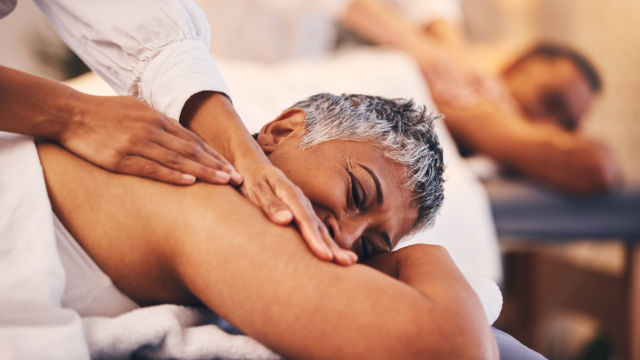
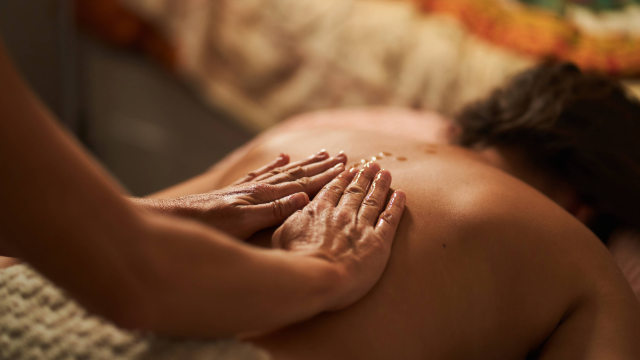




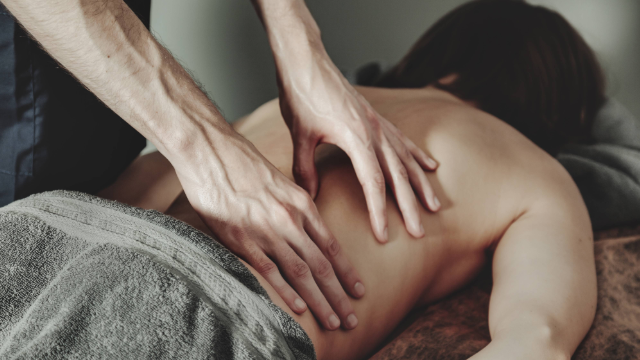
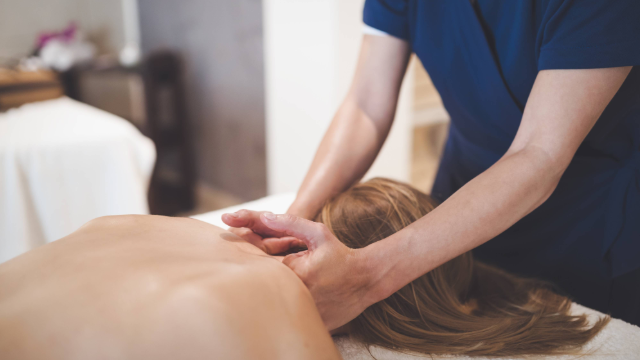


 Course Plan
 BK
BK
 Registration










 Switch WhatsApp®"
And you will be forwarded directly to the WhatsApp® app.
Switch WhatsApp®"
And you will be forwarded directly to the WhatsApp® app.


