Icon call
Hotline
Send mail icon
Online Request

EASTER PROMOTION! Get big discounts of up to € 500,- on vouchers & massage courses now!

Countdown

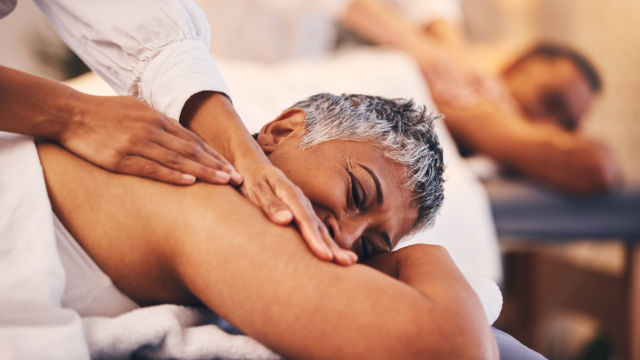
Gentle massage is performed

Commercial massage training

€ 4.455,50 instead of € 4.690,00 | Classroom Courses
Flexible learning - our possible learning options for the course:
€ 4.455,50 instead of € 4.690,00

Important informations

Commercial massage training

Course info Investment
Investment: 4.455,50 instead of € 4.690,00 Including Exam Fees and Study Materials
Course info Funding opportunities
Installment Plans Available
No Interest, No Fees
Course info Institute
Information Event
Course info Start at any time
Entry possible at any time
Course info Duration of training
Course Upgrades
Add Another Course
Course info Academy account
Academy account forever
learning materials available for life
Course info Money-back guarantee
Money-back guarantee
14 days right of withdrawal (according to the Distance Selling Act)
Course info scientific content
Sound scientific content
Certificate valid worldwide & unlimited in time

Recognized & Certified

TUEV Iso 9001 logo carrier certificate ZFU Seal of Quality Certificate Trusted Shops SVG Icon Flexyfit Academy for 19 years

Our graduates, partners & friends say

Our team will be happy to advise you at any time by phone, chat or in person

Tablet photo carousel

Your training as a commercial masseur - professional, practical and future-proof

Training as a commercial masseur provides you with a sound, practice-oriented qualification for professional work in the massage and wellness sector. You will acquire comprehensive knowledge of proven and modern massage techniques and learn how to carry out treatments in a professionally correct, safe and customer-oriented manner.

The focus is on high-quality practical implementation, combined with a solid theoretical basis. You will be optimally prepared to offer massages professionally, both as an employee and on the path to self-employment.

Our training combines classic massage expertise with specialized techniques and places great emphasis on hygiene, quality assurance and responsible work on healthy people. You will develop a deep understanding of the human body, functional relationships and effective treatment procedures.

Whether as a new career path, targeted further training or preparation for a commercial career - this training offers you a strong professional foundation, high practical relevance and the best conditions for your entry into the massage profession.

Note on self-employment as a massage therapist:

The self-employed practice of the profession of masseur is regulated in the Trade Regulation Act for the regulated trade of masseurs and masseuses.

For an individual trade, limited to classical massage (§19 GewO), you can already work in your own practice after completing massage training, a 6-month practice and a successful work sample.

Detailed information on the trade regulations and requirements can be obtained directly from your local Chamber of Commerce.

Factsheet on the course
course

Extent of learning

963 E

6

EQF level

The training is based on EQF level 6 »

course

Course start

Possible immediately

training-cost

Education costs

€ 4.455,50 instead of € 4.690,00

» Our Course Packages

learning-varient

Learning variant

Classroom Courses

Available

Languages

DE
Graduate hat Flexyfit

All course dates

Find your classroom course

Loader Icon
Commercial massage t... - Half-day weekly course

Vienna | 30-03-2026 | € 4.455,50 instead of € 4.690,00

Presence phase from: 13-04-2026
Questions about the course? We are happy to advise you.
Join in at any time!
Questions about the course? We are happy to advise you.
Gentle massage is performed

Everything at a glance!

Commercial massage training

Flexible professional practice: Step by step to becoming a commercial masseur

Training to become a commercial masseur

Training to become a commercial masseur has a modular structure and offers you maximum flexibility. You can either complete the training as a complete package or go through the individual modules step by step. Each successfully completed module expands your professional expertise and brings you a big step closer to your qualification as a commercial masseur.


The training consists of several practice-oriented massage modules, which together provide a comprehensive and professional qualification in the field of commercial massage. Once you have successfully completed all the modules provided, you will be awarded the Commercial Massage Therapist qualification.


This course is ideal for anyone who wants to work professionally in the massage sector, develop their skills or lay the foundations for future self-employment within the framework of legal requirements.

Your advantage: You can plan the training flexibly - as a complete package or step by step via individual modules. This means it fits in perfectly with your everyday life and your professional goals.

What can you expect from the apprenticeship?

During your training, you can expect a balanced combination of theory and intensive practice. You will first acquire a solid foundation in anatomy, physiology, massage skills, basic techniques and hygiene. This knowledge forms the basis for safe, responsible and high-quality massage work.

Practical focus: safe, structured, professional

At the same time, you will put what you have learned directly into practice. Under expert guidance, you will learn and consolidate various massage techniques and specialized forms of treatment. The focus is on correct grip technique, structured treatment procedures and professional work on healthy people.


Through regular practical exercises - both in a partner and client context - you will develop confidence, routine and a good feel for different body structures and needs. This will prepare you optimally for your everyday work as a massage therapist.

Quality, hygiene & customer care

Another important part of the training is hygiene, occupational safety and professional customer care. You will learn how to plan treatments responsibly, inform customers correctly and act confidently in every situation.


Our experienced trainers will provide you with individual and practical support throughout your training so that you can start your career with a high standard of quality and a feeling of confidence.

Conditions of participation

  • Online or written registration
  • Minimum age: 18 years
  • Under 18 years: written consent from a parent or legal guardian required

Completion & certificates

After successfully completing the training, you will receive a certificate as a commercial masseur.


Our certificates are issued in several versions and are available to you free of charge as an online download:

  • Multilingual (DE, EN, ES)
  • With or without printed notes
  • With country-specific information

You will also receive a printed certificate of your choice on high-quality special paper with embossed printing.

Awarded certificate (multilingual DE, EN, ES)

"Commercial masseur"

Do you have questions about training?

We will be happy to advise you personally - by phone, email or chat. Our team will help you find the right type of training for your professional goals.

Detailed Course Contents

Extent of learning

963 E | Volume

MKP

200

Massage expertise

PL

438

Presence | Self-study

RE

40

Literature research

LE

60

Self-study (learning units)

TE

180

Practical realization

AE

45

Additional tasks & examinations

Our training courses are generally eligible for funding. The relevant funding body will decide whether you are eligible for funding.

We will be happy to support you in compiling all the necessary course information you need for your funding application.

Of course, we will be on hand to advise you throughout the entire process and support you from the initial inquiry to the submission of your application. Contact us - we will make sure that you are as well prepared as possible!

Module Massage expertise

Show all chapters of the subjects

TAB Teaching content
Anatomy

We educate the best trainers in the fitness branch. From start to finish of the education - and beyond!- we support and guide our students.

Functional anatomy is a foundation necessary for all trainers in exercise, fitness and sports. This subject provides a comprehensive introduction to the anatomy of the human body and a wellspring of important knowledge.

The course is constructed to present the information in an interesting and comprehensible manner and features different learning approaches appropriate for Fitness and Personal Trainers.
 
The goal is, to understand the relationship between movement patterns, the human body and relevant anatomical terminology.


  • CELL SCIENCE (CYTOLOGY)
    • General structure of the cell
  • TISSUE SCIENCE (HISTOLOGY)
    • Epithelial tissue
  • CONNECTIVE, SUPPORTING & MUSCLE TISSUE
    • The connective tissue
    • The supporting tissue
    • Muscle tissue
  • NERVE TISSUE
    • Functional and structural demarcation
    • Structure of a nerve cell
    • Auxiliary structures of the nervous tissue
    • Task of the nervous tissue
  • ORIENTATION ON THE HUMAN BODY
    • Main axes and planes
    • Position and direction designations
  • BONE THEORY (OSTEOLOGY)
    • Types of bone
    • Truncus
    • Upper extremity
    • Lower extremity
  • JOINTS
    • Types of joints
    • Auxiliary devices of the joints
    • Description of joint movement
    • Joint shapes
    • The most important joints
  • STRIATED MUSCLE
    • Structure
    • Classification of muscle types
    • Auxiliary devices of the active musculoskeletal system
  • M. TRAPEZIUS (TRAPEZIUS MUSCLE)
  • M. RHOMBOIDEUS MAJOR (LARGE RHOMBOID MUSCLE)
  • M. SERRATUS ANTERIOR (ANTERIOR SAW MUSCLE)
  • M. DELTOIDEUS (DELTOID MUSCLE)
  • M. PECTORALIS MAJOR (LARGE CHEST MUSCLE)
  • M. LATISSIMUS DORSI (BROAD BACK MUSCLE)
  • THE ROTATOR CUFF
    • M. infraspinatus (infraspinatus muscle)
    • M. supraspinatus (upper latissimus muscle)
    • M. teres minor (small round muscle)
    • M. subscapularis (lower shoulder blade muscle)
    M. TERES MAJOR (LARGE ROUND MUSCLE)
  • M. BICEPS BRACHII (TWO-HEADED ARM FLEXOR)
  • M. BRACHIALIS (ARM FLEXOR)
  • M. BRACHIORADIALIS (UPPER ARM RADIAL MUSCLE)
  • M. TRICEPS BRACHII (THREE-HEADED ARM EXTENSOR)
  • M. ILIOPSOAS (LUMBAR MUSCLE)
    • M. psoas major and m. psoas minor
    • M. iliacus (iliac muscle)
    M. GLUTEUS MAXIMUS (LARGE GLUTEAL MUSCLE)
  • M. GLUTEUS MEDIUS (MIDDLE GLUTEAL MUSCLE)
  • M. GLUTEUS MINIMUS (SMALL GLUTEAL MUSCLE)
  • M. TENSOR FASCIAE LATAE (HAMSTRING MUSCLE)
  • M. QUADRICEPS FEMORIS (FOUR-HEADED THIGH MUSCLE)
  • M. BICEPS FEMORIS (TWO-HEADED THIGH MUSCLE)
  • M. SEMIMEMBRANOSUS (PLATE TENDON MUSCLE)
  • M. SEMITENDINOSUS (SEMI-TENDINOUS MUSCLE)
  • M. SARTORIUS (SARTORIUS MUSCLE)
  • M. PECTINEUS (RIDGE MUSCLE)
  • M. GRACILIS (SLENDER MUSCLE)
  • M. ADDUCTOR LONGUS (LONG THIGH EXTENSOR)
  • M. ADDUCTOR BREVIS (SHORT THIGH EXTENSOR)
  • M. ADDUCTOR MAGNUS (LARGE THIGH EXTENSOR)
  • M. GASTROCNEMIUS (TWIN CALF MUSCLE)
  • M. SOLEUS (CLOD MUSCLE)
  • M. TIBIALIS ANTERIOR (ANTERIOR SHIN MUSCLE)
  • M. TIBIALIS POSTERIOR (POSTERIOR SHIN MUSCLE)
  • M. RECTUS ABDOMINIS (STRAIGHT ABDOMINAL MUSCLE)
  • M. OBLIQUUS INTERNUS ABDOMINIS (INTERNAL OBLIQUE ABDOMINAL MUSCLE)
  • M. OBLIQUUS EXTERNUS ABDOMINIS (EXTERNAL OBLIQUE ABDOMINAL MUSCLE)
  • M. TRANSVERSUS ABDOMINIS (TRANSVERSE ABDOMINAL MUSCLE)
  • M. QUADRATUS LUMBORUM (QUADRANGULAR LUMBAR MUSCLE)
  • DIAPHRAGM (DIAPHRAGM)
  • BACK STRETCHER
  • VOCABULAR LIST
Professional ethics and professionalism

The subject"Professional Ethics and Professionalism" in the basic massage skills module teaches essential ethical principles and rules of conduct that are essential for a professional massage practice. The course begins with an introduction to professional ethics, covering in detail the ethical principles and their importance in practice. Participants will learn how to deal with ethical dilemmas and make decisions that are in the best interest of their clients.

Another important aspect is dealing with clients, data protection and confidentiality. The training covers guidelines for dealing with clients in a professional manner, adhering to data protection guidelines and maintaining confidentiality. It emphasizes the importance of trust and respect in the relationship with clients and how these values can be upheld through professional practice.

In addition, fundamentals of professional demeanor and effective communication strategies are taught. Participants will learn how to maintain a professional appearance and build a successful relationship with their clients. Communication strategies for dealing with clients, including techniques for conflict management and resolution, are also covered. This subject emphasizes the development of a professional attitude and the ability to act appropriately and ethically in a variety of situations.


  • ETHICAL PRINCIPLES AND RULES OF CONDUCT IN MASSAGE PRACTICE
    • Introduction to professional ethics
    • Ethical principles and their importance in practice
    • Dealing with ethical dilemmas
  • DEALING WITH CLIENTS, DATA PROTECTION AND CONFIDENTIALITY
    • Dealing professionally with clients
    • Data protection guidelines and confidentiality
    • Importance of trust and respect
  • PROFESSIONAL APPEARANCE AND COMMUNICATION
    • Basics of professional appearance
    • Communication strategies for a successful client relationship
    • Conflict management and resolution
Ergonomics and self-care

The"Ergonomics and self-care" subject in the basic massage skills module focuses on correct posture and ergonomics for therapists to avoid strain and injury. The importance of ergonomics in massage practice is emphasized and techniques for avoiding strain are taught. Practical exercises to improve posture are also a key part of this module.

In addition, self-care and recovery techniques for therapists are taught. The importance of self-care is emphasized as it is crucial for the long-term health and performance of therapists. Self-massage techniques and relaxation exercises are introduced to help therapists take care of themselves. Strategies for recovery and injury prevention are also covered to ensure sustainable practice and protect therapists' health.


  • CORRECT POSTURE AND ERGONOMICS FOR MASSEURS
    • The importance of ergonomics in massage practice
    • Techniques to avoid overloading
    • Practical exercises to improve posture
  • TECHNIQUES FOR SELF-CARE AND REGENERATION
    • Importance of self-care for therapists
    • Self-massage techniques and relaxation exercises
    • Strategies for recovery and injury prevention
TAB Teaching content
First aid & sports injuries
Since injuries are a daily occurrence in sports, it is important to know about the causes and consequences of the most common injuries. In case of an emergency the personal trainer must be able to react quickly and correctly.

In addition, the understanding of various injury patterns helps to be able to avoid them from happening.

  • FIRST AID
    • Recognizing an emergency situation
    • Resuscitation procedure
    • Selected risk factors
    • Thermal problems
  • SPORTS INJURIES - EMERGENCIES
    • Open fracture
    • Basilar skull fracture
    • Spinal injury
  • SPORTS INJURIES OF THE ACTIVE MOVEMENT APPARATUS
    • Differentiation: Acute injuries and overuse injuries
    • P-E-C-H principle
    • Bruise
    • Contusion
    • Muscle strain/muscle fiber tear/muscle tear
    • Myogelosis
    • Overuse injuries to the active musculoskeletal system
  • SPORTS INJURIES OF THE PASSIVE MUSCULOSKELETAL SYSTEM
    • Fractures and fracture types
    • Joint injuries
Hygiene and safety

The subject"Hygiene" in the basic massage competence module deals comprehensively with the essential hygiene standards and safety measures in massage practice.

It begins with the importance of hygiene in massage practice, followed by detailed hygiene guidelines and their implementation. Participants are given practical tips for maintaining hygiene to ensure a safe and clean working environment.

Another focus is on safety measures. Safety precautions for everyday practice are presented here, including specific protective measures for massage therapists and clients.


  • HYGIENE STANDARDS AND PRACTICES IN THE MASSAGE PRACTICE
    • The importance of hygiene in massage practice
    • Hygiene guidelines and their implementation
    • Practical tips for maintaining hygiene
  • safety measures and precautions
    • Safety precautions for everyday practice
    • Protective measures for massage therapists and clients
Customer management and marketing

The subject"Client management and practice management" in the basic massage skills module provides essential knowledge for the successful operation of a massage practice. It begins with building and maintaining a client file, emphasizing the importance of a well-maintained client file. Participants will learn techniques to effectively manage client data and comply with data protection and legal requirements.

Another focus is the design and maintenance of the working environment. Here, participants learn how to design the massage area in the best possible way to create a welcoming atmosphere. High standards of hygiene and cleanliness are taught, and the need for regular maintenance and care of massage rooms and equipment is emphasized.

The third area of the subject focuses on marketing and customer retention. The basics of marketing for massage practices are explained and participants develop strategies for attracting and retaining customers. The use of social media and other digital marketing tools to increase the reach and awareness of the practice will also be addressed.

This subject provides comprehensive training in client management, practice management and marketing to ensure the successful operation and growth of your massage practice.


  • SETTING UP AND MAINTAINING A CLIENT FILE
    • The importance of a well-maintained client file
    • Techniques for the effective management of client data
    • Data protection and legal requirements
  • DESIGN AND MAINTENANCE OF THE WORKING ENVIRONMENT
    • Optimization of the massage area
    • Hygiene and cleanliness standards
    • Maintenance and care of massage rooms and equipment
  • MARKETING AND CUSTOMER LOYALTY
    • Basics of marketing for massage practices
    • Strategies for attracting and retaining customers
    • Use of social media and other marketing tools
Massage techniques and grips

In the "Massage Techniques and Practices" subject, basic massage techniques are taught using online learning videos. These videos provide participants with a comprehensive introduction to the various techniques and allow them to familiarize themselves with the basics at their own pace. In the practical module "Massage techniques and hygiene", these techniques are then intensively practiced and deepened on site.

Participants have the opportunity to familiarize themselves with the various massage techniques through the instructional videos and learn them step by step. This prepares them optimally for the practical exercises. They can apply what they have learned on site and improve it with direct guidance from experienced instructors and trainers.


  • DIFFERENT MASSAGE TECHNIQUES (STROKING, KNEADING, TAPPING, RUBBING, VIBRATION)
    • Basics of the different massage techniques
    • Technical execution and practical application
    • How the techniques work on the body
  • PRACTICAL EXERCISES FOR APPLYING THE TECHNIQUES
    • Instructions for practical exercises
    • Application of the techniques in different scenarios
  • ADAPTING THE TECHNIQUES TO DIFFERENT PARTS OF THE BODY
    • Anatomical principles of the different parts of the body
    • Adaptation of techniques to specific areas of the body
Pathology in massage

The "Pathology" subject in the basic massage skills module provides essential knowledge that is essential for safe and effective massage practice.

The basics of pathology and common conditions are covered, including:

  • Introduction to pathology
  • Key pathologies that need to be considered during massage
  • Effects of various conditions on the body and musculature

In addition, participants will learn about the indications and contraindications for massage:

  • Definition and meaning of indications and contraindications
  • Recognition and assessment of indications
  • Identification of contraindications and how to deal with them

Another important aspect is recognizing and dealing with medical emergencies during a massage, including

  • Common medical emergencies
  • Emergency management and immediate action
  • Collaboration with medical professionals

  • BASICS OF PATHOLOGY AND COMMON DISEASES
    • Introduction to pathology
    • Important clinical pictures that must be taken into account during massage
    • Effects of various diseases on the body and muscles
  • INDICATIONS AND CONTRAINDICATIONS FOR MASSAGE
    • Definition and meaning of indications and contraindications
    • Recognition and assessment of indications
    • Identifying contraindications and how to deal with them
  • RECOGNIZING AND DEALING WITH MEDICAL EMERGENCIES DURING A MASSAGE
    • Common medical emergencies during massage
    • Emergency management and immediate action
    • Collaboration with medical professionals
TAB Teaching content
Physiology

A working understanding of human physiology and therefore the relationships between the various functions of the human body is crucial for anyone working in the exercise and fitness field. It is a requisite knowledge for the sufficient practice of their profession.

This course makes the relationships within the human organism graspable for everyone. Take a deep-dive into the human body and learn the functions of our organism for your new profession in fitness.

In this subject you will get a close look at energy metabolism needed for muscle activation, the circulatory system and the pulmonary system.

Any high quality education in fitness and exercise begins with the foundations of anatomy and physiology.


  • WHAT IS PHYSIOLOGY?
  • THE CARDIOVASCULAR SYSTEM
    • The heart - shape and position
    • Anatomy of the heart
    • The excitation and stimulation system
    • How the heart works
    • The vascular system
    • The circulatory system
    • Important parameters of the cardiovascular system
    • Adaptation reactions of the cardiovascular system
    • Regulation of the circulatory system
    • Diseases of the cardiovascular system
  • THE BLOOD
    • Composition of the blood
    • Blood group properties
  • THE IMMUNE SYSTEM
    • Immune response
    • The lymphatic system
    • Lymphatic organs
  • LUNGS AND RESPIRATION
    • The respiratory system
    • The upper respiratory tract
    • The lower respiratory tract
    • Functions of the respiratory system
    • Disorders of the respiratory system
  • THE ACID-BASE BALANCE
    • Respiratory regulation
    • Metabolic regulation
    • Disorders of the acid-base balance
  • THE NERVOUS SYSTEM
    • Spatial classification of the nervous system
    • Functional classification of the nervous system
    • Reflexes
    • Origin of a movement
    • Analyzers
  • DIGESTION
    • The digestive organs
    • Physiology of nutrition
  • ENERGY METABOLISM AND ENERGY SUPPLY
    • Adenosine triphosphate (ATP)
    • Energy supply pathways
    • Metabolic diseases and disorders
  • ENDOCRINOLOGY
    • Hormones
    • The pituitary gland
  • MUSCLE PHYSIOLOGY
    • Tissue and organ
    • Molecular mechanism of muscle contraction
    • Smooth and striated muscles
    • Origin, insertion and movement possibilities
    • Direction of movement, function and innervation
    • Proprioception
    • Static (postural) and dynamic (movement) musculature
Psychological basics (massage)

The subject"Psychological basics" in the basic massage skills module provides essential knowledge of psychology, which is crucial for dealing professionally with clients in massage practice.

Participants gain basic knowledge of psychology, particularly in dealing with stress, relaxation and emotional reactions. The introduction to the psychological aspects of massage helps participants to understand how to deal with stress and emotional reactions of clients. Techniques to promote relaxation and well-being are also taught.

Another focus is on communication skills and building a therapeutic relationship. The importance of communication in massage practice is emphasized and how to build and maintain a therapeutic relationship is taught. Empathy and maintaining a professional distance when dealing with clients play an important role.

This subject provides in-depth training in the areas of psychological knowledge and communication skills to create a trusting and supportive environment for clients and promote their well-being.


  • BASIC KNOWLEDGE OF PSYCHOLOGY, ESPECIALLY IN DEALING WITH STRESS, RELAXATION AND EMOTIONAL REACTIONS
    • Introduction to the psychological aspects of massage
    • Dealing with stress and emotional reactions of clients
    • Techniques to promote relaxation and well-being
  • COMMUNICATION SKILLS AND BUILDING A THERAPEUTIC RELATIONSHIP
    • Importance of communication in massage practice
    • Building and maintaining a therapeutic relationship
    • Empathy and professional distance in dealing with clients

Module Basic massage techniques & hygiene

Show all chapters of the subjects

Basic massage techniques & hygiene
The aim of this subject is to teach participants the basic massage techniques that serve as preparation for further training. It introduces the classic techniques that every massage therapist should master, regardless of their subsequent specialization. These basic techniques form the foundation for all further massage training and enable participants to develop a solid basis.

The classic massage techniques covered in this course include:
  • Effleurage (strokes)
  • Petrissage (kneading)
  • Friction (rubbing)
  • Tapotement (tapping)
  • Vibration (shaking)

In addition to the practical application of these techniques, the important hygiene guidelines are also discussed. This includes

Cleaning: The correct cleaning of the workplace and the materials used.
Disinfection: Effective disinfection methods to prevent the spread of pathogens.
Personal hygiene: The importance of the masseur's personal hygiene to ensure a hygienic environment for clients.


  • INTRODUCTION
    • Importance of massage in health promotion
    • Overview of the course content
  • HYGIENE IN MASSAGE PRACTICE
    • General hygiene rules
    • Personal hygiene of the massage therapist
    • Hygienic preparation of the workplace
    • Cleaning and disinfection
    • Materials and aids
    • Hygiene management for customer contact
    BASIC MASSAGE TECHNIQUES - THEORY & PRACTICE
    • Effleurage (strokes)
    • Petrissage (kneading)
    • Friction (rubbing)
    • Tapotement (tapping)

Module Segment massage

Show all chapters of the subjects

Treatment planning & practice implementation (SGM)

Eine wirksame Behandlung entsteht nicht nur durch gute Technik, sondern vor allem durch eine klare Behandlungsplanung und eine professionelle Umsetzung im Alltag. In diesem Fach lernst du, wie du individuelle Behandlungskonzepte erstellst und sie gezielt an die Bedürfnisse deiner Kund:innen anpasst.


Du erfährst, wie sich verschiedene Massageformen sinnvoll kombinieren lassen, um die bestmögliche Wirkung zu erzielen. Ein besonderer Fokus liegt auf der Integration der Segmentmassage in bestehende Behandlungskonzepte, damit du Anwendungen nicht isoliert, sondern als Teil eines stimmigen Gesamtablaufs einsetzen kannst.


Ein weiterer Schwerpunkt ist die Dokumentation und Kommunikation im Praxisalltag. Du lernst, Behandlungen nachvollziehbar festzuhalten, Fortschritte zu erkennen und deine Kund:innen professionell, transparent und vertrauensvoll zu begleiten. So wird deine Arbeit nicht nur effektiv, sondern auch langfristig nachvollziehbar und nachhaltig.


Ziel dieses Faches ist es, dir die Sicherheit zu geben, Behandlungen strukturiert zu planen, professionell umzusetzen und deine Praxisarbeit auf ein hohes fachliches Niveau zu bringen.


  • GRUNDLAGEN DER BEHANDLUNGSPLANUNG

    • Bedeutung einer strukturierten Planung
    • Zieldefinition und individuelle Anpassung
    • Verbindung von Befund und Behandlungskonzept


    ERSTELLUNG EINES BEHANDLUNGSPLANS

    • Analyse von Beschwerden und Ausgangssituation
    • Festlegung von Behandlungszielen
    • Auswahl geeigneter Segmentbereiche
    • Planung von Dauer, Intensität und Ablauf


    KOMBINATION MIT ANDEREN MASSAGEFORMEN

    • Integration in klassische Massagekonzepte
    • Kombination mit Bindegewebs- oder Entspannungsmassage
    • Anpassung an Zielsetzung (therapeutisch vs. präventiv)
    • Ganzheitlicher Behandlungsansatz


    PRAXISUMSETZUNG & BEHANDLUNGSALLTAG

    • Strukturierte Durchführung der Behandlung
    • Flexibilität bei unterschiedlichen Kundenbedürfnissen
    • Anpassung während der Behandlung
    • Effizientes Zeitmanagement


    DOKUMENTATION DER BEHANDLUNG

    • Wichtige Inhalte der Dokumentation
    • Verlaufskontrolle und Fortschrittsbeurteilung
    • Nachvollziehbarkeit der Maßnahmen
    • Rechtliche Aspekte der Dokumentation


    KUNDENKOMMUNIKATION

    • Aufklärung vor der Behandlung
    • Begleitung während der Anwendung
    • Feedback einholen und interpretieren
    • Empfehlungen für den Alltag und weitere Maßnahmen
Grip techniques for segment massage

Die Qualität der Segmentmassage steht und fällt mit der richtigen Technik. In diesem Fach lernst du die wichtigsten Grifftechniken der Segmentmassage kennen und erfährst, wie du sie gezielt und wirkungsvoll im therapeutischen Kontext einsetzt.


Du arbeitest mit verschiedenen Griffarten wie Strichtechniken, Drucktechniken und Verschiebetechniken und entwickelst ein klares Verständnis dafür, wann und wie diese Techniken sinnvoll angewendet werden. Dabei geht es nicht nur um die korrekte Ausführung, sondern auch um das Gespür für Gewebe, Reaktion und Behandlungsziel.


Ein besonderer Schwerpunkt liegt auf der Reizdosierung und dem passenden Behandlungsrhythmus. Du lernst, wie unterschiedliche Intensitäten auf das Gewebe wirken, wie du Behandlungen individuell anpasst und wie du Überreizungen vermeidest. So entwickelst du Sicherheit in der praktischen Anwendung und kannst gezielt auf unterschiedliche Ausgangssituationen eingehen.


Darüber hinaus spielt die therapeutische Handhaltung eine zentrale Rolle. Du lernst, effizient, präzise und gleichzeitig körperlich schonend zu arbeiten, damit du langfristig professionell und gesund im Massagealltag tätig sein kannst.


So vermittelt dir dieses Fach die technische Grundlage für eine sichere, wirksame und nachhaltige Anwendung der Segmentmassage in der Praxis.


  • GRUNDLAGEN GRIFFTECHNIKEN

    • Bedeutung manueller Reize im segmentalen System
    • Zielsetzung der Grifftechniken
    • Unterschied zu klassischen Massageformen


    STRICHTECHNIKEN

    • Einführung in segmentale Strichführungen
    • Wirkung auf Haut, Bindegewebe und Reflexzonen
    • Dosierung und Anpassung der Intensität
    • Einsatzbereiche in der Praxis


    DRUCKTECHNIKEN

    • Verschiedene Druckformen und ihre Anwendung
    • Wirkung auf tieferliegende Gewebeschichten
    • Anpassung an Empfindlichkeit und Befund
    • Sicherheit und Kontrolle im Druckaufbau


    VERSCHIEBETECHNIKEN

    • Technik der Gewebeverschiebung
    • Behandlung von Spannungszonen und Verklebungen
    • Segmentale Reizsetzung über das Bindegewebe
    • Kombination mit anderen Grifftechniken


    REIZDOSIERUNG & RHYTHMUS

    • Bedeutung der richtigen Reizstärke
    • Anpassung an individuelle Reaktionen
    • Rhythmus und Tempo der Behandlung
    • Vermeidung von Über- oder Unterreizung


    THERAPEUTISCHE HANDHALTUNG

    • Ergonomische Hand- und Fingerpositionen
    • Körperhaltung des Therapeuten
    • Druckübertragung aus dem Körper statt aus der Hand
    • Schonendes Arbeiten für langfristige Belastbarkeit


    KOMBINATION & ANWENDUNG DER GRIFFTECHNIKEN

    • Übergänge zwischen verschiedenen Techniken
    • Aufbau einer strukturierten Behandlung
    • Anpassung an unterschiedliche Beschwerdebilder
    • Praktische Umsetzung im Behandlungsablauf
Basics of segment massage

Segmentmassage ist eine besondere Form der Reflexzonentherapie, bei der über Haut und Bindegewebe gezielt Reize gesetzt werden, um innere Organe, Muskulatur und das Nervensystem positiv zu beeinflussen. Dieses Fach vermittelt dir die theoretische Basis dieser Methode und zeigt, warum die Segmentmassage bis heute einen festen Platz in der modernen Massagepraxis hat.


Du lernst die Entstehung, Entwicklung und den fachlichen Hintergrund der Segmentmassage kennen und verstehst, auf welchen Prinzipien diese Behandlungsform aufbaut. Ein zentraler Schwerpunkt liegt auf dem Wirkprinzip der Segmentmassage: Du erfährst, wie über segmentale Verschaltungen Reize von der Körperoberfläche auf tieferliegende Strukturen übertragen werden und wie sich dadurch funktionelle Beschwerden gezielt beeinflussen lassen.


Zusätzlich wird die klare Abgrenzung zur Bindegewebsmassage behandelt. Du lernst die Unterschiede in Technik, Zielsetzung und Anwendung kennen, damit du beide Methoden fachlich sauber einordnen und später gezielt einsetzen kannst.


So schaffst du dir ein fundiertes Verständnis für die Grundlagen der Segmentmassage und legst die Basis für eine sichere, professionelle Anwendung in der Praxis.


  • EINFÜHRUNG IN DIE SEGMENTMASSAGE

    • Definition und Zielsetzung der Segmentmassage
    • Bedeutung im therapeutischen Kontext
    • Einsatzbereiche und Wirkungsfelder


    GESCHICHTE & ENTWICKLUNG

    • Ursprung der Segmentmassage
    • Entwicklung innerhalb der manuellen Therapie
    • Wichtige Persönlichkeiten und Einflüsse
    • Etablierung in der modernen Massagepraxis


    WIRKPRINZIP DER SEGMENTMASSAGE

    • Segmentale Verschaltung im Nervensystem
    • Zusammenhang zwischen Haut, Organen und Muskulatur
    • Reflexzonen und ihre Bedeutung
    • Einfluss auf vegetatives Nervensystem und Durchblutung


    SEGMENTALE ZUSAMMENHÄNGE IM KÖRPER

    • Dermatome, Myotome und Viszerotome
    • Reizweiterleitung und Reflexbögen
    • Erkennen segmentaler Reaktionen
    • Bedeutung für Diagnostik und Behandlung


    ABGRENZUNG ZUR BINDEGEWEBSMASSAGE

    • Unterschiede in Technik und Zielsetzung
    • Wirkmechanismen im Vergleich
    • Einsatzbereiche beider Methoden
    • Kombination in der therapeutischen Praxis


    BEDEUTUNG FÜR DIE PRAXIS

    • Rolle der Segmentmassage in der Behandlung
    • Grenzen und Möglichkeiten
    • Integration in ganzheitliche Therapieansätze
Indications & contraindications (SGM)

Sichere und professionelle Segmentmassage beginnt immer mit der richtigen Einschätzung. In diesem Fach lernst du, wann die Anwendung sinnvoll ist, bei welchen Beschwerden sie unterstützend eingesetzt werden kann und wann besondere Vorsicht erforderlich ist.


Du beschäftigst dich mit typischen Einsatzgebieten wie muskulären Verspannungen, funktionellen Störungen und stressbedingten Beschwerden. Gleichzeitig lernst du, absolute und relative Kontraindikationen zu erkennen, richtig zu bewerten und verantwortungsvoll in deine Behandlungsentscheidung einzubeziehen.


Ein weiterer Schwerpunkt liegt auf der sorgfältigen Abklärung vor der Behandlung. Du entwickelst ein klares Verständnis dafür, wie du den Gesundheitszustand deiner Kund:innen einschätzt, Risiken minimierst und im Praxisalltag professionell handelst. Dazu gehört auch das Wissen um die rechtlichen Grenzen im gewerblichen Bereich, damit du sicher, verantwortungsbewusst und fachlich korrekt arbeitest.


So gibt dir dieses Fach die notwendige Sicherheit, um Indikationen und Kontraindikationen in der Segmentmassage richtig einzuordnen und Behandlungen fundiert zu planen.


  • GRUNDLAGEN DER INDIKATIONSSTELLUNG

    • Bedeutung von Indikationen in der Segmentmassage
    • Zielgerichteter Einsatz der Behandlung
    • Zusammenhang zwischen Befund und Therapieentscheidung


    TYPISCHE EINSATZGEBIETE

    • Beschwerden des Bewegungsapparates
    • Verspannungen und muskuläre Dysbalancen
    • Funktionelle Störungen innerer Organe
    • Stressbedingte Beschwerden und vegetative Dysbalancen


    KONTRAINDIKATION IM ÜBERBLICK

    • Absolute Kontraindikationen
    • Relative Kontraindikationen
    • Lokale vs. systemische Einschränkungen
    • Erkennen von Risikofaktoren


    ABKLÄRUNG VOR DER BEHANDLUNG

    • Anamnese und Befunderhebung
    • Einschätzung des Gesundheitszustands
    • Kommunikation mit Kund:innen
    • Einholen ärztlicher Freigaben bei Bedarf


    SICHERHEIT IN DER ANWENDUNG

    • Verantwortungsbewusstes Arbeiten
    • Anpassung von Technik und Intensität
    • Beobachtung von Reaktionen während der Behandlung
    • Umgang mit Beschwerden und Abbruchkriterien


    GRENZEN IM GEWERBLICHEN BEREICH

    • Abgrenzung zur medizinischen Therapie
    • Was im Wellness- und Gewerbebereich erlaubt ist
    • Zusammenarbeit mit medizinischen Fachpersonen
    • Rechtliche Rahmenbedingungen


    PRAXISORIENTIERTE ANWENDUNG

    • Fallbeispiele aus dem Alltag
    • Entscheidungsfindung: behandeln oder weiterleiten
    • Reflexion der eigenen Verantwortung
Practical application by segment

Jetzt wird aus Theorie gezielte Praxis: In diesem Fach setzt du dein Wissen zur Segmentmassage direkt an konkreten Behandlungsbereichen um und lernst, wie du segmental strukturiert, logisch und wirksam arbeitest.


Der Schwerpunkt liegt auf der Behandlung entlang der Wirbelsäule sowie auf häufig betroffenen Regionen wie dem Schulter-Nacken-Bereich und der Lendenwirbelsäule. Du lernst, segmentale Zusammenhänge zu erkennen, Beschwerden besser einzuordnen und diese gezielt in deine Behandlung einzubauen.


Darüber hinaus erarbeitest du dir den Ablauf einer vollständigen Behandlung - von der Vorbereitung über die praktische Durchführung bis hin zur Nachbereitung. So entwickelst du eine klare und sichere Behandlungsstruktur, die nicht nur fachlich stimmig ist, sondern sich auch direkt in den Praxisalltag übertragen lässt.


Ziel dieses Faches ist es, dir Sicherheit in der praktischen Anwendung zu geben und eine professionelle Routine für die segmentale Behandlung aufzubauen.


  • GRUNDLAGEN DER SEGMENTALEN ANWENDUNG

    • Übertragung der Theorie in die Praxis
    • Orientierung an Rückenmarkssegmenten
    • Zielgerichtetes Arbeiten nach Befund
    • Aufbau einer strukturierten Behandlung


    WIRBELSÄULE & RUMPFSEGMENTE

    • Segmentale Behandlung entlang der Wirbelsäule
    • Thorakale und lumbale Segmente im Fokus
    • Zusammenhang zwischen Segmenten und Organen
    • Erkennen und Behandeln von Spannungszonen


    SCHULTER-, NACKEN- & LUMBALBEREICH

    • Typische Beschwerdebilder in diesen Regionen
    • Segmentale Zuordnung der betroffenen Bereiche
    • Spezifische Grifftechniken für jede Region
    • Kombination von lokalen und segmentalen Reizen


    BEHANDLUNGSAUFBAU & ABLAUF

    • Vorbereitung und Positionierung des Kunden
    • Reihenfolge der Behandlungsschritte
    • Übergänge zwischen verschiedenen Segmenten
    • Anpassung an individuelle Reaktionen


    PRAXISORIENTIERTE DURCHFÜHRUNG

    • Dosierung und Intensität je nach Segment
    • Beobachtung von Haut- und Gewebereaktionen
    • Kommunikation während der Behandlung
    • Sicheres und fließendes Arbeiten


    INTEGRATION IN DIE BEHANDLUNG

    • Kombination mit anderen Massageformen
    • Anpassung an unterschiedliche Zielsetzungen
    • Ganzheitlicher Behandlungsansatz
    • Nachhaltige Wirkung durch strukturierte Anwendung
Segmental anatomy & reflex zones

Segmentanatomie ist die Grundlage, um Segmentmassage fachlich zu verstehen und gezielt anzuwenden. In diesem Fach beschäftigst du dich mit der segmentalen Organisation des Körpers und lernst, wie Haut, Muskulatur, Bindegewebe und innere Organe über das Nervensystem miteinander verbunden sind.


Du lernst die Begriffe Dermatome, Myotome und Sklerotome kennen und verstehst, welche Bedeutung diese Strukturen für die reflektorische Arbeit haben. Dadurch kannst du Beschwerden besser einordnen, Zusammenhänge erkennen und Behandlungen gezielter planen. Ein wichtiger Bestandteil ist außerdem die Zuordnung von Organen zu bestimmten Körpersegmenten, wodurch du ein tieferes Verständnis für funktionelle Beschwerdebilder entwickelst.


Ein weiterer Schwerpunkt liegt auf den vegetativen Verschaltungen, die eine zentrale Rolle bei der Regulation von Durchblutung, Spannung und Organfunktion spielen. Du lernst, diese komplexen Zusammenhänge nicht nur theoretisch zu verstehen, sondern auch für die praktische Arbeit nutzbar zu machen.


So schaffst du dir ein fundiertes anatomisches und physiologisches Fundament für die professionelle Anwendung der Segmentmassage und den sicheren Umgang mit Reflexzonen.


  • GRUNDLAGEN DER SEGMENTANATOMIE

    • Aufbau der segmentalen Organisation des Körpers
    • Bedeutung der Rückenmarkssegmente
    • Zusammenhang zwischen Nerven, Gewebe und Organen


    DERMATOME, MYOTOME & SKLEROTOME

    • Definition und Unterschiede der Segmentstrukturen
    • Haut-, Muskel- und Bindegewebszuordnung
    • Funktionelle Bedeutung für die Therapie
    • Erkennen segmentaler Reaktionszonen


    REFLEXZONEN & SEGMENTALE REAKTIONEN

    • Entstehung von Reflexzonen
    • Veränderungen in Haut, Muskulatur und Gewebe
    • Typische Befunde (Spannung, Schmerz, Gewebeveränderung)
    • Interpretation in der Praxis


    ZUORDNUNG ORGANE & SEGMENTE

    • Segmentale Verbindung innerer Organe
    • Typische Organ-Segment-Zuordnungen
    • Übertragung von Beschwerden auf Körperregionen
    • Bedeutung für Diagnostik und Behandlung


    VEGETATIVE VERSCHALTUNGEN

    • Aufbau des vegetativen Nervensystems
    • Sympathikus und Parasympathikus im Überblick
    • Einfluss auf Organe, Durchblutung und Muskeltonus
    • Reaktion auf segmentale Reize


    BEDEUTUNG FÜR DIE THERAPEUTISCHE PRAXIS

    • Nutzung segmentaler Zusammenhänge in der Behandlung
    • Erkennen von Wechselwirkungen im Körper
    • Integration in die Segmentmassage
    • Grenzen der Interpretation

Module Foot reflexology massage

Show all chapters of the subjects

Introduction to foot reflexology

The subject "Introduction to reflexology" provides fundamental knowledge and serves as a basis for practical training. It begins with an overview of the history and theoretical basis of reflexology, including the development of the technique and the underlying principles that explain how reflex zones are connected to different organs and areas of the body. Participants will learn the anatomy of the foot in detail in order to identify the correct reflex zones for specific organs and body functions.

In addition, the indications and contraindications of reflexology are covered so that participants know when and how to use the technique safely. The course also includes an introduction to the scientific basis, discussing current research on the effectiveness of reflexology to promote evidence-based practice. Finally, ethical aspects and professional behavior in therapeutic practice are addressed to prepare participants for their responsibilities as therapists and to help them build a professional relationship with their patients. This module thus offers a comprehensive introduction to the theory and ethics of foot reflexology.


  • HISTORICAL AND THEORETICAL FOUNDATIONS
    • History and origins of foot reflexology
    • Basic principles and theories of reflexology
  • anatomy and reflex zones of the foot
    • Anatomy of the foot: bones, muscles and nerves
    • Assignment of the reflex zones to the organs
  • INDICATIONS AND CONTRAINDICATIONS
    • Possible applications and health benefits
    • Contraindications and risk management
  • SCIENTIFIC BASIS
    • Current research findings on effectiveness
    • Discussion: Evidence-based practice in reflexology
  • ETHICS AND PROFESSIONALISM
    • Ethics in therapeutic practice
    • Professional behavior and responsibility as a therapist
Practical application of foot reflexology T1
In the Practical Application of Reflexology - Part 1, the training begins with an introduction to reflexology, focusing on the reflex zones of the internal organs, in particular the digestive system and the respiratory system. These basic areas are discussed in detail as they are common areas of application in practice. This is followed by practical exercises in which participants learn the basic techniques of foot reflexology through demonstration and instruction. These techniques are then deepened in independent applications on practice partners in order to gain initial practical experience. In the further course, the intensification of the pressure techniques and the refinement of the touch are dealt with in order to better perceive and respond to the reactions of the patients. Participants also learn how to use reflex zones to treat specific complaints such as digestive problems and respiratory disorders.

  • INTRODUCTION TO REFLEXOLOGY
    • Reflex zones of the internal organs: digestive system
    • Reflex zones of the respiratory system
  • PRACTICAL EXERCISES AND APPLICATION
    • Demonstration and instruction: basic techniques
    • Independent application and practice on exercise partners
  • DEEPENING THE TECHNIQUES
    • Intensification of the pressure techniques
    • Refining the patient's touch and reactions
  • REFLEX ZONES FOR SPECIFIC COMPLAINTS
    • Reflex zones for digestive problems
    • Reflex zones for respiratory disorders
Practical application of foot reflexology T2
The Practical Application of Reflexology - Part 2 builds on these basics and introduces participants to advanced reflexology work, focusing on the reflex zones of the cardiovascular and lymphatic systems. These systems are crucial for holistic treatment and are therefore discussed in detail. In the extended practical exercises, participants learn combination techniques that can be used for specific complaints. Case studies and practical scenarios offer the opportunity to apply and deepen what has been learned. An important part of this section is the application of reflexology to various conditions, particularly chronic illnesses, with special techniques taught to adapt the massage to the patient's state of health. Finally, participants have the opportunity to refine their techniques under the observation and correction of instructors. In feedback sessions, they can improve their individual skills and clarify any unanswered questions.

  • ADVANCED REFLEXOLOGY
    • Reflex zones of the cardiovascular system
    • Reflex zones of the lymphatic system
  • ADVANCED PRACTICAL EXERCISES
    • Application of combination techniques for specific complaints
    • Case studies and practical scenarios
  • APPLICATION FOR VARIOUS CLINICAL PICTURES
    • Techniques for chronic illnesses
    • Adapting the massage to the patient's state of health
Special techniques & advanced applications

In the Special Techniques and Advanced Applications course, participants are introduced to advanced aspects of foot reflexology. First, they learn target group-specific techniques, with particular emphasis on reflexology for children and the elderly. These target groups require an adapted approach to make the massage safe and effective.

The combination with other forms of therapy is also covered. Participants will learn how reflexology can be integrated into holistic treatment plans to enhance the therapeutic effect. The addition of aroma and music therapy is also discussed in order to support the healing process and promote the patient's well-being.

Another important part of this subject is practice development and marketing. Participants gain basic knowledge of practice management, learn about effective marketing strategies and find out how they can successfully attract and retain customers in the long term.

The subject ends with a final discussion and group work in which participants analyze case studies and discuss them as a group. This concluding phase also provides space for reflection and sharing experiences to consolidate what has been learned and clarify any unanswered questions.


  • TARGET GROUP-SPECIFIC TECHNIQUES
    • Reflexology for children
    • Reflexology for seniors
  • COMBINATION WITH OTHER FORMS OF THERAPY
    • Integration of reflexology into holistic treatment plans
    • Supplementing with aroma and music therapy
  • PRACTICE STRUCTURE AND MARKETING
    • Basics of practice management
    • Marketing strategies and customer acquisition
  • FINAL DISCUSSION AND GROUP WORK
    • Case study analysis and group discussion
    • Final reflection and exchange of experiences
Preparation & basics of the massage

The subject "Preparation and basics of massage" prepares participants comprehensively for the practical implementation of foot reflexology massage. It begins with hygienic and organizational preparation, in which hygiene standards and workplace preparation are covered in detail. Another important aspect is the selection and care of aids such as oils and creams, which are required for an effective massage.

The basic techniques of foot reflexology are a central part of the course. Participants learn various pressure techniques and how to apply them, as well as the correct rhythm and intensity, which must be individually adapted to the patient.

Another focus is on patient preparation and communication. The course teaches how to learn and apply relaxation techniques for the patient. The importance of communication is also emphasized, in particular how to build trust and create a sense of well-being in the patient.

The therapist's posture and ergonomics are also addressed to ensure that the massage is performed efficiently and without strain on the therapist. This includes ergonomic working methods and self-care techniques to avoid strain.

Finally, the subject deals with self-reflection and further development of the therapist. Here, participants learn how to evaluate and continuously improve themselves. In addition, techniques for professional development are taught in order to build a successful practice in the long term.


  • HYGIENIC AND ORGANIZATIONAL PREPARATION
    • Hygiene standards and workplace preparation
    • Selection and care of aids (oils, creams, etc.)
  • basic techniques of foot reflexology massage
    • Pressure techniques and their application
    • Rhythm and intensity: adaptation to the patient
  • PATIENT PREPARATION AND COMMUNICATION
    • Learning relaxation techniques for the patient
    • Communication: building trust and well-being
  • POSTURE AND ERGONOMICS
    • Ergonomic working methods for therapists
    • Self-care and techniques to avoid overload
  • SELF-REFLECTION AND FURTHER DEVELOPMENT
    • Self-assessment and continuous improvement
    • Techniques for professional development

Module Connective tissue massage

Show all chapters of the subjects

Anatomical & physiological basics

Working with connective tissue massage requires more than technique: you need to understand how the body is organized "in depth" and why certain stimuli on the surface can trigger reflex effects throughout the entire organism. In this subject, you will build the anatomical and physiological foundation necessary for safe, effective and responsible connective tissue work.


You will learn about the structure of the skin, subcutis and connective tissue and understand the functions of these layers and how they interact with each other. This will enable you to better assess tissue reactions, apply treatment techniques in a more targeted manner and correctly classify the effect of connective tissue massage.


A central focus is the classification of dermatomes, myotomes and viscerotomes. You will learn how these segments relate to nerve supply, muscles and organ connections and why they are so important in reflexology work. You will also deepen your knowledge of the autonomic nervous system and learn how reflex arcs work. It is precisely these neurophysiological connections that form the basis for connective tissue stimuli to have a regulating effect.


This subject provides you with the necessary orientation to not only "copy" later practical content, but to understand it technically and remain confident in its application.


  • INTRODUCTION TO THE ANATOMICAL BASICS

    • Importance of anatomy and physiology for connective tissue massage
    • Relationship between structure and function
    • Relevance for safe and effective work


    STRUCTURE OF THE SKIN

    • Layers of the skin
    • Functions of the skin in the organism
    • Sensory and protective functions


    HYPODERMIS (SUBCUTIS)

    • Structure and composition
    • Connection between skin and deeper tissue layers
    • Significance for mobility and tension


    STRUCTURE OF THE CONNECTIVE TISSUE

    • Fibers, basic substance and cells
    • Elasticity, stability and adaptability
    • Role of connective tissue in the organism as a whole


    DERMATOME

    • Definition and segmental classification
    • Connection between skin areas and nerves
    • Significance for connective tissue massage


    MYOTOME

    • Assignment of muscle groups to segments
    • Functional correlations
    • Relevance for tension and pain


    VISCEROTOMES

    • Relationship between organs and skin zones
    • Reflex connections via the nervous system
    • Significance for reflex treatments


    AUTONOMIC NERVOUS SYSTEM

    • Sympathetic and parasympathetic nervous system
    • Control of involuntary bodily functions
    • Influence on tension, blood circulation and organ activity


    REFLEX ARCHES

    • Structure and function of reflex arcs
    • Stimulus reception, processing and response
    • Significance for the effect of connective tissue massage


Treatment setup & practice integration (BGM)

A connective tissue massage works best when it is not only technically correct, but also follows a clear concept. In this course, you will learn how to structure connective tissue massages and integrate them into your everyday practice in such a way that they can be planned, understood and carried out professionally.


You will deal with the sensible structure of treatment: How to choose the right duration and intensity, how to plan a series and how to adapt the treatment to different goals and symptoms. This will help you develop confidence in practical implementation - regardless of whether you offer individual sessions or plan treatments as a recurring concept.


Another focus is professional customer communication. You will learn how to explain treatments clearly, manage expectations realistically and formulate your approach in such a way that customers can clearly understand the benefits and the process. You will also practise proper documentation so that your work remains structured and you can better assess progress and reactions.


You will also learn how connective tissue massage can be combined with other massage techniques - as a supplement, focus or useful component within a holistic offer. This will enable you to clearly position your service portfolio and present yourself professionally on the market.


  • STRUCTURED TREATMENT STRUCTURE

    • Preparation and attunement
    • Development of a sensible treatment sequence
    • Conclusion and post-treatment rest


    TREATMENT DURATION & SERIES PLANNING

    • Individual treatment vs. treatment series
    • Adaptation to the goal and symptoms
    • Planning in everyday commercial practice


    CLIENT COMMUNICATION

    • Initial consultation and expectation management
    • Clarification of effects and limitations
    • Dealing professionally with feedback


    COMBINATION WITH OTHER MASSAGE TECHNIQUES

    • Sensible combination with classic massage
    • Integration into existing treatment concepts
    • Added value through combined applications


    PRACTICE ORGANIZATION & DOCUMENTATION

    • Brief protocols and treatment notes
    • Quality assurance in everyday life
    • Legal certainty and traceability
    • Professional appearance as a connective tissue masseur
Grip techniques for connective tissue massage

In connective tissue massage, technique makes all the difference: it determines how effective a treatment is, how safely you work and how professional the result is. In this practice-intensive course, you will systematically learn the most important grip techniques in connective tissue massage and practise their correct application.


You will practise key techniques such as pulling techniques, pushing techniques and rolling techniques and develop a good feel for what superficial and deeper connective tissue feels like and how you can work on it specifically. You will learn to perceive tissue reactions, recognize tension lines and control the quality of your grip so that the treatment remains precise and controlled.


Another focus is the correct dosage of stimulation: you learn to adapt the intensity and speed to your constitution, sensitivity and the aim of the treatment. Your own ergonomics are just as important. You train a strength-saving way of working, a stable body position and clean movement sequences so that you can work healthily in the long term.


This subject gives you the technical confidence to apply connective tissue massage precisely, effectively and responsibly in practice.


  • INTRODUCTION TO GRIPPING TECHNIQUES

    • Importance of the technique for effect and safety
    • Special features of connective tissue massage
    • Difference to classic massage techniques


    BASICS OF MANUAL WORK

    • Working in superficial and deeper tissue
    • Perception of tension and resistance
    • Rhythm, tempo and treatment flow


    TRAINING TECHNIQUES

    • Execution and hand position
    • Areas of application in connective tissue massage
    • Effect on tissue and nervous system


    PUSHING TECHNIQUES

    • Technique and direction of movement
    • Stimulation and dosage
    • Typical areas of application


    ROLLING TECHNIQUES

    • Preparation and execution
    • Working on different areas of the body
    • Tissue reactions and adaptation


    DOSAGE & STIMULATION INTENSITY

    • Light, medium and intensive stimuli
    • Perception of the feedback from the tissue
    • Adaptation to constitution and objectives


    WORKING POSITION & ERGONOMICS

    • Own posture during treatment
    • Gentle and efficient work
    • Prevention of overload and fatigue


    COMBINATION OF GRIP TECHNIQUES

    • Sensible sequence of techniques
    • Transitions between the grips
    • Building a coherent treatment
    • Partner work with guidance
    • Development of safety and routine
Basics of connective tissue massage

Connective tissue massage is much more than a manual grip technique: it is considered to have a particularly deep effect on the autonomic nervous system via the skin and fascia. In this course, you will learn how this method came about, why it has established itself in manual therapy and why it is still an integral part of many treatment concepts today.


You will receive a structured overview of the theoretical principles of connective tissue massage and its particular mode of action. One focus is on the reflective connections between the skin, connective tissue and internal organs: you will understand how targeted stimuli in the tissue can have a regulating effect on the entire organism and why the perception of tension, traction and tissue reaction is so important.


You will also learn how connective tissue massage differs from traditional massage - both in terms of the aim and quality of the grip and the way in which the body can react to the treatment. This will give you a sound basis for understanding the following practical subjects and classifying the method professionally.


  • INTRODUCTION TO CONNECTIVE TISSUE MASSAGE

    • Significance and areas of application of connective tissue massage
    • Importance within manual forms of therapy
    • Objectives of this subject


    ORIGINS AND HISTORY

    • Historical development of connective tissue massage
    • Origin and medical background
    • Further development and current forms of application


    FUNDAMENTALS OF CONNECTIVE TISSUE

    • Structure and function of connective tissue
    • Connection between skin, fascia and organs
    • Role of the autonomic nervous system


    EFFECTS OF CONNECTIVE TISSUE MASSAGE

    • Mechanical and reflex effects
    • Influence on blood circulation and metabolism
    • Regulation via the nervous system


    REFLECTIVE CONNECTIONS

    • Skin-organ reflex zones
    • Segmental connections
    • Significance for targeted treatment approaches


    DIFFERENTIATION FROM CLASSIC MASSAGE

    • Differences in technique and objectives
    • Perception and pressure intensity
    • Areas of application and effectiveness goals


    SAFETY & BASIC RULES

    • Responsible use
    • Initial information on indications and contraindications
    • Preparation for practical training
    • Key messages of connective tissue massage
Indications & contraindications (BGM)

Professional connective tissue work begins with a clear decision: When is a connective tissue massage appropriate - and when is it not? In this course, you will learn how to classify typical areas of application for connective tissue massage and how to plan treatments responsibly.


You will look at the complaints for which the method is frequently used - for example, back pain, circulatory disorders or functional organ problems. It's not about "scheme F", but about a firm understanding of the goals that can be pursued with reflective work and how to make treatment decisions in everyday practice in a comprehensible way.


It is just as important to deal with the limitations of the method. You will learn to recognize contraindications, correctly assess warning signals and take responsibility in a commercial context. As a result, you will develop confidence in identifying situations in which treatment is not suitable or referral to medical professionals is necessary.


This subject strengthens your professionalism and is a key foundation for a safe, responsible day-to-day practice with connective tissue massage.


  • IMPORTANCE OF INDICATIONS IN CONNECTIVE TISSUE MASSAGE

    • Targeted and responsible use
    • Assessment of complaints and reactions
    • Role of the connective tissue masseur in the commercial sector


    TYPICAL COMPLAINTS

    • Back and spinal complaints
    • Functional organ complaints
    • Circulatory disorders and vegetative symptoms
    • Tension and stress conditions


    THE AIMS OF CONNECTIVE TISSUE MASSAGE

    • Influence on vegetative regulation
    • Promotion of blood circulation and metabolism
    • Support of relaxation processes


    LIMITS OF THE METHOD

    • Differentiation from medical and therapeutic measures
    • Complaints that need to be clarified by a doctor
    • Realistic objectives in practice


    CONTRAINDICATIONS

    • Absolute and relative contraindications
    • Acute illnesses and inflammations
    • Special caution for certain groups of people


    SAFETY & RESPONSIBILITY

    • Careful medical history in a commercial setting
    • Recognizing warning signs
    • Dealing professionally with responsibility
    • Safety as the basis of every application
    • Clarity about possibilities and limits
Practical application - body areas (BGM)

In this practical subject, knowledge becomes real application: You will apply the grip techniques you have learned in connective tissue massage to different areas of the body and develop confidence in the process, grip quality and treatment structure.


You will work intensively on typical focus areas such as the back and pelvic area, the shoulder/neck area and the extremities. You will learn to recognize common areas of tension and irritation, interpret tissue reactions correctly and dose the treatment so that it remains effective and controlled at the same time.


An important part of the course is understanding the connections: you will learn how individual areas of the body are functionally connected and why tension patterns often occur across several regions. You will also learn how to create smooth transitions so that the treatment does not appear "piecemeal" but as a coherent overall experience.


The structure of a complete treatment is central - from preparation to structured implementation and conclusion. This will give you a clear practice routine that you can later adopt directly into your everyday studio or practice routine.


  • INTRODUCTION TO THE REGIONAL APPLICATION

    • Objectives of the practical work
    • Special features of connective tissue massage on different areas of the body
    • Safety and preparation for treatment


    BACK & PELVIC REGION

    • Anatomical orientation
    • Typical areas of tension and irritation
    • Handle sequences and treatment direction


    SHOULDER & NECK AREA

    • Special features of sensitive structures
    • Technique dosage and stimulation intensity
    • Effect on tension and vegetative regulation


    TREATMENT OF THE EXTREMITIES

    • Work on arms and legs
    • Connection to segmental relationships
    • Integration into the overall treatment


    TRANSITIONS BETWEEN BODY AREAS

    • Logical sequence of treatment
    • Harmonious transitions
    • Holistic treatment flow


    STRUCTURE OF A COMPLETE TREATMENT

    • Preparation, main part and conclusion
    • Time management and treatment structure
    • Adaptation to symptoms and objectives


    PRACTICAL EXERCISE SEQUENCES

    • Partner work and guidance
    • Perception of tissue reactions
    • Consolidation of the grip technique
    • Optimization of your own way of working
    • Preparation for everyday practice

Module classic massage

Show all chapters of the subjects

Findings and medical history

The subject "Findings & anamnesis" teaches essential skills for dealing with clients. It begins with interviewing and anamnesis, covering methods of interviewing and conducting a detailed anamnesis. Another focus is on creating a massage plan, which includes planning and documenting massages and adapting the plan based on client feedback.

In client care and aftercare, participants learn how to advise clients on self-care and prevention and provide aftercare and further treatment recommendations. This subject is crucial for providing professional and compassionate care to clients.


  • INTERVIEWING AND ANAMNESIS
    • Methods of interviewing
    • Taking a detailed medical history
  • CREATION OF A MASSAGE PLAN
    • Planning and documenting massages
    • Adaptation of the plan based on customer feedback
  • CUSTOMER CARE AND AFTERCARE
    • Advice on self-care and prevention
    • Aftercare and further treatment recommendations
Functional massage & cross-frictions: the techniques
The subject "Functional massage & cross-frictions" focuses on the advanced application of the basic techniques. It begins with the combination of basic techniques, explaining the integration of different techniques in a massage and the transitions between these techniques. In addition, adaptations to different areas of the body are covered, including specific techniques for the back, neck, shoulders, legs and feet. The adjustment of pressure intensity and duration will also be addressed to meet the individual needs of clients.

  • COMBINATION OF THE BASIC TECHNIQUES
    • Integration of techniques in a massage
    • Transitions between the techniques
  • ADAPTATIONS TO DIFFERENT AREAS OF THE BODY
    • Specific techniques for the back, neck, shoulders, legs and feet
    • Adjustment of pressure intensity and duration
Basics & principles of massage

The subject "Fundamentals & Principles of Massage" teaches basic knowledge and skills in classic massage. At the beginning, the participants are welcomed, the course objectives and schedule are explained and the lecturers and participants are introduced.

One focus of the subject is on the history and development of massage. The historical development, cultural influences and the evolution of techniques are covered. Participants learn how massage techniques have developed from their origins to the present day and which cultural influences have played a role.

Another central point is the hygiene guidelines and ethical standards. Participants will learn which hygiene regulations and practices must be observed during massage practice and which professional ethics and rules of conduct apply to massage therapists. The handling of personal and medical information is also discussed in order to protect the privacy of clients and ensure high-quality care.


  • WELCOME AND COURSE OVERVIEW
    • Aims of the course
    • Overview of the course schedule
    • Introduction of the instructors and participants
  • HISTORY AND DEVELOPMENT OF MASSAGE
    • Origin and historical development
    • Various cultural influences
    • Evolution of techniques and methods
  • HYGIENE GUIDELINES AND ETHICS
    • Hygiene rules and practices
    • Professional ethics and rules of conduct
    • Handling personal and medical information
Classic massage: the techniques
The subject "Basic techniques of classical massage" teaches the fundamental techniques of classical massage. It begins with effleurage (strokes), covering definitions, areas of application, techniques and practical exercises. It continues with petrissage (kneading), followed by friction (rubbing), tapotement (tapping) and vibration. Each technique is explained in terms of definition, areas of application and variations, supplemented by practical exercises. This subject lays the foundation for mastering classic massage techniques and enables participants to continuously improve their skills.

  • EFFLEURAGE (DELETIONS)
    • Definition and areas of application
    • Techniques and variations
    • Practical exercises
  • PETRISSAGE (KNEADING)
    • Definition and areas of application
    • Techniques and variations
    • Practical exercises
  • FRICTION (RUBBING)
    • Definition and areas of application
    • Techniques and variations
    • Practical exercises
  • TAPOTEMENT (TAPPING)
    • Definition and areas of application
    • Techniques and variations
    • Practical exercises
  • VIBRATIONS
    • Definition and areas of application
    • Techniques and variations
    • Practical exercises
Regional applications
Diagnostics & massage for back, neck, shoulder & more

In this practice-oriented course, you will learn how to professionally examine and treat your clients - from head to toe. You will develop a deep understanding of the anatomy and function of the back, neck, shoulders, arms, hands and thorax.

You will practise the systematic assessment of findings (medical history, inspection, palpation and functional testing) in order to reliably identify muscular imbalances, blockages and contraindications. On this basis, you apply effective massage techniques that not only relax, but also alleviate specific complaints.

Whether classic grips, functional massages, friction or special techniques for tissue mobilization - you will learn to treat each region individually and choose the right measures. Ideal for anyone who works professionally in the field of sport, health or wellness or would like to expand their knowledge.


  • 1. examination & massage of the back
    • Systematic assessment of findings: medical history, inspection, palpation, functional testing
    • Typical incorrect postures & muscular imbalances
    • Practical implementation: complete back massage

    2. examination & massage of the neck region
    • Special features of the cervical spine (cervical spine)
    • Diagnosis of typical neck complaints
    • Practical implementation: complete neck massage

    3. examination & massage of the shoulder region
    • Analysis of shoulder joint function
    • Muscular & bony structures of the shoulder
    • Practical implementation: complete shoulder massage

    4. examination & massage of the arms
    • Assessment of the upper & lower arm
    • Recognizing muscular tension & trigger points
    • Practical implementation: upper arm & forearm massage

    5. examination & massage of the hands
    • Prevention of sports injuries
    • Increasing mobility and performance
    • Improving recovery and reducing downtime

    precautionary measures
    • Inspection & palpation of the hand muscles
    • Practical implementation: hand & forearm massage

    6. examination & massage of the thorax
    • Analysis of posture & breathing
    • Differentiation of muscular & organic causes
    • Practical implementation: thoracic massage
Additional practical exercises & customer simulation
Your entry into a professional massage practice

In this course module, you will learn how to provide a high-quality massage with the right preparation and technique. From the optimal design of the massage room and the hygienic and ergonomic preparation of your hands to the selection and adjustment of the massage table - here you will learn the basics for a safe and effective massage procedure.

You will practise keeping your hands fit and resilient with warm-up, stretching and strengthening exercises and learn how to optimize positioning for different client needs. You will also learn how to deal professionally with special challenges such as sensitive skin, thick body hair or ticklish customers.

This subject is ideal for anyone who values quality, precision and health - both for the client and for themselves as a therapist.


  • 1. basics of a professional massage
    • Why is good preparation important?
    • What makes a good massage room?

    2 The hands - the masseur's most important tool
    • Hygiene & preparation of the hands
    • Warm-up, strengthening & stretching exercises for hands and forearms

    3. the massage table - the basis for an optimal treatment
    • Important features & accessories
    • Practical exercises for positioning on the massage table

    4. ergonomics of the massage therapist
    • Ergonomic principles & typical mistakes
    • Practical exercises on ergonomic working methods

    5 Special challenges in massage
    • Dealing with heavy body hair
    • Skin changes & skin diseases
    • Avoiding tickling

    6. practical exercises & reflection
    • Types of positioning (stomach, back, side and sitting position)
    • Team exercises & feedback

Module Lymphatic drainage

Show all chapters of the subjects

Anatomy of the lymphatic system

The subject"Anatomy of the lymphatic system" provides a detailed introduction to the structure and function of the lymphatic system. It begins with an examination of the structure and function of the lymphatic system, introducing the various structures of the lymphatic system. The function and importance of the lymphatic system in the body are explained in order to create a basic understanding of its role in the body.

The anatomy and location of the lymph nodes in the human body is then examined. The function and roles of the lymph nodes in the immune system are explained to illustrate their importance in immune defense.

The third part of the lesson deals with the lymphatic system in the human body, describing the distribution and networking of lymphatic vessels throughout the body. Regional characteristics and their significance are emphasized in order to understand how the lymphatic system functions in different regions of the body and what specific tasks it performs there.

This subject provides in-depth knowledge of the anatomy and function of the lymphatic system to prepare participants for the practical application of manual lymphatic drainage and give them a deep understanding of this important body system.


  • STRUCTURE AND FUNCTION
    • Structures of the lymphatic system
    • Function and significance
  • LYMPH NODES AND THEIR ROLE
    • Anatomy and position of the lymph nodes
    • Function and tasks in the immune system
  • lymphatic system in the human body
    • Distribution and networking of the lymphatic vessels
    • Regional characteristics and their significance
Forms of edema and their treatment

The subject"Forms of oedema and their treatment" provides a comprehensive introduction to the different types of oedema and their specific treatment options using manual lymphatic drainage (MLD).

First, the types of edema are discussed, with a focus on the classification and differentiation of edema forms. Participants learn about the causes and symptoms of the various types of oedema in order to develop a sound understanding of the different manifestations.

Building on this, the pathophysiology of the development of oedema is covered, with the clinical signs and diagnosis of the different types of oedema explained. This includes detailed explanations of the development of edema and its specific characteristics.

In the final section, the treatment options using MLD are presented. Participants will learn about specific therapeutic approaches for the different types of oedema and how these can be applied in a targeted manner. The combination with other forms of therapy is also discussed in order to ensure a holistic treatment approach.


  • TYPES OF EDEMA
    • Classification and differentiation of types of edema
    • Causes and symptoms of the different types of edema
  • CAUSES AND SYMPTOMS
    • Pathophysiology of the development of oedema
    • Clinical signs and diagnosis
  • TREATMENT OPTIONS WITH MLD
    • Specific therapeutic approaches for different types of edema
    • Combination with other forms of therapy
Case studies and lymphatic drainage practice

The subject"Case studies and practice" offers practical training in the application of manual lymphatic drainage (MLD) through practical exercises and case studies. Participants are introduced to the real-life application of MLD through practice-oriented exercises and case studies. Various scenarios are played out in order to consolidate the techniques and put theoretical knowledge into practice.

Another focus is on the analysis and discussion of real cases. Participants have the opportunity to analyze and discuss real case studies in order to develop a deeper understanding of the challenges and solutions in practice. These hands-on sessions allow participants to hone their skills and prepare for working with real patients.


  • PRACTICAL EXERCISES AND CASE STUDIES
    • Practice-oriented exercises and case studies
    • Analysis and discussion of real cases
Basics of manual lymphatic drainage

The subject"Fundamentals of Manual Lymphatic Drainage (MLD)" offers a comprehensive introduction to this specific form of massage, spread over three hours. It begins with the definition and principles of MLD, introducing the basic techniques and methods of manual lymphatic drainage. In addition, the scientific principles are discussed to provide an understanding of the research and basis behind lymphatic drainage.

The mode of action of lymphatic drainage is then discussed. The physiological effects on the lymphatic system are explained and how MLD supports and improves its function are examined. In addition, the influence of lymphatic drainage on the entire organism is considered in order to understand the holistic effects on the body.

In the final section, the indications and areas of application of MLD are discussed. Participants learn which specific illnesses and complaints can be treated with manual lymphatic drainage. In addition, preventative application options are explained in order to maintain and promote health and well-being.

This subject provides a sound introduction to manual lymphatic drainage, its principles, modes of action and possible applications, and prepares participants to apply these techniques in their practice.


  • DEFINITION AND PRINCIPLES
    • Basic principles of MLD
    • Scientific principles
  • EFFECTS OF LYMPHATIC DRAINAGE
    • Physiological effects on the lymphatic system
    • Influence on the entire organism
  • INDICATIONS AND AREAS OF APPLICATION
    • Diseases and complaints
    • Preventive applications
Knowledge of blood

The subject"Knowledge of blood" provides a comprehensive introduction to the composition and function of blood and its connection to the lymphatic system and lymphatic drainage. First, the components of blood such as red and white blood cells, platelets and plasma and their functions are described in detail. The importance of blood for the body is explained in order to provide a basic understanding of its role in the human organism.

The connection between blood circulation and the lymphatic system is then explained to illustrate the interaction between these two important systems. The influence of blood circulation on lymphatic drainage is examined in order to understand how blood flow influences the function of the lymphatic system.

Finally, the influence of blood on lymphatic drainage is discussed. Blood coagulation and its effects on lymphatic drainage are discussed in order to understand the connections between these processes. In addition, pathological changes in the blood and their effects on lymphatic drainage are explained in order to recognize the consequences of such changes for the lymphatic system.

This subject provides in-depth knowledge of the composition and function of blood, blood circulation and its connection with the lymphatic system, as well as the influence of blood on lymphatic drainage, in order to provide a deep understanding of these essential processes in the human body.


  • COMPOSITION AND FUNCTION OF THE BLOOD
    • Components of the blood and their functions
    • Importance of blood for the body
  • BLOOD CIRCULATION AND LYMPHATIC SYSTEM
    • Connection between blood circulation and the lymphatic system
    • Influence of blood circulation on lymphatic drainage
  • INFLUENCE OF BLOOD ON LYMPHATIC DRAINAGE
    • Blood coagulation and lymphatic drainage
    • Pathological changes and their effects
Contraindications Lymphatic drainage

The subject"Contraindications" provides a detailed introduction to the conditional and absolute exclusion criteria for the use of manual lymphatic drainage (MLD) and how to deal with these in practice. It begins with the relative contraindications, where MLD should only be performed under certain precautions. Here, the conditional exclusion criteria are discussed and participants learn how they can adapt the therapy to minimize possible risks.

The course continues with the absolute contraindications, where the use of MLD is completely ruled out. The absolute exclusion criteria are explained and alternatives to MLD for contraindications are presented in order to show participants alternative therapies that can be used in such cases.

Another important aspect is how to deal with contraindications in practice. Participants will learn how to deal with contraindications in practice and how to communicate with patients about them. Strategies for risk management and ensuring safety for both patients and therapists are taught.


  • RELATIVE CONTRAINDICATIONS
    • Conditional exclusion criteria for MLD
    • Precautions and adjustments
  • ABSOLUTE CONTRAINDICATIONS
    • Absolute exclusion criteria
    • Alternatives to MLD for contraindications
  • DEALING WITH CONTRAINDICATIONS IN THE PRACTICE
    • Practical handling and communication with patients
    • Risk management and safety aspects
Physiology of the blood capillary

The subject"Physiology of blood capillaries" offers an in-depth look at the structure and function of capillaries and their role in the body.

Structure and function of capillaries: The anatomy of blood capillaries is described in detail to provide an understanding of the microscopic structures. The function and importance of capillaries in the body are explained to illustrate their role in the circulatory system.

Exchange processes in the capillaries: The filtration and reabsorption processes in the capillaries are covered. These processes are crucial for the fluid balance in the body and the supply of nutrients to the tissues.

Connection between capillaries and lymphatic vessels: The interaction between the blood and lymphatic systems is explained to illustrate how the two systems work together. The influence of capillary processes on lymphatic drainage is also discussed in order to understand the connections between the systems.

This subject provides in-depth knowledge of the physiology of blood capillaries, their exchange processes and the connection between capillaries and lymphatic vessels to give a deep understanding of these important processes in the human body.


  • STRUCTURE AND FUNCTION OF THE CAPILLARIES
    • Anatomy of the blood capillaries
    • Function and importance in the body
  • EXCHANGE PROCESSES IN THE CAPILLARIES
    • Filtration and reabsorption processes
    • Significance for the fluid balance
  • interaction between capillaries and lymphatic vessels
    • Interaction between the blood and lymphatic systems
    • Influence of capillary processes on lymphatic drainage
Manual lymphatic drainage techniques

The subject"Manual Lymphatic Drainage (MLD) Techniques" offers a detailed introduction and comprehensive practice in the various grip and application techniques of MLD. First, an overview of the basic MLD techniques is given in order to familiarize students with the basic techniques. The application and effects of the basic techniques are explained in order to understand the efficiency and benefits of the various grips.

Participants then learn special grip techniques and practise these intensively to expand their skills. The areas of application and effects of the special holds are discussed in order to understand their specific applications.

In the final part of the course, real-life application scenarios are presented using case studies from practice to illustrate the practical relevance. Practical exercises and training sessions enable participants to apply and consolidate what they have learned.


  • BASIC TECHNIQUES AND GRIPS
    • Overview of the basic MLD grips
    • Application and effect of the basic techniques
  • SPECIAL SPECIAL GRIPS
    • Learning and practicing special grip techniques
    • Areas of application and modes of action
  • APPLICATION EXAMPLES AND PRACTICAL EXERCISES
    • Case studies from practice
    • Practical exercises and training sessions

Module Acupuncture meridian massage

Show all chapters of the subjects

Acupuncture points & pressure techniques

Targeted touch is more than just a technique in Traditional Chinese Medicine (TCM): if you know which acupuncture points are relevant and how to treat them correctly, you can have a noticeable effect on the flow of energy (Qi ). In this course, you will receive a practice-oriented introduction to working with acupuncture points and professional pressure techniques.


You will learn to recognize and precisely locate important points. You will not only understand the location, but also the basic mode of action of selected acupressure points: Which points regulate the energy flow, which organ functional circuits they can support and how they are associated with stress, emotions and inner balance in TCM.


In the practical part, you will practise various acupressure methods, including pressure, circular and holding techniques. You will practise controlling the intensity of the pressure and adapting your application to the individual situation of the person being treated - for example, depending on their constitution, sensitivity or the aim of the treatment. In this way, you develop confidence in the application and learn to work responsibly.


This subject forms a solid foundation for effective, professional acupressure as well as for further meridian work and meridian massage in practice.


  • INTRODUCTION TO ACUPUNCTURE POINTS

    • Meaning of acupuncture points in TCM
    • Relationship between points, meridians and organs
    • Areas of application in acupuncture and meridian massage


    LOCALIZATION OF ACUPUNCTURE POINTS

    • Orientation on the body and on anatomical landmarks
    • Point localization along the meridians
    • Safety aspects of point work


    OVERVIEW OF IMPORTANT ACUPUNCTURE POINTS

    • Selection of frequently used points
    • Assignment to organ functional circuits
    • Use in energetic practice


    EFFECTS OF ACUPUNCTURE POINTS

    • Energetic effects on Qi and blood
    • Activating and calming points
    • Influence on physical and emotional processes


    PRESSURE TECHNIQUES IN PRACTICE

    • Basics of acupressure
    • Dosage of pressure and intensity
    • Working with thumbs, fingers and palms


    CIRCULAR & HOLDING TECHNIQUES

    • Circular stimulation techniques
    • Holding and resting techniques
    • Perception of reactions in the tissue


    COMBINATION OF POINTS & TECHNIQUES

    • Sensible point sequences
    • Adaptation to the person's goal and condition
    • Holistic treatment approach
Full-body meridian massage & treatment concepts

The full strength of meridian work is often only revealed when individual techniques are combined in a meaningful way. In this course, you will learn to see a full-body meridian massage not as a series of movements, but as a well thought-out treatment concept with a clear structure, goal and logic.


You will develop an understanding of how an energetic treatment structure is created: Which meridians can be combined well, which sequence makes sense in practice and how you design transitions so that the treatment appears fluid, coherent and professional. It is also about adapting meridian work to different constitutions and reactions - without losing the common thread.


Using practical cases, concrete flow charts and typical application scenarios, you will learn how to plan and flexibly implement individual full-body treatments. You will train to set priorities, clearly define treatment goals and combine your techniques so that they fit together in the overall picture.


This subject combines your knowledge of meridian theory, point work, upper body and lower body treatments into a holistic, practice-ready overall concept - ideal for professional applications in the studio or practice.


  • INTRODUCTION TO WHOLE BODY MERIDIAN MASSAGE

    • Objectives of holistic treatments
    • Difference between partial and full body treatments
    • Overall energetic effect on body and mind


    ENERGETIC TREATMENT STRUCTURE

    • Preparation and attunement of the person being treated
    • Structured start, main part and conclusion
    • Creation of a harmonious energy flow


    SEQUENCE & TREATMENT LOGIC

    • Sensible sequence of upper and lower body
    • Consideration of yin and yang aspects
    • Adaptation to constitution and aim of the treatment


    COMBINATION OF SEVERAL MERIDIANS

    • Linking yin and yang meridians
    • Balancing and activating combinations
    • Holistic treatment strategies


    INDIVIDUALIZATION OF TREATMENTS

    • Adaptation to energetic conditions
    • Consideration of complaints and resources
    • Flexible approach to treatment duration and intensity


    PRACTICAL CASES FROM EVERYDAY WORK

    • Typical case studies from meridian massage
    • Analysis of the initial energetic situation
    • Derivation of suitable treatment concepts


    TREATMENT PLANS FOR THE PRACTICE

    • Standard full body treatment
    • Shortened and focused treatment variations
    • Structure as security for practical work
    • Application in the wellness and prevention sector
    • Combination with other manual techniques
    • Professional appearance and treatment structure
Basics of Traditional Chinese Medicine (TCM)

In Traditional Chinese Medicine (TCM), health means one thing above all: balance. When body, energy and mind work together harmoniously, well-being can develop in a stable way - and this is exactly where this subject comes in.


In the basics of TCM, you will learn about the most important thought models behind methods such as acupuncture and meridian massage. You will understand how yin and yang work as a dynamic balance and why an imbalance (disharmony) is often seen as a trigger for complaints in TCM.


A central part of the course is an understanding of qi, blood and humors: What tasks they have, how they work together and why they are so crucial for vitality, regeneration and performance . In addition, you will delve into the five-element theory and learn how TCM establishes connections between organs, emotions, energy flow and lifestyle .


This subject provides you with the theoretical basis for a sound understanding of later practical content, a holistic view of clients and a professional approach to TCM concepts in consultation and application.


  • INTRODUCTION TO TRADITIONAL CHINESE MEDICINE

    • Origin and historical development of TCM
    • Holistic understanding of health
    • Significance of TCM for acupuncture and meridian massage


    BASIC PRINCIPLES OF TCM

    • Systems of order and observation of nature
    • Health as a balance of forces
    • Prevention and energetic harmony


    YIN & YANG - POLARITY AND BALANCE

    • Definition and characteristics of yin and yang
    • Opposites and interdependence
    • Dynamic balance in the body
    • Yin and yang disorders at a glance


    YIN & YANG IN THE HUMAN ORGANISM

    • Assignment to organs and functions
    • Physical and mental aspects
    • Significance for treatment and massage practice


    QI - THE ENERGY OF LIFE

    • Origin and meaning of qi
    • Different forms of Qi in the body
    • Functions of qi for movement and protection


    BLOOD (XUE) IN TCM

    • Tasks of the blood from an energetic point of view
    • Relationship between Qi and blood
    • Effects of blood deficiency and blood stagnation


    BODILY FLUIDS (JIN & YE)

    • Definition and classification
    • Functions for joints, skin and organs
    • Relationship with diet and lifestyle


    INTERACTION OF QI, XUE, JIN & YE

    • Mutual support
    • Energetic disharmonies
    • Significance for therapeutic applications


    THE 5 ELEMENT TEACHINGS - BASICS

    • Wood, fire, earth, metal and water
    • Properties and symbolism of the elements
    • Cyclical thinking in TCM


    ASSIGNMENTS OF THE FIVE ELEMENTS

    • Organs and meridians
    • Emotions and mental aspects
    • Seasons and environmental factors


    GENERATION & CONTROL CYCLE

    • Structure and meaning of the cycles
    • Balance and regulation
    • Disruptions within the element relationships


    THE FIVE ELEMENTS IN PRACTICE

    • Energetic typologies
    • Significance for acupuncture and meridian massage
    • Practical application examples
Indications & contraindications (AKK)

Acting professionally in TCM-related bodywork means not only mastering techniques, but also knowing the limits and making responsible decisions. In this course, you will learn which complaints meridian massage, acupressure and targeted point work can be used to good effect - and in which situations particular caution is required.


You will deal with common energetic imbalances and their typical forms of expression in the body. As a result, you will develop a better understanding of how imbalances in the energy flow can manifest themselves and how you can plan applications in a targeted, safe and client-oriented way.


A central focus is the clear differentiation from medical acupuncture and the reliable recognition of contraindications. You will learn to take warning signs seriously, correctly assess risks and judge when an application is not suitable. Equally important: you will know when a referral to medical specialists is necessary.


This subject strengthens your confidence and forms an essential basis for applying meridian work professionally, responsibly and within the right framework.


  • IMPORTANCE OF INDICATIONS IN ENERGETIC WORK

    • Targeted use of acupuncture points and pressure techniques
    • Responsibility towards clients
    • Assessment of application limits


    COMMON COMPLAINTS IN THE PRACTICE

    • Muscle and joint problems
    • Tension and stress symptoms
    • Functional complaints without an organic diagnosis
    • Exhaustion, sleep problems and restlessness


    ENERGETIC IMBALANCES ACCORDING TO TCM

    • Qi deficiency and Qi stagnation
    • Yin and yang imbalances
    • Connection between energy flow, organs and emotions


    SUITABLE AREAS OF APPLICATION

    • Supporting relaxation and regeneration
    • Promotion of energetic balance
    • Accompanying application in the wellness and prevention sector


    CONTRAINDICATIONS & PRECAUTIONS

    • Absolute and relative contraindications
    • Acute illnesses, fever and inflammation
    • Pregnancy and special groups of people


    DIFFERENTIATION FROM MEDICAL ACUPUNCTURE

    • Difference between energetic work and medical treatment
    • Legal framework conditions
    • Clear allocation of roles in the healthcare sector


    SAFE & PROFESSIONAL WORK

    • Recognizing warning signals
    • Limits of one's own competence
    • Referral to specialist medical services
Integration into the daily massage routine (AKK)

Meridian massage only reveals its true value when you can incorporate it into your daily practice in a safe, structured and professional manner . In this course, you will learn how to integrate meridian work into your existing massage routine in a meaningful way - without complicating your processes and without compromising on quality.


You will develop a clear, comprehensible meridian treatment sequence: from briefly clarifying the goal to the appropriate sequence and harmonious transitions. You will also learn how meridian massage can be combined with classic massage - for example as a stand-alone treatment, as a supplementary part within a session or as a focus in recurring treatment plans.


An important focus is on professional client advice: you will learn how to manage expectations realistically, explain goals clearly and communicate your approach in such a way that clients feel safe and well supported. In addition, you will practice proper treatment documentation so that your work remains comprehensible, you can better assess progress and you are legally and organizationally professionally positioned in everyday practice.


This subject strengthens your routine and ensures greater quality, security and confidence - both in your communication and in the practical implementation of meridian massage in everyday life.


  • THE ROLE OF MERIDIAN MASSAGE IN EVERYDAY MASSAGE

    • Integration of meridian massage into existing massage treatments
    • Objectives and added value for clients
    • Differentiation from purely classic treatments


    PROCEDURE OF A MERIDIAN MASSAGE

    • Preparation and brief energy check
    • Structured start of treatment, main part and conclusion
    • Time management in practice


    COMBINATION WITH CLASSIC MASSAGE

    • Sensible combination of meridian and classic techniques
    • Transitions between energetic and muscular work
    • Adaptation to individual needs


    CLIENT CONSULTATION BEFORE THE TREATMENT

    • Assessment of complaints and expectations
    • Clarification of effects and limitations
    • Professional communication


    TREATMENT DOCUMENTATION

    • Necessity and benefits of documentation
    • Recording treatment goals and reactions
    • Quality assurance and traceability


    PRACTICAL CASE STUDIES

    • Typical situations from everyday massage practice
    • Deciding on suitable treatment concepts
    • Reflection and optimization of your own work


    SUMMARY & PRACTICE TRANSFER

    • Safe integration into everyday working life
    • Efficient and professional implementation
    • Strengthening your own competence as a meridian masseur
Meridian theory - overview (AKK)

In Traditional Chinese Medicine (TCM), meridians are considered to be the channels of energy flow - they connect organ systems, tissues and functions with each other and play a central role in acupuncture and meridian massage. In this course, you will get a clear, practical introduction to meridian theory and learn to understand the meridian system in a structured way.


You will gain a well-founded overview of the twelve main meridians: their course on the body, their basic tasks and their assignment to the respective organ functional circuits. This will enable you to better classify complaints, tension patterns and energetic imbalances later on and react to them in a targeted manner in practice.


Special emphasis is placed on the emotional connections between the meridians. You will learn how emotions and stress can influence the flow of energy and how energetic imbalances manifest themselves both physically and mentally. You will also understand how energetic blockages arise and why the meridians play such an important role in the holistic view of health.


This basic knowledge is the foundation for working confidently with point work, meridian massage and energy-oriented treatment concepts in other practical subjects.


  • INTRODUCTION TO THE THEORY OF MERIDIANS

    • Importance of meridians in traditional Chinese medicine
    • Meridians as energy pathways between body, mind and emotions
    • Relevance for acupuncture and meridian massage


    STRUCTURE OF THE MERIDIAN SYSTEM

    • Overview of the entire meridian system
    • Classification into yin and yang meridians
    • Relationship between meridians and organ function circuits


    THE 12 MAIN MERIDIANS

    • Introduction to the 12 main meridians
    • Assignment to organs and functional circuits
    • Energetic flow directions and daily rhythm
    • Basic directions of flow on the body
    • Significance of the meridians for treatment and massage
    • Connection between progression and symptoms


    FUNCTIONS OF THE MERIDIANS

    • Control of qi and blood flow
    • Supply of organs, muscles and tissue
    • Role of the meridians for balancing and regulation


    ORGAN REFERENCES OF THE MERIDIAN THEORY

    • Meridians as an expression of organ functions
    • Interaction between organs and meridians
    • Significance for holistic treatment approaches


    EMOTIONAL ASPECTS OF THE MERIDIANS

    • Connection between emotions and organs
    • Emotional blockages and their effects
    • Significance for energetic and manual work
Practical meridian massage - upper body

The upper body plays a central role in Traditional Chinese Medicine (TCM): breathing, cardiovascular system, tension and emotional stress often come together particularly clearly here. In this practical course, you will learn meridian massage on the upper body in a structured and step-by-step manner - with a focus on safe application, clean technique and a tangible treatment system.


You will work specifically with the lung meridian, heart meridian, small intestine meridian and large intestine meridian. You will learn to practically feel the respective course on the body, recognize typical areas of tension and treat the meridians in a coherent sequence. In this way, you will develop a practical understanding of how meridian work on the upper body can support the flow of energy and have a positive influence on body awareness.


During the training, you will practise clear grip sequences, flowing transitions and the appropriate intensity of pressure - always adapted to the constitution and reaction of the person being treated. At the same time, you will train your perception of tissue quality, tension patterns and possible energetic reactions during the treatment.


This subject gives you the necessary confidence, structure and practical routine to perform meridian massages on the upper body professionally and responsibly.


  • INTRODUCTION TO PRACTICAL MERIDIAN MASSAGE

    • Aim and effect of meridian massage
    • Special features of working on the upper body
    • Preparation of space, material and person


    BASICS OF PRACTICAL EXECUTION

    • Posture and ergonomic work
    • Perception of tissue, tension and energy flow
    • Adjusting pressure and tempo


    LUNGMERIDIAN

    • Progression on the upper body and arms
    • Typical grip techniques
    • Pressure intensity and treatment rhythm


    LARGE INTESTINE MERIDIAN

    • Course and direction of treatment
    • Grip sequences along the meridian
    • Effect on tension and energy flow


    HEARTMERIDIAN

    • Special features of the heart area
    • Gentle techniques and pressure dosage
    • Mindful handling of sensitive zones


    SMALL INTESTINE MERIDIAN

    • Course over the shoulder, arm and back
    • Grip sequences and transitions
    • Influence on tension and mobility


    COMBINATION OF MERIDIANS

    • Logical sequence of treatment
    • Transitions between the meridians
    • Holistic treatment flow


    PRESSURE INTENSITY & INDIVIDUAL ADJUSTMENT

    • Light, medium and deep pressure
    • Reactions of the person being treated
    • Adaptation to constitution and objectives


    PRACTICAL EXERCISE SEQUENCES

    • Working in partner exercises
    • Guidance and correction
    • Developing confidence in the application


    CONCLUSION & PRACTICAL REFLECTION

    • Perceiving the effect of the treatment
    • Feedback and exchange of experiences
    • Integration into complete treatment processes
Practical meridian massage - lower body

In TCM-related bodywork, the lower body stands for stability, grounding and regeneration. Many tension patterns, exhaustion issues or "heavy legs" feelings are also considered in holistic concepts via the energy flow in the lower meridians. In this practical course, you will learn how to apply meridian massage to the lower body in a structured, safe and professional manner.


You will work with the central meridians of the lower body: stomach meridian, spleen meridian, liver meridian, gallbladder meridian, kidney meridian and bladder meridian. You will learn to practically feel their course, recognize typical areas with increased tension and build up the treatment in such a way that it supports the energy flow (Qi) and meaningfully complements physical resilience and regeneration .


The focus is on clear treatment sequences, a logical order and flowing transitions so that your lower body treatment is not only technically clean, but also coherent. You will also practise adapting the pressure and technique to your constitution, sensitivity and the aim of the treatment.


An important practical benefit: You will learn how to integrate lower body treatments into overall concepts - for example as part of a holistic meridian massage, as a supplement to point work or as a structured component in recurring treatment routines.


  • INTRODUCTION TO MERIDIAN MASSAGE ON THE LOWER BODY

    • Special features of working on the legs, pelvis and back
    • Effect on stability, energy flow and regeneration
    • Preparation of the person and working environment


    BASICS OF THE PRACTICAL TREATMENT

    • Positioning the person being treated
    • Own posture and ergonomic work
    • Adjusting pressure, speed and direction of treatment


    MAGENMERIDIAN

    • Progression on the leg and trunk
    • Activating grip techniques
    • Significance for energy and vitality


    MILZMERIDIAN

    • Progression on the inside of the leg
    • Gentle, centering techniques
    • Support for the center and energy flow


    LEBERMERIDIAN

    • Progression and direction of treatment
    • Releasing grip sequences
    • Influence on tension and mobility


    GALLBLADDER MERIDIAN

    • Course on the outside of the leg
    • Strengthening and mobilizing techniques
    • Effect on muscles and dynamics


    KIDNEY MERIDIAN

    • Course on the inside of the leg and in the back area
    • Calm, deep techniques
    • Support for regeneration and stability


    BLADDERMERIDIAN

    • Longest meridian of the body
    • Treatment sequences along the back and legs
    • Influence on tension and relief


    TREATMENT SEQUENCES IN THE PRACTICE

    • Logical structure of a lower body treatment
    • Transitions between the individual meridians
    • Harmonious treatment flow

Module Thermo-Ultraschallanwendungen, Packungsanwendungen

Show all chapters of the subjects

Thermo-, Ultraschallanwendungen, Packungsanwendungen

Wärme, Kälte und physikalische Anwendungen zählen zu den wirkungsvollsten Methoden, um muskuläre Spannungen zu lösen, die Durchblutung zu fördern und die Regeneration gezielt zu unterstützen. Dieses Fach vermittelt dir die wichtigsten Grundlagen thermischer Anwendungen und zeigt, wie du Ultraschall sowie klassische Packungsanwendungen sicher und professionell einsetzt.


Du lernst, wie Wärmeanwendungen und Kälteanwendungen unterschiedliche Reize im Körper auslösen und wie sie gezielt genutzt werden können, um Entspannung, Aktivierung oder Schmerzlinderung zu erreichen. So entwickelst du ein klares Verständnis dafür, wann welche Methode sinnvoll ist und wie du Anwendungen individuell auf den Zustand und die Bedürfnisse deiner Kund:innen abstimmst.


Ein weiterer Schwerpunkt liegt auf bewährten Packungsanwendungen wie Fango, Moor oder Paraffin, die vor allem im Wellnessbereich und in der physikalischen Anwendung eine wichtige Rolle spielen. Du erfährst, wie diese Anwendungen vorbereitet, durchgeführt und sinnvoll in bestehende Behandlungskonzepte integriert werden.


Zusätzlich erhältst du eine fundierte Einführung in die Ultraschallanwendung als physikalische Methode. Du lernst die Wirkweise, Einsatzmöglichkeiten und die sichere Handhabung kennen und verstehst, wie mechanische und thermische Effekte im Gewebe gezielt genutzt werden können.


Ziel dieses Faches ist es, verschiedene Anwendungen sinnvoll miteinander zu kombinieren, Behandlungen professionell vorzubereiten und in der Praxis mit hoher Sicherheit und Qualität umzusetzen.


  • GRUNDLAGEN THERMISCHER ANWENDUNG

    • Wirkung von Wärme und Kälte auf den Körper
    • Einfluss auf Durchblutung, Muskulatur und Stoffwechsel
    • Unterschied zwischen thermischer und mechanischer Reizsetzung


    WÄRME- & KÄLTETHERAPIEN

    • Einsatz von Wärme zur Entspannung und Regeneration
    • Einsatz von Kälte zur Reizsetzung und Abschwellung
    • Indikationen und Kontraindikationen
    • Auswahl der passenden Anwendung je nach Ziel


    PACKUNGSANWENDUNG IN DER PRAXIS

    • Arten von Packungen (z. B. Moor, Fango, Paraffin)
    • Vorbereitung und Durchführung
    • Wirkungsweise auf Haut, Muskulatur und Bindegewebe
    • Kombination mit Massagebehandlungen


    ULTRASCHALLANWENDUNGEN - GRUNDLAGEN

    • Funktionsweise von therapeutischem Ultraschall
    • Mechanische und thermische Effekte
    • Eindringtiefe und Gewebewirkung
    • Abgrenzung zu anderen physikalischen Anwendungen


    ANWENDUNG VON ULTRASCHALL

    • Indikationen und typische Einsatzgebiete
    • Geräteeinstellung und Dosierung
    • Durchführung und Behandlungsablauf
    • Sicherheit und Vorsichtsmaßnahmen


    KOMBINATION VON ANWENDUNGEN

    • Verbindung von Wärme, Ultraschall und Massage
    • Optimierung der Behandlungswirkung
    • Reihenfolge und sinnvolle Integration
    • Anpassung an individuelle Bedürfnisse


    SICHERHEIT & HYGIENE

    • Hygienestandards bei Anwendungen
    • Vermeidung von Hautreizungen und Verbrennungen
    • Beobachtung von Reaktionen
    • Abbruchkriterien und Risikomanagement


    PRAXISORIENTIERTE ANWENDUNG

    • Erstellung einfacher Behandlungskonzepte
    • Auswahl geeigneter Methoden je nach Beschwerdebild
    • Anpassung an unterschiedliche Zielgruppen
    • Integration in den Behandlungsalltag

Available course variations

Commercial massage training

Highlights

Language of Instruction

Course Module

Massage competence (online)

Learning Type / Learning Method

Course Modality

Study Method

Auditory & Visual Learning Style

Communicative & Kinesthetic Learning Style

Study Timeframe

Study Support (# all-inclusive)

Text & Presentation PDFs

Lectures Bookable as Classroom Units

Support via Online Campus, E-mail, Chat, Tel.

WhatsApp & On-site Support

Test/Dummy Exam

Exam/Completion

MPK intermediate exam online

Final Exam

Certificate in DE, EN or ES

Certificate accepted worldwide & never expires

Academy Account (# all-inclusive)

Lifetime Access to Online Campus

Free Demo Account / Trial Package

Certificate Copy as Downloadable PDF

Certificate with Verification via QR-Code

Financial Aid

Financial Aid/Grant Opportunities

Paid Educational Leave (AT)

Grants for Businesses

Grants for Self-Employed Persons

Course Advising

Cost Estimate for Financial Aid Provider

Benefits

Job Openings Mailing List

Comprehensive Training Opportunities

Absolute Best Price & Service Offer

classroom_course_icon

Classroom Courses

€ 4.455,50 instead of € 4.690,00

EN

Group attendance course

online/presence

visual/motor

well suited

well suited

flexible + dates

Flexible date

up to 100%

non-binding

Basic information on the learning variants:

  • The training content is the same for each learning variant
  • The examination period, duration of training and examination procedure are independent of the learning variant
  • You can upgrade from distance learning to face-to-face or individual tuition. Individual module blocks can also be booked
  • With the "face-to-face course" learning option, you can book and complete individual blocks in private lessons
  • The final certificate does not differ, regardless of which learning variant you have completed the course in
  • Your Academy account and the learning content will stay with you for the rest of your life
Icon star

Funding for your training as a commercial masseur

Your massage training - subsidized & affordable

Training to become a commercial masseur does not have to be a major financial burden. In Austria, there are numerous funding programs available for further vocational training, which can cover a considerable part of the training costs - depending on the federal state, professional situation and personal requirements.


As a recognized and certified training institute, our training courses are generally eligible for funding. This means you can complete your massage training affordably and invest in your professional future at the same time.

Please note: Distance learning courses are generally not funded by the AMS. If you are registered with the AMS, we recommend a subsidized attendance or hybrid variant. However, there are numerous other funding options available for professionals, the self-employed and people changing careers.

Your funding options at a glance

State and regional funding

In all Austrian federal states, there are educational grants for training and further education, which can cover between 30% and 50% of the course costs, depending on the region.


Funding is available for, among other things

  • Employees
  • Career changers
  • the self-employed
  • People with a low income

Important: In most cases, the funding application must be submitted before the course begins.

Tip: If you briefly tell us your federal state and your situation (employed/self-employed/AMS/transitioning), we can quickly tell you which grants are typically suitable.

Tax deductibility of the training

In addition to subsidies, you can also claim tax deductions for training as a commercial masseur:

  • As income-related expenses (employees): if the training improves your career opportunities
  • As business expenses (self-employed): Course costs, examination fees, learning materials and pro rata work equipment

This can result in additional cost savings of up to 50% - depending on your personal tax class.

Combine subsidies - make maximum savings

In many cases, subsidies and tax deductibility can be combined. This often significantly reduces the actual personal contribution to training.

Payment in installments - easy to plan even without a grant

If no subsidy is claimed or if it is only paid out later, we offer flexible payment models:

  • Interest-free monthly installments
  • Flexible terms
  • No credit check

We support you with the funding process


  • Free subsidy check
  • Personal advice on funding & combination options
  • Course confirmations for funding bodies
  • Support with the application process

Contact us - we will help you find the best funding solution for your training as a commercial masseur.

Career after training - Commercial masseur

Career prospects as a commercial masseur

After training as a commercial masseur, you will have a wide range of career opportunities in the massage and wellness sector. As a commercial masseur, you will work on healthy people and perform professional massages to relax, regenerate and relieve tension. You will design individual treatments and look after customers in a professional and responsible manner.


Typical areas of employment for commercial massage therapists are wellness hotels, sports hotels, spas and thermal baths, fitness studios, health centers, wellness studios and companies in the field of workplace health promotion. The apprenticeship therefore offers you a solid foundation for employment.

Typical areas of employment

  • Wellness hotels & sports hotels
  • Spa, thermal bath and wellness businesses
  • Fitness studios & health centers
  • Wellness studios
  • Workplace health promotion (companies)

Your advantage: You work professionally on healthy people and can adapt treatments individually to goals such as relaxation, regeneration and relieving tension.

Self-employment as a commercial masseur

It is also possible to become self-employed as a masseur. The exercise of the profession is regulated in the trade regulations.


For an individual trade, limited to classical massage (§19 GewO), self-employment is possible after completion of training, 6 months of practice and a positive work sample.

Note: Binding information on the trade regulations and the requirements can be obtained from the relevant Chamber of Commerce.

Modular training path & further training

Training to become a commercial masseur can be completed flexibly and on a modular basis. This allows you to develop your expertise step by step and adapt the training to your professional goals.


Supplementary workshops and further training courses enable you to continuously expand your range of services and sustainably increase your attractiveness on the job market.

General information about massage

Massage techniques Some types of massage named after country of origin Some types of massage that target specific areas of the body Massage techniques named after their inventors or developers Types of massage named after the technique used Types of massage named after the products used Types of massage named after their purpose

Flexible professional practice: Step by step to becoming a commercial masseur

Training to become a commercial masseur

Training to become a commercial masseur has a modular structure and offers you maximum flexibility. You can either complete the training as a complete package or go through the individual modules step by step. Each successfully completed module expands your professional expertise and brings you a big step closer to your qualification as a commercial masseur.


The training consists of several practice-oriented massage modules, which together provide a comprehensive and professional qualification in the field of commercial massage. Once you have successfully completed all the modules provided, you will be awarded the Commercial Massage Therapist qualification.


This course is ideal for anyone who wants to work professionally in the massage sector, develop their skills or lay the foundations for future self-employment within the framework of legal requirements.

Your advantage: You can plan the training flexibly - as a complete package or step by step via individual modules. This means it fits in perfectly with your everyday life and your professional goals.

What can you expect from the apprenticeship?

During your training, you can expect a balanced combination of theory and intensive practice. You will first acquire a solid foundation in anatomy, physiology, massage skills, basic techniques and hygiene. This knowledge forms the basis for safe, responsible and high-quality massage work.

Practical focus: safe, structured, professional

At the same time, you will put what you have learned directly into practice. Under expert guidance, you will learn and consolidate various massage techniques and specialized forms of treatment. The focus is on correct grip technique, structured treatment procedures and professional work on healthy people.


Through regular practical exercises - both in a partner and client context - you will develop confidence, routine and a good feel for different body structures and needs. This will prepare you optimally for your everyday work as a massage therapist.

Quality, hygiene & customer care

Another important part of the training is hygiene, occupational safety and professional customer care. You will learn how to plan treatments responsibly, inform customers correctly and act confidently in every situation.


Our experienced trainers will provide you with individual and practical support throughout your training so that you can start your career with a high standard of quality and a feeling of confidence.

Conditions of participation

  • Online or written registration
  • Minimum age: 18 years
  • Under 18 years: written consent from a parent or legal guardian required

Completion & certificates

After successfully completing the training, you will receive a certificate as a commercial masseur.


Our certificates are issued in several versions and are available to you free of charge as an online download:

  • Multilingual (DE, EN, ES)
  • With or without printed notes
  • With country-specific information

You will also receive a printed certificate of your choice on high-quality special paper with embossed printing.

Awarded certificate (multilingual DE, EN, ES)

"Commercial masseur"

Do you have questions about training?

We will be happy to advise you personally - by phone, email or chat. Our team will help you find the right type of training for your professional goals.

Detailed Course Contents

Extent of learning

963 E | Volume

MKP

200

Massage expertise

PL

438

Presence | Self-study

RE

40

Literature research

LE

60

Self-study (learning units)

TE

180

Practical realization

AE

45

Additional tasks & examinations

Our training courses are generally eligible for funding. The relevant funding body will decide whether you are eligible for funding.

We will be happy to support you in compiling all the necessary course information you need for your funding application.

Of course, we will be on hand to advise you throughout the entire process and support you from the initial inquiry to the submission of your application. Contact us - we will make sure that you are as well prepared as possible!

Module Massage expertise

Show all chapters of the subjects

TAB Teaching content
Anatomy

We educate the best trainers in the fitness branch. From start to finish of the education - and beyond!- we support and guide our students.

Functional anatomy is a foundation necessary for all trainers in exercise, fitness and sports. This subject provides a comprehensive introduction to the anatomy of the human body and a wellspring of important knowledge.

The course is constructed to present the information in an interesting and comprehensible manner and features different learning approaches appropriate for Fitness and Personal Trainers.
 
The goal is, to understand the relationship between movement patterns, the human body and relevant anatomical terminology.


  • CELL SCIENCE (CYTOLOGY)
    • General structure of the cell
  • TISSUE SCIENCE (HISTOLOGY)
    • Epithelial tissue
  • CONNECTIVE, SUPPORTING & MUSCLE TISSUE
    • The connective tissue
    • The supporting tissue
    • Muscle tissue
  • NERVE TISSUE
    • Functional and structural demarcation
    • Structure of a nerve cell
    • Auxiliary structures of the nervous tissue
    • Task of the nervous tissue
  • ORIENTATION ON THE HUMAN BODY
    • Main axes and planes
    • Position and direction designations
  • BONE THEORY (OSTEOLOGY)
    • Types of bone
    • Truncus
    • Upper extremity
    • Lower extremity
  • JOINTS
    • Types of joints
    • Auxiliary devices of the joints
    • Description of joint movement
    • Joint shapes
    • The most important joints
  • STRIATED MUSCLE
    • Structure
    • Classification of muscle types
    • Auxiliary devices of the active musculoskeletal system
  • M. TRAPEZIUS (TRAPEZIUS MUSCLE)
  • M. RHOMBOIDEUS MAJOR (LARGE RHOMBOID MUSCLE)
  • M. SERRATUS ANTERIOR (ANTERIOR SAW MUSCLE)
  • M. DELTOIDEUS (DELTOID MUSCLE)
  • M. PECTORALIS MAJOR (LARGE CHEST MUSCLE)
  • M. LATISSIMUS DORSI (BROAD BACK MUSCLE)
  • THE ROTATOR CUFF
    • M. infraspinatus (infraspinatus muscle)
    • M. supraspinatus (upper latissimus muscle)
    • M. teres minor (small round muscle)
    • M. subscapularis (lower shoulder blade muscle)
    M. TERES MAJOR (LARGE ROUND MUSCLE)
  • M. BICEPS BRACHII (TWO-HEADED ARM FLEXOR)
  • M. BRACHIALIS (ARM FLEXOR)
  • M. BRACHIORADIALIS (UPPER ARM RADIAL MUSCLE)
  • M. TRICEPS BRACHII (THREE-HEADED ARM EXTENSOR)
  • M. ILIOPSOAS (LUMBAR MUSCLE)
    • M. psoas major and m. psoas minor
    • M. iliacus (iliac muscle)
    M. GLUTEUS MAXIMUS (LARGE GLUTEAL MUSCLE)
  • M. GLUTEUS MEDIUS (MIDDLE GLUTEAL MUSCLE)
  • M. GLUTEUS MINIMUS (SMALL GLUTEAL MUSCLE)
  • M. TENSOR FASCIAE LATAE (HAMSTRING MUSCLE)
  • M. QUADRICEPS FEMORIS (FOUR-HEADED THIGH MUSCLE)
  • M. BICEPS FEMORIS (TWO-HEADED THIGH MUSCLE)
  • M. SEMIMEMBRANOSUS (PLATE TENDON MUSCLE)
  • M. SEMITENDINOSUS (SEMI-TENDINOUS MUSCLE)
  • M. SARTORIUS (SARTORIUS MUSCLE)
  • M. PECTINEUS (RIDGE MUSCLE)
  • M. GRACILIS (SLENDER MUSCLE)
  • M. ADDUCTOR LONGUS (LONG THIGH EXTENSOR)
  • M. ADDUCTOR BREVIS (SHORT THIGH EXTENSOR)
  • M. ADDUCTOR MAGNUS (LARGE THIGH EXTENSOR)
  • M. GASTROCNEMIUS (TWIN CALF MUSCLE)
  • M. SOLEUS (CLOD MUSCLE)
  • M. TIBIALIS ANTERIOR (ANTERIOR SHIN MUSCLE)
  • M. TIBIALIS POSTERIOR (POSTERIOR SHIN MUSCLE)
  • M. RECTUS ABDOMINIS (STRAIGHT ABDOMINAL MUSCLE)
  • M. OBLIQUUS INTERNUS ABDOMINIS (INTERNAL OBLIQUE ABDOMINAL MUSCLE)
  • M. OBLIQUUS EXTERNUS ABDOMINIS (EXTERNAL OBLIQUE ABDOMINAL MUSCLE)
  • M. TRANSVERSUS ABDOMINIS (TRANSVERSE ABDOMINAL MUSCLE)
  • M. QUADRATUS LUMBORUM (QUADRANGULAR LUMBAR MUSCLE)
  • DIAPHRAGM (DIAPHRAGM)
  • BACK STRETCHER
  • VOCABULAR LIST
Professional ethics and professionalism

The subject"Professional Ethics and Professionalism" in the basic massage skills module teaches essential ethical principles and rules of conduct that are essential for a professional massage practice. The course begins with an introduction to professional ethics, covering in detail the ethical principles and their importance in practice. Participants will learn how to deal with ethical dilemmas and make decisions that are in the best interest of their clients.

Another important aspect is dealing with clients, data protection and confidentiality. The training covers guidelines for dealing with clients in a professional manner, adhering to data protection guidelines and maintaining confidentiality. It emphasizes the importance of trust and respect in the relationship with clients and how these values can be upheld through professional practice.

In addition, fundamentals of professional demeanor and effective communication strategies are taught. Participants will learn how to maintain a professional appearance and build a successful relationship with their clients. Communication strategies for dealing with clients, including techniques for conflict management and resolution, are also covered. This subject emphasizes the development of a professional attitude and the ability to act appropriately and ethically in a variety of situations.


  • ETHICAL PRINCIPLES AND RULES OF CONDUCT IN MASSAGE PRACTICE
    • Introduction to professional ethics
    • Ethical principles and their importance in practice
    • Dealing with ethical dilemmas
  • DEALING WITH CLIENTS, DATA PROTECTION AND CONFIDENTIALITY
    • Dealing professionally with clients
    • Data protection guidelines and confidentiality
    • Importance of trust and respect
  • PROFESSIONAL APPEARANCE AND COMMUNICATION
    • Basics of professional appearance
    • Communication strategies for a successful client relationship
    • Conflict management and resolution
Ergonomics and self-care

The"Ergonomics and self-care" subject in the basic massage skills module focuses on correct posture and ergonomics for therapists to avoid strain and injury. The importance of ergonomics in massage practice is emphasized and techniques for avoiding strain are taught. Practical exercises to improve posture are also a key part of this module.

In addition, self-care and recovery techniques for therapists are taught. The importance of self-care is emphasized as it is crucial for the long-term health and performance of therapists. Self-massage techniques and relaxation exercises are introduced to help therapists take care of themselves. Strategies for recovery and injury prevention are also covered to ensure sustainable practice and protect therapists' health.


  • CORRECT POSTURE AND ERGONOMICS FOR MASSEURS
    • The importance of ergonomics in massage practice
    • Techniques to avoid overloading
    • Practical exercises to improve posture
  • TECHNIQUES FOR SELF-CARE AND REGENERATION
    • Importance of self-care for therapists
    • Self-massage techniques and relaxation exercises
    • Strategies for recovery and injury prevention
TAB Teaching content
First aid & sports injuries
Since injuries are a daily occurrence in sports, it is important to know about the causes and consequences of the most common injuries. In case of an emergency the personal trainer must be able to react quickly and correctly.

In addition, the understanding of various injury patterns helps to be able to avoid them from happening.

  • FIRST AID
    • Recognizing an emergency situation
    • Resuscitation procedure
    • Selected risk factors
    • Thermal problems
  • SPORTS INJURIES - EMERGENCIES
    • Open fracture
    • Basilar skull fracture
    • Spinal injury
  • SPORTS INJURIES OF THE ACTIVE MOVEMENT APPARATUS
    • Differentiation: Acute injuries and overuse injuries
    • P-E-C-H principle
    • Bruise
    • Contusion
    • Muscle strain/muscle fiber tear/muscle tear
    • Myogelosis
    • Overuse injuries to the active musculoskeletal system
  • SPORTS INJURIES OF THE PASSIVE MUSCULOSKELETAL SYSTEM
    • Fractures and fracture types
    • Joint injuries
Hygiene and safety

The subject"Hygiene" in the basic massage competence module deals comprehensively with the essential hygiene standards and safety measures in massage practice.

It begins with the importance of hygiene in massage practice, followed by detailed hygiene guidelines and their implementation. Participants are given practical tips for maintaining hygiene to ensure a safe and clean working environment.

Another focus is on safety measures. Safety precautions for everyday practice are presented here, including specific protective measures for massage therapists and clients.


  • HYGIENE STANDARDS AND PRACTICES IN THE MASSAGE PRACTICE
    • The importance of hygiene in massage practice
    • Hygiene guidelines and their implementation
    • Practical tips for maintaining hygiene
  • safety measures and precautions
    • Safety precautions for everyday practice
    • Protective measures for massage therapists and clients
Customer management and marketing

The subject"Client management and practice management" in the basic massage skills module provides essential knowledge for the successful operation of a massage practice. It begins with building and maintaining a client file, emphasizing the importance of a well-maintained client file. Participants will learn techniques to effectively manage client data and comply with data protection and legal requirements.

Another focus is the design and maintenance of the working environment. Here, participants learn how to design the massage area in the best possible way to create a welcoming atmosphere. High standards of hygiene and cleanliness are taught, and the need for regular maintenance and care of massage rooms and equipment is emphasized.

The third area of the subject focuses on marketing and customer retention. The basics of marketing for massage practices are explained and participants develop strategies for attracting and retaining customers. The use of social media and other digital marketing tools to increase the reach and awareness of the practice will also be addressed.

This subject provides comprehensive training in client management, practice management and marketing to ensure the successful operation and growth of your massage practice.


  • SETTING UP AND MAINTAINING A CLIENT FILE
    • The importance of a well-maintained client file
    • Techniques for the effective management of client data
    • Data protection and legal requirements
  • DESIGN AND MAINTENANCE OF THE WORKING ENVIRONMENT
    • Optimization of the massage area
    • Hygiene and cleanliness standards
    • Maintenance and care of massage rooms and equipment
  • MARKETING AND CUSTOMER LOYALTY
    • Basics of marketing for massage practices
    • Strategies for attracting and retaining customers
    • Use of social media and other marketing tools
Massage techniques and grips

In the "Massage Techniques and Practices" subject, basic massage techniques are taught using online learning videos. These videos provide participants with a comprehensive introduction to the various techniques and allow them to familiarize themselves with the basics at their own pace. In the practical module "Massage techniques and hygiene", these techniques are then intensively practiced and deepened on site.

Participants have the opportunity to familiarize themselves with the various massage techniques through the instructional videos and learn them step by step. This prepares them optimally for the practical exercises. They can apply what they have learned on site and improve it with direct guidance from experienced instructors and trainers.


  • DIFFERENT MASSAGE TECHNIQUES (STROKING, KNEADING, TAPPING, RUBBING, VIBRATION)
    • Basics of the different massage techniques
    • Technical execution and practical application
    • How the techniques work on the body
  • PRACTICAL EXERCISES FOR APPLYING THE TECHNIQUES
    • Instructions for practical exercises
    • Application of the techniques in different scenarios
  • ADAPTING THE TECHNIQUES TO DIFFERENT PARTS OF THE BODY
    • Anatomical principles of the different parts of the body
    • Adaptation of techniques to specific areas of the body
Pathology in massage

The "Pathology" subject in the basic massage skills module provides essential knowledge that is essential for safe and effective massage practice.

The basics of pathology and common conditions are covered, including:

  • Introduction to pathology
  • Key pathologies that need to be considered during massage
  • Effects of various conditions on the body and musculature

In addition, participants will learn about the indications and contraindications for massage:

  • Definition and meaning of indications and contraindications
  • Recognition and assessment of indications
  • Identification of contraindications and how to deal with them

Another important aspect is recognizing and dealing with medical emergencies during a massage, including

  • Common medical emergencies
  • Emergency management and immediate action
  • Collaboration with medical professionals

  • BASICS OF PATHOLOGY AND COMMON DISEASES
    • Introduction to pathology
    • Important clinical pictures that must be taken into account during massage
    • Effects of various diseases on the body and muscles
  • INDICATIONS AND CONTRAINDICATIONS FOR MASSAGE
    • Definition and meaning of indications and contraindications
    • Recognition and assessment of indications
    • Identifying contraindications and how to deal with them
  • RECOGNIZING AND DEALING WITH MEDICAL EMERGENCIES DURING A MASSAGE
    • Common medical emergencies during massage
    • Emergency management and immediate action
    • Collaboration with medical professionals
TAB Teaching content
Physiology

A working understanding of human physiology and therefore the relationships between the various functions of the human body is crucial for anyone working in the exercise and fitness field. It is a requisite knowledge for the sufficient practice of their profession.

This course makes the relationships within the human organism graspable for everyone. Take a deep-dive into the human body and learn the functions of our organism for your new profession in fitness.

In this subject you will get a close look at energy metabolism needed for muscle activation, the circulatory system and the pulmonary system.

Any high quality education in fitness and exercise begins with the foundations of anatomy and physiology.


  • WHAT IS PHYSIOLOGY?
  • THE CARDIOVASCULAR SYSTEM
    • The heart - shape and position
    • Anatomy of the heart
    • The excitation and stimulation system
    • How the heart works
    • The vascular system
    • The circulatory system
    • Important parameters of the cardiovascular system
    • Adaptation reactions of the cardiovascular system
    • Regulation of the circulatory system
    • Diseases of the cardiovascular system
  • THE BLOOD
    • Composition of the blood
    • Blood group properties
  • THE IMMUNE SYSTEM
    • Immune response
    • The lymphatic system
    • Lymphatic organs
  • LUNGS AND RESPIRATION
    • The respiratory system
    • The upper respiratory tract
    • The lower respiratory tract
    • Functions of the respiratory system
    • Disorders of the respiratory system
  • THE ACID-BASE BALANCE
    • Respiratory regulation
    • Metabolic regulation
    • Disorders of the acid-base balance
  • THE NERVOUS SYSTEM
    • Spatial classification of the nervous system
    • Functional classification of the nervous system
    • Reflexes
    • Origin of a movement
    • Analyzers
  • DIGESTION
    • The digestive organs
    • Physiology of nutrition
  • ENERGY METABOLISM AND ENERGY SUPPLY
    • Adenosine triphosphate (ATP)
    • Energy supply pathways
    • Metabolic diseases and disorders
  • ENDOCRINOLOGY
    • Hormones
    • The pituitary gland
  • MUSCLE PHYSIOLOGY
    • Tissue and organ
    • Molecular mechanism of muscle contraction
    • Smooth and striated muscles
    • Origin, insertion and movement possibilities
    • Direction of movement, function and innervation
    • Proprioception
    • Static (postural) and dynamic (movement) musculature
Psychological basics (massage)

The subject"Psychological basics" in the basic massage skills module provides essential knowledge of psychology, which is crucial for dealing professionally with clients in massage practice.

Participants gain basic knowledge of psychology, particularly in dealing with stress, relaxation and emotional reactions. The introduction to the psychological aspects of massage helps participants to understand how to deal with stress and emotional reactions of clients. Techniques to promote relaxation and well-being are also taught.

Another focus is on communication skills and building a therapeutic relationship. The importance of communication in massage practice is emphasized and how to build and maintain a therapeutic relationship is taught. Empathy and maintaining a professional distance when dealing with clients play an important role.

This subject provides in-depth training in the areas of psychological knowledge and communication skills to create a trusting and supportive environment for clients and promote their well-being.


  • BASIC KNOWLEDGE OF PSYCHOLOGY, ESPECIALLY IN DEALING WITH STRESS, RELAXATION AND EMOTIONAL REACTIONS
    • Introduction to the psychological aspects of massage
    • Dealing with stress and emotional reactions of clients
    • Techniques to promote relaxation and well-being
  • COMMUNICATION SKILLS AND BUILDING A THERAPEUTIC RELATIONSHIP
    • Importance of communication in massage practice
    • Building and maintaining a therapeutic relationship
    • Empathy and professional distance in dealing with clients

Module Basic massage techniques & hygiene

Show all chapters of the subjects

Basic massage techniques & hygiene
The aim of this subject is to teach participants the basic massage techniques that serve as preparation for further training. It introduces the classic techniques that every massage therapist should master, regardless of their subsequent specialization. These basic techniques form the foundation for all further massage training and enable participants to develop a solid basis.

The classic massage techniques covered in this course include:
  • Effleurage (strokes)
  • Petrissage (kneading)
  • Friction (rubbing)
  • Tapotement (tapping)
  • Vibration (shaking)

In addition to the practical application of these techniques, the important hygiene guidelines are also discussed. This includes

Cleaning: The correct cleaning of the workplace and the materials used.
Disinfection: Effective disinfection methods to prevent the spread of pathogens.
Personal hygiene: The importance of the masseur's personal hygiene to ensure a hygienic environment for clients.


  • INTRODUCTION
    • Importance of massage in health promotion
    • Overview of the course content
  • HYGIENE IN MASSAGE PRACTICE
    • General hygiene rules
    • Personal hygiene of the massage therapist
    • Hygienic preparation of the workplace
    • Cleaning and disinfection
    • Materials and aids
    • Hygiene management for customer contact
    BASIC MASSAGE TECHNIQUES - THEORY & PRACTICE
    • Effleurage (strokes)
    • Petrissage (kneading)
    • Friction (rubbing)
    • Tapotement (tapping)

Module Segment massage

Show all chapters of the subjects

Treatment planning & practice implementation (SGM)

Eine wirksame Behandlung entsteht nicht nur durch gute Technik, sondern vor allem durch eine klare Behandlungsplanung und eine professionelle Umsetzung im Alltag. In diesem Fach lernst du, wie du individuelle Behandlungskonzepte erstellst und sie gezielt an die Bedürfnisse deiner Kund:innen anpasst.


Du erfährst, wie sich verschiedene Massageformen sinnvoll kombinieren lassen, um die bestmögliche Wirkung zu erzielen. Ein besonderer Fokus liegt auf der Integration der Segmentmassage in bestehende Behandlungskonzepte, damit du Anwendungen nicht isoliert, sondern als Teil eines stimmigen Gesamtablaufs einsetzen kannst.


Ein weiterer Schwerpunkt ist die Dokumentation und Kommunikation im Praxisalltag. Du lernst, Behandlungen nachvollziehbar festzuhalten, Fortschritte zu erkennen und deine Kund:innen professionell, transparent und vertrauensvoll zu begleiten. So wird deine Arbeit nicht nur effektiv, sondern auch langfristig nachvollziehbar und nachhaltig.


Ziel dieses Faches ist es, dir die Sicherheit zu geben, Behandlungen strukturiert zu planen, professionell umzusetzen und deine Praxisarbeit auf ein hohes fachliches Niveau zu bringen.


  • GRUNDLAGEN DER BEHANDLUNGSPLANUNG

    • Bedeutung einer strukturierten Planung
    • Zieldefinition und individuelle Anpassung
    • Verbindung von Befund und Behandlungskonzept


    ERSTELLUNG EINES BEHANDLUNGSPLANS

    • Analyse von Beschwerden und Ausgangssituation
    • Festlegung von Behandlungszielen
    • Auswahl geeigneter Segmentbereiche
    • Planung von Dauer, Intensität und Ablauf


    KOMBINATION MIT ANDEREN MASSAGEFORMEN

    • Integration in klassische Massagekonzepte
    • Kombination mit Bindegewebs- oder Entspannungsmassage
    • Anpassung an Zielsetzung (therapeutisch vs. präventiv)
    • Ganzheitlicher Behandlungsansatz


    PRAXISUMSETZUNG & BEHANDLUNGSALLTAG

    • Strukturierte Durchführung der Behandlung
    • Flexibilität bei unterschiedlichen Kundenbedürfnissen
    • Anpassung während der Behandlung
    • Effizientes Zeitmanagement


    DOKUMENTATION DER BEHANDLUNG

    • Wichtige Inhalte der Dokumentation
    • Verlaufskontrolle und Fortschrittsbeurteilung
    • Nachvollziehbarkeit der Maßnahmen
    • Rechtliche Aspekte der Dokumentation


    KUNDENKOMMUNIKATION

    • Aufklärung vor der Behandlung
    • Begleitung während der Anwendung
    • Feedback einholen und interpretieren
    • Empfehlungen für den Alltag und weitere Maßnahmen
Grip techniques for segment massage

Die Qualität der Segmentmassage steht und fällt mit der richtigen Technik. In diesem Fach lernst du die wichtigsten Grifftechniken der Segmentmassage kennen und erfährst, wie du sie gezielt und wirkungsvoll im therapeutischen Kontext einsetzt.


Du arbeitest mit verschiedenen Griffarten wie Strichtechniken, Drucktechniken und Verschiebetechniken und entwickelst ein klares Verständnis dafür, wann und wie diese Techniken sinnvoll angewendet werden. Dabei geht es nicht nur um die korrekte Ausführung, sondern auch um das Gespür für Gewebe, Reaktion und Behandlungsziel.


Ein besonderer Schwerpunkt liegt auf der Reizdosierung und dem passenden Behandlungsrhythmus. Du lernst, wie unterschiedliche Intensitäten auf das Gewebe wirken, wie du Behandlungen individuell anpasst und wie du Überreizungen vermeidest. So entwickelst du Sicherheit in der praktischen Anwendung und kannst gezielt auf unterschiedliche Ausgangssituationen eingehen.


Darüber hinaus spielt die therapeutische Handhaltung eine zentrale Rolle. Du lernst, effizient, präzise und gleichzeitig körperlich schonend zu arbeiten, damit du langfristig professionell und gesund im Massagealltag tätig sein kannst.


So vermittelt dir dieses Fach die technische Grundlage für eine sichere, wirksame und nachhaltige Anwendung der Segmentmassage in der Praxis.


  • GRUNDLAGEN GRIFFTECHNIKEN

    • Bedeutung manueller Reize im segmentalen System
    • Zielsetzung der Grifftechniken
    • Unterschied zu klassischen Massageformen


    STRICHTECHNIKEN

    • Einführung in segmentale Strichführungen
    • Wirkung auf Haut, Bindegewebe und Reflexzonen
    • Dosierung und Anpassung der Intensität
    • Einsatzbereiche in der Praxis


    DRUCKTECHNIKEN

    • Verschiedene Druckformen und ihre Anwendung
    • Wirkung auf tieferliegende Gewebeschichten
    • Anpassung an Empfindlichkeit und Befund
    • Sicherheit und Kontrolle im Druckaufbau


    VERSCHIEBETECHNIKEN

    • Technik der Gewebeverschiebung
    • Behandlung von Spannungszonen und Verklebungen
    • Segmentale Reizsetzung über das Bindegewebe
    • Kombination mit anderen Grifftechniken


    REIZDOSIERUNG & RHYTHMUS

    • Bedeutung der richtigen Reizstärke
    • Anpassung an individuelle Reaktionen
    • Rhythmus und Tempo der Behandlung
    • Vermeidung von Über- oder Unterreizung


    THERAPEUTISCHE HANDHALTUNG

    • Ergonomische Hand- und Fingerpositionen
    • Körperhaltung des Therapeuten
    • Druckübertragung aus dem Körper statt aus der Hand
    • Schonendes Arbeiten für langfristige Belastbarkeit


    KOMBINATION & ANWENDUNG DER GRIFFTECHNIKEN

    • Übergänge zwischen verschiedenen Techniken
    • Aufbau einer strukturierten Behandlung
    • Anpassung an unterschiedliche Beschwerdebilder
    • Praktische Umsetzung im Behandlungsablauf
Basics of segment massage

Segmentmassage ist eine besondere Form der Reflexzonentherapie, bei der über Haut und Bindegewebe gezielt Reize gesetzt werden, um innere Organe, Muskulatur und das Nervensystem positiv zu beeinflussen. Dieses Fach vermittelt dir die theoretische Basis dieser Methode und zeigt, warum die Segmentmassage bis heute einen festen Platz in der modernen Massagepraxis hat.


Du lernst die Entstehung, Entwicklung und den fachlichen Hintergrund der Segmentmassage kennen und verstehst, auf welchen Prinzipien diese Behandlungsform aufbaut. Ein zentraler Schwerpunkt liegt auf dem Wirkprinzip der Segmentmassage: Du erfährst, wie über segmentale Verschaltungen Reize von der Körperoberfläche auf tieferliegende Strukturen übertragen werden und wie sich dadurch funktionelle Beschwerden gezielt beeinflussen lassen.


Zusätzlich wird die klare Abgrenzung zur Bindegewebsmassage behandelt. Du lernst die Unterschiede in Technik, Zielsetzung und Anwendung kennen, damit du beide Methoden fachlich sauber einordnen und später gezielt einsetzen kannst.


So schaffst du dir ein fundiertes Verständnis für die Grundlagen der Segmentmassage und legst die Basis für eine sichere, professionelle Anwendung in der Praxis.


  • EINFÜHRUNG IN DIE SEGMENTMASSAGE

    • Definition und Zielsetzung der Segmentmassage
    • Bedeutung im therapeutischen Kontext
    • Einsatzbereiche und Wirkungsfelder


    GESCHICHTE & ENTWICKLUNG

    • Ursprung der Segmentmassage
    • Entwicklung innerhalb der manuellen Therapie
    • Wichtige Persönlichkeiten und Einflüsse
    • Etablierung in der modernen Massagepraxis


    WIRKPRINZIP DER SEGMENTMASSAGE

    • Segmentale Verschaltung im Nervensystem
    • Zusammenhang zwischen Haut, Organen und Muskulatur
    • Reflexzonen und ihre Bedeutung
    • Einfluss auf vegetatives Nervensystem und Durchblutung


    SEGMENTALE ZUSAMMENHÄNGE IM KÖRPER

    • Dermatome, Myotome und Viszerotome
    • Reizweiterleitung und Reflexbögen
    • Erkennen segmentaler Reaktionen
    • Bedeutung für Diagnostik und Behandlung


    ABGRENZUNG ZUR BINDEGEWEBSMASSAGE

    • Unterschiede in Technik und Zielsetzung
    • Wirkmechanismen im Vergleich
    • Einsatzbereiche beider Methoden
    • Kombination in der therapeutischen Praxis


    BEDEUTUNG FÜR DIE PRAXIS

    • Rolle der Segmentmassage in der Behandlung
    • Grenzen und Möglichkeiten
    • Integration in ganzheitliche Therapieansätze
Indications & contraindications (SGM)

Sichere und professionelle Segmentmassage beginnt immer mit der richtigen Einschätzung. In diesem Fach lernst du, wann die Anwendung sinnvoll ist, bei welchen Beschwerden sie unterstützend eingesetzt werden kann und wann besondere Vorsicht erforderlich ist.


Du beschäftigst dich mit typischen Einsatzgebieten wie muskulären Verspannungen, funktionellen Störungen und stressbedingten Beschwerden. Gleichzeitig lernst du, absolute und relative Kontraindikationen zu erkennen, richtig zu bewerten und verantwortungsvoll in deine Behandlungsentscheidung einzubeziehen.


Ein weiterer Schwerpunkt liegt auf der sorgfältigen Abklärung vor der Behandlung. Du entwickelst ein klares Verständnis dafür, wie du den Gesundheitszustand deiner Kund:innen einschätzt, Risiken minimierst und im Praxisalltag professionell handelst. Dazu gehört auch das Wissen um die rechtlichen Grenzen im gewerblichen Bereich, damit du sicher, verantwortungsbewusst und fachlich korrekt arbeitest.


So gibt dir dieses Fach die notwendige Sicherheit, um Indikationen und Kontraindikationen in der Segmentmassage richtig einzuordnen und Behandlungen fundiert zu planen.


  • GRUNDLAGEN DER INDIKATIONSSTELLUNG

    • Bedeutung von Indikationen in der Segmentmassage
    • Zielgerichteter Einsatz der Behandlung
    • Zusammenhang zwischen Befund und Therapieentscheidung


    TYPISCHE EINSATZGEBIETE

    • Beschwerden des Bewegungsapparates
    • Verspannungen und muskuläre Dysbalancen
    • Funktionelle Störungen innerer Organe
    • Stressbedingte Beschwerden und vegetative Dysbalancen


    KONTRAINDIKATION IM ÜBERBLICK

    • Absolute Kontraindikationen
    • Relative Kontraindikationen
    • Lokale vs. systemische Einschränkungen
    • Erkennen von Risikofaktoren


    ABKLÄRUNG VOR DER BEHANDLUNG

    • Anamnese und Befunderhebung
    • Einschätzung des Gesundheitszustands
    • Kommunikation mit Kund:innen
    • Einholen ärztlicher Freigaben bei Bedarf


    SICHERHEIT IN DER ANWENDUNG

    • Verantwortungsbewusstes Arbeiten
    • Anpassung von Technik und Intensität
    • Beobachtung von Reaktionen während der Behandlung
    • Umgang mit Beschwerden und Abbruchkriterien


    GRENZEN IM GEWERBLICHEN BEREICH

    • Abgrenzung zur medizinischen Therapie
    • Was im Wellness- und Gewerbebereich erlaubt ist
    • Zusammenarbeit mit medizinischen Fachpersonen
    • Rechtliche Rahmenbedingungen


    PRAXISORIENTIERTE ANWENDUNG

    • Fallbeispiele aus dem Alltag
    • Entscheidungsfindung: behandeln oder weiterleiten
    • Reflexion der eigenen Verantwortung
Practical application by segment

Jetzt wird aus Theorie gezielte Praxis: In diesem Fach setzt du dein Wissen zur Segmentmassage direkt an konkreten Behandlungsbereichen um und lernst, wie du segmental strukturiert, logisch und wirksam arbeitest.


Der Schwerpunkt liegt auf der Behandlung entlang der Wirbelsäule sowie auf häufig betroffenen Regionen wie dem Schulter-Nacken-Bereich und der Lendenwirbelsäule. Du lernst, segmentale Zusammenhänge zu erkennen, Beschwerden besser einzuordnen und diese gezielt in deine Behandlung einzubauen.


Darüber hinaus erarbeitest du dir den Ablauf einer vollständigen Behandlung - von der Vorbereitung über die praktische Durchführung bis hin zur Nachbereitung. So entwickelst du eine klare und sichere Behandlungsstruktur, die nicht nur fachlich stimmig ist, sondern sich auch direkt in den Praxisalltag übertragen lässt.


Ziel dieses Faches ist es, dir Sicherheit in der praktischen Anwendung zu geben und eine professionelle Routine für die segmentale Behandlung aufzubauen.


  • GRUNDLAGEN DER SEGMENTALEN ANWENDUNG

    • Übertragung der Theorie in die Praxis
    • Orientierung an Rückenmarkssegmenten
    • Zielgerichtetes Arbeiten nach Befund
    • Aufbau einer strukturierten Behandlung


    WIRBELSÄULE & RUMPFSEGMENTE

    • Segmentale Behandlung entlang der Wirbelsäule
    • Thorakale und lumbale Segmente im Fokus
    • Zusammenhang zwischen Segmenten und Organen
    • Erkennen und Behandeln von Spannungszonen


    SCHULTER-, NACKEN- & LUMBALBEREICH

    • Typische Beschwerdebilder in diesen Regionen
    • Segmentale Zuordnung der betroffenen Bereiche
    • Spezifische Grifftechniken für jede Region
    • Kombination von lokalen und segmentalen Reizen


    BEHANDLUNGSAUFBAU & ABLAUF

    • Vorbereitung und Positionierung des Kunden
    • Reihenfolge der Behandlungsschritte
    • Übergänge zwischen verschiedenen Segmenten
    • Anpassung an individuelle Reaktionen


    PRAXISORIENTIERTE DURCHFÜHRUNG

    • Dosierung und Intensität je nach Segment
    • Beobachtung von Haut- und Gewebereaktionen
    • Kommunikation während der Behandlung
    • Sicheres und fließendes Arbeiten


    INTEGRATION IN DIE BEHANDLUNG

    • Kombination mit anderen Massageformen
    • Anpassung an unterschiedliche Zielsetzungen
    • Ganzheitlicher Behandlungsansatz
    • Nachhaltige Wirkung durch strukturierte Anwendung
Segmental anatomy & reflex zones

Segmentanatomie ist die Grundlage, um Segmentmassage fachlich zu verstehen und gezielt anzuwenden. In diesem Fach beschäftigst du dich mit der segmentalen Organisation des Körpers und lernst, wie Haut, Muskulatur, Bindegewebe und innere Organe über das Nervensystem miteinander verbunden sind.


Du lernst die Begriffe Dermatome, Myotome und Sklerotome kennen und verstehst, welche Bedeutung diese Strukturen für die reflektorische Arbeit haben. Dadurch kannst du Beschwerden besser einordnen, Zusammenhänge erkennen und Behandlungen gezielter planen. Ein wichtiger Bestandteil ist außerdem die Zuordnung von Organen zu bestimmten Körpersegmenten, wodurch du ein tieferes Verständnis für funktionelle Beschwerdebilder entwickelst.


Ein weiterer Schwerpunkt liegt auf den vegetativen Verschaltungen, die eine zentrale Rolle bei der Regulation von Durchblutung, Spannung und Organfunktion spielen. Du lernst, diese komplexen Zusammenhänge nicht nur theoretisch zu verstehen, sondern auch für die praktische Arbeit nutzbar zu machen.


So schaffst du dir ein fundiertes anatomisches und physiologisches Fundament für die professionelle Anwendung der Segmentmassage und den sicheren Umgang mit Reflexzonen.


  • GRUNDLAGEN DER SEGMENTANATOMIE

    • Aufbau der segmentalen Organisation des Körpers
    • Bedeutung der Rückenmarkssegmente
    • Zusammenhang zwischen Nerven, Gewebe und Organen


    DERMATOME, MYOTOME & SKLEROTOME

    • Definition und Unterschiede der Segmentstrukturen
    • Haut-, Muskel- und Bindegewebszuordnung
    • Funktionelle Bedeutung für die Therapie
    • Erkennen segmentaler Reaktionszonen


    REFLEXZONEN & SEGMENTALE REAKTIONEN

    • Entstehung von Reflexzonen
    • Veränderungen in Haut, Muskulatur und Gewebe
    • Typische Befunde (Spannung, Schmerz, Gewebeveränderung)
    • Interpretation in der Praxis


    ZUORDNUNG ORGANE & SEGMENTE

    • Segmentale Verbindung innerer Organe
    • Typische Organ-Segment-Zuordnungen
    • Übertragung von Beschwerden auf Körperregionen
    • Bedeutung für Diagnostik und Behandlung


    VEGETATIVE VERSCHALTUNGEN

    • Aufbau des vegetativen Nervensystems
    • Sympathikus und Parasympathikus im Überblick
    • Einfluss auf Organe, Durchblutung und Muskeltonus
    • Reaktion auf segmentale Reize


    BEDEUTUNG FÜR DIE THERAPEUTISCHE PRAXIS

    • Nutzung segmentaler Zusammenhänge in der Behandlung
    • Erkennen von Wechselwirkungen im Körper
    • Integration in die Segmentmassage
    • Grenzen der Interpretation

Module Foot reflexology massage

Show all chapters of the subjects

Introduction to foot reflexology

The subject "Introduction to reflexology" provides fundamental knowledge and serves as a basis for practical training. It begins with an overview of the history and theoretical basis of reflexology, including the development of the technique and the underlying principles that explain how reflex zones are connected to different organs and areas of the body. Participants will learn the anatomy of the foot in detail in order to identify the correct reflex zones for specific organs and body functions.

In addition, the indications and contraindications of reflexology are covered so that participants know when and how to use the technique safely. The course also includes an introduction to the scientific basis, discussing current research on the effectiveness of reflexology to promote evidence-based practice. Finally, ethical aspects and professional behavior in therapeutic practice are addressed to prepare participants for their responsibilities as therapists and to help them build a professional relationship with their patients. This module thus offers a comprehensive introduction to the theory and ethics of foot reflexology.


  • HISTORICAL AND THEORETICAL FOUNDATIONS
    • History and origins of foot reflexology
    • Basic principles and theories of reflexology
  • anatomy and reflex zones of the foot
    • Anatomy of the foot: bones, muscles and nerves
    • Assignment of the reflex zones to the organs
  • INDICATIONS AND CONTRAINDICATIONS
    • Possible applications and health benefits
    • Contraindications and risk management
  • SCIENTIFIC BASIS
    • Current research findings on effectiveness
    • Discussion: Evidence-based practice in reflexology
  • ETHICS AND PROFESSIONALISM
    • Ethics in therapeutic practice
    • Professional behavior and responsibility as a therapist
Practical application of foot reflexology T1
In the Practical Application of Reflexology - Part 1, the training begins with an introduction to reflexology, focusing on the reflex zones of the internal organs, in particular the digestive system and the respiratory system. These basic areas are discussed in detail as they are common areas of application in practice. This is followed by practical exercises in which participants learn the basic techniques of foot reflexology through demonstration and instruction. These techniques are then deepened in independent applications on practice partners in order to gain initial practical experience. In the further course, the intensification of the pressure techniques and the refinement of the touch are dealt with in order to better perceive and respond to the reactions of the patients. Participants also learn how to use reflex zones to treat specific complaints such as digestive problems and respiratory disorders.

  • INTRODUCTION TO REFLEXOLOGY
    • Reflex zones of the internal organs: digestive system
    • Reflex zones of the respiratory system
  • PRACTICAL EXERCISES AND APPLICATION
    • Demonstration and instruction: basic techniques
    • Independent application and practice on exercise partners
  • DEEPENING THE TECHNIQUES
    • Intensification of the pressure techniques
    • Refining the patient's touch and reactions
  • REFLEX ZONES FOR SPECIFIC COMPLAINTS
    • Reflex zones for digestive problems
    • Reflex zones for respiratory disorders
Practical application of foot reflexology T2
The Practical Application of Reflexology - Part 2 builds on these basics and introduces participants to advanced reflexology work, focusing on the reflex zones of the cardiovascular and lymphatic systems. These systems are crucial for holistic treatment and are therefore discussed in detail. In the extended practical exercises, participants learn combination techniques that can be used for specific complaints. Case studies and practical scenarios offer the opportunity to apply and deepen what has been learned. An important part of this section is the application of reflexology to various conditions, particularly chronic illnesses, with special techniques taught to adapt the massage to the patient's state of health. Finally, participants have the opportunity to refine their techniques under the observation and correction of instructors. In feedback sessions, they can improve their individual skills and clarify any unanswered questions.

  • ADVANCED REFLEXOLOGY
    • Reflex zones of the cardiovascular system
    • Reflex zones of the lymphatic system
  • ADVANCED PRACTICAL EXERCISES
    • Application of combination techniques for specific complaints
    • Case studies and practical scenarios
  • APPLICATION FOR VARIOUS CLINICAL PICTURES
    • Techniques for chronic illnesses
    • Adapting the massage to the patient's state of health
Special techniques & advanced applications

In the Special Techniques and Advanced Applications course, participants are introduced to advanced aspects of foot reflexology. First, they learn target group-specific techniques, with particular emphasis on reflexology for children and the elderly. These target groups require an adapted approach to make the massage safe and effective.

The combination with other forms of therapy is also covered. Participants will learn how reflexology can be integrated into holistic treatment plans to enhance the therapeutic effect. The addition of aroma and music therapy is also discussed in order to support the healing process and promote the patient's well-being.

Another important part of this subject is practice development and marketing. Participants gain basic knowledge of practice management, learn about effective marketing strategies and find out how they can successfully attract and retain customers in the long term.

The subject ends with a final discussion and group work in which participants analyze case studies and discuss them as a group. This concluding phase also provides space for reflection and sharing experiences to consolidate what has been learned and clarify any unanswered questions.


  • TARGET GROUP-SPECIFIC TECHNIQUES
    • Reflexology for children
    • Reflexology for seniors
  • COMBINATION WITH OTHER FORMS OF THERAPY
    • Integration of reflexology into holistic treatment plans
    • Supplementing with aroma and music therapy
  • PRACTICE STRUCTURE AND MARKETING
    • Basics of practice management
    • Marketing strategies and customer acquisition
  • FINAL DISCUSSION AND GROUP WORK
    • Case study analysis and group discussion
    • Final reflection and exchange of experiences
Preparation & basics of the massage

The subject "Preparation and basics of massage" prepares participants comprehensively for the practical implementation of foot reflexology massage. It begins with hygienic and organizational preparation, in which hygiene standards and workplace preparation are covered in detail. Another important aspect is the selection and care of aids such as oils and creams, which are required for an effective massage.

The basic techniques of foot reflexology are a central part of the course. Participants learn various pressure techniques and how to apply them, as well as the correct rhythm and intensity, which must be individually adapted to the patient.

Another focus is on patient preparation and communication. The course teaches how to learn and apply relaxation techniques for the patient. The importance of communication is also emphasized, in particular how to build trust and create a sense of well-being in the patient.

The therapist's posture and ergonomics are also addressed to ensure that the massage is performed efficiently and without strain on the therapist. This includes ergonomic working methods and self-care techniques to avoid strain.

Finally, the subject deals with self-reflection and further development of the therapist. Here, participants learn how to evaluate and continuously improve themselves. In addition, techniques for professional development are taught in order to build a successful practice in the long term.


  • HYGIENIC AND ORGANIZATIONAL PREPARATION
    • Hygiene standards and workplace preparation
    • Selection and care of aids (oils, creams, etc.)
  • basic techniques of foot reflexology massage
    • Pressure techniques and their application
    • Rhythm and intensity: adaptation to the patient
  • PATIENT PREPARATION AND COMMUNICATION
    • Learning relaxation techniques for the patient
    • Communication: building trust and well-being
  • POSTURE AND ERGONOMICS
    • Ergonomic working methods for therapists
    • Self-care and techniques to avoid overload
  • SELF-REFLECTION AND FURTHER DEVELOPMENT
    • Self-assessment and continuous improvement
    • Techniques for professional development

Module Connective tissue massage

Show all chapters of the subjects

Anatomical & physiological basics

Working with connective tissue massage requires more than technique: you need to understand how the body is organized "in depth" and why certain stimuli on the surface can trigger reflex effects throughout the entire organism. In this subject, you will build the anatomical and physiological foundation necessary for safe, effective and responsible connective tissue work.


You will learn about the structure of the skin, subcutis and connective tissue and understand the functions of these layers and how they interact with each other. This will enable you to better assess tissue reactions, apply treatment techniques in a more targeted manner and correctly classify the effect of connective tissue massage.


A central focus is the classification of dermatomes, myotomes and viscerotomes. You will learn how these segments relate to nerve supply, muscles and organ connections and why they are so important in reflexology work. You will also deepen your knowledge of the autonomic nervous system and learn how reflex arcs work. It is precisely these neurophysiological connections that form the basis for connective tissue stimuli to have a regulating effect.


This subject provides you with the necessary orientation to not only "copy" later practical content, but to understand it technically and remain confident in its application.


  • INTRODUCTION TO THE ANATOMICAL BASICS

    • Importance of anatomy and physiology for connective tissue massage
    • Relationship between structure and function
    • Relevance for safe and effective work


    STRUCTURE OF THE SKIN

    • Layers of the skin
    • Functions of the skin in the organism
    • Sensory and protective functions


    HYPODERMIS (SUBCUTIS)

    • Structure and composition
    • Connection between skin and deeper tissue layers
    • Significance for mobility and tension


    STRUCTURE OF THE CONNECTIVE TISSUE

    • Fibers, basic substance and cells
    • Elasticity, stability and adaptability
    • Role of connective tissue in the organism as a whole


    DERMATOME

    • Definition and segmental classification
    • Connection between skin areas and nerves
    • Significance for connective tissue massage


    MYOTOME

    • Assignment of muscle groups to segments
    • Functional correlations
    • Relevance for tension and pain


    VISCEROTOMES

    • Relationship between organs and skin zones
    • Reflex connections via the nervous system
    • Significance for reflex treatments


    AUTONOMIC NERVOUS SYSTEM

    • Sympathetic and parasympathetic nervous system
    • Control of involuntary bodily functions
    • Influence on tension, blood circulation and organ activity


    REFLEX ARCHES

    • Structure and function of reflex arcs
    • Stimulus reception, processing and response
    • Significance for the effect of connective tissue massage


Treatment setup & practice integration (BGM)

A connective tissue massage works best when it is not only technically correct, but also follows a clear concept. In this course, you will learn how to structure connective tissue massages and integrate them into your everyday practice in such a way that they can be planned, understood and carried out professionally.


You will deal with the sensible structure of treatment: How to choose the right duration and intensity, how to plan a series and how to adapt the treatment to different goals and symptoms. This will help you develop confidence in practical implementation - regardless of whether you offer individual sessions or plan treatments as a recurring concept.


Another focus is professional customer communication. You will learn how to explain treatments clearly, manage expectations realistically and formulate your approach in such a way that customers can clearly understand the benefits and the process. You will also practise proper documentation so that your work remains structured and you can better assess progress and reactions.


You will also learn how connective tissue massage can be combined with other massage techniques - as a supplement, focus or useful component within a holistic offer. This will enable you to clearly position your service portfolio and present yourself professionally on the market.


  • STRUCTURED TREATMENT STRUCTURE

    • Preparation and attunement
    • Development of a sensible treatment sequence
    • Conclusion and post-treatment rest


    TREATMENT DURATION & SERIES PLANNING

    • Individual treatment vs. treatment series
    • Adaptation to the goal and symptoms
    • Planning in everyday commercial practice


    CLIENT COMMUNICATION

    • Initial consultation and expectation management
    • Clarification of effects and limitations
    • Dealing professionally with feedback


    COMBINATION WITH OTHER MASSAGE TECHNIQUES

    • Sensible combination with classic massage
    • Integration into existing treatment concepts
    • Added value through combined applications


    PRACTICE ORGANIZATION & DOCUMENTATION

    • Brief protocols and treatment notes
    • Quality assurance in everyday life
    • Legal certainty and traceability
    • Professional appearance as a connective tissue masseur
Grip techniques for connective tissue massage

In connective tissue massage, technique makes all the difference: it determines how effective a treatment is, how safely you work and how professional the result is. In this practice-intensive course, you will systematically learn the most important grip techniques in connective tissue massage and practise their correct application.


You will practise key techniques such as pulling techniques, pushing techniques and rolling techniques and develop a good feel for what superficial and deeper connective tissue feels like and how you can work on it specifically. You will learn to perceive tissue reactions, recognize tension lines and control the quality of your grip so that the treatment remains precise and controlled.


Another focus is the correct dosage of stimulation: you learn to adapt the intensity and speed to your constitution, sensitivity and the aim of the treatment. Your own ergonomics are just as important. You train a strength-saving way of working, a stable body position and clean movement sequences so that you can work healthily in the long term.


This subject gives you the technical confidence to apply connective tissue massage precisely, effectively and responsibly in practice.


  • INTRODUCTION TO GRIPPING TECHNIQUES

    • Importance of the technique for effect and safety
    • Special features of connective tissue massage
    • Difference to classic massage techniques


    BASICS OF MANUAL WORK

    • Working in superficial and deeper tissue
    • Perception of tension and resistance
    • Rhythm, tempo and treatment flow


    TRAINING TECHNIQUES

    • Execution and hand position
    • Areas of application in connective tissue massage
    • Effect on tissue and nervous system


    PUSHING TECHNIQUES

    • Technique and direction of movement
    • Stimulation and dosage
    • Typical areas of application


    ROLLING TECHNIQUES

    • Preparation and execution
    • Working on different areas of the body
    • Tissue reactions and adaptation


    DOSAGE & STIMULATION INTENSITY

    • Light, medium and intensive stimuli
    • Perception of the feedback from the tissue
    • Adaptation to constitution and objectives


    WORKING POSITION & ERGONOMICS

    • Own posture during treatment
    • Gentle and efficient work
    • Prevention of overload and fatigue


    COMBINATION OF GRIP TECHNIQUES

    • Sensible sequence of techniques
    • Transitions between the grips
    • Building a coherent treatment
    • Partner work with guidance
    • Development of safety and routine
Basics of connective tissue massage

Connective tissue massage is much more than a manual grip technique: it is considered to have a particularly deep effect on the autonomic nervous system via the skin and fascia. In this course, you will learn how this method came about, why it has established itself in manual therapy and why it is still an integral part of many treatment concepts today.


You will receive a structured overview of the theoretical principles of connective tissue massage and its particular mode of action. One focus is on the reflective connections between the skin, connective tissue and internal organs: you will understand how targeted stimuli in the tissue can have a regulating effect on the entire organism and why the perception of tension, traction and tissue reaction is so important.


You will also learn how connective tissue massage differs from traditional massage - both in terms of the aim and quality of the grip and the way in which the body can react to the treatment. This will give you a sound basis for understanding the following practical subjects and classifying the method professionally.


  • INTRODUCTION TO CONNECTIVE TISSUE MASSAGE

    • Significance and areas of application of connective tissue massage
    • Importance within manual forms of therapy
    • Objectives of this subject


    ORIGINS AND HISTORY

    • Historical development of connective tissue massage
    • Origin and medical background
    • Further development and current forms of application


    FUNDAMENTALS OF CONNECTIVE TISSUE

    • Structure and function of connective tissue
    • Connection between skin, fascia and organs
    • Role of the autonomic nervous system


    EFFECTS OF CONNECTIVE TISSUE MASSAGE

    • Mechanical and reflex effects
    • Influence on blood circulation and metabolism
    • Regulation via the nervous system


    REFLECTIVE CONNECTIONS

    • Skin-organ reflex zones
    • Segmental connections
    • Significance for targeted treatment approaches


    DIFFERENTIATION FROM CLASSIC MASSAGE

    • Differences in technique and objectives
    • Perception and pressure intensity
    • Areas of application and effectiveness goals


    SAFETY & BASIC RULES

    • Responsible use
    • Initial information on indications and contraindications
    • Preparation for practical training
    • Key messages of connective tissue massage
Indications & contraindications (BGM)

Professional connective tissue work begins with a clear decision: When is a connective tissue massage appropriate - and when is it not? In this course, you will learn how to classify typical areas of application for connective tissue massage and how to plan treatments responsibly.


You will look at the complaints for which the method is frequently used - for example, back pain, circulatory disorders or functional organ problems. It's not about "scheme F", but about a firm understanding of the goals that can be pursued with reflective work and how to make treatment decisions in everyday practice in a comprehensible way.


It is just as important to deal with the limitations of the method. You will learn to recognize contraindications, correctly assess warning signals and take responsibility in a commercial context. As a result, you will develop confidence in identifying situations in which treatment is not suitable or referral to medical professionals is necessary.


This subject strengthens your professionalism and is a key foundation for a safe, responsible day-to-day practice with connective tissue massage.


  • IMPORTANCE OF INDICATIONS IN CONNECTIVE TISSUE MASSAGE

    • Targeted and responsible use
    • Assessment of complaints and reactions
    • Role of the connective tissue masseur in the commercial sector


    TYPICAL COMPLAINTS

    • Back and spinal complaints
    • Functional organ complaints
    • Circulatory disorders and vegetative symptoms
    • Tension and stress conditions


    THE AIMS OF CONNECTIVE TISSUE MASSAGE

    • Influence on vegetative regulation
    • Promotion of blood circulation and metabolism
    • Support of relaxation processes


    LIMITS OF THE METHOD

    • Differentiation from medical and therapeutic measures
    • Complaints that need to be clarified by a doctor
    • Realistic objectives in practice


    CONTRAINDICATIONS

    • Absolute and relative contraindications
    • Acute illnesses and inflammations
    • Special caution for certain groups of people


    SAFETY & RESPONSIBILITY

    • Careful medical history in a commercial setting
    • Recognizing warning signs
    • Dealing professionally with responsibility
    • Safety as the basis of every application
    • Clarity about possibilities and limits
Practical application - body areas (BGM)

In this practical subject, knowledge becomes real application: You will apply the grip techniques you have learned in connective tissue massage to different areas of the body and develop confidence in the process, grip quality and treatment structure.


You will work intensively on typical focus areas such as the back and pelvic area, the shoulder/neck area and the extremities. You will learn to recognize common areas of tension and irritation, interpret tissue reactions correctly and dose the treatment so that it remains effective and controlled at the same time.


An important part of the course is understanding the connections: you will learn how individual areas of the body are functionally connected and why tension patterns often occur across several regions. You will also learn how to create smooth transitions so that the treatment does not appear "piecemeal" but as a coherent overall experience.


The structure of a complete treatment is central - from preparation to structured implementation and conclusion. This will give you a clear practice routine that you can later adopt directly into your everyday studio or practice routine.


  • INTRODUCTION TO THE REGIONAL APPLICATION

    • Objectives of the practical work
    • Special features of connective tissue massage on different areas of the body
    • Safety and preparation for treatment


    BACK & PELVIC REGION

    • Anatomical orientation
    • Typical areas of tension and irritation
    • Handle sequences and treatment direction


    SHOULDER & NECK AREA

    • Special features of sensitive structures
    • Technique dosage and stimulation intensity
    • Effect on tension and vegetative regulation


    TREATMENT OF THE EXTREMITIES

    • Work on arms and legs
    • Connection to segmental relationships
    • Integration into the overall treatment


    TRANSITIONS BETWEEN BODY AREAS

    • Logical sequence of treatment
    • Harmonious transitions
    • Holistic treatment flow


    STRUCTURE OF A COMPLETE TREATMENT

    • Preparation, main part and conclusion
    • Time management and treatment structure
    • Adaptation to symptoms and objectives


    PRACTICAL EXERCISE SEQUENCES

    • Partner work and guidance
    • Perception of tissue reactions
    • Consolidation of the grip technique
    • Optimization of your own way of working
    • Preparation for everyday practice

Module classic massage

Show all chapters of the subjects

Findings and medical history

The subject "Findings & anamnesis" teaches essential skills for dealing with clients. It begins with interviewing and anamnesis, covering methods of interviewing and conducting a detailed anamnesis. Another focus is on creating a massage plan, which includes planning and documenting massages and adapting the plan based on client feedback.

In client care and aftercare, participants learn how to advise clients on self-care and prevention and provide aftercare and further treatment recommendations. This subject is crucial for providing professional and compassionate care to clients.


  • INTERVIEWING AND ANAMNESIS
    • Methods of interviewing
    • Taking a detailed medical history
  • CREATION OF A MASSAGE PLAN
    • Planning and documenting massages
    • Adaptation of the plan based on customer feedback
  • CUSTOMER CARE AND AFTERCARE
    • Advice on self-care and prevention
    • Aftercare and further treatment recommendations
Functional massage & cross-frictions: the techniques
The subject "Functional massage & cross-frictions" focuses on the advanced application of the basic techniques. It begins with the combination of basic techniques, explaining the integration of different techniques in a massage and the transitions between these techniques. In addition, adaptations to different areas of the body are covered, including specific techniques for the back, neck, shoulders, legs and feet. The adjustment of pressure intensity and duration will also be addressed to meet the individual needs of clients.

  • COMBINATION OF THE BASIC TECHNIQUES
    • Integration of techniques in a massage
    • Transitions between the techniques
  • ADAPTATIONS TO DIFFERENT AREAS OF THE BODY
    • Specific techniques for the back, neck, shoulders, legs and feet
    • Adjustment of pressure intensity and duration
Basics & principles of massage

The subject "Fundamentals & Principles of Massage" teaches basic knowledge and skills in classic massage. At the beginning, the participants are welcomed, the course objectives and schedule are explained and the lecturers and participants are introduced.

One focus of the subject is on the history and development of massage. The historical development, cultural influences and the evolution of techniques are covered. Participants learn how massage techniques have developed from their origins to the present day and which cultural influences have played a role.

Another central point is the hygiene guidelines and ethical standards. Participants will learn which hygiene regulations and practices must be observed during massage practice and which professional ethics and rules of conduct apply to massage therapists. The handling of personal and medical information is also discussed in order to protect the privacy of clients and ensure high-quality care.


  • WELCOME AND COURSE OVERVIEW
    • Aims of the course
    • Overview of the course schedule
    • Introduction of the instructors and participants
  • HISTORY AND DEVELOPMENT OF MASSAGE
    • Origin and historical development
    • Various cultural influences
    • Evolution of techniques and methods
  • HYGIENE GUIDELINES AND ETHICS
    • Hygiene rules and practices
    • Professional ethics and rules of conduct
    • Handling personal and medical information
Classic massage: the techniques
The subject "Basic techniques of classical massage" teaches the fundamental techniques of classical massage. It begins with effleurage (strokes), covering definitions, areas of application, techniques and practical exercises. It continues with petrissage (kneading), followed by friction (rubbing), tapotement (tapping) and vibration. Each technique is explained in terms of definition, areas of application and variations, supplemented by practical exercises. This subject lays the foundation for mastering classic massage techniques and enables participants to continuously improve their skills.

  • EFFLEURAGE (DELETIONS)
    • Definition and areas of application
    • Techniques and variations
    • Practical exercises
  • PETRISSAGE (KNEADING)
    • Definition and areas of application
    • Techniques and variations
    • Practical exercises
  • FRICTION (RUBBING)
    • Definition and areas of application
    • Techniques and variations
    • Practical exercises
  • TAPOTEMENT (TAPPING)
    • Definition and areas of application
    • Techniques and variations
    • Practical exercises
  • VIBRATIONS
    • Definition and areas of application
    • Techniques and variations
    • Practical exercises
Regional applications
Diagnostics & massage for back, neck, shoulder & more

In this practice-oriented course, you will learn how to professionally examine and treat your clients - from head to toe. You will develop a deep understanding of the anatomy and function of the back, neck, shoulders, arms, hands and thorax.

You will practise the systematic assessment of findings (medical history, inspection, palpation and functional testing) in order to reliably identify muscular imbalances, blockages and contraindications. On this basis, you apply effective massage techniques that not only relax, but also alleviate specific complaints.

Whether classic grips, functional massages, friction or special techniques for tissue mobilization - you will learn to treat each region individually and choose the right measures. Ideal for anyone who works professionally in the field of sport, health or wellness or would like to expand their knowledge.


  • 1. examination & massage of the back
    • Systematic assessment of findings: medical history, inspection, palpation, functional testing
    • Typical incorrect postures & muscular imbalances
    • Practical implementation: complete back massage

    2. examination & massage of the neck region
    • Special features of the cervical spine (cervical spine)
    • Diagnosis of typical neck complaints
    • Practical implementation: complete neck massage

    3. examination & massage of the shoulder region
    • Analysis of shoulder joint function
    • Muscular & bony structures of the shoulder
    • Practical implementation: complete shoulder massage

    4. examination & massage of the arms
    • Assessment of the upper & lower arm
    • Recognizing muscular tension & trigger points
    • Practical implementation: upper arm & forearm massage

    5. examination & massage of the hands
    • Prevention of sports injuries
    • Increasing mobility and performance
    • Improving recovery and reducing downtime

    precautionary measures
    • Inspection & palpation of the hand muscles
    • Practical implementation: hand & forearm massage

    6. examination & massage of the thorax
    • Analysis of posture & breathing
    • Differentiation of muscular & organic causes
    • Practical implementation: thoracic massage
Additional practical exercises & customer simulation
Your entry into a professional massage practice

In this course module, you will learn how to provide a high-quality massage with the right preparation and technique. From the optimal design of the massage room and the hygienic and ergonomic preparation of your hands to the selection and adjustment of the massage table - here you will learn the basics for a safe and effective massage procedure.

You will practise keeping your hands fit and resilient with warm-up, stretching and strengthening exercises and learn how to optimize positioning for different client needs. You will also learn how to deal professionally with special challenges such as sensitive skin, thick body hair or ticklish customers.

This subject is ideal for anyone who values quality, precision and health - both for the client and for themselves as a therapist.


  • 1. basics of a professional massage
    • Why is good preparation important?
    • What makes a good massage room?

    2 The hands - the masseur's most important tool
    • Hygiene & preparation of the hands
    • Warm-up, strengthening & stretching exercises for hands and forearms

    3. the massage table - the basis for an optimal treatment
    • Important features & accessories
    • Practical exercises for positioning on the massage table

    4. ergonomics of the massage therapist
    • Ergonomic principles & typical mistakes
    • Practical exercises on ergonomic working methods

    5 Special challenges in massage
    • Dealing with heavy body hair
    • Skin changes & skin diseases
    • Avoiding tickling

    6. practical exercises & reflection
    • Types of positioning (stomach, back, side and sitting position)
    • Team exercises & feedback

Module Lymphatic drainage

Show all chapters of the subjects

Anatomy of the lymphatic system

The subject"Anatomy of the lymphatic system" provides a detailed introduction to the structure and function of the lymphatic system. It begins with an examination of the structure and function of the lymphatic system, introducing the various structures of the lymphatic system. The function and importance of the lymphatic system in the body are explained in order to create a basic understanding of its role in the body.

The anatomy and location of the lymph nodes in the human body is then examined. The function and roles of the lymph nodes in the immune system are explained to illustrate their importance in immune defense.

The third part of the lesson deals with the lymphatic system in the human body, describing the distribution and networking of lymphatic vessels throughout the body. Regional characteristics and their significance are emphasized in order to understand how the lymphatic system functions in different regions of the body and what specific tasks it performs there.

This subject provides in-depth knowledge of the anatomy and function of the lymphatic system to prepare participants for the practical application of manual lymphatic drainage and give them a deep understanding of this important body system.


  • STRUCTURE AND FUNCTION
    • Structures of the lymphatic system
    • Function and significance
  • LYMPH NODES AND THEIR ROLE
    • Anatomy and position of the lymph nodes
    • Function and tasks in the immune system
  • lymphatic system in the human body
    • Distribution and networking of the lymphatic vessels
    • Regional characteristics and their significance
Forms of edema and their treatment

The subject"Forms of oedema and their treatment" provides a comprehensive introduction to the different types of oedema and their specific treatment options using manual lymphatic drainage (MLD).

First, the types of edema are discussed, with a focus on the classification and differentiation of edema forms. Participants learn about the causes and symptoms of the various types of oedema in order to develop a sound understanding of the different manifestations.

Building on this, the pathophysiology of the development of oedema is covered, with the clinical signs and diagnosis of the different types of oedema explained. This includes detailed explanations of the development of edema and its specific characteristics.

In the final section, the treatment options using MLD are presented. Participants will learn about specific therapeutic approaches for the different types of oedema and how these can be applied in a targeted manner. The combination with other forms of therapy is also discussed in order to ensure a holistic treatment approach.


  • TYPES OF EDEMA
    • Classification and differentiation of types of edema
    • Causes and symptoms of the different types of edema
  • CAUSES AND SYMPTOMS
    • Pathophysiology of the development of oedema
    • Clinical signs and diagnosis
  • TREATMENT OPTIONS WITH MLD
    • Specific therapeutic approaches for different types of edema
    • Combination with other forms of therapy
Case studies and lymphatic drainage practice

The subject"Case studies and practice" offers practical training in the application of manual lymphatic drainage (MLD) through practical exercises and case studies. Participants are introduced to the real-life application of MLD through practice-oriented exercises and case studies. Various scenarios are played out in order to consolidate the techniques and put theoretical knowledge into practice.

Another focus is on the analysis and discussion of real cases. Participants have the opportunity to analyze and discuss real case studies in order to develop a deeper understanding of the challenges and solutions in practice. These hands-on sessions allow participants to hone their skills and prepare for working with real patients.


  • PRACTICAL EXERCISES AND CASE STUDIES
    • Practice-oriented exercises and case studies
    • Analysis and discussion of real cases
Basics of manual lymphatic drainage

The subject"Fundamentals of Manual Lymphatic Drainage (MLD)" offers a comprehensive introduction to this specific form of massage, spread over three hours. It begins with the definition and principles of MLD, introducing the basic techniques and methods of manual lymphatic drainage. In addition, the scientific principles are discussed to provide an understanding of the research and basis behind lymphatic drainage.

The mode of action of lymphatic drainage is then discussed. The physiological effects on the lymphatic system are explained and how MLD supports and improves its function are examined. In addition, the influence of lymphatic drainage on the entire organism is considered in order to understand the holistic effects on the body.

In the final section, the indications and areas of application of MLD are discussed. Participants learn which specific illnesses and complaints can be treated with manual lymphatic drainage. In addition, preventative application options are explained in order to maintain and promote health and well-being.

This subject provides a sound introduction to manual lymphatic drainage, its principles, modes of action and possible applications, and prepares participants to apply these techniques in their practice.


  • DEFINITION AND PRINCIPLES
    • Basic principles of MLD
    • Scientific principles
  • EFFECTS OF LYMPHATIC DRAINAGE
    • Physiological effects on the lymphatic system
    • Influence on the entire organism
  • INDICATIONS AND AREAS OF APPLICATION
    • Diseases and complaints
    • Preventive applications
Knowledge of blood

The subject"Knowledge of blood" provides a comprehensive introduction to the composition and function of blood and its connection to the lymphatic system and lymphatic drainage. First, the components of blood such as red and white blood cells, platelets and plasma and their functions are described in detail. The importance of blood for the body is explained in order to provide a basic understanding of its role in the human organism.

The connection between blood circulation and the lymphatic system is then explained to illustrate the interaction between these two important systems. The influence of blood circulation on lymphatic drainage is examined in order to understand how blood flow influences the function of the lymphatic system.

Finally, the influence of blood on lymphatic drainage is discussed. Blood coagulation and its effects on lymphatic drainage are discussed in order to understand the connections between these processes. In addition, pathological changes in the blood and their effects on lymphatic drainage are explained in order to recognize the consequences of such changes for the lymphatic system.

This subject provides in-depth knowledge of the composition and function of blood, blood circulation and its connection with the lymphatic system, as well as the influence of blood on lymphatic drainage, in order to provide a deep understanding of these essential processes in the human body.


  • COMPOSITION AND FUNCTION OF THE BLOOD
    • Components of the blood and their functions
    • Importance of blood for the body
  • BLOOD CIRCULATION AND LYMPHATIC SYSTEM
    • Connection between blood circulation and the lymphatic system
    • Influence of blood circulation on lymphatic drainage
  • INFLUENCE OF BLOOD ON LYMPHATIC DRAINAGE
    • Blood coagulation and lymphatic drainage
    • Pathological changes and their effects
Contraindications Lymphatic drainage

The subject"Contraindications" provides a detailed introduction to the conditional and absolute exclusion criteria for the use of manual lymphatic drainage (MLD) and how to deal with these in practice. It begins with the relative contraindications, where MLD should only be performed under certain precautions. Here, the conditional exclusion criteria are discussed and participants learn how they can adapt the therapy to minimize possible risks.

The course continues with the absolute contraindications, where the use of MLD is completely ruled out. The absolute exclusion criteria are explained and alternatives to MLD for contraindications are presented in order to show participants alternative therapies that can be used in such cases.

Another important aspect is how to deal with contraindications in practice. Participants will learn how to deal with contraindications in practice and how to communicate with patients about them. Strategies for risk management and ensuring safety for both patients and therapists are taught.


  • RELATIVE CONTRAINDICATIONS
    • Conditional exclusion criteria for MLD
    • Precautions and adjustments
  • ABSOLUTE CONTRAINDICATIONS
    • Absolute exclusion criteria
    • Alternatives to MLD for contraindications
  • DEALING WITH CONTRAINDICATIONS IN THE PRACTICE
    • Practical handling and communication with patients
    • Risk management and safety aspects
Physiology of the blood capillary

The subject"Physiology of blood capillaries" offers an in-depth look at the structure and function of capillaries and their role in the body.

Structure and function of capillaries: The anatomy of blood capillaries is described in detail to provide an understanding of the microscopic structures. The function and importance of capillaries in the body are explained to illustrate their role in the circulatory system.

Exchange processes in the capillaries: The filtration and reabsorption processes in the capillaries are covered. These processes are crucial for the fluid balance in the body and the supply of nutrients to the tissues.

Connection between capillaries and lymphatic vessels: The interaction between the blood and lymphatic systems is explained to illustrate how the two systems work together. The influence of capillary processes on lymphatic drainage is also discussed in order to understand the connections between the systems.

This subject provides in-depth knowledge of the physiology of blood capillaries, their exchange processes and the connection between capillaries and lymphatic vessels to give a deep understanding of these important processes in the human body.


  • STRUCTURE AND FUNCTION OF THE CAPILLARIES
    • Anatomy of the blood capillaries
    • Function and importance in the body
  • EXCHANGE PROCESSES IN THE CAPILLARIES
    • Filtration and reabsorption processes
    • Significance for the fluid balance
  • interaction between capillaries and lymphatic vessels
    • Interaction between the blood and lymphatic systems
    • Influence of capillary processes on lymphatic drainage
Manual lymphatic drainage techniques

The subject"Manual Lymphatic Drainage (MLD) Techniques" offers a detailed introduction and comprehensive practice in the various grip and application techniques of MLD. First, an overview of the basic MLD techniques is given in order to familiarize students with the basic techniques. The application and effects of the basic techniques are explained in order to understand the efficiency and benefits of the various grips.

Participants then learn special grip techniques and practise these intensively to expand their skills. The areas of application and effects of the special holds are discussed in order to understand their specific applications.

In the final part of the course, real-life application scenarios are presented using case studies from practice to illustrate the practical relevance. Practical exercises and training sessions enable participants to apply and consolidate what they have learned.


  • BASIC TECHNIQUES AND GRIPS
    • Overview of the basic MLD grips
    • Application and effect of the basic techniques
  • SPECIAL SPECIAL GRIPS
    • Learning and practicing special grip techniques
    • Areas of application and modes of action
  • APPLICATION EXAMPLES AND PRACTICAL EXERCISES
    • Case studies from practice
    • Practical exercises and training sessions

Module Acupuncture meridian massage

Show all chapters of the subjects

Acupuncture points & pressure techniques

Targeted touch is more than just a technique in Traditional Chinese Medicine (TCM): if you know which acupuncture points are relevant and how to treat them correctly, you can have a noticeable effect on the flow of energy (Qi ). In this course, you will receive a practice-oriented introduction to working with acupuncture points and professional pressure techniques.


You will learn to recognize and precisely locate important points. You will not only understand the location, but also the basic mode of action of selected acupressure points: Which points regulate the energy flow, which organ functional circuits they can support and how they are associated with stress, emotions and inner balance in TCM.


In the practical part, you will practise various acupressure methods, including pressure, circular and holding techniques. You will practise controlling the intensity of the pressure and adapting your application to the individual situation of the person being treated - for example, depending on their constitution, sensitivity or the aim of the treatment. In this way, you develop confidence in the application and learn to work responsibly.


This subject forms a solid foundation for effective, professional acupressure as well as for further meridian work and meridian massage in practice.


  • INTRODUCTION TO ACUPUNCTURE POINTS

    • Meaning of acupuncture points in TCM
    • Relationship between points, meridians and organs
    • Areas of application in acupuncture and meridian massage


    LOCALIZATION OF ACUPUNCTURE POINTS

    • Orientation on the body and on anatomical landmarks
    • Point localization along the meridians
    • Safety aspects of point work


    OVERVIEW OF IMPORTANT ACUPUNCTURE POINTS

    • Selection of frequently used points
    • Assignment to organ functional circuits
    • Use in energetic practice


    EFFECTS OF ACUPUNCTURE POINTS

    • Energetic effects on Qi and blood
    • Activating and calming points
    • Influence on physical and emotional processes


    PRESSURE TECHNIQUES IN PRACTICE

    • Basics of acupressure
    • Dosage of pressure and intensity
    • Working with thumbs, fingers and palms


    CIRCULAR & HOLDING TECHNIQUES

    • Circular stimulation techniques
    • Holding and resting techniques
    • Perception of reactions in the tissue


    COMBINATION OF POINTS & TECHNIQUES

    • Sensible point sequences
    • Adaptation to the person's goal and condition
    • Holistic treatment approach
Full-body meridian massage & treatment concepts

The full strength of meridian work is often only revealed when individual techniques are combined in a meaningful way. In this course, you will learn to see a full-body meridian massage not as a series of movements, but as a well thought-out treatment concept with a clear structure, goal and logic.


You will develop an understanding of how an energetic treatment structure is created: Which meridians can be combined well, which sequence makes sense in practice and how you design transitions so that the treatment appears fluid, coherent and professional. It is also about adapting meridian work to different constitutions and reactions - without losing the common thread.


Using practical cases, concrete flow charts and typical application scenarios, you will learn how to plan and flexibly implement individual full-body treatments. You will train to set priorities, clearly define treatment goals and combine your techniques so that they fit together in the overall picture.


This subject combines your knowledge of meridian theory, point work, upper body and lower body treatments into a holistic, practice-ready overall concept - ideal for professional applications in the studio or practice.


  • INTRODUCTION TO WHOLE BODY MERIDIAN MASSAGE

    • Objectives of holistic treatments
    • Difference between partial and full body treatments
    • Overall energetic effect on body and mind


    ENERGETIC TREATMENT STRUCTURE

    • Preparation and attunement of the person being treated
    • Structured start, main part and conclusion
    • Creation of a harmonious energy flow


    SEQUENCE & TREATMENT LOGIC

    • Sensible sequence of upper and lower body
    • Consideration of yin and yang aspects
    • Adaptation to constitution and aim of the treatment


    COMBINATION OF SEVERAL MERIDIANS

    • Linking yin and yang meridians
    • Balancing and activating combinations
    • Holistic treatment strategies


    INDIVIDUALIZATION OF TREATMENTS

    • Adaptation to energetic conditions
    • Consideration of complaints and resources
    • Flexible approach to treatment duration and intensity


    PRACTICAL CASES FROM EVERYDAY WORK

    • Typical case studies from meridian massage
    • Analysis of the initial energetic situation
    • Derivation of suitable treatment concepts


    TREATMENT PLANS FOR THE PRACTICE

    • Standard full body treatment
    • Shortened and focused treatment variations
    • Structure as security for practical work
    • Application in the wellness and prevention sector
    • Combination with other manual techniques
    • Professional appearance and treatment structure
Basics of Traditional Chinese Medicine (TCM)

In Traditional Chinese Medicine (TCM), health means one thing above all: balance. When body, energy and mind work together harmoniously, well-being can develop in a stable way - and this is exactly where this subject comes in.


In the basics of TCM, you will learn about the most important thought models behind methods such as acupuncture and meridian massage. You will understand how yin and yang work as a dynamic balance and why an imbalance (disharmony) is often seen as a trigger for complaints in TCM.


A central part of the course is an understanding of qi, blood and humors: What tasks they have, how they work together and why they are so crucial for vitality, regeneration and performance . In addition, you will delve into the five-element theory and learn how TCM establishes connections between organs, emotions, energy flow and lifestyle .


This subject provides you with the theoretical basis for a sound understanding of later practical content, a holistic view of clients and a professional approach to TCM concepts in consultation and application.


  • INTRODUCTION TO TRADITIONAL CHINESE MEDICINE

    • Origin and historical development of TCM
    • Holistic understanding of health
    • Significance of TCM for acupuncture and meridian massage


    BASIC PRINCIPLES OF TCM

    • Systems of order and observation of nature
    • Health as a balance of forces
    • Prevention and energetic harmony


    YIN & YANG - POLARITY AND BALANCE

    • Definition and characteristics of yin and yang
    • Opposites and interdependence
    • Dynamic balance in the body
    • Yin and yang disorders at a glance


    YIN & YANG IN THE HUMAN ORGANISM

    • Assignment to organs and functions
    • Physical and mental aspects
    • Significance for treatment and massage practice


    QI - THE ENERGY OF LIFE

    • Origin and meaning of qi
    • Different forms of Qi in the body
    • Functions of qi for movement and protection


    BLOOD (XUE) IN TCM

    • Tasks of the blood from an energetic point of view
    • Relationship between Qi and blood
    • Effects of blood deficiency and blood stagnation


    BODILY FLUIDS (JIN & YE)

    • Definition and classification
    • Functions for joints, skin and organs
    • Relationship with diet and lifestyle


    INTERACTION OF QI, XUE, JIN & YE

    • Mutual support
    • Energetic disharmonies
    • Significance for therapeutic applications


    THE 5 ELEMENT TEACHINGS - BASICS

    • Wood, fire, earth, metal and water
    • Properties and symbolism of the elements
    • Cyclical thinking in TCM


    ASSIGNMENTS OF THE FIVE ELEMENTS

    • Organs and meridians
    • Emotions and mental aspects
    • Seasons and environmental factors


    GENERATION & CONTROL CYCLE

    • Structure and meaning of the cycles
    • Balance and regulation
    • Disruptions within the element relationships


    THE FIVE ELEMENTS IN PRACTICE

    • Energetic typologies
    • Significance for acupuncture and meridian massage
    • Practical application examples
Indications & contraindications (AKK)

Acting professionally in TCM-related bodywork means not only mastering techniques, but also knowing the limits and making responsible decisions. In this course, you will learn which complaints meridian massage, acupressure and targeted point work can be used to good effect - and in which situations particular caution is required.


You will deal with common energetic imbalances and their typical forms of expression in the body. As a result, you will develop a better understanding of how imbalances in the energy flow can manifest themselves and how you can plan applications in a targeted, safe and client-oriented way.


A central focus is the clear differentiation from medical acupuncture and the reliable recognition of contraindications. You will learn to take warning signs seriously, correctly assess risks and judge when an application is not suitable. Equally important: you will know when a referral to medical specialists is necessary.


This subject strengthens your confidence and forms an essential basis for applying meridian work professionally, responsibly and within the right framework.


  • IMPORTANCE OF INDICATIONS IN ENERGETIC WORK

    • Targeted use of acupuncture points and pressure techniques
    • Responsibility towards clients
    • Assessment of application limits


    COMMON COMPLAINTS IN THE PRACTICE

    • Muscle and joint problems
    • Tension and stress symptoms
    • Functional complaints without an organic diagnosis
    • Exhaustion, sleep problems and restlessness


    ENERGETIC IMBALANCES ACCORDING TO TCM

    • Qi deficiency and Qi stagnation
    • Yin and yang imbalances
    • Connection between energy flow, organs and emotions


    SUITABLE AREAS OF APPLICATION

    • Supporting relaxation and regeneration
    • Promotion of energetic balance
    • Accompanying application in the wellness and prevention sector


    CONTRAINDICATIONS & PRECAUTIONS

    • Absolute and relative contraindications
    • Acute illnesses, fever and inflammation
    • Pregnancy and special groups of people


    DIFFERENTIATION FROM MEDICAL ACUPUNCTURE

    • Difference between energetic work and medical treatment
    • Legal framework conditions
    • Clear allocation of roles in the healthcare sector


    SAFE & PROFESSIONAL WORK

    • Recognizing warning signals
    • Limits of one's own competence
    • Referral to specialist medical services
Integration into the daily massage routine (AKK)

Meridian massage only reveals its true value when you can incorporate it into your daily practice in a safe, structured and professional manner . In this course, you will learn how to integrate meridian work into your existing massage routine in a meaningful way - without complicating your processes and without compromising on quality.


You will develop a clear, comprehensible meridian treatment sequence: from briefly clarifying the goal to the appropriate sequence and harmonious transitions. You will also learn how meridian massage can be combined with classic massage - for example as a stand-alone treatment, as a supplementary part within a session or as a focus in recurring treatment plans.


An important focus is on professional client advice: you will learn how to manage expectations realistically, explain goals clearly and communicate your approach in such a way that clients feel safe and well supported. In addition, you will practice proper treatment documentation so that your work remains comprehensible, you can better assess progress and you are legally and organizationally professionally positioned in everyday practice.


This subject strengthens your routine and ensures greater quality, security and confidence - both in your communication and in the practical implementation of meridian massage in everyday life.


  • THE ROLE OF MERIDIAN MASSAGE IN EVERYDAY MASSAGE

    • Integration of meridian massage into existing massage treatments
    • Objectives and added value for clients
    • Differentiation from purely classic treatments


    PROCEDURE OF A MERIDIAN MASSAGE

    • Preparation and brief energy check
    • Structured start of treatment, main part and conclusion
    • Time management in practice


    COMBINATION WITH CLASSIC MASSAGE

    • Sensible combination of meridian and classic techniques
    • Transitions between energetic and muscular work
    • Adaptation to individual needs


    CLIENT CONSULTATION BEFORE THE TREATMENT

    • Assessment of complaints and expectations
    • Clarification of effects and limitations
    • Professional communication


    TREATMENT DOCUMENTATION

    • Necessity and benefits of documentation
    • Recording treatment goals and reactions
    • Quality assurance and traceability


    PRACTICAL CASE STUDIES

    • Typical situations from everyday massage practice
    • Deciding on suitable treatment concepts
    • Reflection and optimization of your own work


    SUMMARY & PRACTICE TRANSFER

    • Safe integration into everyday working life
    • Efficient and professional implementation
    • Strengthening your own competence as a meridian masseur
Meridian theory - overview (AKK)

In Traditional Chinese Medicine (TCM), meridians are considered to be the channels of energy flow - they connect organ systems, tissues and functions with each other and play a central role in acupuncture and meridian massage. In this course, you will get a clear, practical introduction to meridian theory and learn to understand the meridian system in a structured way.


You will gain a well-founded overview of the twelve main meridians: their course on the body, their basic tasks and their assignment to the respective organ functional circuits. This will enable you to better classify complaints, tension patterns and energetic imbalances later on and react to them in a targeted manner in practice.


Special emphasis is placed on the emotional connections between the meridians. You will learn how emotions and stress can influence the flow of energy and how energetic imbalances manifest themselves both physically and mentally. You will also understand how energetic blockages arise and why the meridians play such an important role in the holistic view of health.


This basic knowledge is the foundation for working confidently with point work, meridian massage and energy-oriented treatment concepts in other practical subjects.


  • INTRODUCTION TO THE THEORY OF MERIDIANS

    • Importance of meridians in traditional Chinese medicine
    • Meridians as energy pathways between body, mind and emotions
    • Relevance for acupuncture and meridian massage


    STRUCTURE OF THE MERIDIAN SYSTEM

    • Overview of the entire meridian system
    • Classification into yin and yang meridians
    • Relationship between meridians and organ function circuits


    THE 12 MAIN MERIDIANS

    • Introduction to the 12 main meridians
    • Assignment to organs and functional circuits
    • Energetic flow directions and daily rhythm
    • Basic directions of flow on the body
    • Significance of the meridians for treatment and massage
    • Connection between progression and symptoms


    FUNCTIONS OF THE MERIDIANS

    • Control of qi and blood flow
    • Supply of organs, muscles and tissue
    • Role of the meridians for balancing and regulation


    ORGAN REFERENCES OF THE MERIDIAN THEORY

    • Meridians as an expression of organ functions
    • Interaction between organs and meridians
    • Significance for holistic treatment approaches


    EMOTIONAL ASPECTS OF THE MERIDIANS

    • Connection between emotions and organs
    • Emotional blockages and their effects
    • Significance for energetic and manual work
Practical meridian massage - upper body

The upper body plays a central role in Traditional Chinese Medicine (TCM): breathing, cardiovascular system, tension and emotional stress often come together particularly clearly here. In this practical course, you will learn meridian massage on the upper body in a structured and step-by-step manner - with a focus on safe application, clean technique and a tangible treatment system.


You will work specifically with the lung meridian, heart meridian, small intestine meridian and large intestine meridian. You will learn to practically feel the respective course on the body, recognize typical areas of tension and treat the meridians in a coherent sequence. In this way, you will develop a practical understanding of how meridian work on the upper body can support the flow of energy and have a positive influence on body awareness.


During the training, you will practise clear grip sequences, flowing transitions and the appropriate intensity of pressure - always adapted to the constitution and reaction of the person being treated. At the same time, you will train your perception of tissue quality, tension patterns and possible energetic reactions during the treatment.


This subject gives you the necessary confidence, structure and practical routine to perform meridian massages on the upper body professionally and responsibly.


  • INTRODUCTION TO PRACTICAL MERIDIAN MASSAGE

    • Aim and effect of meridian massage
    • Special features of working on the upper body
    • Preparation of space, material and person


    BASICS OF PRACTICAL EXECUTION

    • Posture and ergonomic work
    • Perception of tissue, tension and energy flow
    • Adjusting pressure and tempo


    LUNGMERIDIAN

    • Progression on the upper body and arms
    • Typical grip techniques
    • Pressure intensity and treatment rhythm


    LARGE INTESTINE MERIDIAN

    • Course and direction of treatment
    • Grip sequences along the meridian
    • Effect on tension and energy flow


    HEARTMERIDIAN

    • Special features of the heart area
    • Gentle techniques and pressure dosage
    • Mindful handling of sensitive zones


    SMALL INTESTINE MERIDIAN

    • Course over the shoulder, arm and back
    • Grip sequences and transitions
    • Influence on tension and mobility


    COMBINATION OF MERIDIANS

    • Logical sequence of treatment
    • Transitions between the meridians
    • Holistic treatment flow


    PRESSURE INTENSITY & INDIVIDUAL ADJUSTMENT

    • Light, medium and deep pressure
    • Reactions of the person being treated
    • Adaptation to constitution and objectives


    PRACTICAL EXERCISE SEQUENCES

    • Working in partner exercises
    • Guidance and correction
    • Developing confidence in the application


    CONCLUSION & PRACTICAL REFLECTION

    • Perceiving the effect of the treatment
    • Feedback and exchange of experiences
    • Integration into complete treatment processes
Practical meridian massage - lower body

In TCM-related bodywork, the lower body stands for stability, grounding and regeneration. Many tension patterns, exhaustion issues or "heavy legs" feelings are also considered in holistic concepts via the energy flow in the lower meridians. In this practical course, you will learn how to apply meridian massage to the lower body in a structured, safe and professional manner.


You will work with the central meridians of the lower body: stomach meridian, spleen meridian, liver meridian, gallbladder meridian, kidney meridian and bladder meridian. You will learn to practically feel their course, recognize typical areas with increased tension and build up the treatment in such a way that it supports the energy flow (Qi) and meaningfully complements physical resilience and regeneration .


The focus is on clear treatment sequences, a logical order and flowing transitions so that your lower body treatment is not only technically clean, but also coherent. You will also practise adapting the pressure and technique to your constitution, sensitivity and the aim of the treatment.


An important practical benefit: You will learn how to integrate lower body treatments into overall concepts - for example as part of a holistic meridian massage, as a supplement to point work or as a structured component in recurring treatment routines.


  • INTRODUCTION TO MERIDIAN MASSAGE ON THE LOWER BODY

    • Special features of working on the legs, pelvis and back
    • Effect on stability, energy flow and regeneration
    • Preparation of the person and working environment


    BASICS OF THE PRACTICAL TREATMENT

    • Positioning the person being treated
    • Own posture and ergonomic work
    • Adjusting pressure, speed and direction of treatment


    MAGENMERIDIAN

    • Progression on the leg and trunk
    • Activating grip techniques
    • Significance for energy and vitality


    MILZMERIDIAN

    • Progression on the inside of the leg
    • Gentle, centering techniques
    • Support for the center and energy flow


    LEBERMERIDIAN

    • Progression and direction of treatment
    • Releasing grip sequences
    • Influence on tension and mobility


    GALLBLADDER MERIDIAN

    • Course on the outside of the leg
    • Strengthening and mobilizing techniques
    • Effect on muscles and dynamics


    KIDNEY MERIDIAN

    • Course on the inside of the leg and in the back area
    • Calm, deep techniques
    • Support for regeneration and stability


    BLADDERMERIDIAN

    • Longest meridian of the body
    • Treatment sequences along the back and legs
    • Influence on tension and relief


    TREATMENT SEQUENCES IN THE PRACTICE

    • Logical structure of a lower body treatment
    • Transitions between the individual meridians
    • Harmonious treatment flow

Module Thermo-Ultraschallanwendungen, Packungsanwendungen

Show all chapters of the subjects

Thermo-, Ultraschallanwendungen, Packungsanwendungen

Wärme, Kälte und physikalische Anwendungen zählen zu den wirkungsvollsten Methoden, um muskuläre Spannungen zu lösen, die Durchblutung zu fördern und die Regeneration gezielt zu unterstützen. Dieses Fach vermittelt dir die wichtigsten Grundlagen thermischer Anwendungen und zeigt, wie du Ultraschall sowie klassische Packungsanwendungen sicher und professionell einsetzt.


Du lernst, wie Wärmeanwendungen und Kälteanwendungen unterschiedliche Reize im Körper auslösen und wie sie gezielt genutzt werden können, um Entspannung, Aktivierung oder Schmerzlinderung zu erreichen. So entwickelst du ein klares Verständnis dafür, wann welche Methode sinnvoll ist und wie du Anwendungen individuell auf den Zustand und die Bedürfnisse deiner Kund:innen abstimmst.


Ein weiterer Schwerpunkt liegt auf bewährten Packungsanwendungen wie Fango, Moor oder Paraffin, die vor allem im Wellnessbereich und in der physikalischen Anwendung eine wichtige Rolle spielen. Du erfährst, wie diese Anwendungen vorbereitet, durchgeführt und sinnvoll in bestehende Behandlungskonzepte integriert werden.


Zusätzlich erhältst du eine fundierte Einführung in die Ultraschallanwendung als physikalische Methode. Du lernst die Wirkweise, Einsatzmöglichkeiten und die sichere Handhabung kennen und verstehst, wie mechanische und thermische Effekte im Gewebe gezielt genutzt werden können.


Ziel dieses Faches ist es, verschiedene Anwendungen sinnvoll miteinander zu kombinieren, Behandlungen professionell vorzubereiten und in der Praxis mit hoher Sicherheit und Qualität umzusetzen.


  • GRUNDLAGEN THERMISCHER ANWENDUNG

    • Wirkung von Wärme und Kälte auf den Körper
    • Einfluss auf Durchblutung, Muskulatur und Stoffwechsel
    • Unterschied zwischen thermischer und mechanischer Reizsetzung


    WÄRME- & KÄLTETHERAPIEN

    • Einsatz von Wärme zur Entspannung und Regeneration
    • Einsatz von Kälte zur Reizsetzung und Abschwellung
    • Indikationen und Kontraindikationen
    • Auswahl der passenden Anwendung je nach Ziel


    PACKUNGSANWENDUNG IN DER PRAXIS

    • Arten von Packungen (z. B. Moor, Fango, Paraffin)
    • Vorbereitung und Durchführung
    • Wirkungsweise auf Haut, Muskulatur und Bindegewebe
    • Kombination mit Massagebehandlungen


    ULTRASCHALLANWENDUNGEN - GRUNDLAGEN

    • Funktionsweise von therapeutischem Ultraschall
    • Mechanische und thermische Effekte
    • Eindringtiefe und Gewebewirkung
    • Abgrenzung zu anderen physikalischen Anwendungen


    ANWENDUNG VON ULTRASCHALL

    • Indikationen und typische Einsatzgebiete
    • Geräteeinstellung und Dosierung
    • Durchführung und Behandlungsablauf
    • Sicherheit und Vorsichtsmaßnahmen


    KOMBINATION VON ANWENDUNGEN

    • Verbindung von Wärme, Ultraschall und Massage
    • Optimierung der Behandlungswirkung
    • Reihenfolge und sinnvolle Integration
    • Anpassung an individuelle Bedürfnisse


    SICHERHEIT & HYGIENE

    • Hygienestandards bei Anwendungen
    • Vermeidung von Hautreizungen und Verbrennungen
    • Beobachtung von Reaktionen
    • Abbruchkriterien und Risikomanagement


    PRAXISORIENTIERTE ANWENDUNG

    • Erstellung einfacher Behandlungskonzepte
    • Auswahl geeigneter Methoden je nach Beschwerdebild
    • Anpassung an unterschiedliche Zielgruppen
    • Integration in den Behandlungsalltag

Available course variations

Commercial massage training

Highlights

Language of Instruction

Course Module

Massage competence (online)

Learning Type / Learning Method

Course Modality

Study Method

Auditory & Visual Learning Style

Communicative & Kinesthetic Learning Style

Study Timeframe

Study Support (# all-inclusive)

Text & Presentation PDFs

Lectures Bookable as Classroom Units

Support via Online Campus, E-mail, Chat, Tel.

WhatsApp & On-site Support

Test/Dummy Exam

Exam/Completion

MPK intermediate exam online

Final Exam

Certificate in DE, EN or ES

Certificate accepted worldwide & never expires

Academy Account (# all-inclusive)

Lifetime Access to Online Campus

Free Demo Account / Trial Package

Certificate Copy as Downloadable PDF

Certificate with Verification via QR-Code

Financial Aid

Financial Aid/Grant Opportunities

Paid Educational Leave (AT)

Grants for Businesses

Grants for Self-Employed Persons

Course Advising

Cost Estimate for Financial Aid Provider

Benefits

Job Openings Mailing List

Comprehensive Training Opportunities

Absolute Best Price & Service Offer

classroom_course_icon

Classroom Courses

€ 4.455,50 instead of € 4.690,00

EN

Group attendance course

online/presence

visual/motor

well suited

well suited

flexible + dates

Flexible date

up to 100%

non-binding

Basic information on the learning variants:

  • The training content is the same for each learning variant
  • The examination period, duration of training and examination procedure are independent of the learning variant
  • You can upgrade from distance learning to face-to-face or individual tuition. Individual module blocks can also be booked
  • With the "face-to-face course" learning option, you can book and complete individual blocks in private lessons
  • The final certificate does not differ, regardless of which learning variant you have completed the course in
  • Your Academy account and the learning content will stay with you for the rest of your life
Icon star

Funding for your training as a commercial masseur

Your massage training - subsidized & affordable

Training to become a commercial masseur does not have to be a major financial burden. In Austria, there are numerous funding programs available for further vocational training, which can cover a considerable part of the training costs - depending on the federal state, professional situation and personal requirements.


As a recognized and certified training institute, our training courses are generally eligible for funding. This means you can complete your massage training affordably and invest in your professional future at the same time.

Please note: Distance learning courses are generally not funded by the AMS. If you are registered with the AMS, we recommend a subsidized attendance or hybrid variant. However, there are numerous other funding options available for professionals, the self-employed and people changing careers.

Your funding options at a glance

State and regional funding

In all Austrian federal states, there are educational grants for training and further education, which can cover between 30% and 50% of the course costs, depending on the region.


Funding is available for, among other things

  • Employees
  • Career changers
  • the self-employed
  • People with a low income

Important: In most cases, the funding application must be submitted before the course begins.

Tip: If you briefly tell us your federal state and your situation (employed/self-employed/AMS/transitioning), we can quickly tell you which grants are typically suitable.

Tax deductibility of the training

In addition to subsidies, you can also claim tax deductions for training as a commercial masseur:

  • As income-related expenses (employees): if the training improves your career opportunities
  • As business expenses (self-employed): Course costs, examination fees, learning materials and pro rata work equipment

This can result in additional cost savings of up to 50% - depending on your personal tax class.

Combine subsidies - make maximum savings

In many cases, subsidies and tax deductibility can be combined. This often significantly reduces the actual personal contribution to training.

Payment in installments - easy to plan even without a grant

If no subsidy is claimed or if it is only paid out later, we offer flexible payment models:

  • Interest-free monthly installments
  • Flexible terms
  • No credit check

We support you with the funding process


  • Free subsidy check
  • Personal advice on funding & combination options
  • Course confirmations for funding bodies
  • Support with the application process

Contact us - we will help you find the best funding solution for your training as a commercial masseur.

Career after training - Commercial masseur

Career prospects as a commercial masseur

After training as a commercial masseur, you will have a wide range of career opportunities in the massage and wellness sector. As a commercial masseur, you will work on healthy people and perform professional massages to relax, regenerate and relieve tension. You will design individual treatments and look after customers in a professional and responsible manner.


Typical areas of employment for commercial massage therapists are wellness hotels, sports hotels, spas and thermal baths, fitness studios, health centers, wellness studios and companies in the field of workplace health promotion. The apprenticeship therefore offers you a solid foundation for employment.

Typical areas of employment

  • Wellness hotels & sports hotels
  • Spa, thermal bath and wellness businesses
  • Fitness studios & health centers
  • Wellness studios
  • Workplace health promotion (companies)

Your advantage: You work professionally on healthy people and can adapt treatments individually to goals such as relaxation, regeneration and relieving tension.

Self-employment as a commercial masseur

It is also possible to become self-employed as a masseur. The exercise of the profession is regulated in the trade regulations.


For an individual trade, limited to classical massage (§19 GewO), self-employment is possible after completion of training, 6 months of practice and a positive work sample.

Note: Binding information on the trade regulations and the requirements can be obtained from the relevant Chamber of Commerce.

Modular training path & further training

Training to become a commercial masseur can be completed flexibly and on a modular basis. This allows you to develop your expertise step by step and adapt the training to your professional goals.


Supplementary workshops and further training courses enable you to continuously expand your range of services and sustainably increase your attractiveness on the job market.

General information about massage

Massage techniques Some types of massage named after country of origin Some types of massage that target specific areas of the body Massage techniques named after their inventors or developers Types of massage named after the technique used Types of massage named after the products used Types of massage named after their purpose

Top ratings

Get free trial access now Try first, then study!

Tatjana Gabriella Winkler
Doris Seyser
Merjem Duradbegovic
Matthias Mahr
Halil Yilmaz
Robin Irnberger
Denise Acosta
Victoria Grill
Tatjana Gabriella Winkler
Doris Seyser
Merjem Duradbegovic
Matthias Mahr
Halil Yilmaz
Robin Irnberger
Denise Acosta
Victoria Grill
author-phto
Zoe Alina

2 weeks ago

Very well organized team, uncomplicated operation of online lessons, versatile informative script :) All in all top!

[+]

posted on

Google

author-phto
Susi Sorglos

2 weeks ago

I am very impressed with Flexyfit, always nice and helpful people. Very sympathetic. Thank you very much for your great support.

[+]

posted on

Google

author-phto
Anna Kober

3 weeks ago

Great training and super nice people. You can tell how much emphasis is placed on conveying the necessary knowledge to the course participants in an understandable way. I was even kindly allowed to take a course completely free of charge after there were somewhat problematic and disruptive participants in my group. I will 100% take more courses with you in the future because learning is extremely fun, especially thanks to the friendly staff!

[+]

posted on

Google

author-phto
Brigitte Moser

3 weeks ago

The entire flexyfit team is extremely friendly, prompt and helpful. The lecturers are competent and respond to the course participants. All learning materials were provided clearly and in sufficient detail. The additional videos mean there is something for every type of learner. All in all, the training and exam went well. I can definitely recommend flexyfit and will be happy to book and recommend further training courses with you again!

[+]

posted on

Google

author-phto
safa alj

a months ago

A great team - competent, friendly, always helpful and supportive - provided excellent support for the practical training. We recommend! :)

[+]

posted on

Google

Great support and extensive course content. We recommend!

[+]

posted on

Google

author-phto
Florian Reining

a months ago

I really enjoyed training to become a B-license fitness trainer there. The teaching materials provided are great and flawless. I learned a lot of new things there and always enjoyed what I was doing. The team is great and is always there for you if you have any questions!

[+]

posted on

Google

The best thing that could have happened to me is this academy. Access to participants is excellent. All employees are very competent, very professional and very friendly. A person can learn so much that it is indescribably good. I would recommend it to everyone. When I arrived in Austria I was looking for something like this and luckily I found this academy and signed up for the course without hesitation. Everything we get in return is worth 100 times more than what we pay. Indescribable experience, indescribable people, once again and 1000 times I say: Thank you for everything, thank you for this indescribable experience. THANK YOU, THANK YOU, THANK YOU

[+]

posted on

Google

author-phto
Magdalena Bartosch

a months ago

I was able to learn a lot of new things as part of my training at the Flexyfit Academy and was able to take on a new, demanding challenge with my chosen course. The structure of the training courses is very understandable and clear, so that you can master the distance learning course on your own without any problems. If there were any questions, ambiguities or isolated problems, the Academy team was always quick to help and we could always find a common solution. Here and there I would have liked a little more practical relevance. Nevertheless, I always felt very comfortable, had great speakers and with my degree as a qualified medical sports coach, many new doors are now open to me :)

[+]

posted on

Google

author-phto
Stefanie Graf

2 months ago

I was able to complete my chosen course very well and quickly. The team is very quick and courteous and you are always offered a good solution if there are any uncertainties. I will book again when I get the chance and can recommend the academy!

[+]

posted on

Google

Flexyfit® Courses Select your preferred course modality and find the fitness education that suits your interests

"Flexyfit - flexible learning, fit for the future."

Loader Icon

Please select a learning variant or enter a search text!


qualitaet

Quality you can trust

More than 41.105 Satisfied graduates - from Great Britain and 19 other countries, have placed their trust in us since 2007.